
citiesabc, news
Morocco Launches Revolutionary AI Network: Al Jazari Institute Creates Africa's First Regional AI Excellence Centers
10 Sept 2025

Morocco's digital transition minister Amal El Fallah Seghrouchni announced plans to expand the Al Jazari Institute nationwide, creating centres of excellence across all regions. Announced at GITEX Africa in April, the inaugural Al Jazari Institute will be located in Guelmim-Oued Noun region in the southwestern part of the country.
Aligned with Morocco’s Digital 2030 strategy, the government initiative aims to use the network of institutes to bring digital transformation to Morocco’s twelve regions. The centres of excellence will develop AI-enhanced digital solutions, whilst serving as regional bridges between research, innovation, and local ecosystems, with applications targeting agriculture, tourism, and energy sectors.
The initiative is a blueprint for how developing nations can leapfrog into the AI economy while preserving their cultural identity and ensuring no region gets left behind.
The Al Jazari Vision

Named after the 13th-century Islamic polymath and inventor Ismail Al-Jazari, often called the "father of robotics", the Institute embodies Morocco's unique approach to technological advancement: innovation rooted in heritage, progress anchored in purpose.
The Al Jazari Institute's mission extends far beyond traditional tech hubs:
Core Objectives:
- Democratise AI access across Morocco's diverse regions
- Accelerate startup ecosystems in underserved areas
- Bridge the digital skills gap through hands-on training
- Foster public-private partnerships for sustainable growth
- Position Morocco as Africa's AI gateway
First AI Centers Target Regional Equity
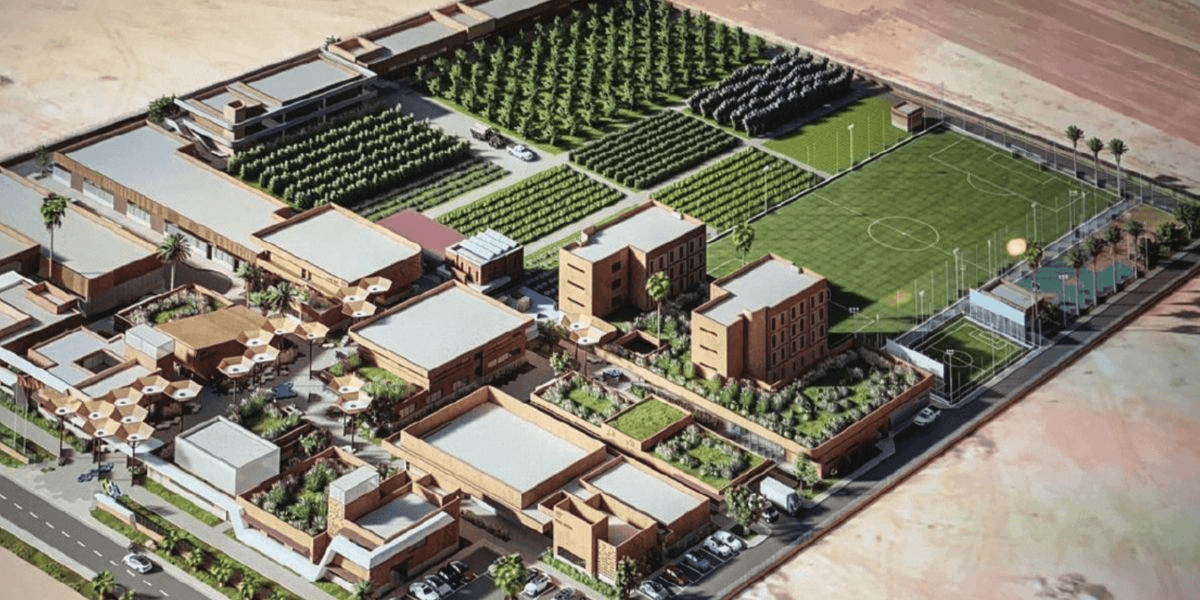
The strategic selection of the first two locations speaks volumes about Morocco's commitment to inclusive innovation:
Guelmim-Oued Noun (Southern Morocco)
- Focus: Desert agriculture optimization and renewable energy
- Target Industries: Saharan solar projects, date palm cultivation, desert tourism
- Regional Impact: Connecting remote communities to global AI markets
Nador (Northeastern Morocco)
- Focus: Mediterranean trade logistics and agricultural export
- Target Industries: Port automation, fishing industry AI, cross-border commerce
- Strategic Advantage: Gateway to European markets
Each center will function as a complete innovation ecosystem, offering:
Education & Training
- AI certification programs for local workforce
- Data science bootcamps for entrepreneurs
- Industry-specific skill development
Research & Development
- State-of-the-art AI labs and computing resources
- Collaboration spaces for startups and established companies
- Testing environments for real-world AI applications
Startup Incubation
- Mentorship from international AI experts
- Access to funding networks and venture capital
- Direct pipeline to government and corporate contracts
Industry Transformation: AI Applications Driving Real Economic Impact
Agriculture Revolution
Morocco's agricultural sector, employing 40% of the workforce, is prime for AI transformation:
- Precision Farming: ML algorithms predicting optimal planting and harvesting times
- Water Management: Smart irrigation systems crucial for water-scarce regions
- Crop Health Monitoring: Drone-based AI detecting diseases before human eyes can see them
- Market Intelligence: Price prediction models helping farmers maximise profits
Expected Impact: 30% increase in crop yields, 25% reduction in water usage
Tourism Innovation
With 13 million annual visitors, tourism represents untapped AI potential:
- Personalised Experiences: AI curating custom itineraries based on visitor preferences
- Cultural Preservation: Digital storytelling bringing historical sites to life
- Predictive Analytics: Optimising visitor flow to prevent overcrowding at popular destinations
- Real-time Translation: Breaking language barriers for seamless cultural exchange
Expected Impact: 20% increase in tourist satisfaction, extended average stay duration
Energy Optimisation
Morocco's renewable energy ambitions align perfectly with AI capabilities:
- Solar Forecasting: Predicting energy output from massive Saharan solar installations
- Grid Intelligence: Balancing supply and demand across Morocco's expanding renewable network
- Predictive Maintenance: Preventing costly downtime in wind and solar facilities
- Energy Trading: AI-optimised buying and selling in regional energy markets
Expected Impact: 15% improvement in renewable energy efficiency, reduced grid instability
Global Positioning: Morocco's Strategic AI Advantage
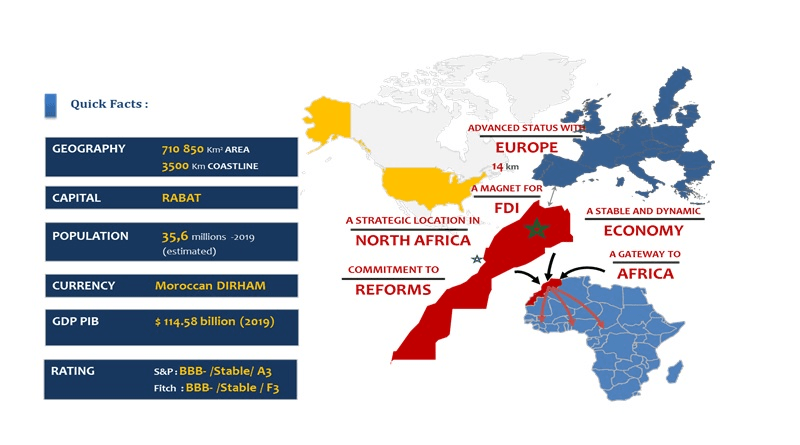
Morocco's geographic and cultural position creates unique competitive advantages:
Strategic Location Benefits:
- Time Zone Alignment: Optimal for European and African business hours
- Cultural Bridge: Arabic, French, and Berber languages facilitating regional partnerships
- Stable Infrastructure: Reliable internet connectivity and political stability
- Cost Efficiency: Competitive operational costs compared to European alternatives
International Partnerships:
The Al Jazari Institute is already attracting attention from:
- European AI research institutions seeking African collaboration
- Silicon Valley venture capital looking for emerging market opportunities
- Chinese tech companies expanding their African presence
- Regional governments interested in replicating Morocco's model
Human-Centered Digital Transformation: The Moroccan Model
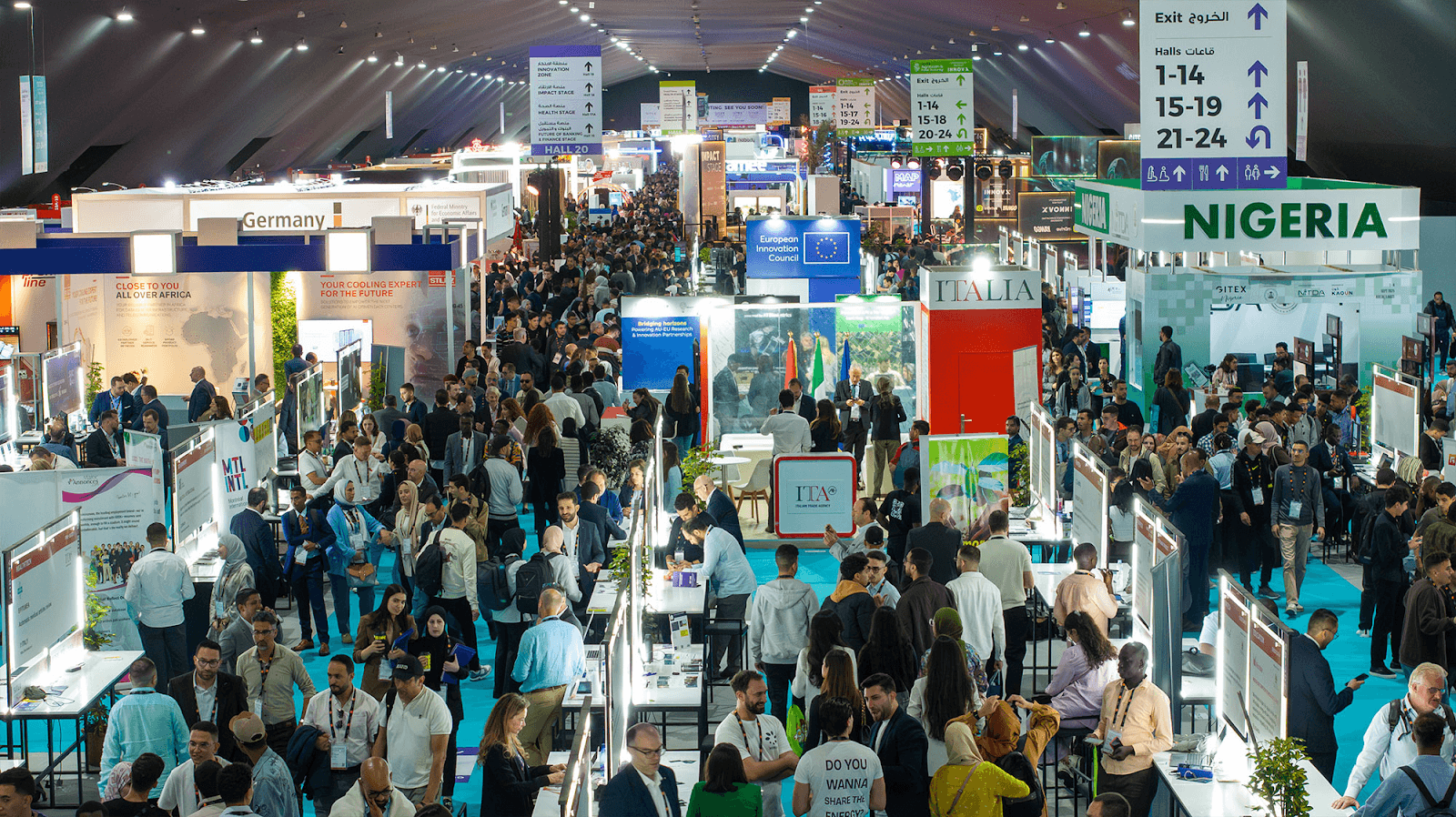
What distinguishes Morocco's approach from other national AI strategies is its unwavering focus on human empowerment:
Inclusivity Principles:
- Gender Equality: 40% female participation target in all AI programs
- Regional Balance: Equal investment in rural and urban development
- Skills-First Approach: Training existing workforce rather than importing talent
- Cultural Sensitivity: AI solutions respecting Moroccan values and traditions
Sustainability Focus:
- Local Problem-Solving: AI addressing specifically Moroccan challenges
- Community Ownership: Local stakeholders driving innovation priorities
- Environmental Responsibility: Green AI practices and sustainable computing
- Long-term Vision: Building foundations for decades of growth
Economic Impact Projections
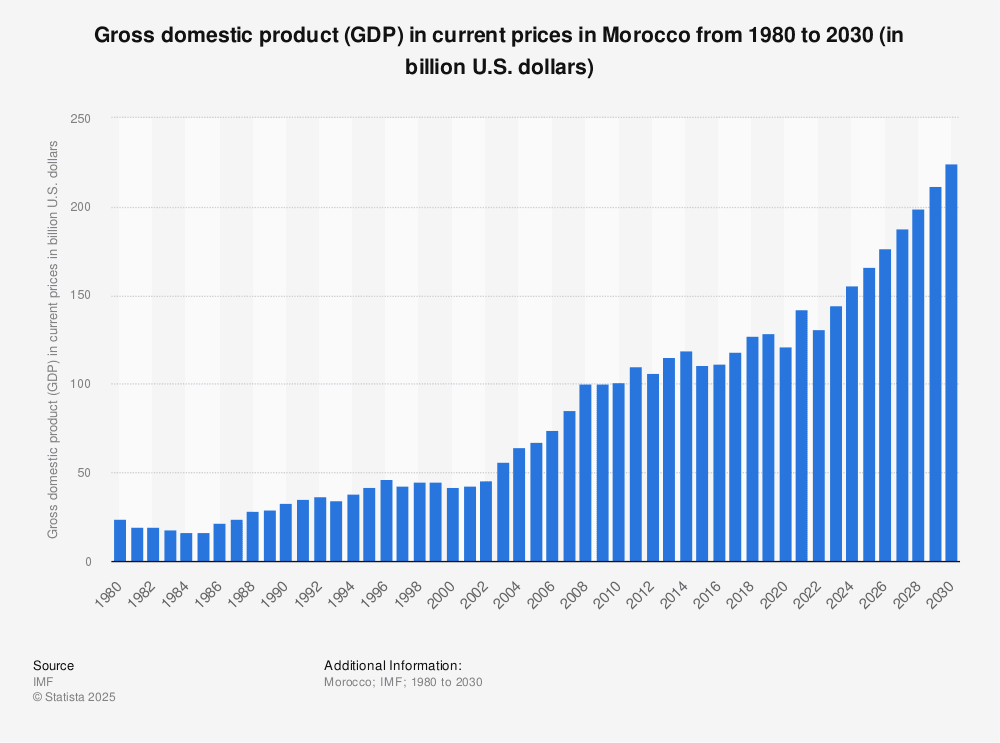
Industry analysts project significant economic returns from Morocco's AI investment:
- GDP Impact: Estimated 2.5% GDP growth contribution by 2030
- Job Creation: 50,000 new AI-related jobs across all skill levels
- Export Revenue: $2 billion in AI services and solutions exports annually
- Investment Attraction: $5 billion in foreign direct investment over 5 years
- Startup Ecosystem: 1,000 AI-enabled startups by 2028
Looking Ahead: The Next Phase of Expansion
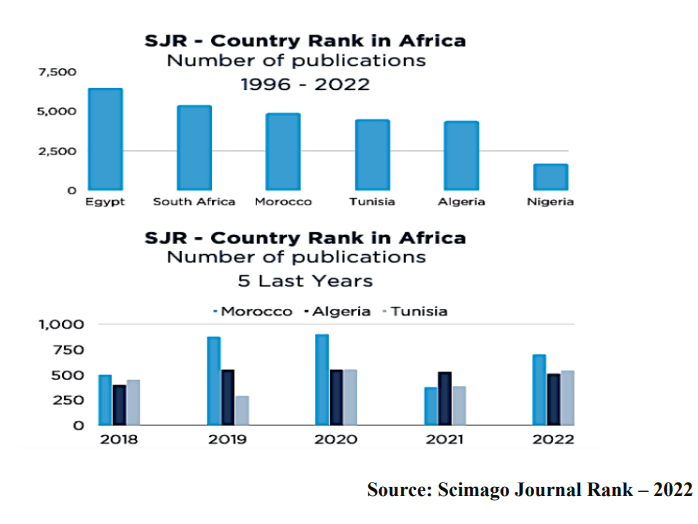
The Guelmim-Oued Noun and Nador centers are just the beginning. Morocco's roadmap includes:
2025-2026 Expansion:
- Marrakech: Tourism and cultural AI applications
- Agadir: Agricultural export optimisation
- Tangier: Logistics and Mediterranean trade
2027-2030 Vision:
- 10 regional AI centers covering every major economic zone
- International satellite programs in other African countries
- Morocco AI University offering advanced degrees in partnership with global institutions
- National AI certification standards recognised across Francophone Africa
Takeaways for Business Leaders
Morocco's AI Centers of Excellence represent more than technological advancement, they demonstrate how emerging economies can strategically position themselves in the global digital economy while maintaining cultural authenticity and social equity.
For International Investors: Morocco offers a stable, strategically located entry point into African AI markets with government backing and growing talent pools.
For Tech Companies: The kingdom provides an ideal testing ground for AI solutions designed for developing markets, with potential for regional expansion.
For Policy Makers: Morocco's model shows how national AI strategies can drive inclusive growth when properly executed with community involvement.


