
resources
15 Creative Uses for Shipping Containers That Go Way Beyond Transport
26 Aug 2025

Walk through Bristol’s Wapping Wharf, Shoreditch in London, or even parts of Manchester’s old industrial districts, and you’ll see shipping containers used for just about everything except shipping. Cafés, offices, art galleries, even swimming pools — the steel boxes that once carried goods across oceans are now being reimagined in clever, cost-effective ways.
What began as a design trend has become something bigger: a practical, sustainable alternative to traditional building. For homeowners, entrepreneurs, and architects, creative uses for shipping containers offer affordability, speed, and a surprising amount of style.
Quick Summary – Top Creative Uses at a Glance
- Container Homes: From tiny off-grid cabins to multi-storey family houses.
- Pop-Up Shops & Cafés: Low-cost, high-visibility business models.
- Micro-Hotels & Airbnb Stays: Compact, stylish, profitable per square foot.
- Urban Farms: Hydroponic systems producing year-round crops.
- Libraries & Classrooms: Affordable community infrastructure.
- Swimming Pools & Saunas: Unlikely but increasingly popular conversions.
- Studios & Garden Offices: Rising demand post-pandemic.
- Emergency Shelters: Fast, relocatable housing in crisis zones.
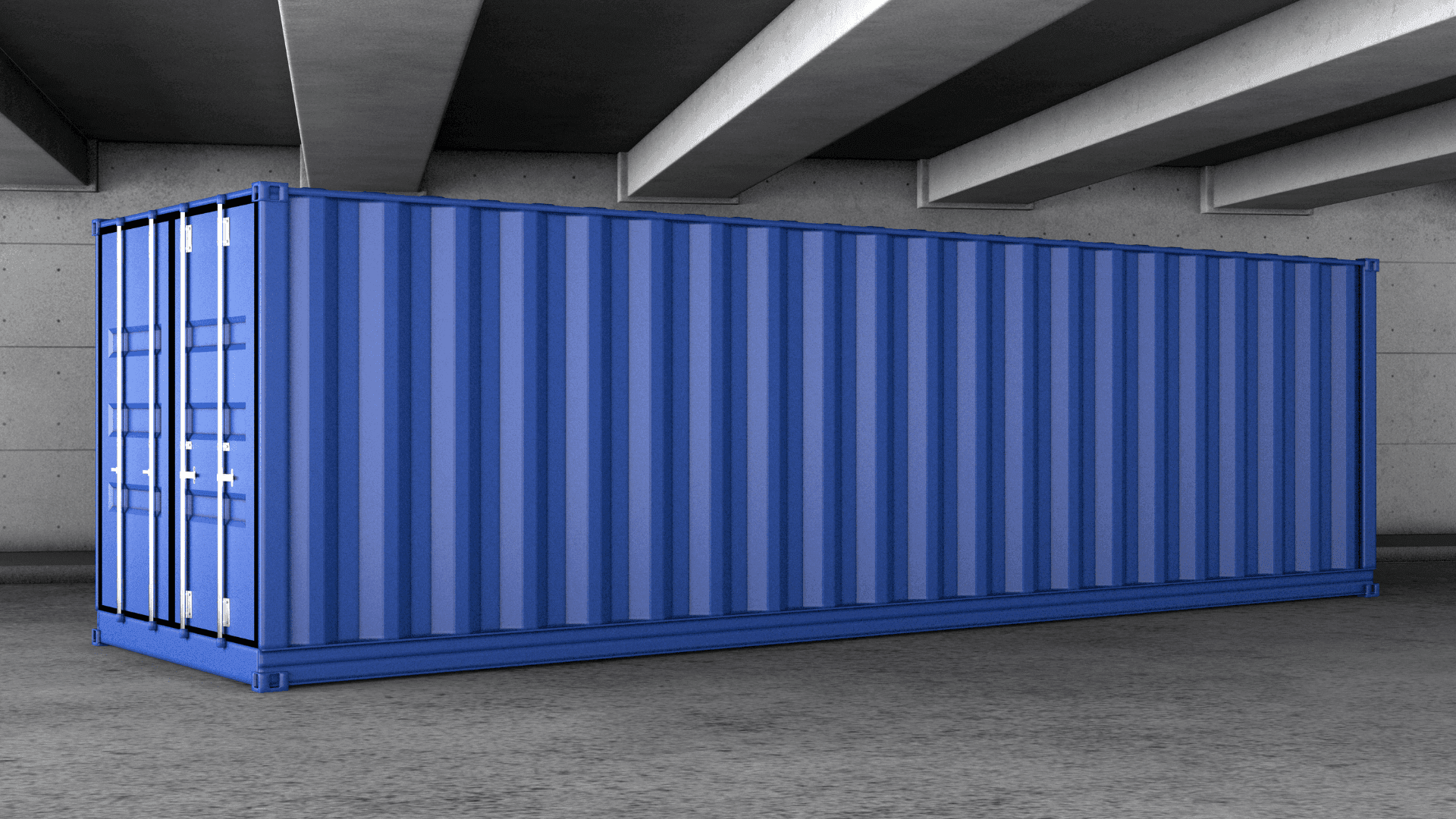
Why Shipping Containers? The Allure of Industrial Ingenuity
Durability Meets Adaptability
Containers are built to survive decades at sea — salt spray, stacking pressures, storms. This makes them excellent candidates for reuse. Their modular design means they can be stacked, joined, and cut open for doors or windows, making them as suitable for a family home as for a festival kiosk.
Eco-Friendly and Budget-Conscious
Each reused container saves several tonnes of steel from recycling plants and reduces demand for energy-intensive new construction. From a cost perspective, containers can be 20–50% cheaper than building with brick or timber. For budget-conscious developers, that’s hard to ignore.
Shipping Container Homes – Modern, Minimalist, and Affordable
Tiny Homes and Off-Grid Living
A single 20ft container offers roughly 160 sq ft of space — enough for a compact cabin. Off-grid enthusiasts insulate the steel walls, add solar panels, and set up water recycling systems. These projects often cost £25,000–£35,000 including modifications, significantly less than the average UK starter home.
Multi-Container Family Homes
Stacking containers side by side or on top of each other allows architects to create surprisingly spacious family houses. A three-bedroom design built from four 40ft containers can be completed for £80,000–£120,000, depending on finishes. Open courtyards, rooftop terraces, and glass walls can all be integrated. Companies such as Universal Containers supply both new and used units that can be repurposed into these builds.
Hybrid Concepts
Many homeowners now use containers as extensions rather than full builds. A single unit becomes a home office, a guest suite, or a glass-fronted lounge addition. By blending containers with traditional construction, the result feels both industrial and contemporary.
Permits, Insulation & Zoning
Before building, homeowners must check:
- Local planning permissions.
- Proper insulation (spray foam or panels).
- Ventilation and damp-proofing.
- Foundation requirements.
Ignoring these can add costly delays.
Creative Business & Public-Space Uses
Pop-Up Retail & Cafés
Pop-up retail using containers has been around for years, but concepts are evolving. Some businesses now use double-height containers that serve as cafés by day and event spaces by night. Puma and Starbucks have both run global campaigns with container units, proving the model works at scale. Smaller operators often start with a refurbished unit from suppliers.
Micro-Hotels & Airbnb Rentals
In Cornwall and Wales, small operators are using refurbished containers as Airbnb stays. The maths is attractive: a two-container micro-lodge costing around £50,000–£70,000 to build can generate nightly rents of £100–£200, paying back the investment within three to five years.
Container Markets & Food Halls
Community-driven markets built from containers are appearing across the UK. These modular food halls allow multiple traders to share space, utilities, and foot traffic. For entrepreneurs, the low fit-out cost means testing a concept without committing to long leases.
Event Spaces & Exhibitions
Festivals across Europe now use containers for everything from ticket booths to full-scale travelling art galleries. The appeal lies in durability — containers can be craned in, used for weeks, then moved to the next event.
Community-Driven and Social Innovation Projects
Emergency Housing and Disaster Relief
Humanitarian agencies and councils use containers as emergency housing units. During crises, units can be deployed within days, offering insulated, lockable rooms far quicker than temporary tents.
Urban Farming & Hydroponic Greenhouses
Companies like Freight Farms and Square Roots have pioneered container farms, growing lettuces and herbs inside climate-controlled containers in cities like New York. The model is spreading to Europe: urban farms in London now use containers to supply fresh produce to restaurants year-round.
Mobile Clinics or Classrooms
In Africa, Asia, and post-disaster areas like Haiti, containers have been turned into mobile medical units and classrooms. In the UK, charities are exploring similar conversions for temporary youth centres and training hubs.
Artistic, Educational & Lifestyle Applications
Home Offices & Backyard Studios
Since the pandemic, demand for garden offices has surged. A single used 20ft container can be insulated, wired for power, and fitted with glass doors for £10,000–£20,000, far less than building a brick extension.
Gyms, Meditation Pods, or Game Rooms
Wellness spaces are another niche. A container can house a personal gym, sauna, or even a soundproofed gaming den. With insulation and HVAC, they work year-round.
Libraries, Makerspaces & Music Studios
Schools and councils in the UK have experimented with container libraries, while creative hubs turn them into soundproof music studios or shared maker workshops. They offer affordable infrastructure without the need for permanent builds.
Unexpected Container Conversions Gaining Traction
Swimming Pools and Hot Tubs
Above-ground pools built from containers are trending in Europe. Costs range from £20,000–£35,000, compared to £50,000+ for traditional pools. They’re durable, transportable, and quick to install.
Saunas and Cold Plunge Rooms
Scandinavian design culture has inspired container-based saunas and cold plunge pools. With the wellness market growing, UK spas are beginning to adopt this model for outdoor facilities.
Garages and Workshops
Mechanics and craftspeople use containers as garages or studios. With added ventilation, overhead doors, and storage racks, they become compact yet functional workspaces.
Getting Started – What to Know Before You Build or Convert
Choosing the Right Container
- 20ft vs 40ft depending on use.
- Condition grading: wind and water-tight, cargo-worthy, refurbished.
- Check certifications if the container will be relocated internationally.
Basic Modifications and Costs
- Cutouts for doors/windows: £500–£1,500 each.
- Insulation: £2,000–£5,000 per unit.
- Power/HVAC installation: £3,000–£7,000.
Overall, a typical conversion ranges from £10,000–£120,000, depending on complexity.
DIY vs. Turnkey Solutions
DIY is possible but requires welding, construction skills, and compliance knowledge. Many homeowners and businesses choose turnkey firms specialising in container architecture, ensuring compliance with building standards.
Final Thoughts: Thinking Inside the (Shipping) Box
From homes and hotels to gyms, saunas, and farms, containers are showing how much can be achieved with a steel shell and a dose of creativity. They’re affordable, modular, and sustainable, but perhaps their biggest appeal lies in flexibility.
For architects, they’re a canvas. For entrepreneurs, a low-cost entry point. For families, a way to expand space without committing to traditional builds. The real question isn’t whether containers will continue to be reused — it’s how imaginative the next project will be.


