
business resources
5 Commercial Building Upgrades That Improve Long-Term Asset Value
03 Aug 2026

There’s a total of $26.8 trillion in commercial real estate nationwide, and individual property values hinge directly on Net Operating Income and cap rates. Upgrading an aging asset is not just about keeping the lights on; it is about reducing operating expenses to directly elevate asset valuation.
Every day, property managers oversee thousands of square feet of underperforming building envelopes that bleed capital through utility inefficiencies. Smart capital expenditure strategies target retrofits that deliver measurable financial returns while preserving structural integrity. Here are five high-impact investments that yield long-term equity growth for commercial properties.
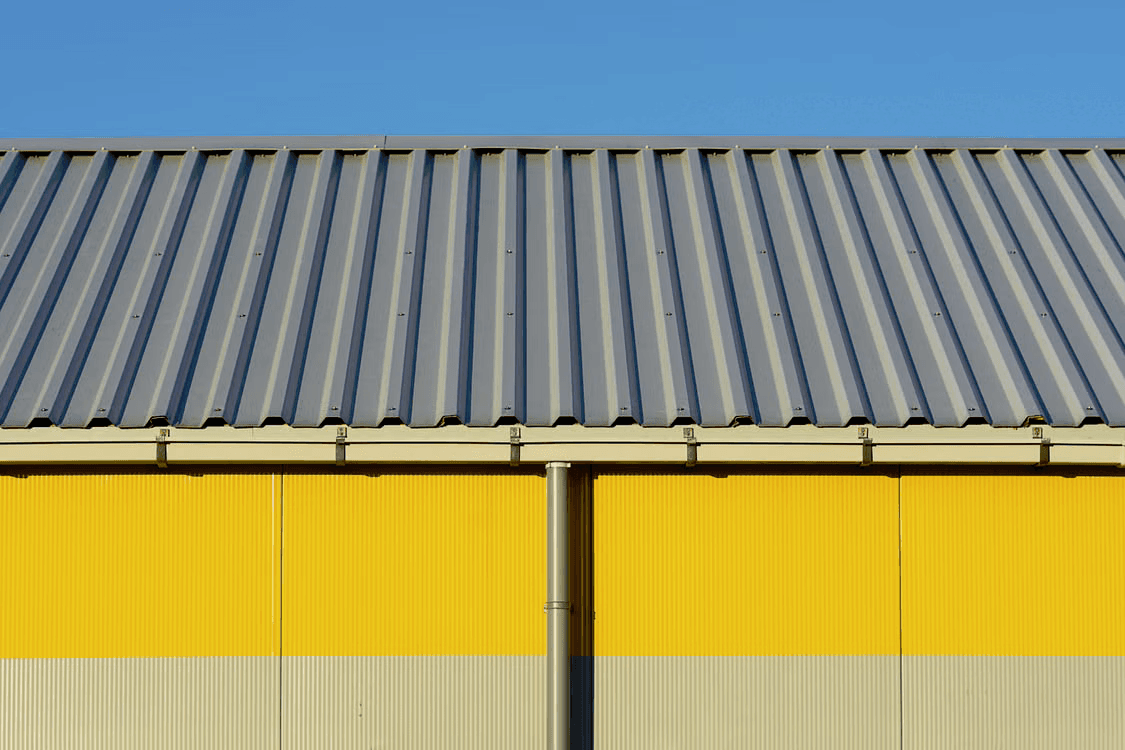
1. High-Performance Commercial Roofing Systems
A building envelope is only as resilient as its roof. Replacing or retrofitting with modern commercial roofing systems prevents costly subsurface moisture intrusion and dramatically alters a facility's thermal efficiency. Advanced thermoplastic polyolefin membranes and cool roof coatings reflect solar radiation rather than absorbing it.
This drop in heat absorption reduces cooling loads during peak operational hours. Protecting structural deck components eliminates surprise capital expenditures, giving ownership predictable maintenance budgets for decades.
It’s a good idea to get expert input from roofing specialists local to you. A business in Texas is better off learning more about commercial roofing systems in Houston from a regional provider, given the state's specific climatic impacts and regulatory requirements. The same applies in all regions.
2. Smart Building Automation and Control Retrofits
Legacy controls run heating and cooling systems on rigid schedules regardless of occupancy. Upgrading to centralized building control systems allows facility teams to manage energy consumption in real time.
Commercial properties cut overall utility costs by up to 30% through targeted efficiency retrofits and automated controls. Lower energy expenditures instantly increase a property's Net Operating Income. Higher net income leads directly to a stronger appraisal when refinancing or listing the asset.
3. HVAC System Modernization and Variable Air Volume Upgrades
Heating and cooling account for the largest single slice of a commercial facility's utility load. Replacing aging chillers, rooftop units, and air handlers with modern variable-speed equipment drastically lowers peak demand charges.
- Variable frequency drives that adjust fan speeds based on real-time load demand
- Dedicated outdoor air systems that improve humidity control and indoor air quality
- Advanced refrigerant systems designed to meet updated environmental compliance standards
Beyond operational savings, commercial HVAC retrofits yield typical returns between 25% and 50% through sheer energy reduction. Modern mechanical systems also mitigate tenant turnover by eliminating localized temperature swings.
4. Continuous Envelope Thermal Insulation Upgrades
Air leakage through thermal bridges in exterior walls silently degrades interior climate control. Adding continuous rigid insulation or spray foam seals gaps within the structural shell.
A tight envelope reduces thermal transfer, protecting mechanical equipment from continuous cycling. Less wear and tear on primary infrastructure extends equipment lifespans and decreases routine service calls.
5. Architectural Exterior and Parking Asset Modernization
First impressions dictate leasing rates and tenant retention. Updating exterior facade paneling, architectural lighting, and parking infrastructure transforms an aging site into a premium destination.
Installing energy-efficient LED site lighting enhances security while keeping electricity bills low and can also be very useful for certain tasks that require close-up focus, common in many commercial buildings. Adding electric vehicle charging stations generates ancillary income and attracts high-value corporate tenants. Curb appeal directly supports premium square-footage rates in competitive markets.
Maximizing Portfolio Net Operating Income
Capital allocation decisions require balancing immediate out-of-pocket costs against long-term equity preservation. Investing in key structural systems creates a compound return through lower utility bills, reduced repair liabilities, and higher tenant retention.
Reviewing internal maintenance logs helps pinpoint which core assets require immediate modernization before minor wear causes major downtime.


