
resources
6 Essential Pieces Of Sports Equipment Every Athlete Should Have
29 Nov 2025

Athletes in every field depend on reliable gear that supports performance, comfort, and safety. The right setup shapes training sessions, reduces strain, and helps players concentrate on technique rather than discomfort. Each sport has its own demands, yet many items remain widely trusted across disciplines. The following sections explore six pieces of equipment that bring consistency to practice routines and competition days. Every section highlights how these items contribute to steady growth, steadier focus, and stronger confidence.
Protective Eyewear for Clarity and Confidence
Clear vision shapes reaction time, spatial awareness, and precision. Goggles remain a favorite choice for swimmers, cyclists, and athletes who train in windy or dusty environments. Lens design can cut glare, reduce irritation, and limit distractions. Athletes who need corrective lenses often face challenges during fast-paced movement or in the water, and many turn to specialized options that hold prescription strength securely. Those searching for the right fit can shop prescription goggles for all ages to find models that match personal needs. Goggles with adjustable straps stay steady during sudden turns, while anti-fog coatings help athletes read their surroundings without interruption. A dependable pair preserves comfort during long sessions and gives athletes the freedom to move boldly.
Supportive Footwear for Stability and Momentum
Athletes spend a large portion of training time on their feet, which makes footwear a direct influence on technique. Shoes built for athletic activity guide the foot through each step, reduce pressure on joints, and create a stable path during landings and turns. Cushioning absorbs impact during constant repetition, lowering strain during sprints, jumps, and abrupt stops. A well-constructed sole promotes traction that helps athletes maintain balance even in fast transitions. Breathable materials keep feet cooler during long sessions, while durable uppers protect against scrapes, friction, and sudden movement. Proper footwear shapes comfort from warm-ups to cooldowns, giving athletes a foundation that supports strong execution every day.
Clothing That Encourages Natural Movement
Athletic wear shapes comfort during both high-intensity training and measured skill work. The best pieces move with the body rather than against it, giving athletes the freedom to stretch, sprint, and rotate without distraction. Good fabric manages sweat by guiding moisture away from the skin, leaving athletes feeling lighter and less prone to irritation. Seam placement can influence comfort as well, with many garments designed to avoid rubbing during repetitive motion. Compression items improve the feeling of support, while looser cuts create airflow that keeps the body steadier during heat buildup. Clothing designed for sport provides a smoother experience by letting athletes focus fully on technique, pacing, and strategy.
Training Accessories That Promote Structure and Progress
- Resistance bands: Improve strength workouts by creating tension through controlled stretching. They add challenge to warm-ups, cooldowns, and strength routines without adding significant weight.
- Jump ropes: Offer quick, effective cardio sessions that train rhythm, footwork, and stamina. A rope fits easily into a gym bag and works well for both solo sessions and team warm-ups.
- Agility ladders: Help athletes practice coordination, rapid foot placement, and directional changes. Regular use contributes to smoother transitions in many sports.
- Foam rollers: Give athletes a way to manage soreness through gentle pressure release on tight muscles before and after workouts.
- Timing devices: Support training goals by tracking pace, intervals, rest periods, and progress in real time.
- Water bottles: Keep hydration close during practices and competitions, reducing interruptions during long sessions.
Protective Gear That Reduces Strain and Injury Risk
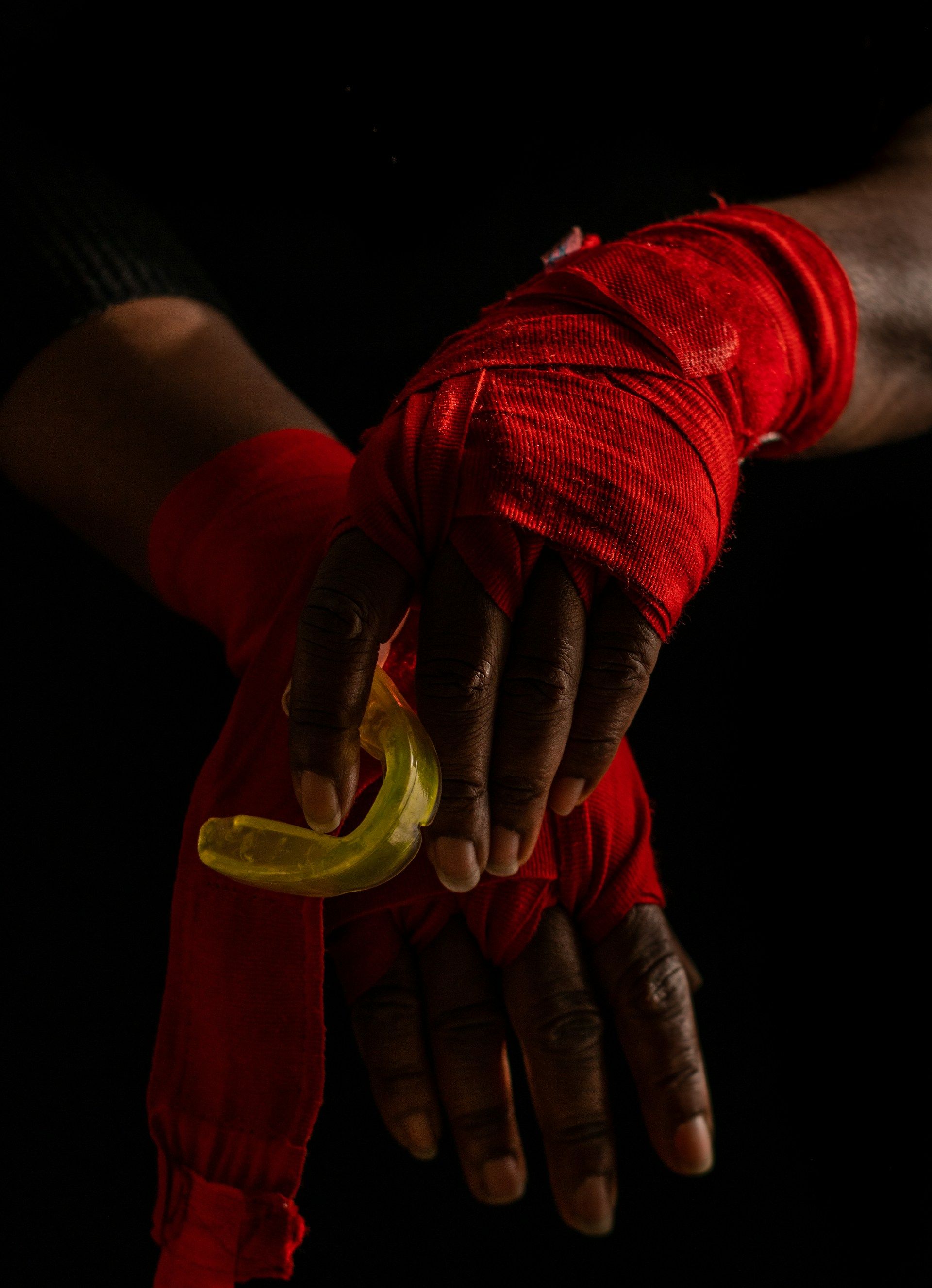
Many sports introduce repeated impact, quick deceleration, or close contact, which raises the chance of physical strain. Protective gear responds to these challenges by offering cushioning or structural support. Mouthguards shield teeth and reduce jaw strain during collisions. Shin guards defend against direct hits from balls or opponents. Wrist and knee braces help athletes manage joint pressure during intense drills or recovery periods. Helmets designed for cycling, skating, and field sports give added protection against unexpected falls or fast impacts. These items bring peace of mind that allows athletes to play assertively and train with greater focus.
Bags and Storage Solutions for Organization on the Go
Athletes often carry gear to different fields, courts, pools, and training spaces. A well-planned bag turns this movement into a smoother routine. Backpacks with ventilated compartments help separate damp clothing from clean items. Duffel bags with wide openings make it easier to locate equipment quickly, limiting delays during practice changes. Some athletes prefer bags with reinforced bottoms that stand up to heavy use or rough surfaces. Smaller pouches keep valuables, tape, training tools, and recovery snacks organized. With a practical storage system, athletes avoid misplacing gear and arrive prepared for sessions with minimal fuss.
Well-chosen equipment plays a quiet yet steady role in every athlete’s routine. Protective eyewear shapes vision, footwear supports movement, clothing promotes comfort, accessories guide progress, protective gear reduces exposure to strain, and quality bags keep everything organized. Each item contributes to smoother training days and more confident performances. By building a thoughtful collection of gear, athletes give themselves a reliable base from which skills can grow and goals can flourish.


