
business resources
6 Tips for Commercial Building Recovery After Damage
15 Jul 2024

Recovering from damage to your commercial building can be a daunting task. Whether the damage is due to natural disasters, accidents, or other unforeseen events, quick and effective recovery is essential to get your business back on track. Here are six tips to help you through the process.
1. Assess the Damage Thoroughly
Before taking any action, assess the extent of the damage. Conduct a detailed inspection before hiring experts for commercial damage restoration of both the exterior and interior of the building. Look for structural issues, water damage, electrical problems, and any other potential hazards. Document everything with photographs and notes, as this information will be crucial for insurance claims and repair planning.
- Hire a Professional Inspector: Consider hiring a professional building inspector to ensure nothing is missed. They can identify hidden issues that may not be obvious to the untrained eye.
- Check for Secondary Damage: Look for secondary damage like mold growth or weakened foundations that could cause long-term problems. Addressing these issues early can prevent costly repairs in the future.
- Document for Future Reference: Keep all inspection records organized and easily accessible. These documents will be helpful not only for insurance claims but also for future maintenance planning.
2. Contact Your Insurance Company Immediately
Once you have a clear understanding of the damage, contact your insurance company to report the incident. Provide them with all the documentation you gathered during your assessment. An insurance adjuster will likely visit the site to evaluate the damage. Be sure to keep detailed records of all communications with your insurance provider to ensure a smooth claims process.
- Understand Your Policy: Familiarize yourself with the specifics of your insurance policy. Knowing what is covered and what isn't will help you manage expectations and plan accordingly.
- Follow Up Regularly: Stay in regular contact with your insurance company. Regular updates can help expedite the claims process and ensure nothing is overlooked.
- Seek Additional Help if Needed: If the process becomes too complex or if you're not satisfied with the response from your insurer, consider hiring a public adjuster. They can represent your interests and help maximize your claim.
3. Prioritize Safety
Safety should be your top priority when dealing with a damaged building. If there are any immediate hazards, such as exposed electrical wiring or structural instability, take steps to secure the area and prevent access. Hire professionals to address these urgent issues as soon as possible to protect yourself, your employees, and anyone else who might enter the premises.
4. Hire Qualified Professionals for Repairs
When it comes to repairing your commercial building, don’t cut corners. Hire qualified contractors who specialize in commercial properties. Look for professionals with good reputations and verified credentials. Obtain multiple quotes to ensure you’re getting a fair price, but remember that the cheapest option isn’t always the best. Quality workmanship is essential for long-term durability and safety.
- Verify Credentials: Check the credentials and licenses of contractors. Ensuring they are certified to perform the work required can prevent future legal and safety issues.
- Request References: Ask for references from previous clients. Speaking to others who have worked with the contractor can give you insights into their reliability and quality of work.
5. Plan for Business Continuity
While your building is being repaired, it’s crucial to have a plan for maintaining business operations. This might involve setting up a temporary location, enabling remote work for your employees, or finding other creative solutions to keep your business running. Communicate clearly with your customers, suppliers, and employees about any changes and expected timelines to manage expectations and maintain trust.
- Explore Alternative Workspaces: Look into renting temporary office space or coworking facilities. This can provide a professional environment for your team and help maintain productivity.
- Leverage Technology: Utilize technology to facilitate remote work. Invest in secure communication and collaboration tools to ensure your team can work efficiently from different locations.
- Customer Communication: Keep your customers informed about the situation and any service changes. Regular updates through email, social media, and your website can help maintain customer trust and satisfaction.
6. Invest in Preventative Measures
Once the immediate crisis is over and repairs are underway, think about how you can prevent future damage. This might include upgrading building materials, improving drainage systems, installing better security measures, or creating an emergency response plan. Investing in preventative measures now can save you time, money, and stress in the future.
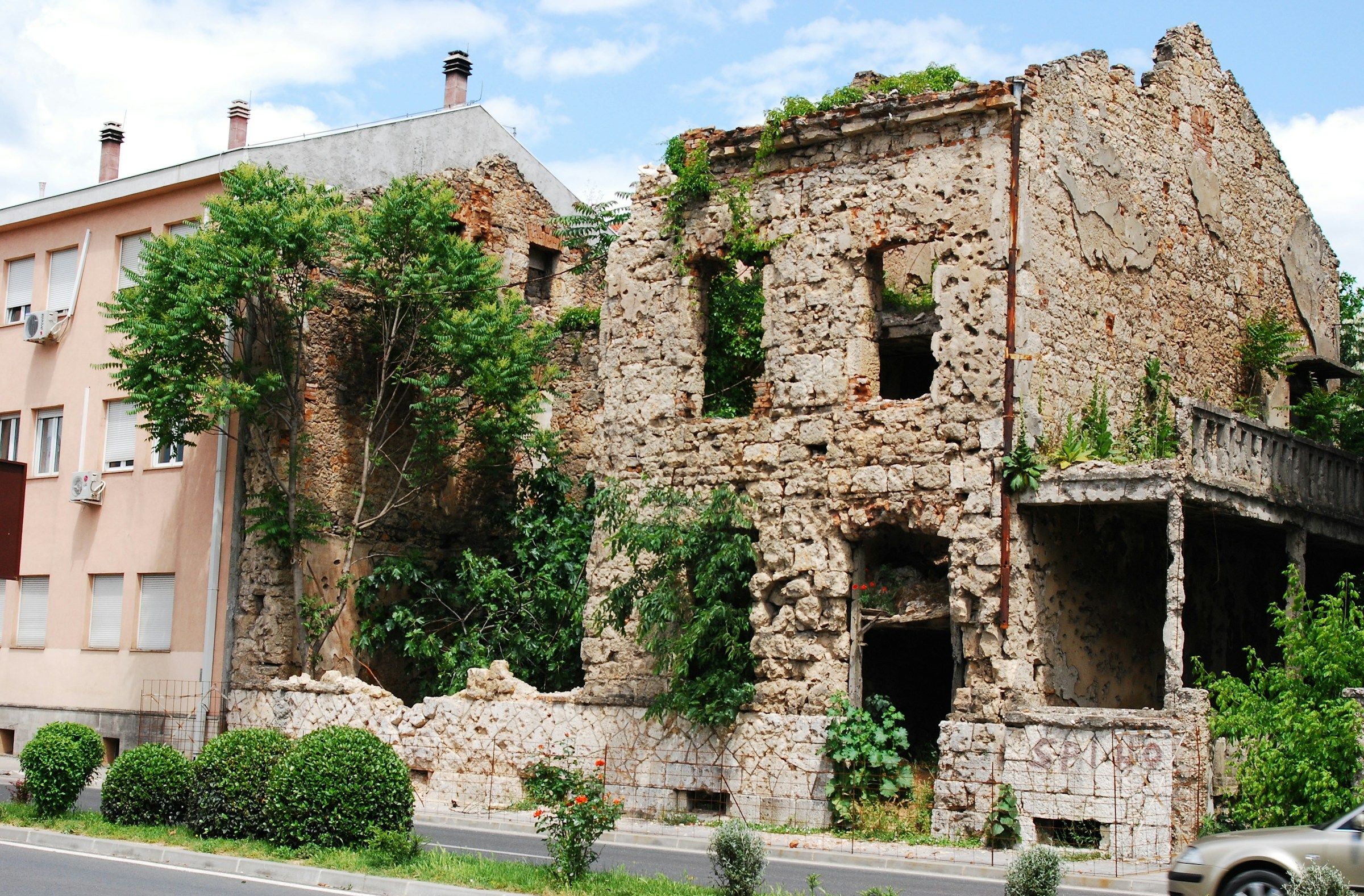
Recovering from damage to your commercial building is a challenging but manageable process. You can ensure a smoother and more effective recovery by thoroughly assessing the damage, working closely with your insurance company, prioritizing safety, hiring qualified professionals, planning for business continuity, and investing in preventative measures. Taking these steps will help you get back to business as usual as quickly and safely as possible.


