
Fashion Trends & Future, Sustainable Fashion, resources
Acquapak Polymers releases report on sustainable packaging

As climate change becomes an increasingly pressing issue, the packaging used by fashion companies can have a big impact on their overall environmental footprint as packaging is one of the main types of waste that ends up in landfills. While many fashion brands concentrate on creating garments from eco-conscious fabrics, materials used for packaging account for a vast contribution to climate change – according to The United Nations Economic Commission for Europe packaging accounts for 40 per cent of plastic waste and only a meagre 9 per cent of that is recycled.
By focusing on recycling and introducing new, inventive sustainable packaging solutions, fashion brands and retailers can go a long way towards the protection of our planet. So how are these companies tackling packaging sustainability? In January 2024, Aquapak Polymers launched a new report titled “The Future of Packaging in the Fashion Industry” based on research with board directors and senior executives of fashion brands and retailers in the UK, US and Australia. The company commissioned leading global market research firm PureProfile to conduct new research with a hundred board directors and senior executives of fashion brands and retailers in the UK, US and Australia to help them gain perspective of their attitude to sustainability- and in particular- how the industry is planning to use sustainable packaging materials to replace plastic.
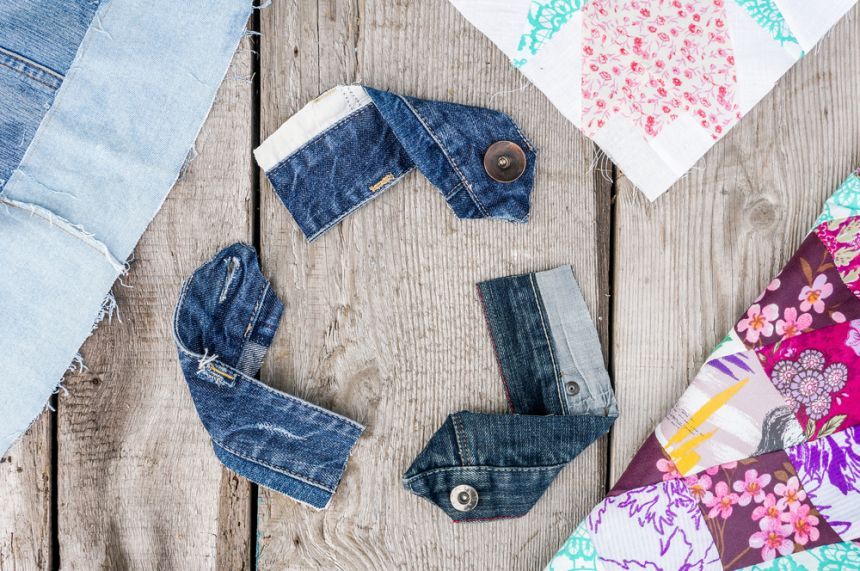
Sustainability and circularity is the need of the hour
“Our study shows that sustainable packaging is on the boardroom agenda of fashion brands and retailers. They are already exploring different types of materials to replace plastic, with a shift to paperboard and new polymers which provide garment and merchandise protection, but do not have any of the environmental problems associated with conventional plastic,” reveals Mark Lapping, CEO of Aquapak, in a media release.
The importance of the fashion industry’s focus on using sustainable packaging is crucial to retaining existing customers whilst also attracting new ones. The study shows that there is a commitment at the highest level in the fashion industry to stop using harmful plastic. Brands and retailers are already taking steps to reduce their dependency on plastic packaging. 88% plan to stop using plastic in packaging altogether. Roughly 8% are planning to abolish plastic within the next year, 14% within one to two years, 19% within two to three years, 30% within three to four years and 28% within four to five years.
When asked about sustainable materials used to date, two thirds said they were using bioplastics – plastic materials produced from renewable biomass sources such as starch, oils, woodchips and sawdust. Over half (57%) said that they are using paperboard, 52% cited multi-material combinations such as paper and plastic, and 48% said they were using new polymers which offer the same properties as plastic, but without harming the environment.
Do consumers really understand enough about packaging materials and disposal? Per the report: ‘When we asked UK consumers2 about packaging and disposal, it became clear that the expectation that consumers are ultimately responsible for disposal is somewhat misguided. Just 14% said that they know what type of material the fashion items they buy are packaged in, two thirds said they sometimes know what packaging type it is and a further 21% said they never know… The findings also suggest that the industry isn’t always helping its customers as much as it should. Just 5% of consumers said there are always clear instructions on the packaging to show how it should be disposed of without damaging the environment, 58% said there are sometimes, 23% said often, and 6% said there are never instructions displayed.’
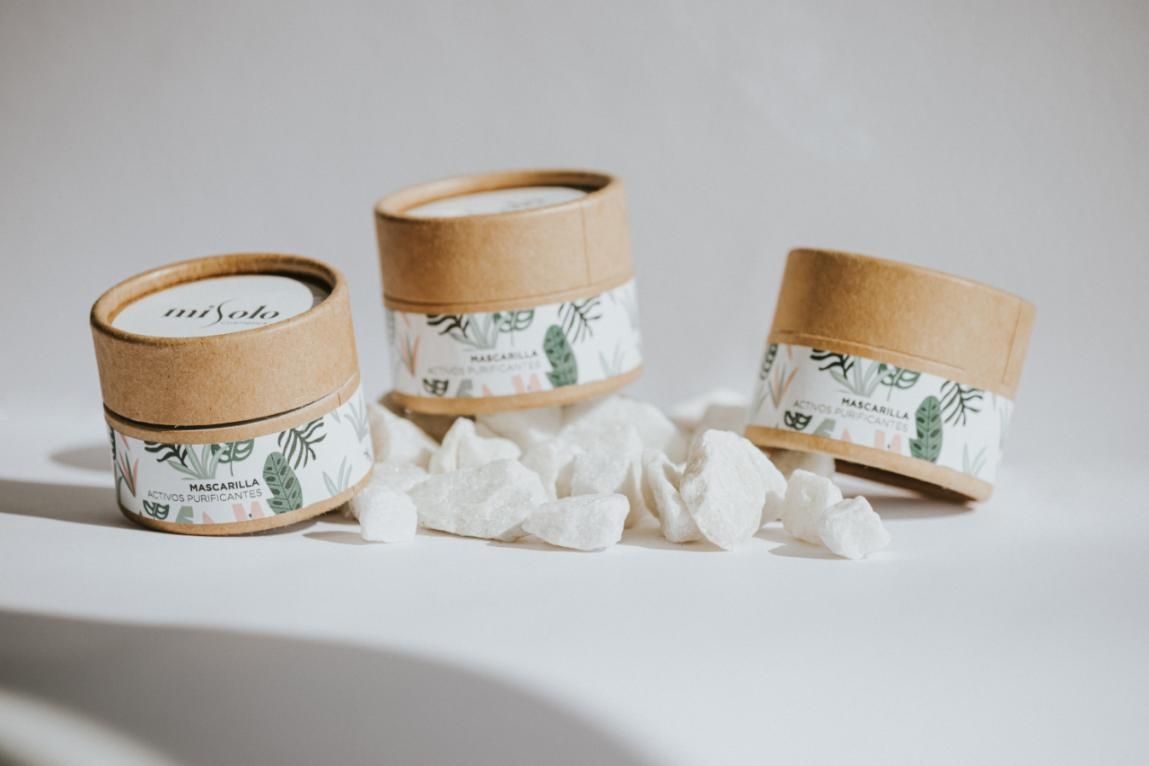
Eco-friendly packaging is the need of the hour
To conclude, the study shows that circular economy and sustainability are priorities for senior executives in the fashion industry even though only half think that their business is at the vanguard of change when it comes to innovation and market-leadership. It also highlights the misconception of plastic disposal versus reality, where recycling rates remain low. The confusion over how to dispose of waste packaging is an age-old problem which is holding back recycling rates around the world. Companies must understand that this is not a problem for consumers to solve. There are packaging innovations which perform the same job as plastic but without the negative environmental impact because they offer a range of end-of-life options, from recycling to composting.
Despite positive inroads, the industry remains under pressure from customers, consumers and shareholders to improve packaging sustainability, and Acquapak Polymers’ research shows that this is slated to increase over the next three years. The consequences of not embracing environmentally friendly materials will negatively effect the bottom line as a result of losing market share to greener competitors. The good news is that many fashion brands and retailers are already taking positive steps to reduce their dependency on plastic packaging though the pace of change could be faster. The report shows that the industry is actively exploring different types of materials to replace plastic, with a shift to paperboard and new polymers which provide garment and merchandise protection but do not have any of the environmental concerns associated with plastic.
Read More:


