


African Leaders Call for Stronger Domestic Financing to Accelerate Malaria Elimination
30 Sept 2026

Leaders at the 81st United Nations General Assembly urged African countries to embed malaria financing into national budgets, strengthen cross-border cooperation and expand local manufacturing as funding pressures threaten recent gains.
25 September 2026 — New York — African leaders have called for stronger domestic financing and wider multisectoral action to protect progress against malaria and accelerate elimination across the continent.
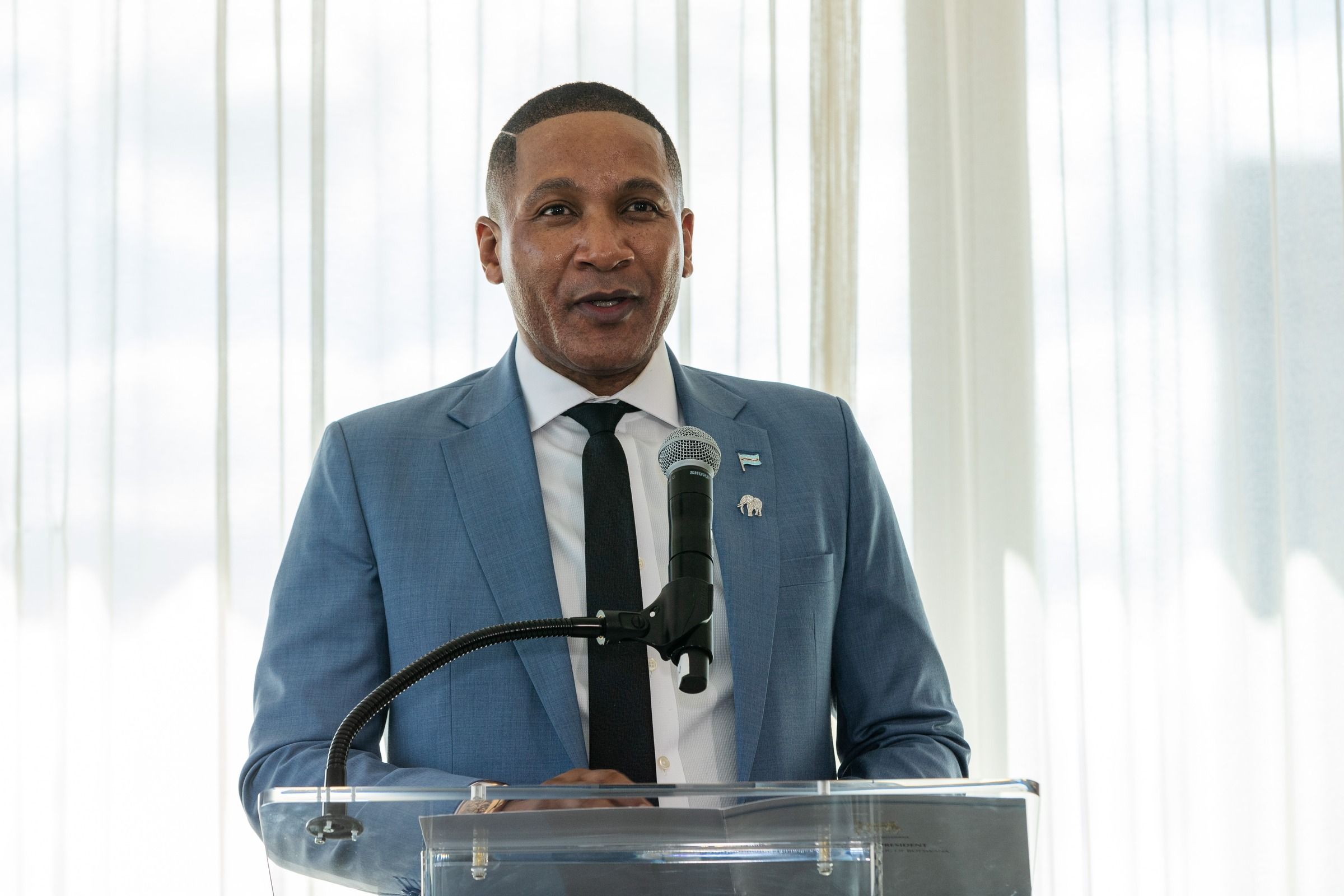
The call was made during a high-level side event held on the margins of the 81st United Nations General Assembly, hosted by President Advocate Duma Gideon Boko of Botswana, chair of the African Leaders Malaria Alliance, in partnership with the African Union Commission and the RBM Partnership to End Malaria.
The discussion focused on the financing gap facing malaria programmes as external funding comes under pressure. According to the African Leaders Malaria Alliance, Africa accounts for 94% of global malaria cases and 95% of malaria deaths, while progress has slowed amid funding shortfalls, extreme weather, insecticide and drug resistance, and humanitarian crises.
Funding pressures threaten progress
Recent replenishments for the Global Fund and Gavi fell short of their targets, while official development assistance for health in Africa continues to decline.
Research cited by ALMA and Malaria No More UK estimates that a 30% reduction in malaria financing could lead to 146 million additional cases, nearly 400,000 additional deaths and US$37 billion in lost GDP by 2030.
Dr Tedros Adhanom Ghebreyesus, Director-General of the World Health Organization, warned that sustained investment remains essential.
When investment is sustained, malaria retreats. When financing falls, it returns.
For African governments, the challenge is increasingly about how to maintain programmes as international support becomes less predictable, while still expanding prevention, diagnosis, treatment and surveillance.
Domestic financing moves higher on the agenda
Leaders at the event called for malaria financing to be integrated more firmly into national budgets and development plans.
President Boko said:
Africa has the tools, the experience, and the leadership to change the trajectory of malaria. What we need now is sustainable financing and collective action to match our ambition of a malaria-free future.
One model highlighted was the National End Malaria Council and Fund, which brings government, businesses, civil society and communities around a single financing and accountability structure.
There are currently 14 operational councils, which ALMA says have mobilised more than US$245 million to address funding and resource gaps in national programmes.
Dr Tedros urged malaria-endemic countries to establish similar mechanisms adapted to their own national context.
International support still seen as essential
Despite the push for stronger domestic financing, leaders also stressed that African governments cannot carry the full burden alone.
H.E. Muhammad B. S. Jallow, Vice President of The Gambia, said:
Domestic financing alone cannot sustain the level of investment required to reach elimination.
He called for stronger international partnerships and more predictable financing, particularly for countries approaching the final stages of malaria elimination.
Countries were also encouraged to include malaria control within their World Bank IDA21 health compacts, while participants urged the World Bank to consider a dedicated malaria programme under IDA22.
Cross-border action becomes more important
Ministers also emphasised that malaria elimination cannot be achieved country by country in isolation.
South Africa, in its role as chair of the Southern African Development Community, committed to strengthening cross-border collaboration. This is particularly important in regions where population movement can reintroduce malaria into areas that have already reduced transmission.
Zimbabwe and Angola committed to supporting local production of mosquito nets and medicines, while Tanzania highlighted its growing focus on local manufacturing and domestic research capacity.
The discussions point to a broader regional strategy built around health systems, trade, manufacturing, logistics and research rather than relying solely on national health ministries.
Tanzania highlights local research and manufacturing
Tanzania presented local manufacturing as part of its national policy and highlighted ongoing scientific work on malaria control.
Hon. Mohamed Omary Mchengerwa, Minister of Health of the United Republic of Tanzania, said scientists at the Ifakara Health Institute and National Institute for Medical Research are working on gene-drive research involving mosquitoes.
He stressed that any eventual deployment would require extensive consultation and regulation across health, environmental and agricultural authorities.
That approach reflects the wider emphasis of the meeting: malaria elimination is increasingly being treated as a multisectoral development challenge rather than only a public health programme.
Private sector and development partners remain part of the solution
International partners also reiterated their support.
The Global Fund committed to continued resource mobilisation, while emphasising the importance of domestic leadership. The Gates Foundation said it would continue supporting the development of new malaria products, and Gavi reaffirmed its commitment to expanding access to malaria vaccines.
GLIDE also offered support to ministries of health.
Together, the commitments underline how elimination strategies increasingly depend on coordination between national governments, donors, businesses, researchers and communities.
Malaria elimination becomes a broader development issue
The economic consequences of malaria remain central to the debate.
Beyond the human cost, high malaria incidence affects labour productivity, education, household income and government spending. In fast-growing cities and cross-border economic corridors, persistent transmission can also place additional pressure on health systems and workforce resilience.
That is why leaders are pushing to move malaria financing beyond health ministries and into broader economic and development planning.
For cities and regions, stronger surveillance, local manufacturing, reliable supply chains and cross-border coordination can become part of wider resilience planning.
The Big Push against Malaria
The event forms part of the Big Push against Malaria, a country-led initiative aligned with the African Union’s Roadmap to 2030 and Beyond.
Its aim is to accelerate elimination through sustained political leadership, stronger domestic financing, multisectoral accountability and greater coordination between countries.
President Boko said:
Africa is ready to lead, but malaria elimination remains a shared responsibility.
He urged governments and partners to prevent financing gaps from reversing past progress and to bring more sectors into the malaria response.
The central message from the event was clear: eliminating malaria will require more than continued medical intervention. It will depend on whether governments can build sustainable financing systems, coordinate across borders, strengthen local production and keep malaria high on the political and economic agenda.
About the African Leaders Malaria Alliance
The African Leaders Malaria Alliance is a coalition of African heads of state and government working to accelerate progress against malaria through political leadership, accountability, financing and regional cooperation.


