


Architecture of Movement: What Deserts, Nomads and World Heritage Teach Us About Belonging
06 Aug 2026

For centuries, architecture has been associated with permanence. Buildings are designed to endure, cities to establish order and monuments to preserve memory against time.
Yet some of humanity’s most resilient spatial traditions emerged in places where permanence alone could not guarantee survival.
Across deserts, migration routes and temporary settlements, architecture has often served a different purpose. Rather than fixing people to one place, it has helped them move, gather, exchange knowledge and adapt to changing conditions.
The Oasis as Infrastructure

The oasis is commonly imagined as an isolated destination: a green refuge surrounded by empty desert. In practice, its importance has always depended on its relationship with wider networks.
Oasis settlements developed along routes connecting communities, markets and cultures. Their architecture supported movement through carefully managed water systems, shaded public spaces, compact settlements and structures adapted to extreme heat.
The desert was not an empty landscape between cities. It was a territory of exchange, and the oasis was part of the infrastructure that made this exchange possible.
This offers an important lesson for contemporary architecture. Resilience does not always come from creating the largest or most permanent structure. It can come from understanding flows: where people travel, how water is shared, where communities meet and how resources move across a territory.
As climate instability intensifies, these principles are becoming increasingly relevant. Buildings can no longer be treated as isolated objects. They must be understood as parts of ecological, social and infrastructural systems.
Preserving More Than Buildings
In July 2026, UNESCO’s World Heritage Committee inscribed 25 new properties on the World Heritage List: 19 cultural sites, five natural sites and one mixed property. The additions brought the total number of listed properties worldwide to 1,273.
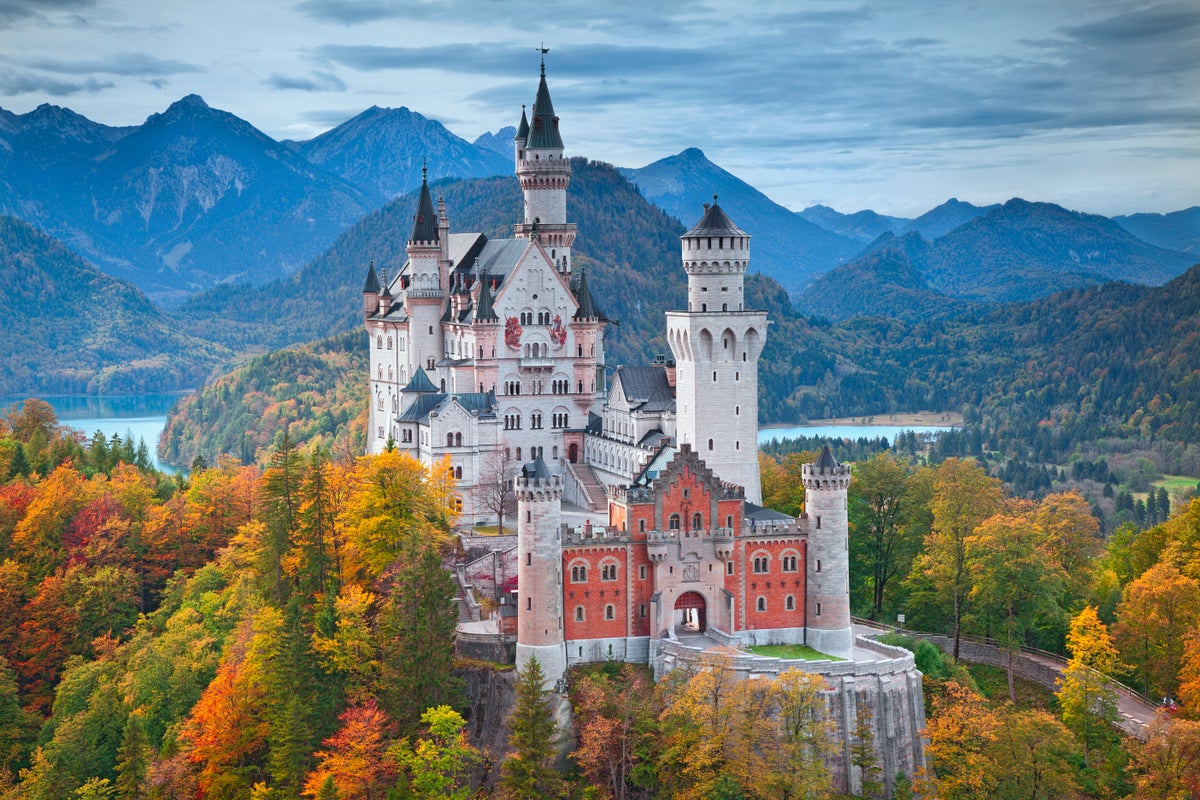
These sites demonstrate that heritage is not limited to monumental palaces or ancient ruins. It can include landscapes, technological systems, modern architecture and places shaped by the relationship between people and their environment.
This broader understanding of heritage matters because architecture is never only physical. A building can preserve social values, political histories, craftsmanship and collective identity. A landscape can contain generations of knowledge about food, water, movement and survival.
Heritage protection therefore raises a deeper question: what does a society decide is worth carrying into the future?
The answer increasingly includes not only exceptional objects, but networks of meaning. UNESCO describes World Heritage as a legacy inherited from the past, lived with in the present and passed to future generations. Preservation is consequently not passive. It is an active negotiation between memory, development and responsibility.
Shared Space for a Mobile Generation
The renewed interest in hostels, co-living spaces and flexible accommodation reflects another transformation: home is becoming less closely tied to a single permanent address.
Remote workers, students, migrants and long-term travellers increasingly move between cities while maintaining digital, professional and social networks across borders. For these modern nomads, architecture must provide more than temporary shelter.
Shared kitchens, courtyards, work areas and communal lounges can determine whether a temporary residence feels anonymous or becomes a place of belonging. Good shared-space design creates opportunities for spontaneous encounters while still protecting privacy and individual autonomy.
The challenge is not to force community through constant openness. It is to create different degrees of interaction: spaces for meeting, spaces for observation and spaces for retreat.
This architecture recognises that belonging can be temporary without being superficial. A person may stay for days rather than decades, yet still form meaningful connections with a place and its people.
From Desert Routes to Global Cultural Networks
The planned opening of Frank Gehry’s Guggenheim Abu Dhabi on 11 December 2026 adds another dimension to this discussion.
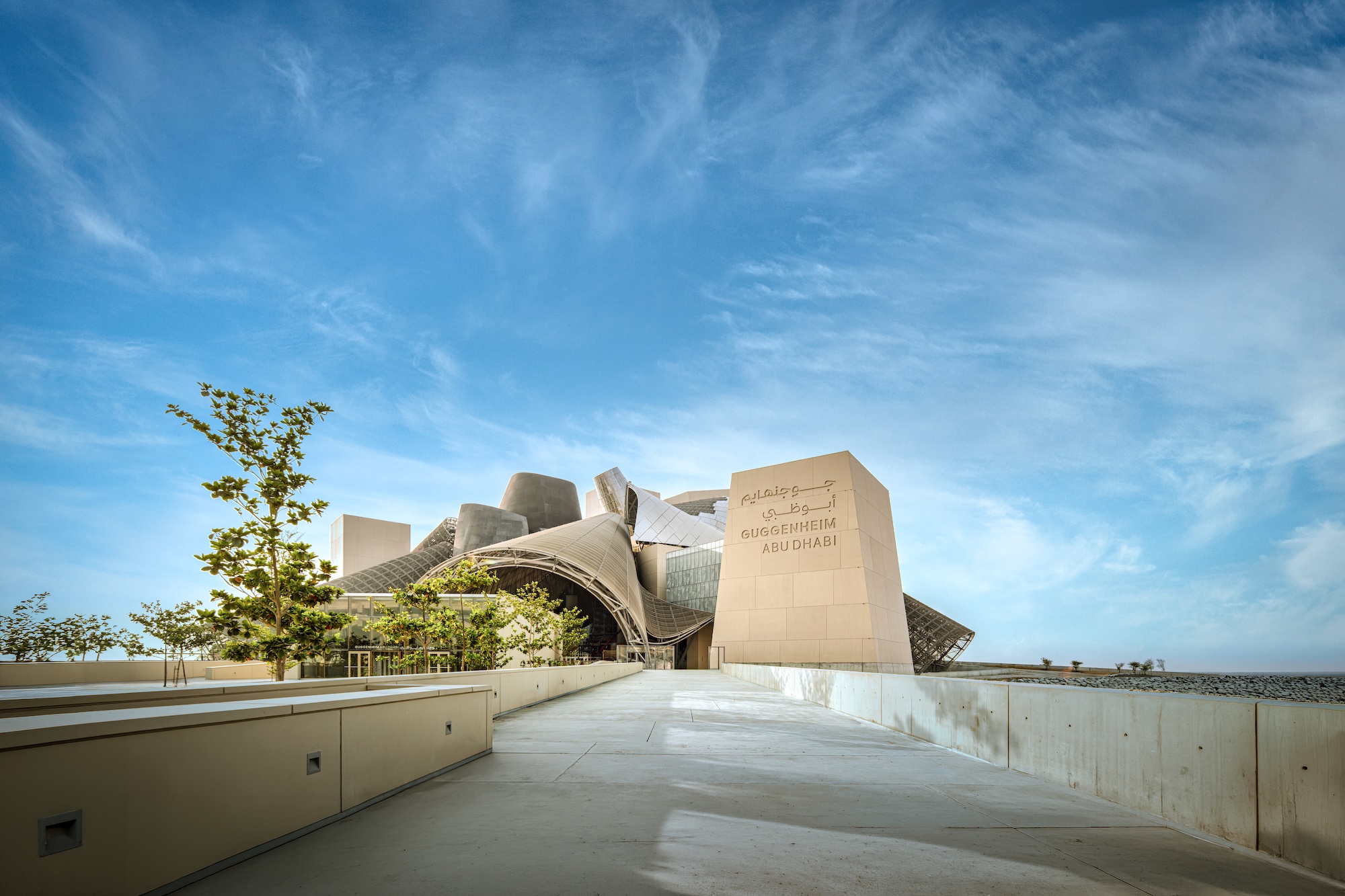
Located on Saadiyat Island, the museum is expected to include 30 galleries and become part of a wider cultural district connecting institutions, visitors, artists and global collections.
Its arrival demonstrates how contemporary cultural architecture is increasingly designed as part of an international network. Museums are no longer only repositories for objects. They function as platforms through which cities position themselves within global conversations about culture, identity and knowledge.
But the enduring value of such institutions will depend on more than architectural spectacle. Their significance will come from the relationships they build: between global and regional histories, established institutions and emerging artists, permanent collections and changing communities.
Architecture as Continuity
Desert settlements, heritage sites, hostels and major museums may appear to belong to entirely different architectural worlds. What connects them is the question of continuity.
How can people retain identity while moving? How can societies protect memory while changing? How can buildings support community without assuming permanence?
The future of architecture may depend less on resisting change and more on creating structures capable of carrying meaning through it.
The oasis teaches that survival depends on networks. Heritage teaches that memory requires active stewardship. Shared accommodation shows that belonging can be created between strangers. Cultural institutions demonstrate that architecture can connect local identity with global exchange.
Architecture, viewed this way, is not merely the art of constructing permanent objects. It is the practice of creating conditions through which life, knowledge and community can continue.


