


citiesabc, Cities
Best Cities to Visit in Italy: A Ultimate Guide for Travelers
15 Jul 2026

The best cities to visit in Italy depend on your travel style, but Rome, Florence, Venice, Milan, Naples, Bologna, Verona, Turin, Palermo, and Siena offer the strongest mix of history, food, art, walkability, transport access, and day-trip potential.
For a first trip, focus on Rome, Florence, and Venice. For food and a more local city-break feel, add Bologna or Naples. For design, shopping, and northern Italy connections, choose Milan or Turin. For a southern Italy or Sicily itinerary, Palermo gives you a very different cultural experience from the classic Rome–Florence–Venice route.
Key Takeaways
- Best overall first-time route: Rome, Florence, Venice.
- Best food cities: Bologna, Naples, Palermo.
- Best for art: Florence, Rome, Milan, Venice.
- Best for romance: Venice, Verona, Siena.
- Best for fewer “checklist tourism” days: Turin, Bologna, Siena.
- Best base for train travel: Bologna, Milan, Florence, Rome.
- Important 2026 update: Venice has official Access Fee application dates for day visitors on selected dates from April to July 2026, and travelers should check the official Venice Access Fee site before visiting.
Read More:
Top 10 Best Cities to Live In the World
Best Cities to Visit in Italy at a Glance
| City | Best For | Suggested Stay | Good For First-Time Visitors? | Main Caution |
|---|---|---|---|---|
| Rome | Ancient history, churches, neighborhoods | 3–4 days | Yes | Crowds and long walking days |
| Florence | Renaissance art, architecture, Tuscany | 2–3 days | Yes | Museum reservations needed |
| Venice | Canals, romance, atmosphere | 2–3 days | Yes | Day-tripper fees and overtourism |
| Milan | Design, fashion, modern Italy | 1–2 days | Yes, with interest fit | Can feel less “classic Italy” |
| Naples | Food, street life, Pompeii access | 2–3 days | Yes, for confident travelers | Busy, intense urban energy |
| Bologna | Food, porticoes, easy rail base | 2 days | Yes | Less famous “wow” sightseeing |
| Verona | Romance, opera, Roman heritage | 1–2 days | Yes | Peak event-season crowds |
| Turin | Palaces, cafés, museums, Alps | 2 days | Great repeat-trip choice | Often overlooked on short trips |
| Palermo | Sicily, markets, Arab-Norman heritage | 2–3 days | Better for second trips | Needs more regional planning |
| Siena | Medieval streets, Tuscany charm | 1–2 days | Yes | Smaller city; limited big-city pace |
1. Rome: Best Overall City for First-Time Visitors
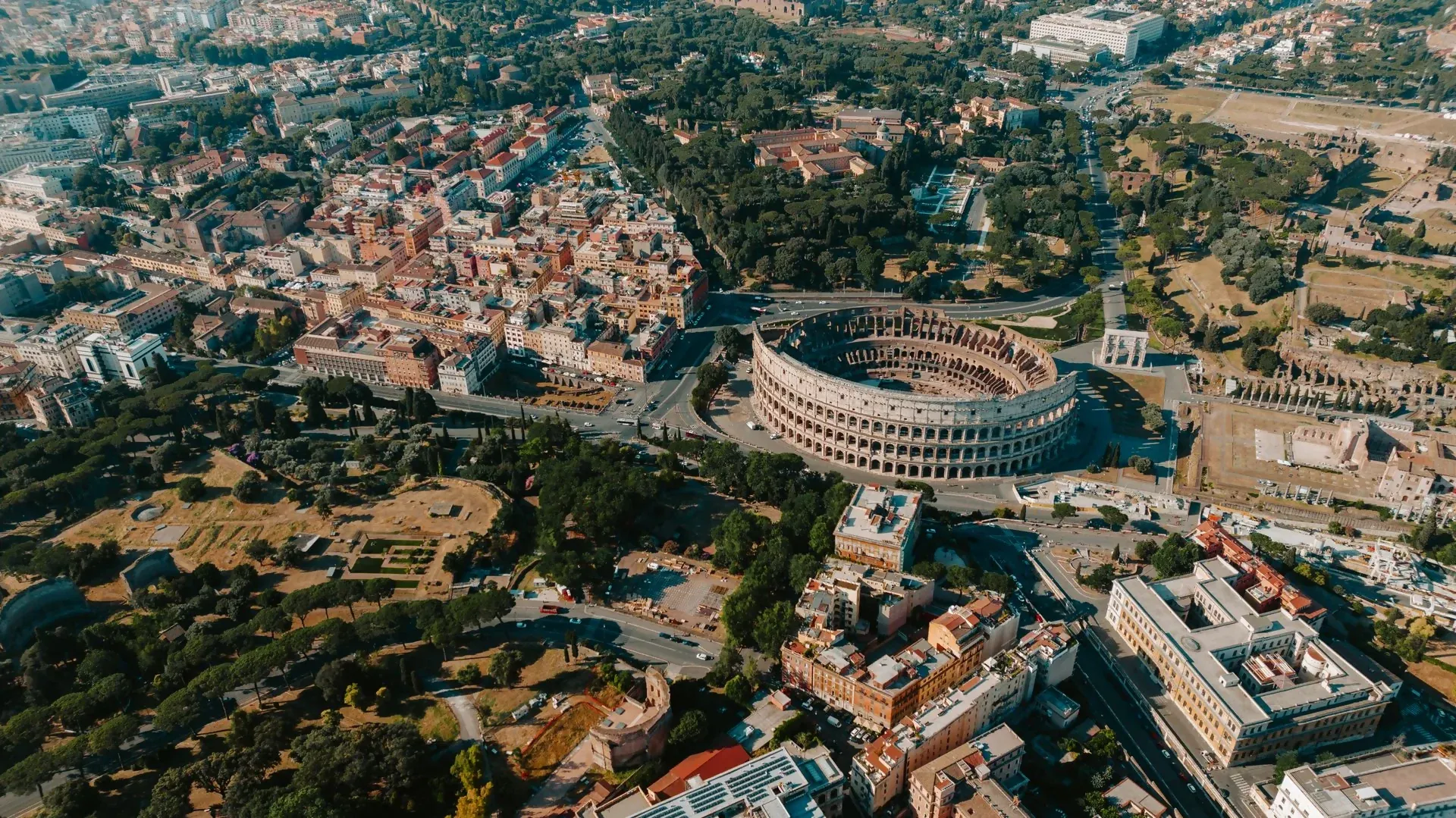
Rome is the best city to visit in Italy if you want the widest range of history in one place. Ancient ruins, Renaissance churches, Baroque piazzas, Vatican-area museums, neighborhood trattorias, and quiet side streets all sit inside one huge, layered capital.
UNESCO describes Rome’s historic center as a complex property that includes archaeological areas integrated into the urban fabric, which explains why the city often feels like an open-air museum rather than a destination built around one attraction.
What to Do in Rome
Start with the Colosseum, Roman Forum, Palatine Hill, Pantheon, Piazza Navona, Trevi Fountain, and Trastevere. Then slow down. Rome rewards travelers who leave space for small churches, evening walks, local markets, and long lunches.
For the Colosseum, use the official ticketing page linked by the archaeological park rather than random third-party sellers. Opening hours, official booking rules, and free-entry dates can change, so check before publishing or traveling.
Best For
Rome is ideal for first-time visitors, history lovers, families, religious travelers, and anyone who wants one city that can carry an entire trip.
Who Might Skip It
Travelers looking for a quiet, compact, low-crowd city may prefer Siena, Turin, Bologna, or Verona.
2. Florence: Best City for Renaissance Art and Walkable Beauty
Florence is one of the best cities in Italy for art, architecture, and first-time travelers who want a compact historic center. The Duomo, Uffizi Gallery, Ponte Vecchio, Palazzo Vecchio, Santa Croce, and Boboli Gardens are all close enough to combine without constant transport.
UNESCO notes that Florence became a symbol of the Renaissance during the Medici period and that its historic center is bounded by the remains of 14th-century walls.
What to Do in Florence
Visit the Duomo area early, reserve major museums when possible, walk across the Arno to Oltrarno, and watch sunset from Piazzale Michelangelo. Florence also works well as a base for day trips to Pisa, Lucca, Siena, San Gimignano, or the Tuscan countryside.
Best For
Florence is best for art lovers, couples, first-time Italy itineraries, and travelers who want beauty without needing a large-city transport plan.
Who Might Skip It
If you dislike museum-heavy itineraries or dense tourist centers, Bologna or Turin may feel more relaxed.
3. Venice: Best City for Romance, Atmosphere, and Car-Free Wandering
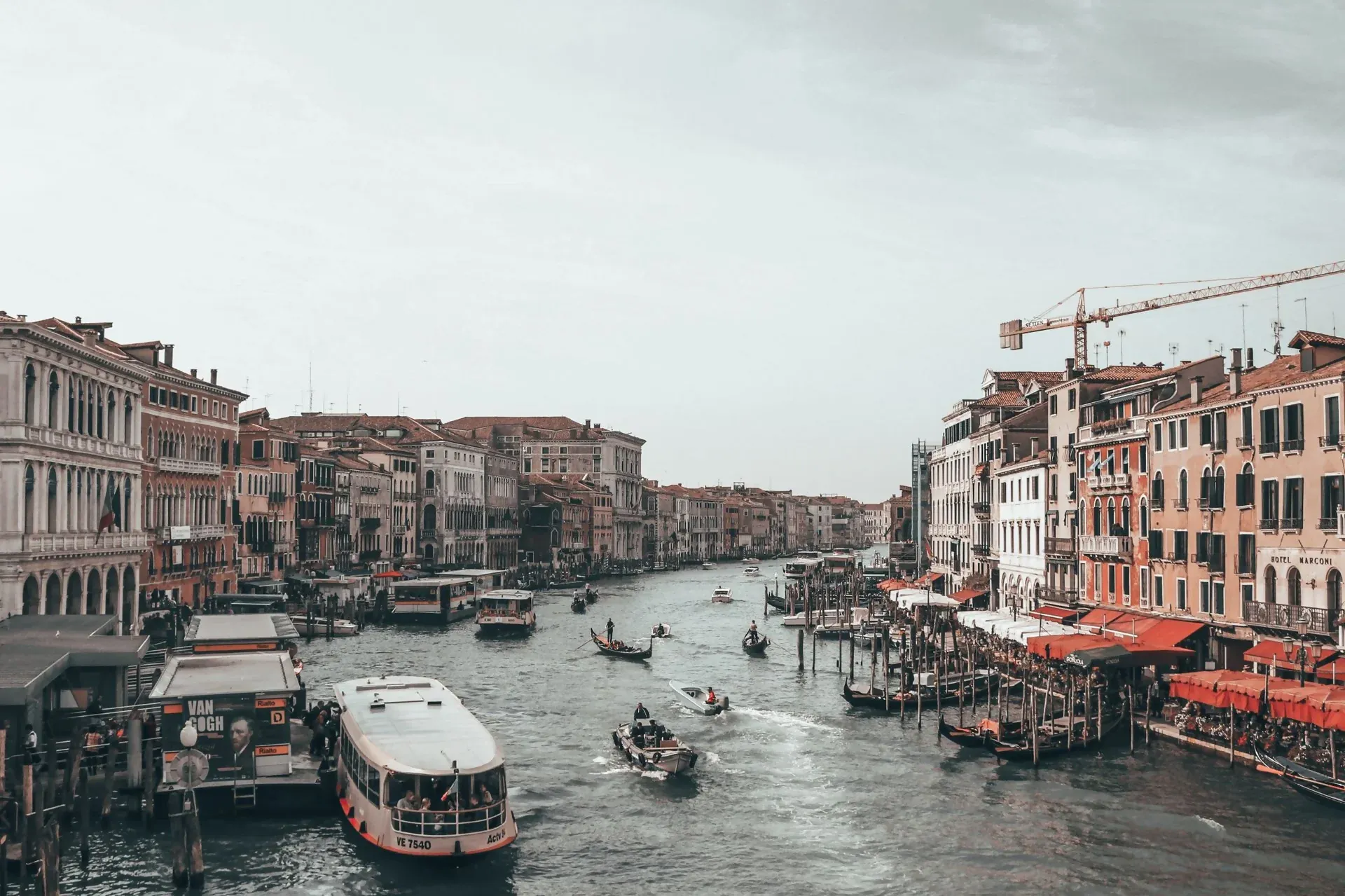
Venice is unlike any other major Italian city. Its canals, bridges, lagoon setting, palaces, and quiet early-morning lanes create a city that is best experienced slowly.
UNESCO describes Venice and its lagoon as a World Heritage property spread over 118 small islands, with the city itself forming an extraordinary architectural ensemble.
What to Do in Venice
See St. Mark’s Square, Doge’s Palace, Rialto, the Grand Canal, Cannaregio, Dorsoduro, and the lagoon islands if time allows. Stay overnight if your budget allows; Venice is calmer before day-trippers arrive and after many groups leave.
Important 2026 Venice Access Fee Note
Venice’s official Access Fee system applies to certain day visitors on selected dates and times. For 2026, the official site says application dates begin on April 3, with scheduled dates across April, May, June, and July, generally from 8:30 a.m. to 4:00 p.m. The official Access Fee page lists €5 for early payment and €10 for later payment, but travelers should verify the current rules, exemptions, and calendar before arrival.
Best For
Venice is best for couples, photographers, architecture lovers, and travelers who value mood and setting as much as sightseeing.
Who Might Skip It
Travelers on a tight budget or those who strongly dislike crowds may prefer Verona, Bologna, Turin, or staying in nearby Padua while visiting Venice carefully.
4. Milan: Best City for Design, Fashion, and Modern Italy
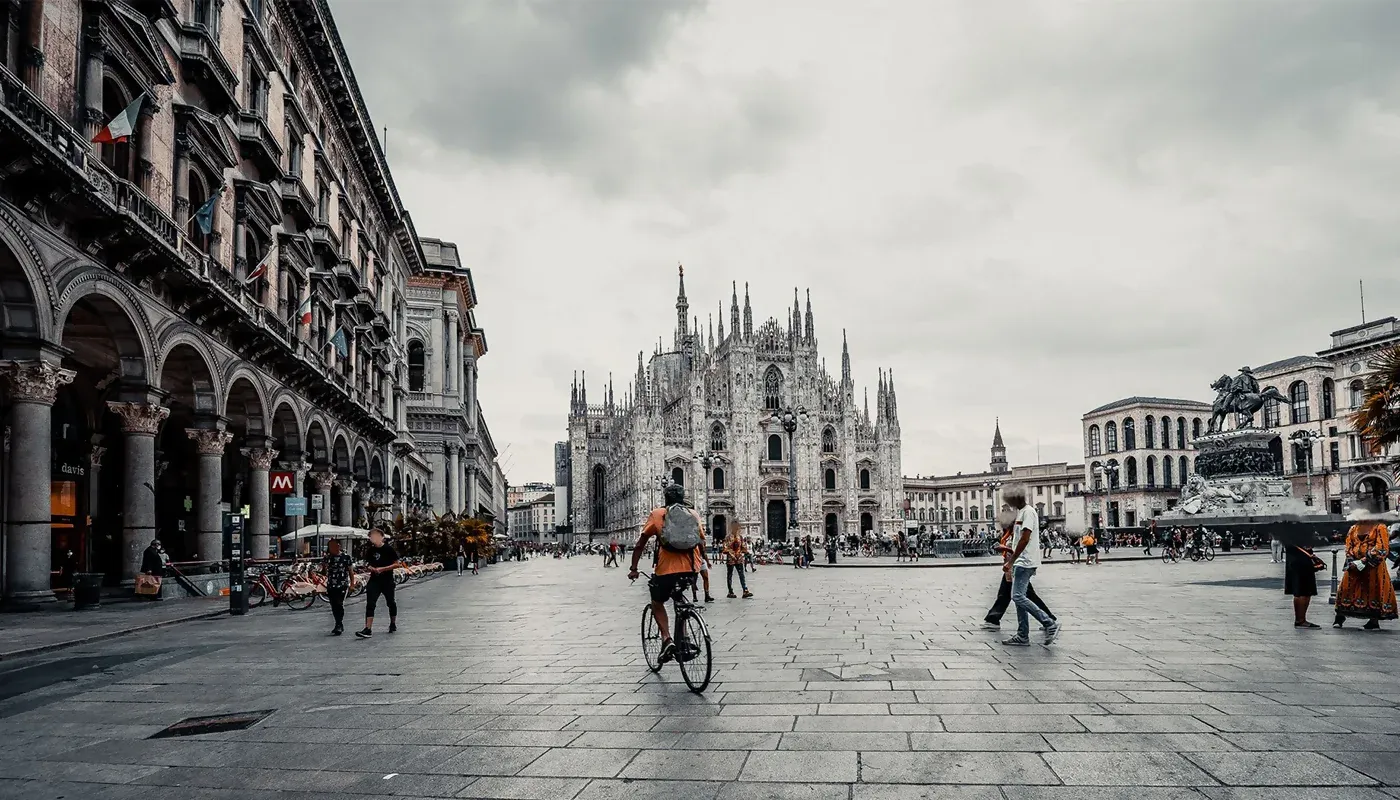
Milan is sometimes underrated by travelers who expect every Italian city to feel ancient and romantic. Its appeal is different: design, fashion, business energy, elegant neighborhoods, contemporary art, aperitivo culture, and excellent transport links.
Milan also has one of Italy’s most important art stops: Leonardo da Vinci’s The Last Supper at Santa Maria delle Grazie, a UNESCO World Heritage site. UNESCO identifies the refectory with The Last Supper as part of the Santa Maria delle Grazie complex.
What to Do in Milan
Visit the Duomo, Galleria Vittorio Emanuele II, Brera, Navigli, Sforza Castle, and Santa Maria delle Grazie. If you want to see The Last Supper, book through the official museum channel and verify reservation rules because availability is limited and procedures can change.
Best For
Milan is best for design lovers, shoppers, business travelers, repeat visitors, and anyone planning to continue to Lake Como, Turin, Verona, or Switzerland.
Who Might Skip It
If your dream Italy trip is mostly medieval lanes, ancient ruins, and slow village scenery, Milan may work better as a short stop than a main destination.
5. Naples: Best City for Food, Energy, and Southern Italy
Naples is one of Italy’s most rewarding cities, but it is not polished in the same way as Florence or Venice. It is intense, loud, historic, creative, and deeply local.
UNESCO describes the Historic Centre of Naples as reflecting successive cultures from Greek Neapolis to the modern city, with outstanding monuments such as Santa Chiara and Castel Nuovo.
What to Do in Naples
Eat pizza, walk Spaccanapoli, visit the Naples National Archaeological Museum, explore the historic center, and use the city as a base for Pompeii, Herculaneum, Capri, or the Amalfi Coast. Naples is also a strong choice for travelers who want to understand southern Italy beyond postcard views.
Best For
Naples is best for food travelers, archaeology fans, confident city walkers, and people who enjoy cities with real local intensity.
Who Might Skip It
Travelers who want calm, order, and spotless streets may find Naples overwhelming. For a softer southern experience, consider pairing it with Sorrento or smaller coastal towns.
6. Bologna: Best City for Food and Easy Rail Connections
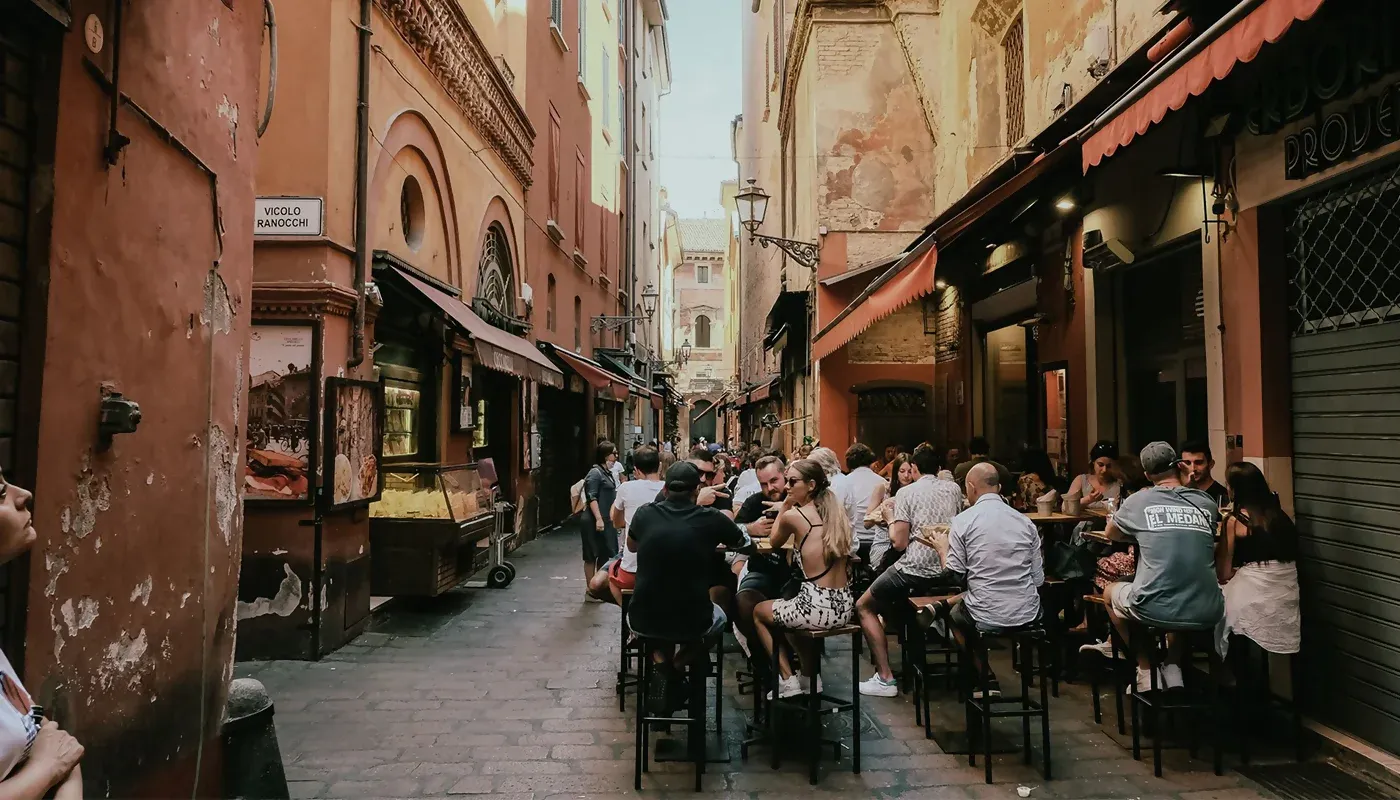
Bologna is one of the best cities to visit in Italy if you care about food, porticoes, university energy, and a less obvious city-break experience. It is also practical: its location makes it easy to combine with Florence, Milan, Venice, Verona, Parma, Modena, or Ravenna.
The Porticoes of Bologna were added to the UNESCO World Heritage List in 2021, and the official Bologna porticoes site describes the property as a serial site of 12 groups of porticoes that have shaped the city’s identity since the 12th century.
What to Do in Bologna
Walk the porticoes, explore Piazza Maggiore, visit the Quadrilatero food market area, climb or view the medieval towers, and eat regional dishes such as tagliatelle al ragù, tortellini, and mortadella.
Best For
Bologna is best for food lovers, repeat visitors, rail-based itineraries, and travelers who want a real city that still feels manageable.
Who Might Skip It
If your priority is world-famous landmarks, Bologna may feel subtler than Rome, Florence, or Venice.
7. Verona: Best City for Romance, Opera, and a Short Northern Stop
Verona is compact, elegant, and easy to enjoy in one or two days. It offers Roman history, medieval streets, riverside views, piazzas, and a romantic identity linked to Shakespeare’s Romeo and Juliet.
UNESCO notes that Verona preserves monuments from antiquity, the medieval period, and the Renaissance, and represents an outstanding example of a military stronghold.
What to Do in Verona
Visit the Arena, Piazza delle Erbe, Castelvecchio, Ponte Pietra, Torre dei Lamberti, and the Adige river viewpoints. Verona also pairs well with Lake Garda, Venice, Milan, or Bologna.
Best For
Verona is best for couples, opera fans, short city breaks, and travelers looking for a gentler alternative to Venice.
Who Might Skip It
If you have only three cities in Italy, Verona may come after Rome, Florence, and Venice unless romance or opera is central to your trip.
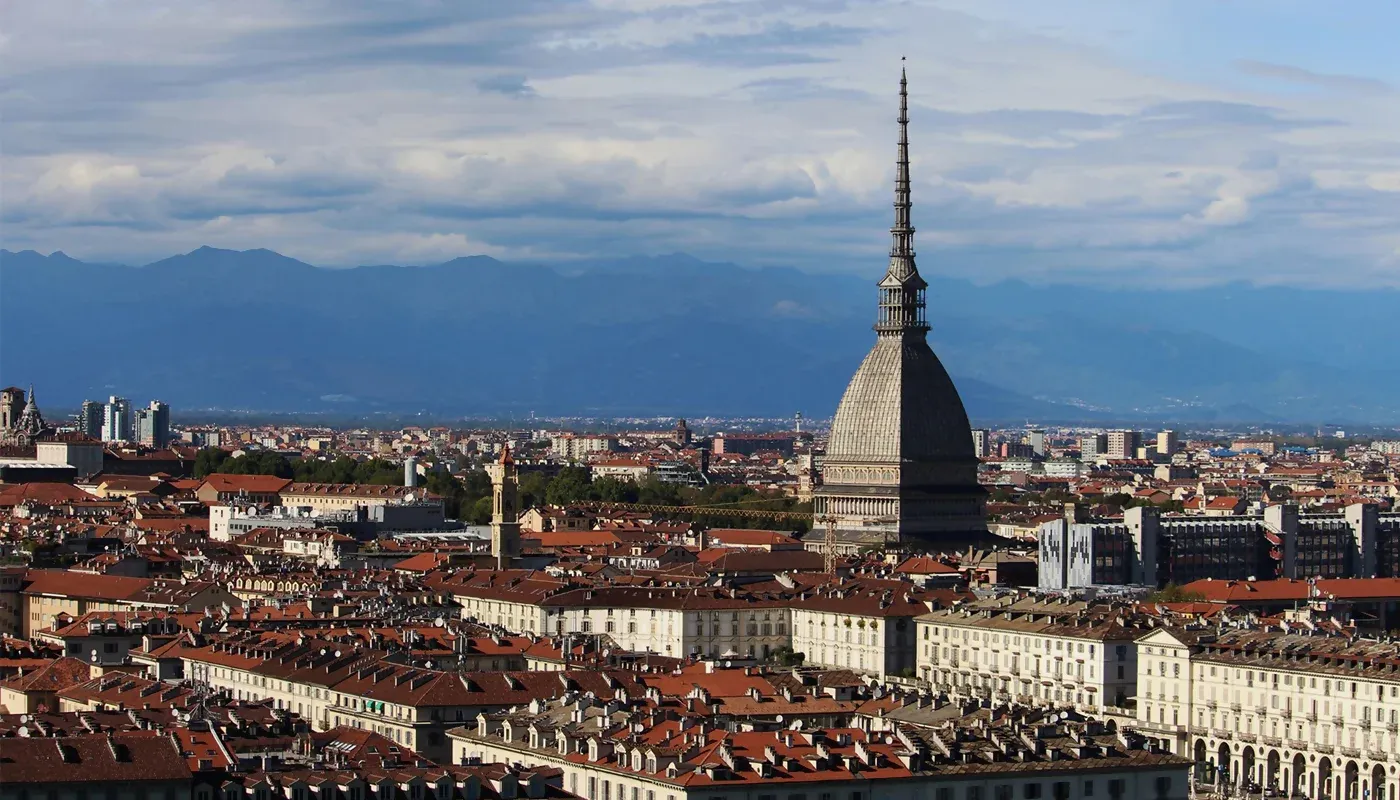
8. Turin: Best City for Palaces, Cafés, Museums, and Northern Elegance
Turin feels different from Italy’s central and southern cities. It has grand boulevards, historic cafés, Savoy palaces, chocolate culture, excellent museums, and Alpine views in clear weather.
UNESCO lists the Residences of the Royal House of Savoy as a serial property including 22 palaces and villas in and around Turin, developed from 1562.
What to Do in Turin
Visit the Royal Palace area, Egyptian Museum, Mole Antonelliana, Piazza San Carlo, Porta Palazzo market, and historic cafés. Turin is also a good base for Piedmont food, wine regions, and mountain trips.
Best For
Turin is best for repeat Italy travelers, museum lovers, café culture, architecture, chocolate, and a more refined northern city break.
Who Might Skip It
First-time travelers with limited days may prioritize Rome, Florence, Venice, and Naples first.
9. Palermo: Best City for Sicily, Markets, and Arab-Norman Heritage
Palermo is one of the most culturally layered cities in Italy. It blends Sicilian, Arab-Norman, Byzantine, Spanish, and Mediterranean influences in its architecture, markets, food, and street life.
Italia.it describes Arab-Norman Palermo and the cathedral churches of Cefalù and Monreale as a UNESCO-listed group of nine wonders, including churches, cathedrals, buildings, and a bridge.
What to Do in Palermo
Visit Palermo Cathedral, Palazzo dei Normanni, Cappella Palatina, Quattro Canti, Ballarò or Capo market, Teatro Massimo, and nearby Monreale. Leave time for street food such as panelle, arancine, sfincione, and cannoli.
Best For
Palermo is best for food travelers, Sicily itineraries, architecture lovers, and repeat visitors who want a destination that feels very different from northern and central Italy.
Who Might Skip It
Palermo is less convenient for a short mainland Italy itinerary. It works best when you can give Sicily several days.
10. Siena: Best Small City for Medieval Atmosphere and Tuscany
Siena is smaller than most cities on this list, but it deserves a place because it gives travelers a concentrated medieval experience. Its brick streets, Gothic buildings, sloping neighborhoods, and Piazza del Campo make it one of Tuscany’s most atmospheric city stays.
UNESCO describes Siena’s historic center as a 107-hectare property defined by ancient city walls and surrounded by a large buffer zone.
What to Do in Siena
Spend time in Piazza del Campo, visit the Duomo, climb or view the Torre del Mangia, explore the contrade neighborhoods, and use Siena as a base for nearby Tuscan hill towns.
Best For
Siena is best for couples, slow travelers, photographers, medieval history fans, and visitors who want Tuscany without relying only on countryside stays.
Who Might Skip It
If you want nightlife, big museums, and frequent high-speed rail, Florence or Bologna may be more practical.
Best Italy City Combinations by Trip Length
5 Days in Italy
Choose Rome + Florence or Florence + Venice. Trying to fit Rome, Florence, and Venice into five days is possible but rushed.
7 Days in Italy
Choose Rome, Florence, and Venice for a classic first trip. Add Bologna only if you are comfortable with faster travel.
10 Days in Italy
A balanced route could be Rome, Florence, Bologna, Venice, and Milan. For a southern route, choose Rome, Naples, and Palermo with enough time for Pompeii or coastal day trips.
14 Days in Italy
Combine north, center, and south more comfortably: Milan, Verona, Venice, Bologna, Florence, Rome, and Naples. Add Palermo only if you are willing to fly or plan a separate Sicily segment.
Common Mistakes to Avoid When Choosing Italian Cities
Trying to See Too Many Cities
Italy rewards slower travel. Two nights in a city is often better than one rushed checklist day, especially in Rome, Florence, Venice, Naples, and Palermo.
Ignoring Geography
Milan to Naples is easy by high-speed train, but adding Sicily, the Dolomites, Puglia, and Tuscany in one short trip can become exhausting.
Booking Major Attractions Too Late
Some attractions require timed reservations or have limited capacity. This is especially important for places such as the Colosseum in Rome and The Last Supper in Milan.
Visiting Venice Like a Day-Trip Box to Tick
Venice is much better with at least one overnight stay. You will see a quieter side of the city in the morning and evening.
Assuming “Best” Means “Most Famous”
Rome, Florence, and Venice are famous for good reason, but Bologna, Turin, Verona, Palermo, Naples, and Siena may be better fits depending on your interests.
Practical Next Steps
- Pick your travel style first: art, food, romance, history, design, family travel, or slow travel.
- Choose no more than three main cities for one week.
- Build your route around train connections where possible.
- Reserve high-demand museums and attractions through official sites.
- Check local rules, city taxes, access fees, museum hours, strikes, and seasonal closures before final booking.
- Leave unscheduled time for neighborhoods, meals, and evening walks.
FAQs
What is the best city to visit in Italy for the first time?
Rome is usually the best first city because it combines ancient history, churches, museums, food, and neighborhood life. Florence and Venice are the best additions for a classic first Italy itinerary.
Which Italian city is best for food?
Bologna is one of the best food cities in Italy for pasta, cured meats, markets, and regional cuisine. Naples is essential for pizza and southern Italian food, while Palermo is excellent for Sicilian street food.
Is Venice worth visiting in 2026?
Yes, Venice is still worth visiting, but it requires more planning than before. Day visitors should check the official Venice Access Fee calendar, rules, exemptions, and payment requirements before arrival.
Is Milan worth visiting on a first trip to Italy?
Milan is worth visiting if you care about design, fashion, shopping, modern city life, the Duomo, or Leonardo da Vinci’s The Last Supper. If your first trip is short and focused on classic historic Italy, Rome, Florence, and Venice may come first.
What is the most beautiful city in Italy?
There is no single answer. Venice is the most visually unique, Florence is the most balanced for Renaissance beauty, Rome is the most historically layered, and Siena is one of the most atmospheric smaller cities.
Which Italian cities are easiest to visit by train?
Rome, Florence, Bologna, Milan, Naples, Turin, Verona, and Venice are among the easiest cities to combine by rail. Train schedules, routes, and fares change, so verify details through official rail operators before booking.
How many cities should I visit in Italy in one week?
For one week, two or three cities is usually enough. Rome, Florence, and Venice are possible in seven days, but Rome plus Florence or Florence plus Venice gives a slower and often more enjoyable trip.
Conclusion
The best cities to visit in Italy are not just the most famous ones. Rome, Florence, and Venice are the strongest starting points for a first trip, but Bologna, Naples, Verona, Turin, Palermo, Milan, and Siena can make your itinerary more personal, regional, and memorable.
For the best experience, choose cities by interest rather than popularity. Go to Rome for history, Florence for art, Venice for atmosphere, Bologna for food, Milan for design, Naples for energy, Verona for romance, Turin for elegance, Palermo for Sicily, and Siena for medieval Tuscany.


