
citiesabc, Cities
Best European Cities to Visit in 2026: 12 Trips for Every Traveler
16 Jul 2026

The best European cities to visit depend on your travel style, budget, season, and tolerance for crowds. For first-time visitors, Paris, Rome, Barcelona, Amsterdam, and Prague offer the most iconic mix of landmarks, food, walkability, museums, and atmosphere. For a more balanced trip with culture and easier pacing, consider Lisbon, Vienna, Copenhagen, Budapest, Edinburgh, Florence, or Seville.
This guide does not rank cities only by popularity. It compares them by what travelers actually need to decide: best fit, ideal trip length, seasonal timing, crowd level, value, accessibility, and what each city does better than the others.
Key Takeaways
Europe’s most rewarding city breaks usually combine three things: easy transport, strong neighborhoods beyond the main sights, and enough variety for both planned attractions and slow wandering.
Paris and Rome are still excellent first European trips, but they require more advance planning for museums, restaurants, and peak-season crowds. Amsterdam, Copenhagen, Vienna, and Prague are easier to navigate for shorter stays, while Lisbon, Budapest, Seville, and Porto-style southern routes often suit travelers who want food, views, and warmer weather.
For the best balance of weather and crowd control, late spring and early autumn are often better than midsummer. European tourism demand remains high, and EU tourism nights reached a record estimate in 2025, so booking earlier and choosing shoulder seasons can materially improve the experience.
Methodology: How These Cities Were Selected
These cities were selected based on practical travel-planning factors rather than popularity alone. The goal was to highlight European cities that offer a strong overall experience for different types of travelers, including first-time visitors, couples, solo travelers, food lovers, culture-focused travelers, and budget-conscious travelers.
| Factor | Why It Matters |
|---|---|
| First-time appeal | Strong landmarks, food, museums, and recognizable city identity |
| Ease of travel | Walkability, public transport, airport or rail access, compact routes |
| Value for time | Enough to do in 2–5 days without feeling rushed |
| Seasonal flexibility | Good options outside peak summer |
| Cultural depth | Historic neighborhoods, local food, architecture, live events, museums |
| Crowd management | Whether the city still feels enjoyable with realistic planning |
| Best-fit clarity | Which traveler type will benefit most from each destination |
Prices, attraction hours, ticket systems, local taxes, and entry rules can change. Always verify official tourism and attraction websites before booking.
Related Contents:
top 10 biggest cities in the us
Best Cities to Visit in Asia in 2026
Best European Cities to Visit at a Glance
| City | Best For | Ideal Stay | Crowd Level | Budget Feel |
|---|---|---|---|---|
| Paris | First-timers, art, food, romance | 4–5 days | High | High |
| Rome | Ancient history, food, major landmarks | 4–5 days | High | Medium–High |
| Barcelona | Architecture, beach-city mix, nightlife | 3–4 days | High | Medium–High |
| Amsterdam | Canals, museums, easy short breaks | 3–4 days | High | High |
| Prague | Fairytale streets, history, value | 3 days | Medium–High | Medium |
| Lisbon | Views, food, warm weather, relaxed pace | 3–4 days | Medium–High | Medium |
| Vienna | Museums, music, palaces, comfort | 3–4 days | Medium | Medium–High |
| Florence | Renaissance art, walkability, Tuscany add-ons | 2–4 days | High | Medium–High |
| Copenhagen | Design, cycling, food, clean urban life | 3 days | Medium | High |
| Budapest | Thermal baths, nightlife, architecture | 3–4 days | Medium | Medium |
| Edinburgh | Castles, festivals, literary atmosphere | 2–4 days | Medium–High | Medium–High |
| Seville | Flamenco, tapas, warm shoulder seasons | 3 days | Medium | Medium |
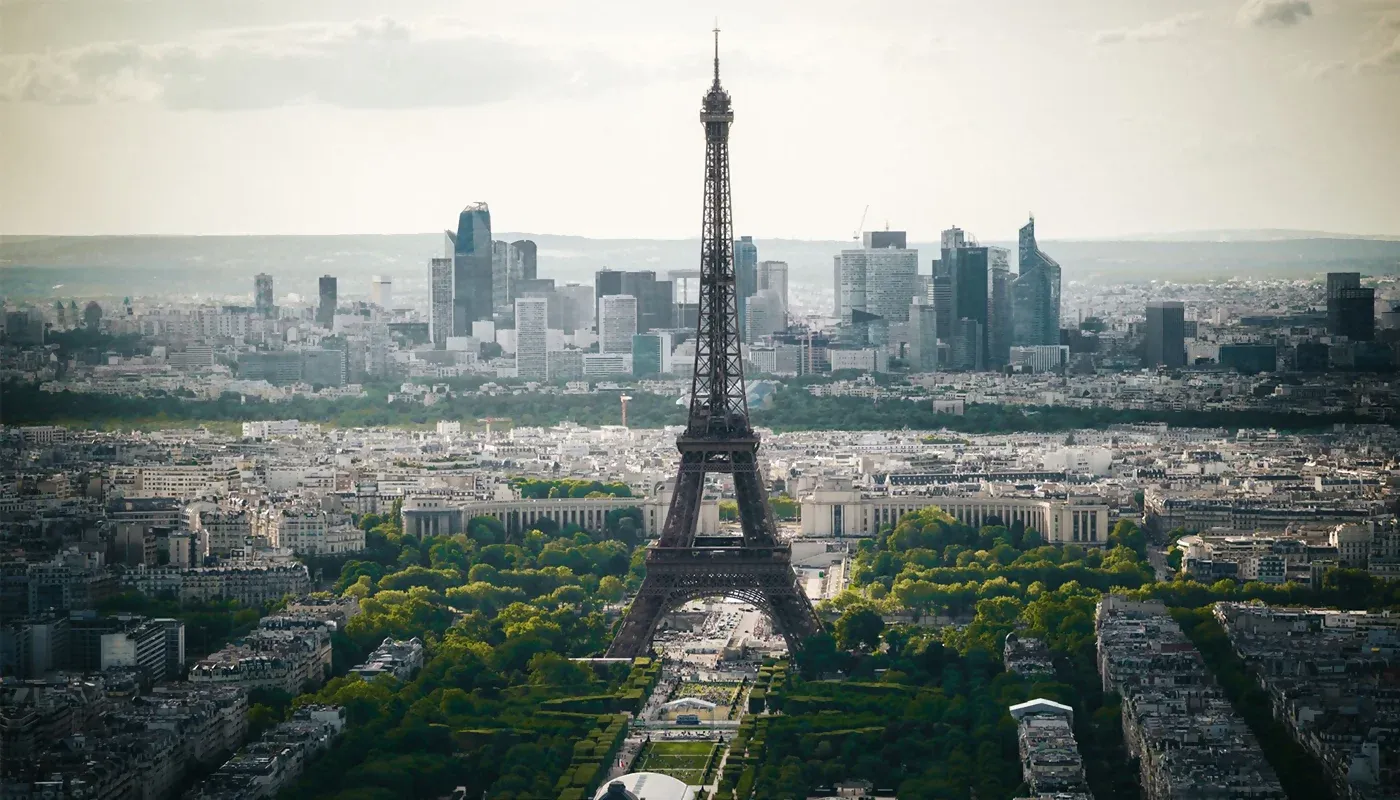
1. Paris, France — Best for First-Time European Travel
Paris remains one of the best European cities to visit because it delivers the classic city-break formula better than almost anywhere: major landmarks, world-class museums, neighborhood cafés, river walks, fashion, gardens, and memorable food.
The smartest way to enjoy Paris is not to chase every famous sight in one trip. Build your days around one anchor area at a time: the Seine and Île de la Cité, the Louvre and Palais Royal, Saint-Germain, Le Marais, Montmartre, or the Eiffel Tower area. The official Paris tourism site highlights museums, the Eiffel Tower, Seine cruises, cycling and walking tours as core trip-planning options.
Best for: first-time visitors, couples, museum lovers, food-focused travelers
Avoid if: you want a low-cost, low-crowd trip without planning
Best time to visit: April–June and September–October
Do not miss: Eiffel Tower area, Louvre or Musée d’Orsay, Montmartre, Le Marais, Luxembourg Gardens
Practical tip
Book major museum and tower tickets in advance, but leave room for unplanned neighborhood time. Paris is often better when it is not treated like a checklist.
2. Rome, Italy — Best for Ancient History and Food
Rome is ideal for travelers who want a city where ancient ruins, churches, piazzas, fountains, and casual food culture overlap in everyday life. It is one of Europe’s strongest choices for history because the Colosseum, Roman Forum, Pantheon, Vatican Museums, and baroque squares can all fit into a single multi-day itinerary.
Use Rome as a layered city rather than a single attraction route. Spend one day on ancient Rome, one around the Vatican, one on historic-center wandering, and one exploring Trastevere, Testaccio, or Villa Borghese. The official Rome tourism site provides visitor information for cultural services, maps, and travel planning, while the Vatican Museums maintain their own official visitor information.
Best for: history lovers, food travelers, first-time Italy trips
Avoid if: you dislike busy streets, heat, or uneven walking surfaces
Best time to visit: March–May and October–November
Do not miss: Colosseum area, Pantheon, Piazza Navona, Vatican Museums, Trastevere
Practical tip
Rome rewards slower mornings and late dinners. Trying to schedule back-to-back major sights can make the city feel more stressful than it needs to be.
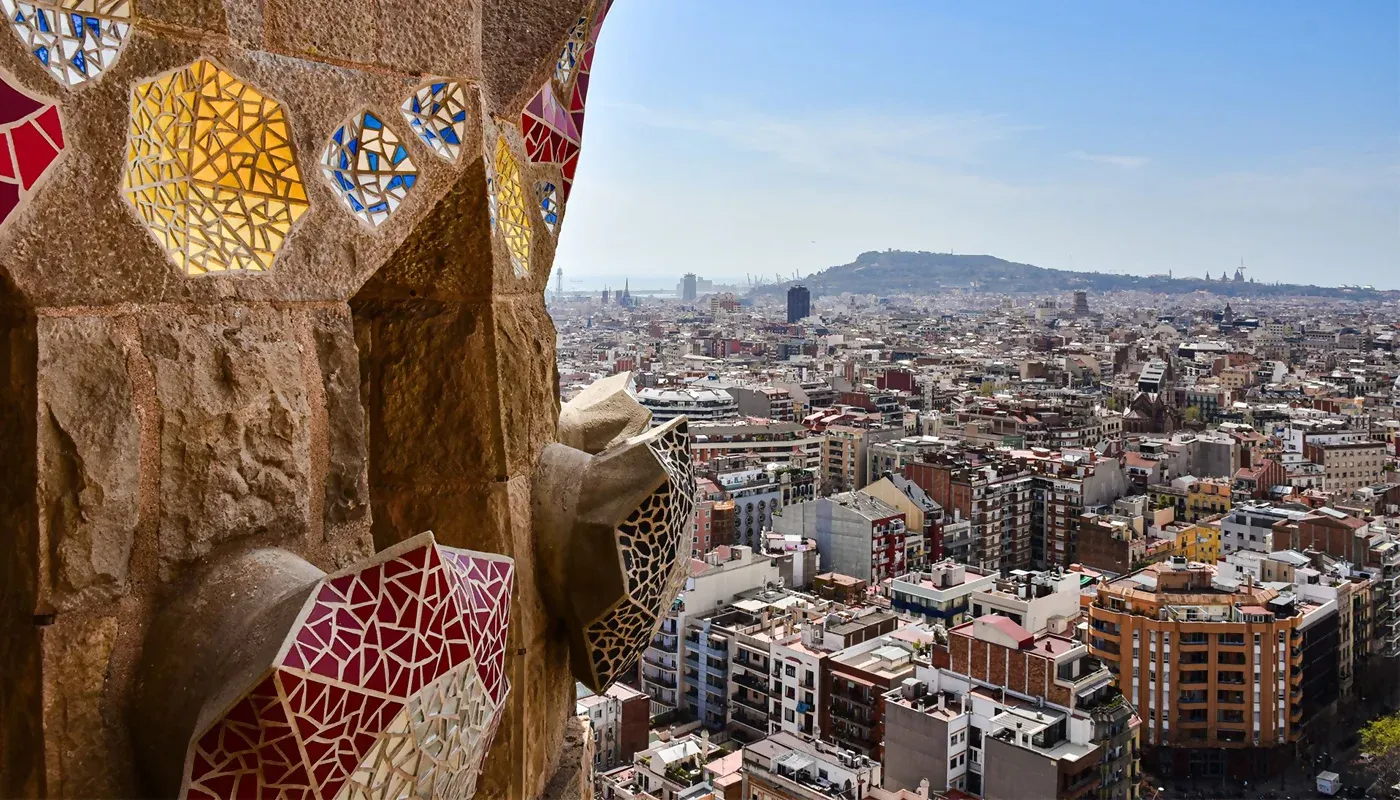
3. Barcelona, Spain — Best for Architecture, Beaches, and Energy
Barcelona is one of the best European city breaks for travelers who want architecture, food, nightlife, neighborhoods, and sea air in one trip. Gaudí’s buildings give the city a visual identity that is hard to confuse with anywhere else, while areas such as Gràcia, El Born, Eixample, and Poblenou add very different moods.
Park Güell and Casa Batlló provide official visitor information for two of the city’s most famous Gaudí-related sites. Barcelona is also a city where responsible travel matters, because heavy tourism pressure affects residential neighborhoods.
Best for: architecture fans, food lovers, nightlife, beach-city travelers
Avoid if: you want a quiet, low-tourism city center
Best time to visit: April–June and September–October
Do not miss: Sagrada Família area, Park Güell, Casa Batlló, Gothic Quarter, Barceloneta or Poblenou
Practical tip
Stay near a metro line but not necessarily on La Rambla. You will usually get a more local-feeling trip in Eixample, Gràcia, Sant Antoni, or Poblenou.
4. Amsterdam, Netherlands — Best for Canals, Museums, and Easy Navigation
Amsterdam works especially well for short trips because it is compact, scenic, and easy to understand quickly. The canals, cycling culture, museums, cafés, markets, and day-trip options make it a strong choice for couples, solo travelers, and first-time visitors who want a manageable European city.
The official I amsterdam guide describes the city as a resource for neighborhoods, events, museums, attractions, and practical visitor planning. Canal experiences, museums, and neighborhood exploration are core strengths.
Best for: short breaks, museums, solo travelers, couples
Avoid if: you want bargain accommodation or car-based travel
Best time to visit: April–May and September
Do not miss: Canal Ring, Rijksmuseum, Jordaan, De Pijp, ferry to Amsterdam Noord
Practical tip
Amsterdam is easy to overschedule. Choose one major museum per day, then explore nearby neighborhoods on foot or by tram.
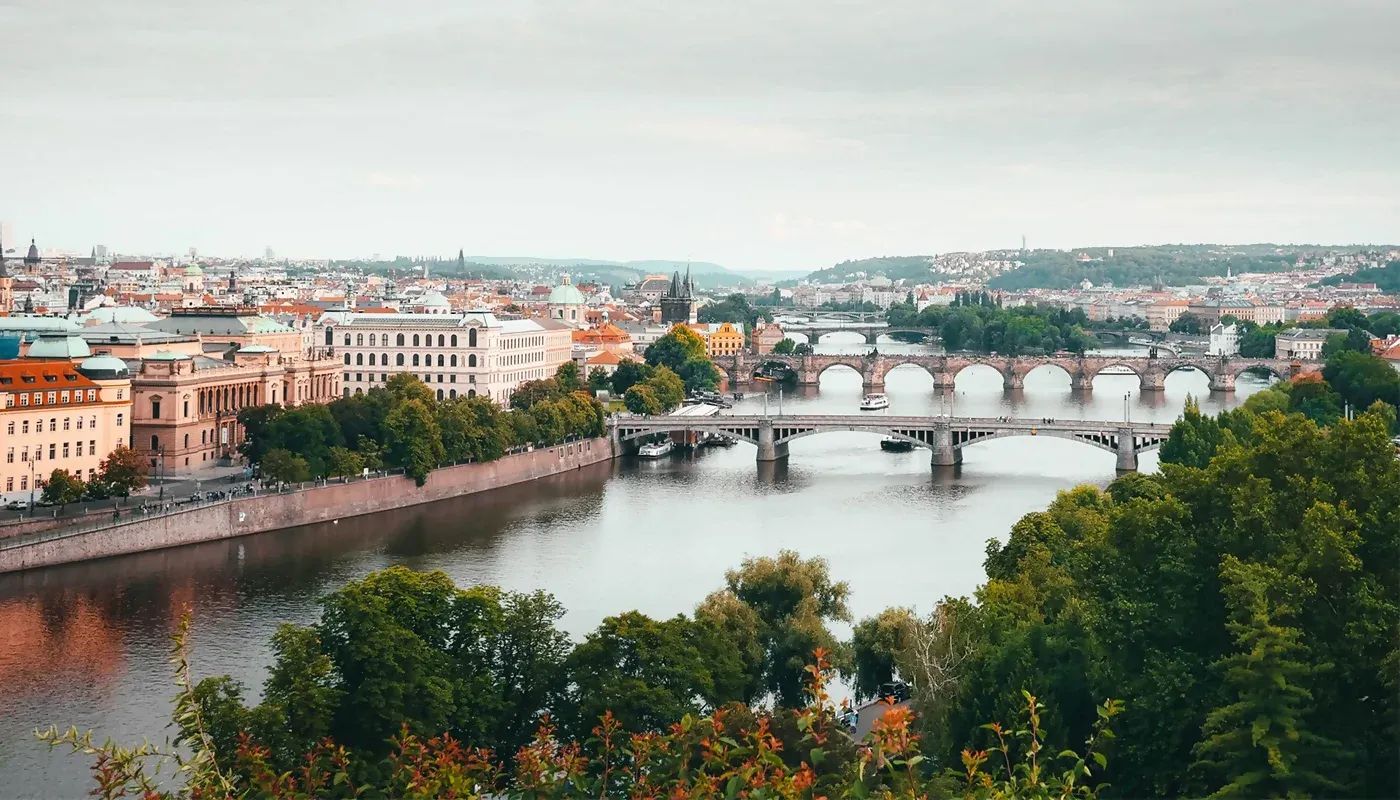
5. Prague, Czech Republic — Best for Fairytale Streets and Classic Views
Prague is one of the most beautiful European cities to visit for travelers who want historic streets, castle views, bridges, old squares, and atmospheric evenings without needing a huge itinerary. Its historic center is UNESCO-listed and includes major monuments across different periods of the city’s history, including Prague Castle and St. Vitus Cathedral.
The city is popular, especially around Charles Bridge and Old Town Square, but it still offers excellent value for travelers who explore beyond the busiest streets. Neighborhoods like Vinohrady, Karlín, and Letná add cafés, parks, and local life.
Best for: architecture, photography, couples, first-time Central Europe trips
Avoid if: you dislike crowded historic centers
Best time to visit: May, September, and early December
Do not miss: Prague Castle, Charles Bridge at sunrise, Old Town Square, Letná views, Malá Strana
Practical tip
Wake early for the most famous viewpoints, then use afternoons for less crowded neighborhoods and beer halls outside the Old Town core.
6. Lisbon, Portugal — Best for Views, Food, and Warm-Weather City Breaks
Lisbon is a strong choice if you want a European capital with hills, tiled façades, river views, seafood, pastries, viewpoints, and an easygoing pace. It is not as flat or effortless as some city breaks, but the reward is atmosphere: Alfama lanes, miradouros, Belém monuments, ferry rides, and sunsets over the Tagus.
Visit Lisboa’s official site highlights the Lisboa Card, public transportation access, and entry to museums and monuments, which can be useful for travelers planning several paid attractions.
Best for: food, viewpoints, couples, warm shoulder seasons
Avoid if: steep hills or slippery pavements are a concern
Best time to visit: March–June and September–November
Do not miss: Alfama, Belém, Chiado, Bairro Alto, LX Factory, a Tagus viewpoint
Practical tip
Do not rely only on the famous tram routes at peak times. Walk early, use metro and buses strategically, and consider less crowded viewpoints.

7. Vienna, Austria — Best for Museums, Music, and Elegant Comfort
Vienna is one of Europe’s best cities for travelers who want culture without chaos. It offers imperial architecture, classical music, museums, coffeehouses, parks, and efficient public transport. Compared with Paris or Rome, it can feel calmer and easier to organize.
The official Vienna travel guide covers attractions, events, hotels, the Vienna City Card, music, stage shows, and major sights. The city is especially strong for museum-heavy trips and travelers who prefer a polished, comfortable base.
Best for: museums, classical music, architecture, mature travelers, winter trips
Avoid if: you want beach energy or late-night street chaos
Best time to visit: April–June, September–October, and December
Do not miss: Schönbrunn Palace, Kunsthistorisches Museum, Innere Stadt, Belvedere, coffeehouses
Practical tip
Vienna is ideal in poor weather because so many highlights are indoors. It is a smart choice for winter, rainy shoulder seasons, or museum-focused itineraries.
8. Florence, Italy — Best for Renaissance Art and Walkable Beauty
Florence is compact, intense, and packed with artistic significance. It is one of the best European cities to visit if you want a short trip that still feels culturally rich. The Uffizi, Duomo complex, Ponte Vecchio, Santa Croce, artisan streets, and Tuscan food make it rewarding even in two or three days.
The Uffizi Galleries and Florence Duomo ticketing sites provide official information for two of the city’s biggest attractions. Timed entry and advance planning are important because Florence can feel crowded in peak periods.
Best for: art lovers, couples, Italy itineraries, compact city breaks
Avoid if: you want quiet streets in peak season
Best time to visit: April–May and October–November
Do not miss: Uffizi, Duomo, Oltrarno, Piazzale Michelangelo, Santa Croce
Practical tip
Florence is small enough to walk, but museum fatigue is real. Balance one major art site with one outdoor viewpoint or food-focused neighborhood each day.
9. Copenhagen, Denmark — Best for Design, Cycling, and Modern Urban Life
Copenhagen is one of the best European cities to visit if your idea of travel includes design shops, bakeries, harbor swimming areas, cycling, clean public spaces, and strong food culture. It is expensive, but it is also one of the easiest cities on this list to enjoy without a complicated itinerary.
Copenhagen’s city resources describe cycling as one of the easiest, cheapest, and greenest ways to get around, and the city has extensive cycle tracks and green cycling routes.
Best for: design lovers, cyclists, food travelers, clean and calm city breaks
Avoid if: you are on a tight budget
Best time to visit: May–September
Do not miss: Nyhavn, Vesterbro, Nørrebro, Christianshavn, Designmuseum Denmark, harbor areas
Practical tip
Rent a bike only if you are comfortable riding in urban traffic. Otherwise, combine walking, metro, harbor buses, and short guided routes.
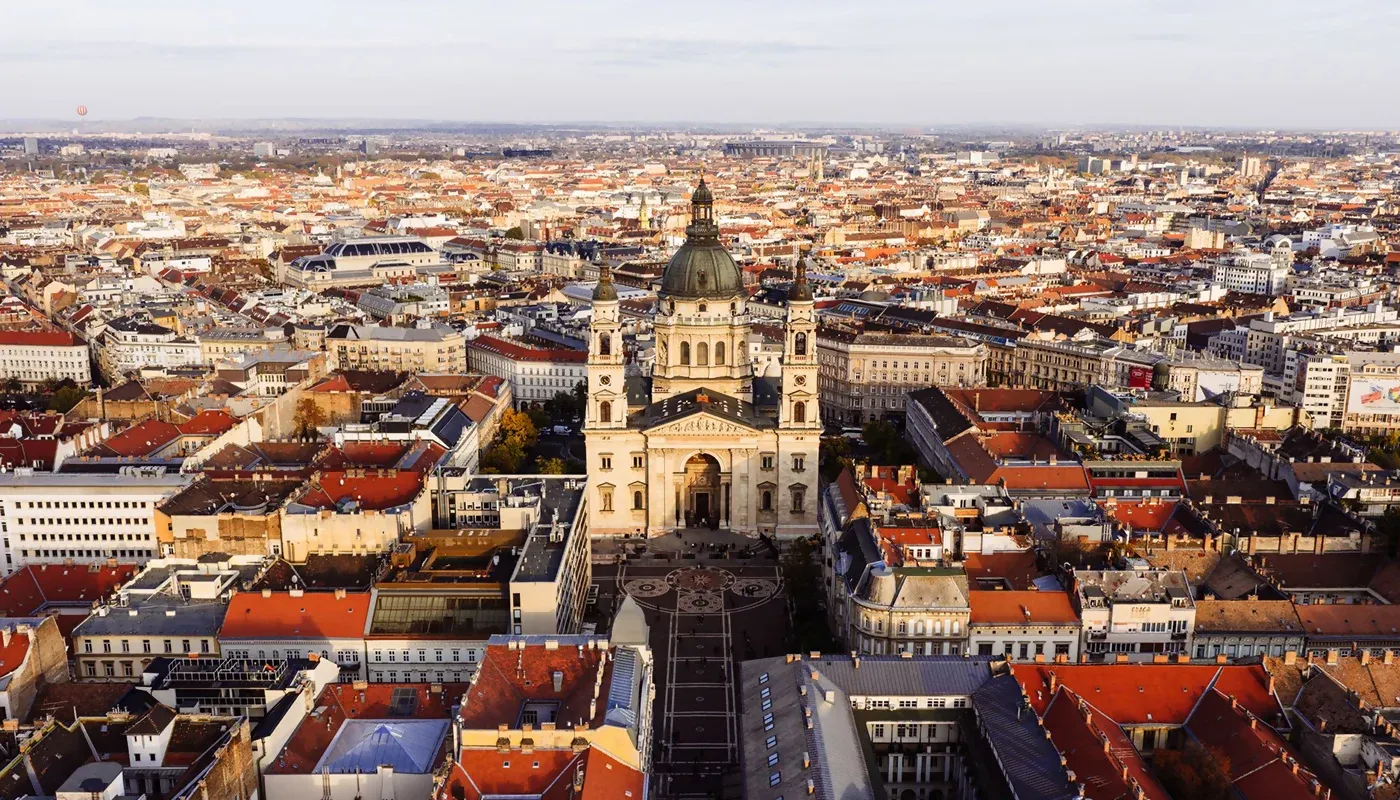
10. Budapest, Hungary — Best for Thermal Baths, Nightlife, and Grand Architecture
Budapest offers a powerful mix of architecture, river views, thermal baths, cafés, nightlife, and history. It is often better value than many Western European capitals, though prices can vary by season and neighborhood.
Thermal bathing is a major reason to visit. Széchenyi Baths describes itself as one of Europe’s largest spa bath complexes, with indoor and outdoor pools, saunas, and steam rooms.
Best for: spa culture, nightlife, architecture, value-conscious travelers
Avoid if: you want a small, quiet old-town experience
Best time to visit: April–June and September–October
Do not miss: Buda Castle area, Parliament views, Széchenyi Baths, ruin bars, Danube riverfront
Practical tip
Split your stay mentally between Buda and Pest. Buda gives views and historic calm; Pest gives restaurants, nightlife, markets, and urban energy.
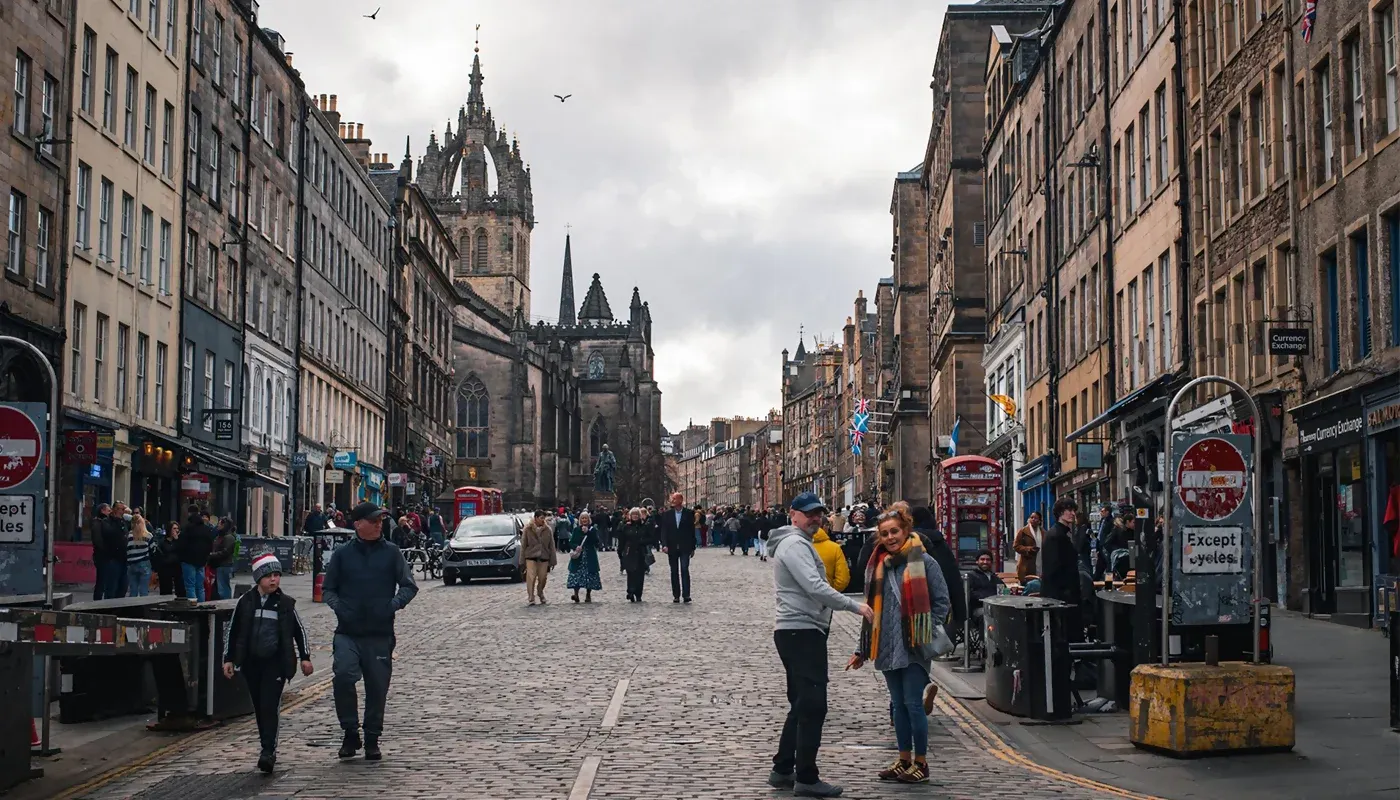
11. Edinburgh, Scotland — Best for Castles, Festivals, and Literary Atmosphere
Edinburgh feels different from many continental European city breaks. It has dramatic hills, a medieval-feeling Old Town, Georgian New Town, castle views, whisky bars, literary history, and access to coastal or Highland day trips.
The official Edinburgh guide covers experiences, accommodation, food and drink, events, festivals, and things to do, while Edinburgh Castle’s official site recommends advance booking because tickets can sell out far ahead.
Best for: history, festivals, solo travelers, atmospheric walking trips
Avoid if: you need reliably warm weather
Best time to visit: May–June and September; August for festivals if you book early
Do not miss: Edinburgh Castle, Royal Mile, Arthur’s Seat, New Town, Dean Village
Practical tip
Festival season is exciting but expensive and crowded. For a calmer version of Edinburgh, travel just before or after the main August rush.
12. Seville, Spain — Best for Flamenco, Tapas, and Shoulder-Season Sun
Seville is one of the best European cities to visit outside peak summer. It offers orange-tree plazas, Moorish-influenced architecture, tapas bars, flamenco, royal palaces, river walks, and warm light that makes the city feel cinematic.
Visit Sevilla’s official tourism site highlights culture, festivals, monuments, museums, shopping, eating out, and trip planning. The Real Alcázar and Seville Cathedral also provide official visitor and ticket information.
Best for: food, culture, couples, warm spring or autumn trips
Avoid if: you are sensitive to high heat in summer
Best time to visit: March–May and October–November
Do not miss: Real Alcázar, Seville Cathedral and Giralda, Santa Cruz, Triana, Plaza de España
Practical tip
Seville is best enjoyed slowly. Plan major monuments early in the day, then use evenings for tapas, flamenco, and neighborhood wandering.
Best European Cities by Traveler Type
Best for First-Time Visitors
Paris, Rome, Barcelona, Amsterdam, and Prague are the safest first-trip choices because they offer strong landmarks, easy travel infrastructure, and plenty of English-language visitor information.
Best for Couples
Paris, Florence, Lisbon, Prague, and Seville work especially well for couples because they combine scenic walks, food, historic streets, and evening atmosphere.
Best for Solo Travelers
Amsterdam, Vienna, Copenhagen, Edinburgh, and Prague are strong solo options thanks to walkability, public transport, museums, cafés, and manageable trip planning.
Best for Food Lovers
Rome, Paris, Barcelona, Lisbon, Seville, Copenhagen, and Budapest all offer distinctive food scenes, but in different ways. Rome and Seville are better for casual eating; Paris and Copenhagen are stronger for reservation-driven dining; Lisbon and Budapest can suit travelers looking for variety and value.
Best for Budget-Conscious Travelers
Prague, Budapest, Lisbon, and Seville often feel more manageable than Paris, Amsterdam, Copenhagen, or Florence. Still, accommodation prices can rise sharply during events, holidays, and peak seasons, so compare current rates before deciding.
Cities That Almost Made the List
Venice, Porto, Berlin, Madrid, Kraków, Munich, Ljubljana, Salzburg, and Dubrovnik can all be excellent choices. They were not excluded because they are weak destinations; they simply fit more specific trip types.
Venice, for example, is extraordinary but requires careful timing because visitor-management rules and access-fee requirements may apply on scheduled days. Travelers should check the official Venezia Unica access-fee site before planning a day visit.
How to Choose the Right European City for Your Trip
Start with the trip you actually want, not the city that appears most often on social media.
Choose Paris or Rome if this is your first major Europe trip and you want iconic landmarks. Choose Amsterdam, Vienna, Copenhagen, or Edinburgh if you want a clean, organized, short-break experience. Choose Lisbon, Seville, or Barcelona if food, warm weather, and street life matter most. Choose Florence or Prague if beauty, history, and walkability are your priorities. Choose Budapest if you want architecture, baths, nightlife, and better value.
Practical Next Steps
- Pick your travel season before picking the city. Summer changes crowd levels, hotel prices, and comfort.
- Check official attraction sites for ticket rules, closures, timed entry, and local taxes.
- Book accommodation near public transport rather than only near the most famous landmark.
- Plan one major sight per day, then build the rest around neighborhoods.
- Add one less-famous district to every itinerary to avoid spending the whole trip in tourist bottlenecks.
- Verify local rules for city taxes, access fees, short-term rental restrictions, and public transport cards.
Risks and Limitations
Travel information changes often. Museum hours, entry fees, city taxes, public transport rules, restaurant quality, neighborhood safety, and crowd patterns can shift by season or year.
Some “best city” lists overvalue popularity and undervalue comfort. A city can be famous and still be the wrong choice for your budget, mobility needs, heat tolerance, or travel style. For travelers with accessibility needs, always verify step-free transport, hotel elevators, pavement conditions, and attraction access directly with official providers before booking.
FAQs
What is the best European city to visit for the first time?
Paris is the classic first choice, but Rome, Barcelona, Amsterdam, and Prague are also excellent. Choose Paris for art and landmarks, Rome for history and food, Barcelona for architecture and beach energy, Amsterdam for easy navigation, and Prague for beauty and value.
What are the most beautiful European cities to visit?
Prague, Paris, Florence, Venice, Edinburgh, Lisbon, and Seville are often among the most visually memorable. Beauty depends on what you prefer: river views, old towns, palaces, canals, viewpoints, or dramatic skylines.
Which European city is best for a 3-day trip?
Amsterdam, Prague, Vienna, Florence, Copenhagen, Edinburgh, and Seville work especially well in three days because their main sights are relatively compact and easy to organize.
What is the best time to visit European cities?
Late spring and early autumn are often the best balance of weather, daylight, and crowd control. July and August can still be enjoyable, but popular cities are usually hotter, busier, and more expensive.
Which European cities are best for couples?
Paris, Florence, Lisbon, Prague, and Seville are excellent for couples because they offer scenic walks, restaurants, historic neighborhoods, and a slower evening atmosphere.
Which European cities are best for solo travel?
Amsterdam, Vienna, Copenhagen, Edinburgh, and Prague are good solo travel choices because they are easy to navigate, have strong public transport, and offer plenty of museums, cafés, tours, and walkable areas.
Is Europe expensive to visit?
It depends heavily on the city, season, exchange rates, accommodation type, and booking window. Paris, Amsterdam, Copenhagen, and Florence can feel expensive, while Prague, Budapest, Lisbon, and Seville may be more manageable. Always compare current hotel and flight prices before choosing.
Should I visit multiple European cities in one trip?
Yes, but avoid moving too often. For a 7-day trip, two cities are usually more enjoyable than four. For 10–14 days, three or four cities can work if rail or flight connections are simple.
Conclusion
The best European cities to visit are not just the most famous ones. They are the cities that match your timing, budget, interests, and preferred pace.
For a first big Europe trip, start with Paris, Rome, Barcelona, Amsterdam, or Prague. For culture with less friction, look at Vienna, Copenhagen, Edinburgh, or Florence. For warm light, food, and relaxed wandering, Lisbon and Seville are excellent. For architecture, thermal baths, nightlife, and value, Budapest deserves serious consideration.
A better European city break is not about seeing everything. It is about choosing the right city, planning the few things that truly need planning, and leaving enough space to enjoy the streets in between.
Share

Peyman Khosravani
Industry Expert & Contributor
Peyman Khosravani is a global blockchain and digital transformation expert with a passion for marketing, futuristic ideas, analytics insights, startup businesses, and effective communications. He has extensive experience in blockchain and DeFi projects and is committed to using technology to bring justice and fairness to society and promote freedom. Peyman has worked with international organisations to improve digital transformation strategies and data-gathering strategies that help identify customer touchpoints and sources of data that tell the story of what is happening. With his expertise in blockchain, digital transformation, marketing, analytics insights, startup businesses, and effective communications, Peyman is dedicated to helping businesses succeed in the digital age. He believes that technology can be used as a tool for positive change in the world.


