


Trading Strategies & Tech, Markets & Investing
Unlock Your Earning Potential: Discover the Best Trading App to Earn Money
24 Mar 2026

Thinking about making some extra cash with your phone? The world of trading apps has really opened up, making it easier than ever to get involved in the stock market. Whether you’re just starting out or you’ve been trading for a while, finding the best trading app to earn money can make a big difference. We’ve looked at some of the top options out there to help you figure out which one might be the best fit for you.
Key Takeaways
- Charles Schwab offers a robust platform with advanced tools, making it a top choice for overall trading.
- E*TRADE is a strong contender for free stock trading, providing useful tools for stock traders.
- Robinhood is known for its beginner-friendly interface and commission-free trades, making it accessible for new investors.
- Fidelity Investments is a good option for those focused on long-term trading, offering a solid platform.
- Webull provides commission-free trading along with helpful news updates and technical analysis tools for active traders.
1. Charles Schwab
Charles Schwab is a big name in the financial world, and their trading app is pretty solid for a lot of people. Whether you’re just starting out or you’ve been investing for a while, Schwab has tools that can help. They offer commission-free trades on stocks and ETFs, which is a big plus. Plus, you can buy fractional shares, meaning you don’t need a lot of money to start owning a piece of a company.
One of the really cool things about Schwab is that it gives you access to their thinkorswim platform, even on the mobile app. This platform is usually for more experienced traders, but it’s also great for beginners who want to learn. You can use it to practice trading with fake money through their PaperMoney account before you risk your own cash. It has a ton of charting tools and ways to analyze stocks.
Here’s a quick look at what they offer:
- Commission-free trades on stocks and ETFs.
- Fractional shares available, so you can invest with less money.
- Access to the thinkorswim platform for advanced tools and practice.
- Lots of educational resources like videos and articles.
- 24/7 customer service to help you out.
Schwab also has a reputation for being a trustworthy company, which is important when you’re dealing with your money. They have a wide range of investment options, including over 8,000 no-transaction-fee mutual funds. While they don’t let you trade individual cryptocurrencies directly on the app, their overall package is strong for stock and ETF investors.
While Schwab is a great all-around choice, remember that some of their more advanced services or specific investment accounts might have minimum deposit requirements. It’s always a good idea to check the specifics for any account you’re considering.
2. E*TRADE
E*TRADE is a solid choice if you’re looking for a trading app that balances ease of use with some pretty decent tools. It’s good for folks just starting out, but also has enough features to keep more active traders interested. You can trade stocks, ETFs, options, and mutual funds without paying commissions, which is a big plus.
One of the things that stands out is how they present market data. It’s organized in a way that makes sense, even if you’re not a data whiz. You can set up watchlists to keep an eye on stocks you’re interested in, and they offer research on individual companies. It’s not the most advanced platform out there for options trading, but they do have some helpful tools like Snapshot Analysis to check the risk and reward of a trade. Just be aware that options trades come with a small per-contract fee, especially if you’re not trading a lot.
Here’s a quick look at what E*TRADE offers:
- Commission-free trading for stocks, ETFs, options, and more.
- Organized market data and research tools.
- Options trading features like Snapshot Analysis and Risk Slide.
- No minimum deposit to open an account.
It’s worth noting that E*TRADE doesn’t offer fractional shares, so you’ll need to buy whole shares of stock. If you’re interested in automated investing advice, there’s a minimum investment requirement for that service.
E*TRADE provides a straightforward trading experience that’s accessible for beginners while still offering enough depth for those who want to explore more complex strategies. The platform’s focus on clear data presentation and a range of research tools makes it a reliable option for many investors.
Overall, E*TRADE is a versatile brokerage that works well for a lot of different people. You can get a good feel for the platform and its capabilities by checking out their trading app.
3. Robinhood
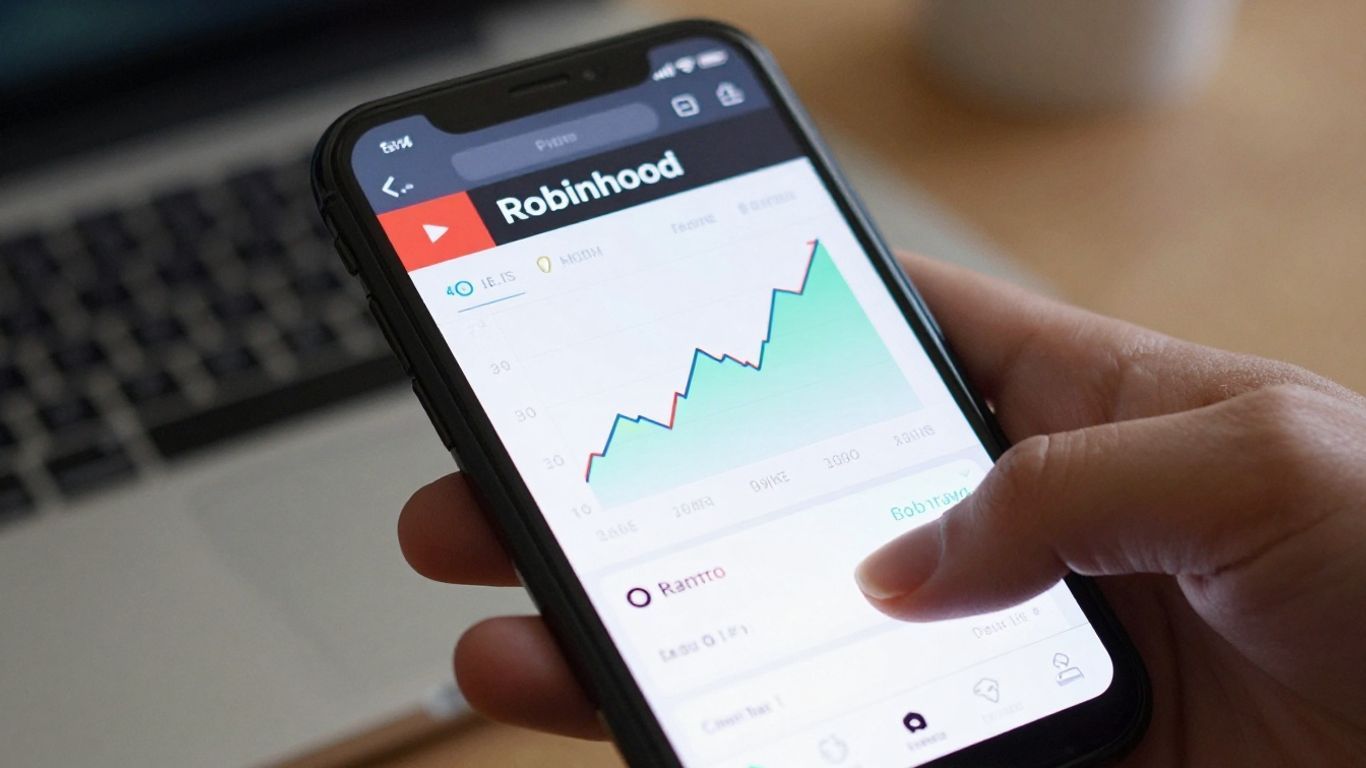
Robinhood really shook things up when it first came out, making commission-free trading a big deal. It’s known for being super simple to use, especially if you’re just starting out with investing and want to trade stocks, ETFs, options, or even crypto. The app is designed to be mobile-first, so it feels natural to manage your investments right from your phone.
Robinhood’s straightforward interface is a major draw for beginners. It cuts out a lot of the clutter you might find on other platforms, making it easier to place trades and keep an eye on your portfolio. They also offer fractional shares, which is great if you don’t have a ton of cash to start with – you can buy pieces of expensive stocks.
Here’s a quick look at what Robinhood offers:
- Commission-Free Trading: Buy and sell stocks, ETFs, options, and cryptocurrencies without paying a fee per trade.
- $0 Minimum to Start: You can open an account and begin investing with any amount of money.
- Fractional Shares: Invest in parts of shares, making high-priced stocks more accessible.
- 24/5 Extended Trading Hours: Trade outside of regular market hours for more flexibility.
While the basic app is free, some of the more advanced features, like IRA match contributions and more in-depth research tools, are part of their Gold subscription. It’s a good starting point, but as you get more serious, you might find yourself looking at those premium features or other platforms.
Robinhood made investing feel more accessible to a lot of people. It’s like they took a complicated process and made it feel like just another app on your phone. That simplicity is its biggest strength, especially when you’re just trying to figure things out.
4. Fidelity Investments
Fidelity Investments is a solid choice, especially if you’re thinking about the long haul or saving for retirement. They really focus on helping you build towards your future goals, whether that’s buying a house or just growing your nest egg. You can pick individual stocks and ETFs, and they let you buy fractional shares, which is nice if you don’t have a ton of cash to start with. Plus, they don’t charge commissions on stocks and ETFs, which is a big plus.
When it comes to mutual funds, Fidelity has a huge selection, and many of them don’t have any expense ratios, meaning more of your money stays invested. They also have tools and apps, like Fidelity Spire, designed to help you save and invest smarter for those big life goals.
Here’s a quick look at what they offer:
- Commission-free trading for stocks, ETFs, and options.
- Fractional shares available, making it easier to start with smaller amounts.
- A wide range of retirement accounts and planning tools.
- Access to thousands of no-transaction-fee mutual funds.
- Strong customer support.
Fidelity is a good place to keep most of your financial life under one roof. They have a lot of different account types and resources that can help you manage your money effectively, from everyday banking to long-term investing.
They also have a robo-advisor service called Fidelity Go, which can be helpful if you want some automated investment management. While it has a minimum for access to a Certified Financial Planner, the basic robo-advisor service is accessible for many.
5. Webull
Webull is a pretty solid choice if you’re looking for a trading app that’s easy to use and doesn’t charge you for basic trades. It’s often mentioned alongside Robinhood, and for good reason. You can trade stocks, ETFs, and options without paying commissions, which is a big plus for anyone trying to keep costs down. They also offer 24/5 trading, which is kind of neat if you’re someone who likes to keep an eye on things outside of regular market hours.
What I like about Webull is that it doesn’t just stop at the basics. They’ve got some pretty decent charting tools, market indicators, and screeners that can help you dig a little deeper into potential investments. Plus, they offer paper trading, which is basically a simulator where you can practice trading with fake money before you put your actual cash on the line. It’s a good way to get a feel for the app and test out strategies without any risk.
Here are some of the things Webull offers:
- Commission-free trades on US stocks, ETFs, and options.
- Advanced charting tools and technical indicators.
- Paper trading feature for practice.
- Competitive interest rates on uninvested cash.
- 24/5 trading availability.
While Webull is great for stocks, ETFs, and options, it’s worth noting that if you’re interested in trading cryptocurrencies, you’ll need to use a separate app called Webull Pay. Also, they don’t offer mutual funds, so keep that in mind if those are part of your investment plan.
Overall, Webull seems to hit a sweet spot for investors who want a user-friendly platform with good tools for analysis, especially if you’re focused on stocks, ETFs, and options. It’s got a good rating on app stores, which usually means people find it pretty reliable.
6. SoFi Active Invest
SoFi Active Invest is a pretty straightforward option, especially if you’re just getting your feet wet with investing. It’s designed to be easy to use, which is a big plus when you’re not sure what you’re doing yet. You can trade stocks and ETFs without paying any commission, and they let you buy fractional shares, meaning you don’t need a ton of money to start. This makes it a good place to begin your investment journey, maybe even with just $5.
One thing that stands out is their offer for a 1% IRA match, which is a nice little bonus if you’re thinking about retirement accounts. They also have educational articles right there in the app, which can help you figure things out as you go. It’s not as packed with features as some of the bigger apps out there, but that simplicity is kind of the point here. It’s a solid choice for beginners who want a no-fuss way to start investing.
SoFi Active Invest is a brokerage product offered through SoFi Securities LLC. It’s important to remember that investments are not FDIC-insured, not bank guaranteed, and may lose value. Always do your own research before investing.
Here’s a quick look at what they offer:
- Commission-free trading: Buy and sell stocks and ETFs without paying a fee.
- Fractional shares: You can buy pieces of expensive stocks.
- $5 minimum to start: You don’t need a lot of cash to open an account.
- 1% IRA match: A bonus for retirement savings.
While it’s a good starting point, they do charge a 0.25% annual advisory fee based on your account balance if you use their advisory services. So, keep that in mind as your investments grow. It’s a decent platform for getting started with investing your money without feeling overwhelmed.
7. Ally Invest
Ally Invest is a solid choice if you’re looking for a trading platform that plays nicely with your banking. Since it shares a login with Ally Bank, you can easily check your investments and make trades right from the same place you manage your checking and savings. It’s pretty straightforward, with no minimum deposit required and no recurring fees, which is always a plus.
The app itself is designed to be easy to get around, even if you’re not super experienced with the stock market. You can view your portfolio and place trades with just a few taps. They have a couple of different ways they manage your money if you opt for their managed portfolios:
- Cash-enhanced: About 70% of your money goes into a mix of ETFs, and the other 30% stays in cash to keep things from getting too wild. There’s no fee for this.
- Market-focused: This option puts 98% of your funds into ETFs, leaving just 2% in cash. This one has a small annual advisory fee of 0.30%.
Ally Invest also offers commission-free trading for options and US stocks and ETFs, plus some tools for research and automated trading. It’s a good option for people who want a simple, integrated banking and investing experience.
While Ally Invest might not have all the fancy bells and whistles of some other apps, its strength lies in its simplicity and integration with banking services. It covers the essentials well for those who prefer a no-fuss approach to trading.
Overall, Ally Invest is a good pick for beginners or those who value convenience and a clean interface over a vast array of complex tools.
8. Acorns
Acorns is a bit different from the other apps we’ve talked about. Instead of actively trading stocks, Acorns focuses on making investing super simple, especially for people who are just starting out or don’t have a lot of cash to put in.
The main idea is to invest your spare change. Every time you buy something with your linked debit or credit card, Acorns rounds up the purchase to the nearest dollar and invests the difference. So, if you buy a coffee for $3.50, Acorns will put $0.50 into your investment account. It’s a really easy way to start building a portfolio without even thinking about it.
Beyond the round-ups, Acorns also lets you set up recurring investments. You can choose to invest a set amount daily, weekly, or monthly. This helps you stay consistent with your savings goals.
Here’s a quick look at how it works:
- Link Your Cards: Connect your everyday debit and credit cards to the Acorns app.
- Shop as Usual: Make purchases like you normally would.
- Acorns Invests the Change: The app automatically rounds up your purchases and invests the difference into a diversified portfolio.
- Grow Your Money: Your investments are managed in ETFs based on your goals and risk tolerance.
Acorns offers a few different account types, including a retirement account (Acorns Later) and a checking account (Acorns Checking) with a debit card. They also have an investment account for kids (Acorns Early).
While Acorns isn’t designed for active day trading or trying to pick individual stocks, it’s a fantastic tool for building long-term wealth through consistent, automated investing. It takes the guesswork out of saving and makes it accessible for almost anyone.
9. Stocktwits
Stocktwits is kind of like Twitter, but specifically for people who trade stocks and other investments. It’s a place where you can see what other traders are talking about in real-time. You’ll find a lot of people sharing charts, technical analysis, and even longer-term investment ideas. It’s basically a big community, with millions of members, all sharing tips and thoughts.
If you’re looking for a place to connect with other investors and get a feel for market sentiment, Stocktwits is pretty interesting. It’s free to use, which is a big plus.
Here’s what you can expect:
- A feed that looks a lot like Twitter, full of short posts and discussions.
- Screenshots and videos of stock charts, often with analysis.
- Ideas for both short-term trades and longer-term investments.
- A large community of around 2 million members.
The main draw here is the social aspect. It’s less about deep research and more about getting a pulse on what the crowd is thinking and discussing right now. You can learn a lot just by observing the conversations.
It’s a good spot to get a quick sense of what’s buzzing in the market, though you’ll want to do your own research before making any big decisions.
10. Thinkorswim
Thinkorswim, often mentioned alongside Charles Schwab, is a really powerful trading platform that’s great for anyone who likes to dig deep into their trades. It’s not just for the pros, though; even if you’re just starting out, you can use it to practice with a simulated trading account called PaperMoney. This lets you try out different strategies without risking any real cash, which is pretty neat.
What really stands out is how customizable it is. You can tweak charts, set up custom scripts, and really get into the analytics. It feels like you have a whole suite of advanced tools right at your fingertips.
Here are a few things that make it stand out:
- Advanced Charting: Detailed charts with lots of options for analysis.
- Paper Trading: A risk-free way to test your trading ideas.
- Customization: Tailor the platform to your specific trading style.
- Educational Resources: Access to videos, courses, and articles to help you learn.
While it might seem a bit much at first glance, the platform is designed to grow with you. You can start with the basics and gradually explore the more complex features as you get more comfortable. It’s a solid choice if you’re serious about learning the ins and outs of trading.
Thinkorswim is known for its robust options trading capabilities, offering a wide array of tools for analyzing and executing options strategies. You can find detailed options chains, analyze potential risks and rewards, and even scan for unusual activity. It’s a platform that truly caters to those who want a high level of control and insight into their investments.
Wrapping It Up
So, there you have it. Finding the right trading app can really make a difference in how you approach making money from your phone. We looked at a bunch of options, from those super simple ones for beginners to platforms with more tools for folks who know their way around the market. Remember, the best app for you depends on what you’re trying to do and how much you already know. Don’t just jump into the first one you see. Do a little homework, think about your own goals, and pick something that feels right. With a bit of effort and the right app, you can definitely start growing your earnings.
Frequently Asked Questions
What’s the easiest way to start trading stocks?
For beginners, apps like Robinhood or SoFi Active Invest are great starting points. They often have simple designs and let you buy small pieces of stocks, making it easier to learn without risking a lot of money.
Do I need a lot of money to start trading?
Not anymore! Many trading apps let you start with just $1 or even $0. You can buy fractional shares, which means you can own a piece of expensive stocks without buying a whole share.
Are trading apps safe to use?
Most popular trading apps are very safe. They are regulated and use security measures to protect your money and personal information. It’s always good to check reviews and make sure the app is trustworthy.
Can I lose money trading stocks?
Yes, you can lose money. The value of stocks can go up and down. It’s important to only invest money you can afford to lose and to do some research before you buy.
What’s the difference between a trading app and a regular bank app?
A bank app helps you manage your everyday money, like checking and savings. A trading app lets you buy and sell investments like stocks, bonds, or ETFs, aiming to grow your money over time.
Should I use just one trading app or multiple?
Some people like to use one app that offers everything they need. Others might use different apps for different things, like one for stocks and another for learning about investing. It really depends on what works best for you.


