
resources
Beyond the Blueprint: Reimagining the New Towns Movement for Today's World
23 Feb 2026

Remember those idealistic visions of crafting new towns from the ground up? While they promised fresh starts and modern living, perhaps they overlooked some fundamental human needs. Today, we’re critically examining those foundational ideas, seeking to adapt them for our contemporary world. The objective extends far beyond merely constructing dwellings; it's about curating environments where people genuinely wish to reside, forge connections, and cultivate a deep sense of belonging. This necessitates a profound shift in how we approach community development, ensuring our urban and suburban spaces serve both their inhabitants and the planet responsibly.
Key Takeaways
- The conventional approach to creating new towns often fostered a sense of disconnection. We must now prioritize designing places that inherently bring people together, rather than inadvertently pushing them apart.
- Adopting a perspective that views cities as dynamic, living systems—much like natural ecosystems—enables us superior development. This essentially means anchoring our efforts in community, nature, and culture as pivotal components.
- Bioregional hubs represent an innovative model, emphasizing harmonious living with the local environment and fostering robust, localized economies.
- By drawing insights from historical initiatives and embracing community-led projects, we can significantly enhance the success and people-centric nature of future development.
- Intelligently adapting existing buildings and spaces, such as disused warehouses, offers a remarkably smart strategy for establishing new places without requiring entirely new construction.
Rethinking Urban Development Through Regenerative Placemaking
The Loneliness Epidemic: A Design Challenge
We find ourselves in an era where pervasive feelings of disconnection are common, even amidst bustling populations. This isn't merely an individual sentiment; it's a widespread societal challenge, one that our built environment has undeniably contributed to. For many decades, urban planning often prioritized vehicular traffic, segregated land uses, and designs that inherently isolated people. This regrettable focus led directly to fewer spontaneous interactions, diminished trust between neighbors, and ultimately, weaker community bonds. The very fabric of our towns and cities has, perhaps unintentionally, made it significantly harder for individuals to connect. But if development can foster isolation, surely it can also be meticulously designed to cultivate genuine human connection?
Regenerative Placemaking: A New Framework
Moving beyond merely mitigating harm, regenerative placemaking actively endeavors to heal and enhance our places. It represents a paradigm shift in development, conceiving of cities and towns as intricate, living systems. This enlightened approach centers on three synergistic components, all working in concert to create environments where both people and nature can flourish:
- Community: This pivotal element involves genuinely empowering residents with a significant voice in shaping their neighborhoods, fostering strong local leadership, and nurturing enduring relationships among inhabitants.
- Nature: Here, the focus is on integrating designs inspired by natural principles to restore and fortify local ecosystems. It’s about collaboratively working with the environment, rather than imposing upon it.
- Culture: This aspect emphasizes celebrating a place's distinct identity, cultivating shared meaning, and championing the arts and creative expressions that foster a profound sense of belonging among residents.
When these three essential elements are thoughtfully interwoven, neighborhoods transform into spaces that inherently build trust, exude vitality, and robustly support both their human occupants and the wider planetary ecosystem.
The goal is to create places that give back more than they take, fostering well-being for everyone involved.
Community, Nature, and Culture as Core Pillars
These three foundational pillars – Community, Nature, and Culture – truly underpin the entire philosophy of regenerative placemaking. Far from being isolated concepts, they are profoundly interconnected facets of a cohesive whole. Consider them akin to the roots, trunk, and branches of a thriving tree; each component is indispensable for the holistic health and sustained growth of the others.
- Community furnishes the essential social structure and a shared sense of purpose.
- Nature provides the critical ecological foundation and life-sustaining resources.
- Culture imbues a place with its inimitable spirit and that vital sense of belonging.
By diligently focusing on these core elements, we can transcend the mere construction of physical structures, instead cultivating living, breathing places that genuinely uphold human and ecological well-being.
Bioregional Hubs: Harmonizing Humanity and Nature
Defining the Bioregional Hub
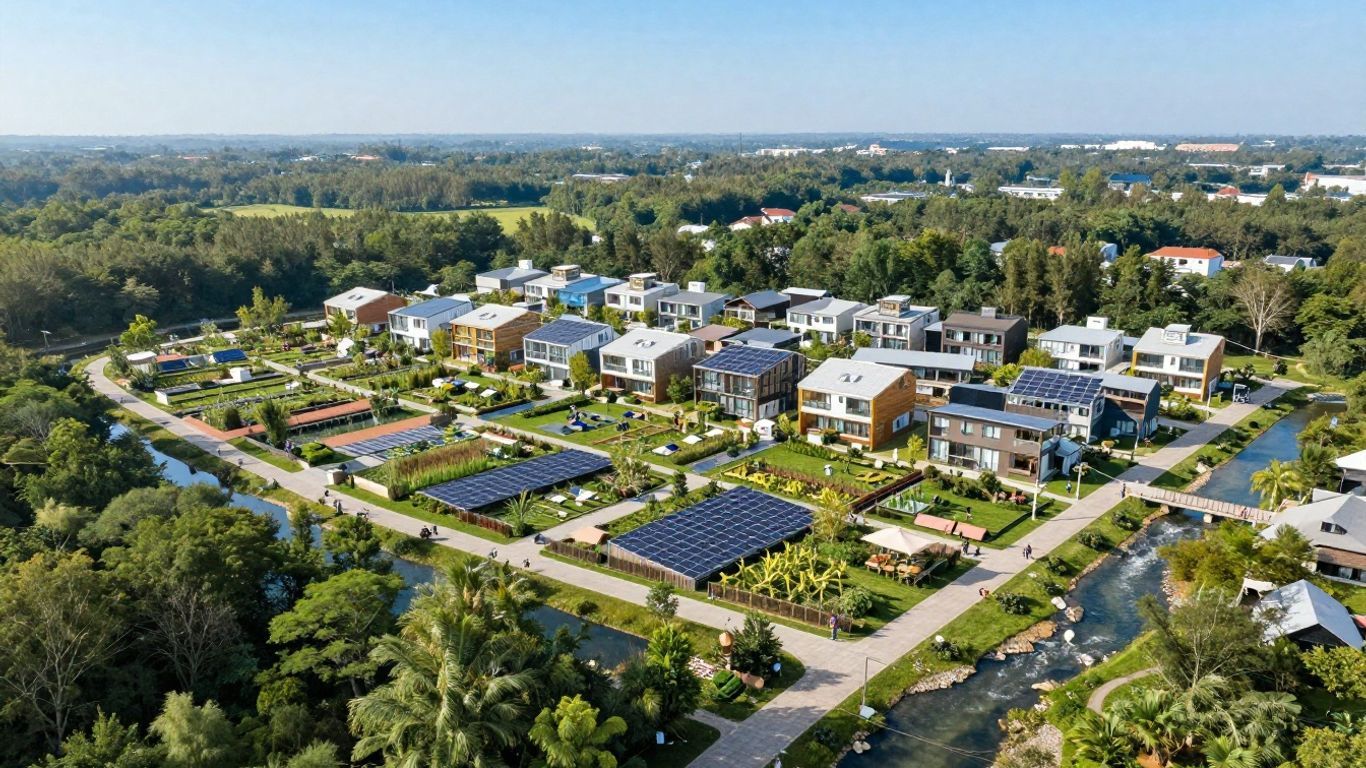
Take a moment to consider your local area. What defines its natural boundaries? What native flora flourishes there? What are the prevailing climatic conditions? Bioregional hubs are built upon taking precisely these types of inquiries seriously. They are not simply conventional towns or cities; rather, they are environments meticulously designed to operate in concert with their inherent natural surroundings, not in opposition to them. Instead of imposing a generic, one-size-fits-all blueprint, these hubs are organically shaped by the specific ecology, cultural heritage, and economy of their particular region. It’s fundamentally about understanding the land, water systems, and climate, then crafting communities that seamlessly integrate, much like a perfectly fitted puzzle piece. The overarching goal is to forge places where both human inhabitants and the natural world can truly thrive in unison.
Integrating Sustainable Land Stewardship and Circular Economies
This is where the practical ingenuity truly comes to life. Sustainable land stewardship implies treating the land with profound respect, employing methodologies that actively promote its healing and enhance its productivity over time. Such practices might encompass regenerative farming techniques that enrich soil health, planting indigenous species to support local wildlife populations, or meticulously managing vital water resources. Concurrently, circular economies play a crucial role. Diverging from the conventional 'take-make-dispose' linear model, a circular economy strives to keep resources in active use for as long as conceivably possible. Envision local material recycling, designing products inherently suitable for effortless repair or reuse, and establishing systems where the "waste" from one process becomes a valuable input for another. It’s about diligently creating closed loops that minimize waste and concurrently maximize the intrinsic value of every resource we utilize.
Here’s a closer examination of how these vital elements seamlessly integrate:
- Land Stewardship:
- Regenerative agriculture practices
- Habitat restoration and rewilding
- Water conservation and management
- Circular Economies:
- Local production and consumption
- Waste reduction and resource recovery
- Repair, reuse, and remanufacturing
The Roots of Bioregionalism
The profound concept of living in harmony with our natural surroundings is, by no means, novel. Bioregionalism as a distinct concept truly began to gain significant momentum in the 1970s. As people increasingly felt dislocated from the places they inhabited, a fundamental question arose: what if our lives were organized around the intrinsic natural systems of our region? This nascent movement frequently drew inspiration from Indigenous knowledge, which has consistently illuminated the deep-seated connections between people and place, serving as an invaluable guide. It’s about the essential recognition that our collective well-being is inextricably linked to the vitality of the environment. Today's bioregional hubs represent a contemporary reinterpretation of these timeless ideas, leveraging modern technologies and innovative design principles to make them relevant and functional for present-day life.
The shift towards bioregional hubs represents a fundamental change in how we view development. It moves away from seeing land as a resource to be exploited and towards understanding it as a living system that requires care and partnership. This approach recognizes that human prosperity is intrinsically linked to ecological health.
EcoSystems Thinking: A Paradigm Shift for Cities
We frequently characterize cities as concrete jungles or expansive metropolises, but what if we began to perceive them as living, breathing ecosystems instead? That transformative notion lies at the very heart of EcoSystems Thinking. It's an enlightened perspective on urban development that acknowledges our inextricable connection to nature – indeed, we are an integral part of it. This approach compels us to view our cities not merely as an assemblage of buildings and roadways, but rather as complex, intricately interconnected systems where the health of any single component profoundly influences the well-being of the whole.
Cities as Living Ecosystems
Consider, for a moment, a forest. Everything within it is profoundly interconnected. Trees provide essential shade and shelter, the soil nourishes a myriad of plants, insects dutifully pollinate flowers, and fallen leaves decompose to replenish the very soil from which they sprang. There is no waste; every element serves a vital purpose. EcoSystems Thinking applies this very principle to our urban environments. It necessitates an understanding that our buildings, our transportation networks, our waste management, and our communities are all constituent parts of a much larger, intricate web. When we design with this holistic perspective firmly in mind, we unlock the potential to create places that are inherently more resilient and supportive of both human populations and the wider natural environment.
The goal is to move away from old ways of building that often take from the environment and leave waste behind. Instead, we aim for practices that actively heal and give back, making our cities more vibrant and healthy.
Nature as a Guide for Development
Rather than attempting to control or assert dominance over nature, EcoSystems Thinking eloquently proposes that we learn *from* it. Natural systems, after all, have been honed and perfected over millions of years of evolution. By diligently studying nature's operational principles – through innovative concepts like biomimicry (the art of emulating nature's designs) and permaculture (the practice of working in harmony with natural patterns) – we can uncover far more intelligent and sustainable methods for building our world. This paradigm shift means rigorously considering:
- Where we build: Are we truly respecting natural water flows or safeguarding sensitive habitats?
- What materials we use: Can we prioritize local, renewable, or recycled resources?
- How we manage resources: Is it possible to establish truly closed-loop systems for critical resources like water, energy, and waste?
Ultimately, this approach empowers us to design places that collaborate with the environment, not against it, leading inevitably to cleaner air, purer water, and richer, more biodiverse surroundings.
Aligning Development with Natural Systems
For cities to truly function like healthy ecosystems, a significant transformation in our planning and building methodologies is essential. It demands perceiving the intricate relationships between various urban components and the surrounding natural world. This critically involves:
- Integrating green infrastructure: Thoughtfully deploying natural elements such as verdant green roofs, efficient rain gardens, and permeable pavements to effectively manage stormwater and mitigate urban heat.
- Cultivating biodiversity: Designing urban spaces that actively support local wildlife – from beneficial insects to various bird species – through the strategic planting of native species and the provision of suitable habitats.
- Connecting natural areas: Establishing vital green corridors that seamlessly link existing parks and wild spaces, thereby enabling nature to traverse and thrive throughout the city.
By purposefully aligning our development blueprints with these inherent natural processes, we can cultivate urban environments that are not only eminently functional but also inherently beautiful, profoundly healthy, and truly alive.
The Evolution of the New Towns Movement
From Movement to Model: Bioregionalism's Influence
The original New Towns movement, which emerged in the mid-20th century, sought to establish meticulously planned communities offering a respite from congested urban centers. These towns frequently featured clearly delineated zones for residential, industrial, and recreational purposes, with a strong emphasis on providing modern amenities and an enhanced quality of life. While many indeed achieved considerable success in their stated aims, their underlying principles were largely top-down, prioritizing physical planning above all else. Today, however, we observe a distinct evolution away from this rigid model towards something more organic and intrinsically connected to place. Bioregionalism, a philosophy that gained traction in the 1970s, offers a refreshingly different perspective. It challenges us to consider a region's natural systems – its water cycles, topography, and climate – as the primary determinants for human settlement. This ecological approach is fundamentally reshaping how we conceptualize community development, transcending mere planning to embrace active regeneration.
Lessons from Community-Led Initiatives
Reflecting upon the New Towns movement, several crucial lessons come to light. Many of these successful new towns rightly prioritized green spaces and communal facilities, acknowledging their indispensable role in fostering well-being. However, the prevalent top-down planning often meant that resident input remained unfortunately limited. In stark contrast, contemporary community-led initiatives champion local voices, positioning them at the very forefront of development. These projects frequently commence with a deep understanding of a place's unique needs and inherent assets, fostering collaborative efforts to collectively shape its future. This grassroots methodology inherently strengthens the social fabric and ensures that development genuinely serves the people who call that place home. It's fundamentally about co-creation, not simply construction.
The Future of Cities is Bioregional
The trajectory of urban development increasingly points towards bioregional models. Instead of imposing a generic master plan, the emerging vision involves designing communities that exist in profound harmony with their specific environmental context. This entails seamlessly integrating sustainable land stewardship, robust circular economies, and a deep-seated respect for local culture and the natural world. Envision it as building *with* nature, rather than simply *on* it. These nascent bioregional hubs are not solely focused on sustainability; they are dedicated to creating places that actively heal and regenerate both the environment and the community itself. It signifies a profound shift from merely constructing houses to cultivating vibrant, living ecosystems where both people and nature can mutually thrive. This integrated approach is rapidly becoming a vital infrastructure for our times, offering a promising pathway to more resilient and connected living—a concept many are actively exploring when considering affordable and suitable places to live in the US.
Building Resilient and Connected Communities
Cities, in their essence, are far more than just collections of buildings and roads; they are vibrant, living, breathing spaces where people interact, share experiences, and foster growth. In today's interconnected yet paradoxically isolating world, designing places that actively cultivate connection and bolster resilience is more critical than ever. This necessitates looking beyond mere physical structures and deeply considering how the environment can inherently support robust social bonds and essential ecological health.
The Role of Green Corridors in Urban Planning
Green corridors can be aptly described as the veins and arteries of a city, dynamically connecting disparate neighborhoods and crucial natural areas. They are far from being merely aesthetic parks; rather, they fulfill practical, indispensable purposes that significantly boost both community well-being and environmental health. Consider them linear pathways, thoughtfully woven through urban landscapes, seamlessly linking parks, vital nature reserves, and even residential zones. These corridors manifest in diverse forms, from picturesque tree-lined streets and tranquil riverfront paths to ingeniously repurposed railway lines and essential wildlife overpasses.
- Biodiversity Support: They furnish critical habitats and safe passageways for wildlife, helping to sustain delicate local ecosystems even within bustling urban settings.
- Active Transportation: These pathways provide safe, aesthetically pleasing routes for walking, cycling, and other forms of non-motorized transit, thereby encouraging healthier lifestyles and judiciously reducing reliance on automobiles.
- Community Gathering: These versatile spaces frequently evolve into natural meeting points for residents, often hosting local events, vibrant farmers' markets, or simply offering a welcoming spot for informal social interaction.
- Climate Adaptation: Green corridors play a vital role in managing stormwater runoff, effectively reducing the urban heat island effect, and notably improving air quality, rendering the city more comfortable and resilient during periods of extreme weather.
The strategic placement and thoughtful design of green corridors possess the transformative power to convert disjointed parts of a city into a cohesive, truly thriving whole.
Fostering Community Stewardship and Engagement
The true essence of resilience within any community springs directly from its people. When residents cultivate a genuine sense of ownership and active involvement in their neighborhoods, they are inherently more inclined to nurture them and collaborate in addressing local challenges. This isn't about imposing top-down directives; it's fundamentally about meticulously crafting opportunities for authentic participation and shared responsibility.
- Local Decision-Making: Empowering residents to genuinely influence local planning and development decisions builds essential trust and ensures that projects are truly responsive to distinct community needs.
- Skill Sharing and Mutual Aid: Establishing platforms that enable neighbors to freely exchange skills, share resources, and offer support can profoundly strengthen social ties and cultivate practical resilience, particularly during challenging times.
- Community-Led Projects: Actively supporting initiatives such as vibrant community gardens, neighborhood clean-up drives, or engaging local art installations provides individuals with tangible avenues to contribute and derive immense pride in their immediate surroundings.
Building strong communities requires intentional design that prioritizes human connection and shared purpose. It's about creating the conditions where people can easily interact, collaborate, and look out for one another.
Integrating Climate Resilience into Development
As our global climate undergoes significant changes, our cities must be proactively prepared. Integrating climate resilience into urban development means designing and constructing in ways that enable our communities to effectively withstand and adapt to environmental challenges like escalating extreme heat, intensified flooding, and more frequent severe storms. This forward-thinking approach works hand-in-hand with creating healthier, more genuinely livable communities.
- Nature-Based Solutions: Harnessing the inherent power of natural systems, such as permeable pavements, green roofs, and meticulously restored wetlands, to manage water resources and significantly reduce urban heat.
- Decentralized Infrastructure: Developing local energy generation and localized water management systems that possess the crucial ability to function effectively even if larger, centralized grids experience disruption.
- Adaptive Building Design: Constructing buildings that are inherently better equipped to endure extreme weather events and are thoughtfully designed for efficient passive cooling and heating.
By meticulously weaving these indispensable elements into the very fabric of our communities, we cultivate places that are not only robustly equipped to confront future challenges but are also demonstrably more pleasant and healthy for everyone to inhabit today.
Transforming Existing Structures for Sustainable Futures
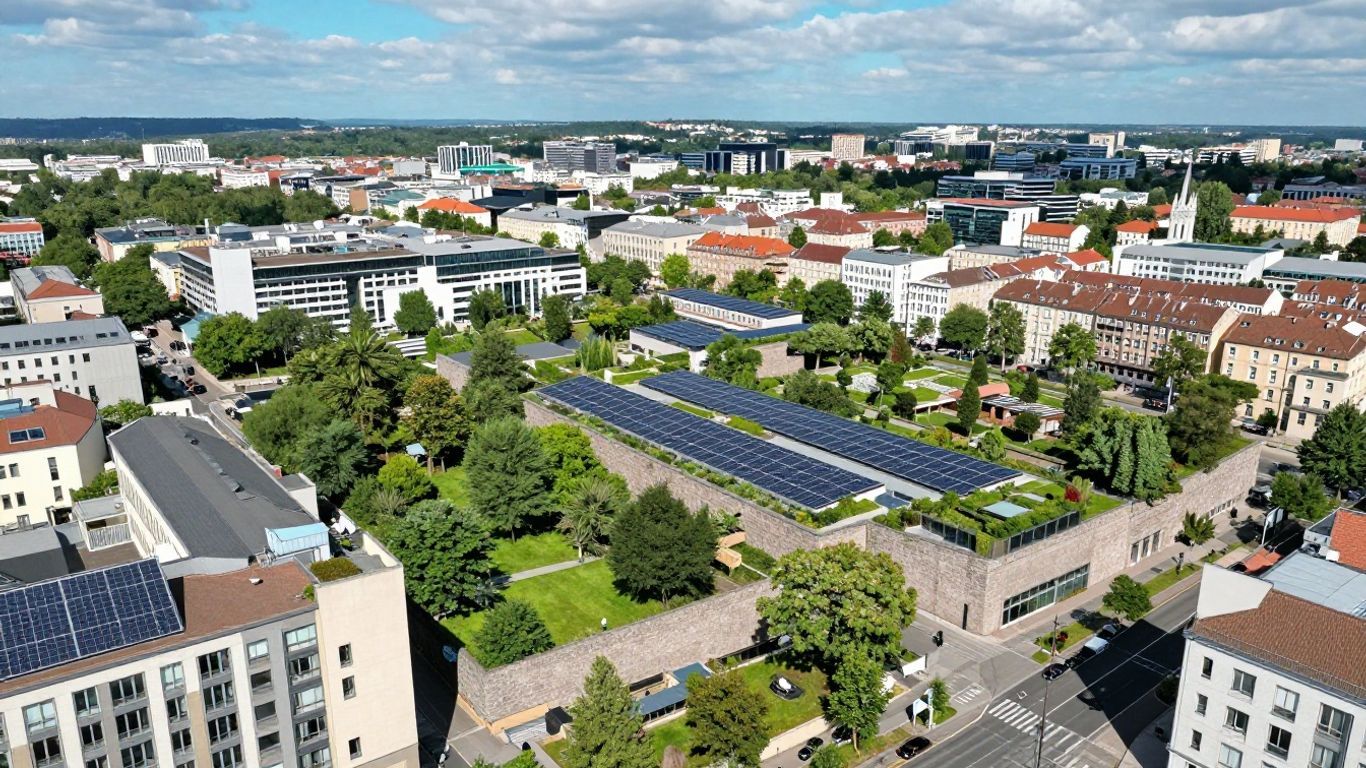
The intelligent adaptation of existing infrastructure isn’t merely a cost-effective strategy; it’s a remarkably sensible response to the escalating environmental and social pressures confronting modern cities. Indeed, the movement towards transforming existing places—think old warehouses, disused factories, or vacant buildings—is rapidly gaining considerable momentum. Instead of viewing these structures as obsolete relics, visionary architects, urban planners, and forward-thinking communities are now discerning immense possibility and inherent resilience within their venerable walls and sturdy beams.
Adaptive Reuse: The Warehouse as a Canvas
Warehouses and other industrial buildings, with their robust construction and expansive footprints, present a truly unique opportunity for creative metamorphosis. Their typically open layouts and inherently strong structural frames can be reimagined into virtually anything, from collaborative workspaces and vibrant art galleries to bustling food halls or contemporary residential apartments. Crucially, many of these spaces are already situated in prime locations, often close to public transit and established communities, making them incredibly ripe for a new lease on life.
Key advantages of warehouse reuse:
- Large, unobstructed spaces offer unparalleled versatility for future needs and innovative design choices.
- The inherent strength of their underlying structures often translates to significantly less resource-intensive remodeling.
- Many are conveniently located near essential critical infrastructure, thereby reducing initial start-up costs for new projects.
Reusing what we have isn’t only about saving money—it’s about appreciating what’s already part of the city’s character, shaping a new story with old bones.
Repurposing for Environmental and Economic Viability
Transforming existing structures frequently results in a notably lighter environmental footprint. The process of demolishing and rebuilding, by contrast, consumes considerably more resources. Repurposing, however, can lead to substantial savings on new materials and a significant reduction in construction waste, while also delivering long-term cost efficiencies. For numerous communities, revitalizing a disused warehouse into something functional can additionally ignite job creation and substantially contribute to the local economy by attracting new and diverse types of businesses.
Quick breakdown of benefits:
| Aspect | Adaptive Reuse | New Construction |
|---|---|---|
| Upfront Material Use | Lower | Higher |
| Construction Waste | Lower | Higher |
| Cost Over Time | Lower | Can be Higher |
| Community Disruption | Less | More |
Breathing New Life into Urban Spaces
Repurposed buildings possess an undeniable charm, imbuing a city with a sense of history, character, and layered authenticity. So, why is bringing older structures back to life truly important?
- It actively encourages creativity—each adaptive reuse project adds a unique, bespoke character to its surrounding neighborhood.
- It supports lasting, meaningful change—older buildings, by their very nature, can gracefully adapt as a city's needs and priorities evolve.
- It maintains local identity—historic features, rather than being erased, become cherished anchors for deep-seated community pride.
Ultimately, recycled buildings stand as compelling proof that truly sustainable cities don’t always require a blank slate. Sometimes, what we need most is already right here—patiently waiting for someone to envision its next, exciting future.
Looking Ahead: Building Better Places, Together
While the original new towns movement laudably aimed to create superior living spaces, the multifaceted challenges of our contemporary world unequivocally demand a more profound and integrated approach. We've explored how a dedicated focus on nature, community, and culture – encapsulated within what we term regenerative placemaking – can lead to the creation of places that genuinely thrive. This ethos extends far beyond mere construction; it's about meticulously crafting environments where both people and the planet can flourish harmoniously, side-by-side. By diligently learning from these innovative ideas and collaborating effectively, we possess the capacity to build communities that are not only highly functional but also inherently resilient, deeply connected, and vibrantly alive for generations yet to come. The very future of our towns and cities, without question, hinges upon this kind of thoughtful, comprehensively integrated planning.
Frequently Asked Questions
What's wrong with how we build cities now?
Many modern cities are constructed in ways that, unfortunately, often foster feelings of isolation and disconnection among residents. This predicament arises from an overemphasis on vehicular traffic, the segregation of areas for living, working, and commerce, and an insufficient provision of spaces where people can casually encounter and connect. This conventional development paradigm, frequently driven by financial considerations, has inadvertently weakened our communal bonds.
What is 'regenerative placemaking'?
Regenerative placemaking represents a transformative philosophy in how we conceive and construct urban environments. Rather than simply aiming to minimize environmental harm, it actively seeks to heal and revitalize ecosystems while simultaneously strengthening communities. Its core focus rests on three pillars: cultivating robust human connections, reintroducing and integrating nature into our living spaces, and celebrating the distinct cultural identity of each unique place.
What is a 'bioregional hub'?
A bioregional hub is a community meticulously designed to exist in profound harmony with its natural surroundings. It is developed with careful consideration for the specific ecological characteristics of its region, such as its river systems or forests. These hubs prioritize responsible land stewardship, implement circular economy principles (like comprehensive recycling and reuse), and foster strong, interconnected communities that inherently respect the natural limits of their environment.
How is 'ecosystems thinking' different from how cities are usually planned?
Ecosystems thinking fundamentally views cities as dynamic, living systems, much like natural ecosystems themselves. It acknowledges that every component – from buildings and infrastructure to people and the environment – is interconnected. This perspective necessitates designing urban areas in a manner that collaborates *with* nature, rather than opposing it, drawing lessons from natural ecosystems to create environments that are balanced, healthy, and vibrant for all inhabitants.
What are 'green corridors' and why are they important?
Green corridors are essentially natural pathways or networks of vegetation that link parks and other green spaces within and around urban areas. They are crucial because they facilitate wildlife movement, enhance urban health by purifying air and water, and provide aesthetically pleasing spaces for residents to engage with nature, thereby bolstering our communities' resilience against climate change impacts.
Can old buildings be used for new purposes?
Absolutely! The practice of adapting old buildings, such as disused warehouses, for new functions is termed 'adaptive reuse.' It's an excellent strategy for creating innovative spaces without resorting to demolition and new construction. This approach conserves valuable resources, significantly reduces waste, and can even result in distinctive, appealing places that confer both environmental and economic benefits.


