
resources
Beyond the Skyline: Unpacking the Largest US Cities by Population in 2025
08 Dec 2025

So, what's on the horizon for the population dynamics of the biggest U.S. cities in 2025? It's shaping up to be quite a varied picture, indeed. While some urban centers continue to thrive, drawing in new residents with their vibrancy, others are witnessing a notable exodus. Factors such as employment opportunities, the prevailing cost of living, and even a simple yearning for a different lifestyle collectively contribute to these trends. We're here to delve into what's instigating these significant shifts and their broader implications for these prominent urban hubs.
Key Takeaways
- Residents are increasingly relocating from high-cost cities, such as Los Angeles and San Francisco, often gravitating towards regions offering a more affordable cost of living and enhanced personal space.
- The Sun Belt region consistently remains a favored destination for those relocating, luring new residents with its appealing warmer climate and the promise of expanded job prospects.
- Exorbitant housing costs represent a significant driver prompting individuals to depart from some of America's largest cities, thereby affecting overall population stability.
- Suburban areas are experiencing considerable growth as individuals seek out more budget-friendly housing, expansive properties, and school districts often perceived as superior to those found in city centers.
- Both technological innovations and strategic policy decisions are actively reshaping urban living, compelling cities to proactively manage growth, enhance their infrastructure, and tackle the pressing issue of affordability.
Understanding Population Dynamics in Major US Cities

Urban centers are, by their very nature, in a constant state of flux. To truly comprehend their pulse, one must understand the underlying reasons behind population shifts—it's far more than a mere headcount. Rather, it concerns the powerful forces influencing where individuals opt to reside and establish their livelihoods. As we look towards 2025, several intriguing shifts are emerging, painting a vivid picture of prevailing opportunities, affordability concerns, and evolving lifestyle priorities.
Factors Driving Urban Growth and Change
What precisely fuels a city's expansion? Typically, it's a confluence of various elements. Employment opportunities, naturally, stand out as a significant catalyst. When emerging industries take root or established corporations broaden their operations, individuals frequently migrate in pursuit of work. Consider, for instance, the technological explosion in specific regions or the proliferation of logistics hubs—these phenomena invariably generate a strong gravitational pull. Beyond mere professional prospects, crucial factors such as quality educational institutions, accessible healthcare services, and even the overarching ambiance of a locale play pivotal roles. Indeed, the presence of diverse job sectors frequently acts as the foremost draw for prospective residents. Occasionally, the impetus is as straightforward as a desire for new surroundings or proximity to loved ones. These intertwined factors collectively forge a dynamic milieu where populations inherently ebb and flow.
Historical Influences on City Development
It's important to remember that cities, as we know them today, didn't simply materialize overnight. History, with its indelible imprints, has profoundly shaped their evolution. Consider, for example, how past industrialization spurred the development of manufacturing hubs, attracting vast numbers of people from rural locales and international shores alike. Similarly, successive waves of immigration have dramatically reshaped the cultural and demographic fabric of countless major cities. Furthermore, substantial infrastructure initiatives—such as the construction of subway networks or extensive highway systems—have consistently influenced residential patterns and commuting behaviors, often culminating in the expansion of urban areas. Grasping these historical precedents helps us to understand why particular cities are so substantial today and how their developmental trajectories continue to inform contemporary population dynamics. For those seeking a broader context, the United Nations offers detailed urbanization trends, providing an invaluable global perspective on these enduring shifts.
The Role of Economic Opportunities in Migration
Indeed, economic opportunities serve as a paramount determinant in individuals' decisions about where to establish roots. A city boasting a robust job market, particularly within burgeoning sectors, will inherently draw those in pursuit of enhanced prospects. This phenomenon can precipitate rapid population surges in certain locales. Conversely, urban areas contending with dwindling industries or scarce employment openings may well experience an outflow of residents. This migratory pattern isn't exclusively about securing new employment; it frequently involves the quest for elevated wages or accelerated career progression. Ultimately, the economic vitality of any metropolitan region is intrinsically linked to its capacity to both attract and retain its populace—a perpetual balancing act for urban planners and economic development professionals alike.
The intricate movement of people from one city to another, it could be argued, is a complex interplay of both opportune moments and fundamental necessities. Individuals persistently pursue employment, seek out accessible housing, and strive for an elevated quality of life, effectively—and profoundly—reshaping the urban landscape with each relocation they undertake.
Shifting Landscapes: Where Residents Are Moving
It's hardly a revelation that the residential map of America is perpetually in flux, undergoing constant reconfiguration. As we navigate 2025, distinct patterns are unequivocally surfacing, illustrating how individuals are embarking on new chapters in different locales. While a number of cities are welcoming a consistent influx of new residents, others are observing a notable departure. This isn't merely a haphazard movement; rather, it's propelled by a confluence of economic imperatives, evolving lifestyle aspirations, and the ever-present considerations of the cost of living.
Cities Experiencing Significant Outflows
A number of prominent metropolitan regions are, in fact, recording a discernible decline in their populations. Los Angeles, for example, consistently appears at the top of lists detailing cities from which residents are departing. This phenomenon, however, isn't exclusive to LA; numerous sizable, long-established urban centers, particularly across the West and Northeast, are encountering comparable outflows. Contributing factors—such as prohibitively high housing expenses, a broad escalation in the cost of living, and, at times, even heightened vulnerabilities to natural disasters—are compelling individuals to explore opportunities in alternative locations.
To illustrate, consider some urban centers currently experiencing significant population shifts:
- Los Angeles, California: Prohibitive costs of living and persistent housing affordability challenges serve as key accelerators for departures.
- Northern California: Mirroring Los Angeles, the Bay Area contends with substantial affordability hurdles across the board.
- South Florida: Notwithstanding its undeniable allure, escalating expenses and mounting environmental considerations are influencing residency patterns here.
- Seattle, Washington: This city is a relatively recent addition to certain outflow analyses, presumably attributable to a combination of high costs and the pressures of rapid expansion.
The Allure of the Sun Belt and Beyond
In stark contrast, a substantial proportion of cities successfully attracting new inhabitants are situated within the Sun Belt. States such as Texas, Florida, North Carolina, Tennessee, and Georgia have historically been favored destinations, and this pattern largely persists, albeit with certain evolving nuances. While Florida undeniably retains its magnetic appeal, its preeminence as the leading relocation spot has somewhat diminished, as some residents are now opting for other Southern states, or even exploring the Midwest and Pacific Northwest. Emerging magnets like Dallas-Fort Worth and San Antonio emphatically underscore Texas's sustained drawing power.
Factors Contributing to Residency Changes
So, what exactly underpins these observed population shifts? While it's undeniably a multifaceted equation, several pivotal elements clearly emerge:
- Economic Opportunities: Though rarely the exclusive consideration, robust job markets and promising avenues for career advancement continue to exert a powerful pull. Yet, the advent of widespread remote work has, for many, disentangled employment from geographical location, thereby enabling other factors to gain greater prominence in relocation decisions.
- Housing Affordability: This element is, arguably, the most consistently influential determinant. When housing expenses reach prohibitive levels, individuals are often compelled to seek out more economical alternatives, frequently found in smaller urban centers or entirely different regions.
- Quality of Life and Space: A considerable number of individuals are now prioritizing an improved work-life equilibrium, enhanced access to natural environments, and, quite simply, more personal space—amenities that can prove elusive in densely populated urban cores.
The observed migration patterns for 2025 compellingly illustrate a populace actively seeking equilibrium between economic feasibility and individual welfare. While long-standing urban centers contend with the challenges of affordability and high density, regions presenting a more accessible cost of living, generous spatial allowances, and a robust communal spirit are steadily solidifying their status as the favored destinations for Americans embarking on new journeys.
Ultimately, this represents an exceptionally dynamic landscape, and a nuanced understanding of these ongoing shifts is absolutely fundamental to comprehending the future trajectory of urban development across the United States.
The Cost of Living's Influence on City Populations
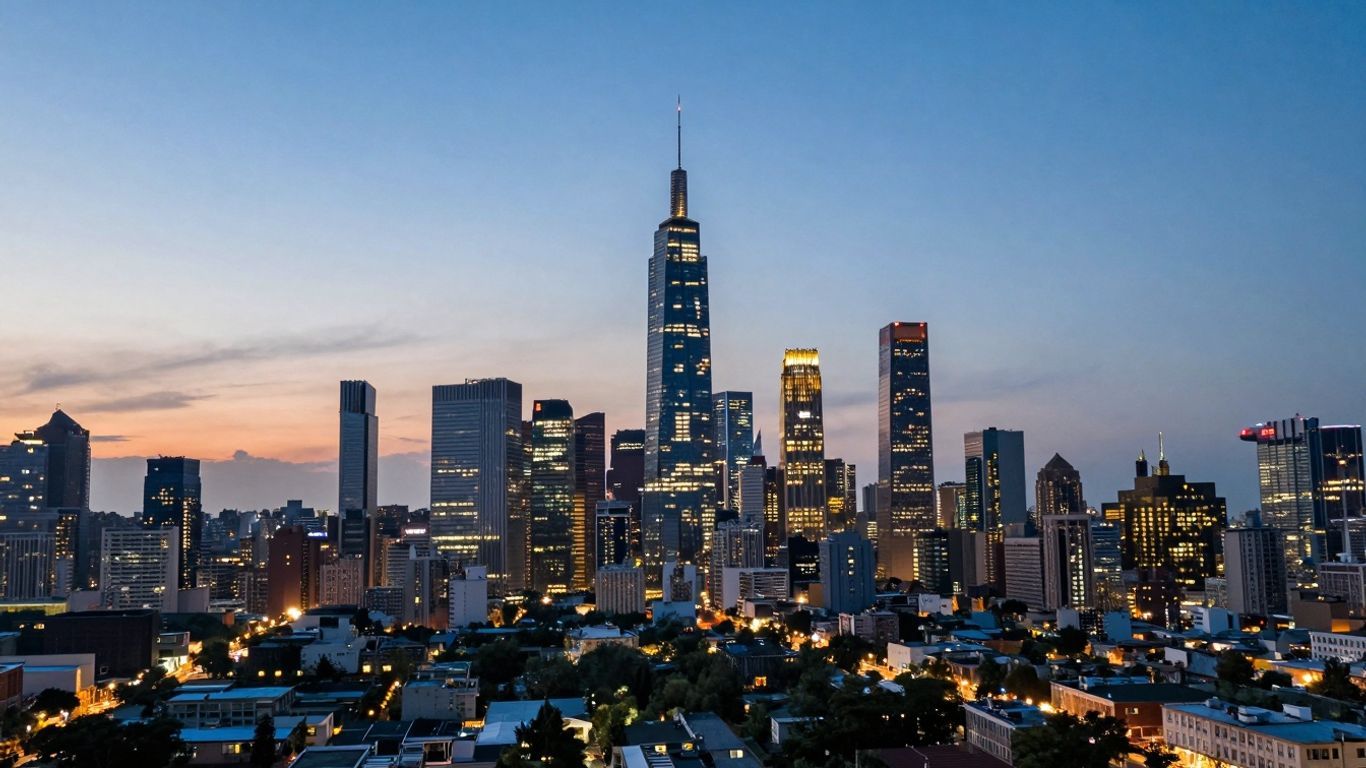
When contemplating the motivations behind individuals selecting one urban environment over another, the overarching cost of daily existence emerges as an overwhelmingly significant factor. It extends beyond major expenditures such as housing, though that component is undeniably substantial. Rather, every facet—from your weekly grocery expenses to the cost of fueling your vehicle—contributes to the perception of whether a city remains genuinely affordable for long-term residency.
Housing Affordability as a Key Determinant
Frankly, housing typically constitutes the most substantial portion of any individual's budget. In numerous major U.S. cities, especially those experiencing rapid economic and cultural expansion, the sheer expense of securing shelter has soared dramatically. This isn't a mere minor inconvenience; it stands as a principal reason why many people—particularly nascent families and those embarking on their careers—may consider relocating. They might find themselves drawn to more modest cities or even suburban locales where their earnings yield greater purchasing power.
- Escalating rents and home purchase prices are undeniably compelling residents to leave.
- A constrained housing supply within sought-after neighborhoods inevitably inflates expenses.
- The disparity between average household incomes and housing expenditures is demonstrably expanding.
This predicament presents individuals with a difficult choice: remain in a cherished city while facing financial strain, or relocate to a more economically viable area, potentially relinquishing some of the urban amenities they value.
Balancing Economic Growth with Resident Costs
Urban centers frequently endeavor to attract businesses and well-compensated employment opportunities, an objective undoubtedly beneficial for economic prosperity. Occasionally, however, this very success brings with it an unintended consequence: it elevates the cost of living for all inhabitants. The inherent challenge for municipal leaders lies in determining how to sustain this economic momentum without inadvertently rendering the city unaffordable for the very individuals who contribute to its vibrancy. It's truly a delicate balancing act, wouldn't you agree?
Cities often find themselves enmeshed in a cycle where robust economic achievement can, quite inadvertently, precipitate an escalation in living expenses, thereby complicating matters for both long-standing residents and lower-income individuals seeking to remain within the community. Discovering genuinely sustainable solutions, then, necessitates moving beyond merely observing straightforward growth metrics.
Impact of High Expenses on Population Stability
Once the cost of living reaches excessive levels, its ramifications extend beyond merely influencing who can relocate into a city; it critically affects who chooses to remain. Individuals may, for a period, endure elevated expenses, particularly if they benefit from secure employment or possess deep community connections. Yet, should these costs ultimately prove too onerous, the pursuit of more favorable circumstances becomes an inevitable consideration. This phenomenon can contribute to a less stable population base, characterized by a higher rate of turnover—a dynamic that, in turn, can impact diverse facets, from school enrollment figures to the composition of the local workforce.
Here's a look at how the cost of living can play out:
| City Example (Hypothetical) | Median Home Price | Median Rent (1BR) | Average Income | Affordability Score (Lower is Better) |
|---|---|---|---|---|
| Metropolis A | $750,000 | $2,800 | $70,000 | 15 |
| Suburbia B | $450,000 | $1,900 | $65,000 | 8 |
| Townsville C | $300,000 | $1,400 | $55,000 | 5 |
As the illustrative table above suggests, an elevated cost of living—especially concerning housing—can render a city significantly less appealing to a wide spectrum of residents, even when it presents an abundance of employment opportunities. Consequently, municipal authorities are progressively exploring policy frameworks designed to effectively manage these burgeoning costs.
Suburban Growth Versus Urban Centers
It's a narrative unfolding nationwide: while the vibrant city center continues its energetic hum, the true population surge may well be occurring just beyond the immediate downtown core. We are observing a discernible relocation trend, as individuals transition from densely packed urban neighborhoods to the adjacent suburban expanses. This phenomenon isn't entirely novel, certainly, but the underlying motivations warrant closer examination as we consider urban populations heading into 2025.
Reasons for Suburban Migration
Why, then, are so many individuals opting to relocate? A multitude of factors are undeniably in play. To begin, the cost of housing within numerous major city centers has become exceedingly high. Locating a residence that is simultaneously affordable and spacious within urban confines can often feel like an insurmountable challenge. Suburban areas, by contrast, frequently offer a more fiscally prudent alternative, providing greater square footage for a comparable investment. Furthermore, many suburban communities proudly feature highly-regarded school districts—a considerable attraction for families. The appeal of expansive yards and a bit more personal space also carries significant weight for many.
- Access to more economically viable housing choices.
- The presence of school districts often perceived as superior.
- Opportunities for more expansive properties and increased green areas.
Impact on City Center Dynamics
This pronounced outward migration, quite naturally, exerts an influence on the urban core. While cities steadfastly endure as vibrant hubs for employment, culture, and entertainment, a decelerated growth rate—or even a marginal population decrease within the city proper—can subtly alter the prevailing atmosphere. Businesses dependent on a concentrated local clientele might indeed experience a degree of strain. Conversely, this trend can also stimulate renewed investment in revitalizing urban sectors, thereby enhancing their appeal to those who still gravitate towards city life. It's an incessant dynamic of push and pull.
The inherent dynamic between the expansion of suburban areas and the continued development of urban cores stands as a defining characteristic across numerous metropolitan regions. This interplay is intricately shaped by housing expenses, the availability of transportation, and, fundamentally, what individuals seek from their overall quality of life.
The Search for Space and Affordability
Ultimately, a substantial portion of this ongoing trend can be attributed to a concerted pursuit of a specific lifestyle. A great many individuals are actively seeking a harmonious balance—the convenience of urban amenities without the relentless pace and exorbitant price tag often associated with them. Suburbs in states like Texas and Arizona, for instance, are projected to experience noteworthy population surges, vividly reflecting this broader national pattern of expansion within crucial megaregions. As transportation networks progressively advance, the geographical distance to the city center diminishes as an impediment, rendering suburban living an increasingly feasible and appealing choice for a growing segment of the American populace. This pivotal shift necessitates that urban authorities innovate creatively to ensure their city centers remain both vibrant and accessible for all, whether residents reside downtown or journey in from the outskirts of the city. The objective, simply put, is to identify that optimal intersection of growth and enduring livability.
Technological Innovations Shaping Urban Living
Indeed, technology is profoundly transforming the very fabric of urban existence, a trajectory only set to accelerate. Consider the burgeoning concept of 'smart cities'—initiatives such as sensors monitoring traffic flows or optimizing energy consumption. Or contemplate innovative transportation modalities, from agile electric scooters to the nascent stages of autonomous vehicles. Such advancements hold the potential to enhance urban functionality, foster greater environmental stewardship, and ultimately cultivate more agreeable living environments. However, these innovations invariably raise pertinent questions regarding privacy, equitable access, and the risk of excluding those without the necessary resources. A critical challenge, then, is determining how we ensure these technological benefits accrue broadly to everyone, rather than remaining the exclusive preserve of a select few.
Smart City Initiatives and Efficiency
Urban centers are increasingly harnessing technology to elevate their operational efficiency. Sophisticated sensors, for instance, are instrumental in managing diverse municipal functions, including streetlight illumination, waste collection routes, and water distribution networks. This strategic deployment translates directly into reduced energy consumption and more prudent resource utilization. To illustrate, traffic signal systems that dynamically adapt to real-time traffic volumes can significantly diminish commute durations and mitigate atmospheric pollution. Concurrently, energy grids are evolving into more intelligent systems, leveraging data analytics to optimize the delicate balance between supply and demand, a process that can yield substantial cost savings and alleviate systemic pressures.
New Transportation Solutions
Mobility, undeniably, constitutes a fundamental aspect of urban living. We are currently witnessing the proliferation of electric vehicles, the refinement of public transit applications, and even the nascent integration of autonomous driving technology. Bike-sharing and electric scooter initiatives have become ubiquitous, providing efficient alternatives for navigating shorter distances. These burgeoning options collectively strive to lessen dependency on private automobiles, a shift that promises to alleviate traffic congestion and enhance ambient air quality. Ultimately, the overarching objective is to cultivate an urban landscape that is more interconnected and notably less reliant on conventional vehicle ownership.
Addressing Equity in Technological Advancements
While technological innovation undeniably presents a myriad of advantages, it is imperative to ensure these advancements do not inadvertently generate new societal disparities. It's a fact that not all individuals possess equitable access to smartphones or dependable internet connectivity—a significant impediment to utilizing emerging municipal services. Therefore, urban planners must thoughtfully consider how to guarantee that these intelligent solutions are both accessible and genuinely beneficial for all residents, irrespective of their socioeconomic status or background. This commitment encompasses initiatives such as widespread public Wi-Fi access and designing digital tools for universal ease of use.
The comprehensive integration of technology into the fabric of urban life is, by its very nature, an intricate endeavor. It indeed harbors the profound potential to render cities more functional and ecologically sustainable; however, meticulous planning is indispensable to guarantee that these promised benefits are equitably distributed and that no segment of the population is inadvertently marginalized from this crucial progress.
Policy and Planning for Sustainable Urban Futures
Strategies for Managing Population Growth
Urban centers are in a perpetual state of evolution, and with an increasing influx of residents, astute strategies for management become essential. It's not merely a matter of allowing developments to unfold organically; rather, it demands proactive foresight to ensure a high quality of life for all. This entails diligently considering how to secure adequate space, resources, and optimal living conditions for everyone, both currently and for future generations. Fundamentally, effective planning enables cities to maintain their vibrancy and livability even amidst expansion.
- Zoning Reforms: Re-evaluating existing land-use regulations and implementing changes to permit a broader array of housing typologies and commercial enterprises. This approach can foster more heterogeneous neighborhoods and optimize the utilization of available space.
- Incentivizing Development: Providing compelling motivations for developers to construct additional housing—with a particular emphasis on affordable options—or to undertake projects in areas requiring economic stimulation.
- Public Space Management: Thoughtfully planning for the establishment and maintenance of parks, community centers, and other shared communal areas that enhance the quality of life and offer venues for public congregation.
Effectively managing urban growth transcends the simple act of constructing more structures. It is, rather, about building more judiciously, ensuring that cities evolve into environments where current residents desire to remain and where newcomers feel genuinely welcomed and are able to readily access essential provisions.
Addressing Housing Shortages and Affordability
Securing truly affordable housing remains a formidable challenge in numerous U.S. urban centers. With burgeoning populations, the demand for residential units inevitably escalates, precipitating a corresponding rise in prices. This dynamic can displace existing residents and complicate efforts for families and young professionals to establish roots. Consequently, municipalities are actively exploring a diverse array of approaches to mitigate this persistent issue.
- Affordable Housing Initiatives: Implementing programs designed to facilitate the creation or subsidization of housing units specifically catering to lower and middle-income residents. Examples include rent subsidies or the development of dedicated affordable housing complexes.
- Streamlining Building Permits: Expediting and optimizing the approval process for new residential construction, thereby enabling a swifter increase in the overall housing supply.
- Exploring New Housing Models: Investigating innovative housing typologies such as tiny homes, co-living accommodations, or accessory dwelling units (ADUs), which can present more economically viable living solutions.
Investing in Infrastructure for Growing Cities
As urban populations expand, the extant municipal systems—encompassing roadways, public transportation, water, and power networks—inevitably experience heightened usage. Should this critical infrastructure fail to keep pace, the consequences can include increased congestion and systemic inefficiencies. Therefore, strategic investment in upgrades and new projects is paramount to ensuring cities can accommodate a larger resident base without compromising functionality or stability.
| Infrastructure Type | Current State (General) | Investment Focus for Growth |
|---|---|---|
| Public Transit | Often strained during peak hours | Expanding routes, increasing frequency, modernizing fleets (e.g., electric buses) |
| Roads & Highways | Congestion is common | Improving traffic flow, smart traffic management systems, alternative route development |
| Utilities (Water, Power) | Aging systems in many areas | Upgrading pipes and grids, investing in renewable energy sources, improving water treatment |
| Digital Networks | Uneven access across neighborhoods | Expanding broadband access, improving network capacity for smart city tech |
Comparative Analysis of US City Growth Patterns
A meticulous examination of the varied growth trajectories—or indeed, contractions—observed across diverse U.S. cities truly illuminates the underlying motivations guiding population movements. This is decidedly not a 'one-size-fits-all' scenario; instead, each distinct region and urban center possesses its own unique narrative.
Regional Differences in Population Trends
We are presently observing quite distinct regional divergences. Urban centers within the Sun Belt, exemplified by locales in Texas and Florida, persistently draw in new residents, often on account of their more accessible cost of living and agreeable climates. Concurrently, several historically industrial cities in the Midwest and Northeast are experiencing either decelerated growth or even marginal population contractions. This broader shift transcends mere numerical statistics; it vividly mirrors evolving economic environments and changing lifestyle priorities. For example, while the U.S. population is projected to expand by approximately 32 million individuals by 2050, it's crucial to note that this growth will not be uniformly distributed across all states.
Lessons Learned from Other Major Metropolises
Upon scrutinizing metropolises such as New York, Los Angeles, or Chicago, one immediately discerns decades of accumulated expertise in managing substantial populations. These iconic cities have consistently grappled with challenges pertaining to housing affordability, infrastructural strains, and transportation complexities. New York, for instance, has diligently pursued zoning reforms and public transit enhancements to effectively manage its considerable density. Los Angeles, meanwhile, is proactively addressing traffic congestion and air quality issues through an expansion of its public transportation offerings. By carefully analyzing both their triumphs and their missteps, other cities can judiciously adapt strategies that may prove efficacious for their own distinct circumstances.
Here's a simplified look at how some major cities might compare:
| City | Projected Growth (2020-2025) | Key Challenges Addressed |
|---|---|---|
| Miami | Moderate | Housing affordability, climate resilience |
| New York | Slow | High housing costs, aging infrastructure |
| Los Angeles | Moderate | Traffic congestion, air quality |
| Phoenix | High | Water resources, rapid expansion management |
Adapting Strategies for Local Contexts
Ultimately, it's a fundamental truth that what proves effective in one urban setting may not necessarily translate successfully to another. A growth management strategy well-suited for a rapidly expanding city such as Austin, for instance, could be unduly aggressive for a locale experiencing population decline. The imperative, then, lies in comprehending the unique economic catalysts, demographic composition, and geographical limitations inherent to each specific place. Cities must critically examine their own localized data and community requirements to formulate plans that are both impactful and enduringly sustainable for their inhabitants.
The manner in which populations relocate between cities and across various regions presents an intricate puzzle, indeed. This phenomenon is propelled by a confluence of factors: employment opportunities, the prevailing cost of living, and, fundamentally, what individuals seek in a place they intend to call home. Grasping these complex patterns allows us to discern the broader narrative of America's ongoing transformation.
Moreover, the proliferation of remote work has emerged as a profoundly significant factor, granting individuals considerably greater latitude in their residential choices. This often steers them away from conventional employment hubs and towards regions that promise either an alternative lifestyle or a more accessible cost of living. This evolving trend is actively reconfiguring established migration patterns in ways we are still endeavoring to comprehensively understand.
Looking Ahead
As we conclude our examination of the projected population dynamics for the largest U.S. cities in 2025, it becomes unequivocally apparent that these urban centers are in a perpetual state of evolution. Individuals are relocating for a myriad of reasons—be it for career advancement, familial considerations, or simply a desire for new surroundings. These demographic shifts narrate a compelling story about what individuals truly value and what they require from their communities. Continuously monitoring these evolving trends will offer invaluable insights into how our cities persistently transform, thereby shaping our collective lives and livelihoods for decades to come. Ultimately, this endeavor transcends mere statistics; it is fundamentally about cultivating superior environments for all.
Frequently Asked Questions
Why do certain U.S. cities experience such significant population density?
Urban centers often expand rapidly when a substantial influx of individuals relocates there, drawn by factors such as employment opportunities, superior educational institutions, or simply an enhanced quality of life. Furthermore, the emergence of new businesses and technological innovations can act as powerful magnets, attracting additional residents to a given area.
In what ways have historical developments influenced the largest U.S. cities we see today?
Major historical events—including the advent of industrialization, significant waves of international immigration, and ambitious infrastructure projects—have collectively played a pivotal role in shaping the current form and trajectory of growth for our most prominent urban centers over time.
Is the cost of living a significant barrier in certain major cities?
Indeed. The elevated cost of living, particularly regarding housing expenses, can render it exceptionally challenging for individuals to either remain in or relocate to large metropolitan areas. Should a city prove excessively expensive, it naturally deters potential newcomers, which, in turn, can impede its population growth.
What accounts for the increasing popularity of areas adjacent to main urban centers?
A substantial number of individuals are choosing to relocate to suburban locales, frequently motivated by the prospect of more affordable housing, larger properties, and access to highly-regarded school systems. This represents a strategic choice for those seeking increased personal space and a distinct lifestyle.
What strategies are cities employing to manage an increasing influx of residents?
Urban authorities are actively engaged in developing more accessible housing options, enhancing public transportation networks, and implementing environmentally conscious growth planning. Furthermore, they are leveraging emergent technologies to streamline and improve the overall quality of urban life for their inhabitants.
What factors typically compel individuals to depart from major urban centers?
Individuals frequently choose to leave large cities due to prohibitive housing costs, persistent traffic congestion, or a desire to find environments characterized by less crowding, greater natural amenities, or a more accessible cost of living. Additionally, the increasing incidence of natural disasters can also serve as a significant motivating factor.


