
resources
Bill Gates' Smart City in Arizona: Unpacking 'When Will It Be Finished?'
12 Mar 2026

The notion that Bill Gates is constructing a smart city in Arizona? It sounds like something straight out of a science fiction movie, doesn't it? Indeed, this ambitious undertaking, christened Belmont, is meticulously planned for the desert landscape near Phoenix. The core idea is to forge an entire metropolis from scratch, envisioned to integrate an array of cutting-edge technologies. This is, admittedly, quite an audacious concept, prompting widespread curiosity regarding its true scope and, crucially, its projected timeline. Let us, then, delve into the known particulars of this remarkable venture.
Key Takeaways
- Belmont is a proposed smart city project in Arizona, championed by an investment collective associated with Bill Gates, poised to become a nexus for innovation and advanced technological development.
- The undertaking encompasses a significant land acquisition west of Phoenix, with comprehensive plans for residential, commercial, and public spaces, conceived from its inception with seamlessly integrated technological frameworks.
- Among its salient technological attributes are high-speed digital networks, infrastructure designed for autonomous vehicles, and robust smart manufacturing capabilities, all intrinsically woven into the city's architectural and operational blueprint.
- Pivotal objectives include fostering sustainability and optimizing resource efficiency, with the ultimate aim of cultivating a superior quality of life while minimizing ecological footprint.
- The frequently posed query, 'When will Bill Gates' smart city be finished?' unfortunately lacks a straightforward response, given its nature as a protracted, multi-phase project, currently in nascent stages, with a primary focus on pioneering an entirely novel urban paradigm.
The Vision Behind Belmont: A Smart City in the Desert
Introducing Belmont: Arizona's Proposed High-Tech Frontier
The idea of a city built from scratch, meticulously packed with the latest technology, might conjure images from science fiction. Yet, in the arid landscapes of Arizona, this very concept is materializing with a project known as Belmont. This isn't merely an expansion of housing stock; rather, it signifies the deliberate cultivation of a distinct urban typology—an environment where innovation is foundational, embedded from its very inception. One might envision it as a pristine canvas—a remarkable opportunity to redefine urban living—situated quite literally amidst the desert expanse.
From Desert Sands to Digital Dreams: Unpacking Belmont's Vision
At its heart, Belmont's vision is to forge a metropolis operating with enhanced intelligence, rather than simply increased effort. The essence lies in leveraging advanced technology to streamline and optimize daily life for all its inhabitants. The ambition is to construct an environment that is not only contemporary but also intrinsically adaptable to future advancements—a veritable proving ground for emergent urban concepts. Ultimately, this endeavor seeks to serve as a seminal model, demonstrating how future-forward urban planning can effectively shape our cities.
The vision for Belmont is to construct a community that operates as a dynamic, living laboratory, testing and implementing advanced technologies to improve urban life and city operations. Essentially, it involves crafting a highly responsive milieu where digital infrastructures are as intrinsically foundational as traditional roads and essential utilities.
A Blank Slate for Innovation: Belmont's Grand Vision
What truly sets Belmont apart, making it particularly compelling, is its genesis on a vast expanse of undeveloped territory. This affords its developers an unparalleled opportunity—a clean slate, if you will—to meticulously design every facet from first principles. Freed from the constraints of extant infrastructure or conventional methodologies, they can innovate without compromise. Such a pioneering approach facilitates the seamless integration of sophisticated digital networks, intelligent transportation paradigms, and robust sustainable energy solutions, all embedded from the earliest conceptualization phases. Indeed, it represents a profound opportunity to entirely re-envision urban development, with a steadfast focus on cultivating a highly connected, exceptionally efficient, and resolutely forward-thinking environment.
- Tailored infrastructure: Conceiving and implementing foundational systems such as ubiquitous high-speed internet and intelligent grid technologies from the outset.
- Holistic technological integration: Strategizing the seamless interoperability and collaborative functioning of diverse devices and complex systems.
- Proactive, future-proof design: Cultivating an agile and adaptive urban milieu capable of evolving in response to emerging technological advancements.
- Embedded sustainable practices: Integrating environmentally conscious solutions directly into the foundational blueprint of the city.
Bill Gates' Connection to Arizona's Smart City Project
The Genesis of an Idea: Investment and Announcement
The narrative surrounding Belmont—Arizona's ambitious smart city project—frequently intertwines with the name Bill Gates; however, it's crucial to delineate the precise nature of this association. The impetus for this grand-scale development originated with a substantial land acquisition. Specifically, in late 2017, Belmont Partners, an entity formed for this purpose, procured an impressive tract of approximately 24,800 acres in the western periphery of Phoenix, adjacent to the town of Buckeye. This was no ordinary parcel; rather, it represented a strategic acquisition, shrewdly positioned to capitalize on anticipated future infrastructure developments, such as the proposed I-11 corridor. Indeed, the sheer magnitude of this purchase unmistakably heralded a long-term commitment to conceptualizing and constructing an entirely novel community from its foundational elements.
Belmont Partners: The Investment Group's Role
Belmont Partners serves as the pivotal entity that both spearheaded the critical land acquisition and functions as the principal developer for the Belmont project. Crucially, this investment collective maintains affiliations with Cascade Investment LLC, widely known as Bill Gates' personal investment firm. Therefore, while Mr. Gates does not directly supervise the daily construction or design activities, his substantial investment capital undeniably forms a foundational pillar of this ambitious undertaking. This indirect—yet potent—involvement ensures the project benefits from robust financial endorsement and a sophisticated strategic investment methodology, rather than requiring direct, hands-on management from Gates personally.
Indirect Involvement: Clarifying Gates' Direct Participation
It's quite understandable how the frequent association with Bill Gates might lead many to assume he's actively
The Scale and Scope of the Belmont Development
Indeed, when one discusses Belmont, it's imperative to recognize that we are referencing far more than a nascent neighborhood or a modest township. Rather, it is an undertaking of truly immense scale, poised to construct an entire metropolis from its very foundations within the Arizona desert. Such an ambitious venture—a truly massive undertaking—necessitates a clear comprehension of its sheer physical size to fully appreciate its profound potential ramifications.
Belmont Land Acquisition: Key Facts
The foundational step that truly initiated this entire ambitious endeavor was the acquisition of a colossal land parcel. To be precise, this encompassed approximately 24,800 acres, strategically situated to the west of the bustling Phoenix metropolitan area, in proximity to the community of Buckeye. This significant real estate transaction, reported to be valued at approximately $80 million, was executed by Belmont Partners—an investment collective with affiliations to Bill Gates. Furthermore, the chosen location boasts considerable strategic merit, lying in close proximity to the proposed alignment of the new I-11 highway.
| Detail | Description |
|---|---|
| Acquiring Entity | Belmont Partners (Investment group tied to Bill Gates) |
| Acres Acquired | Approx. 24,800 acres |
| Location | West of Phoenix Metro Area, near Buckeye, AZ |
| Initial Investment | Estimated $80 million |
| Strategic Advantage | Proximity to proposed I-11 corridor |
A New Hub in Arizona: Scale and Strategy
One might well ask: what exactly is envisioned for nearly 25,000 acres of prime desert land? The proposed master plan, it turns out, is remarkably ambitious. From this extensive acreage, roughly 3,800 acres are specifically allocated for commercial zones, corporate offices, and retail establishments. This substantial allocation clearly indicates an intent to foster a dynamic economic center, transcending the mere provision of residential space. Furthermore, an additional 470 acres are earmarked for public educational facilities—a clear demonstration of foundational planning for essential community services. The remaining territory is designated for residential development, with projections suggesting it could ultimately accommodate up to 80,000 distinct residences. This impressive scale thus anticipates a future metropolis capable of sustaining hundreds of thousands of inhabitants and fostering a robust, self-sufficient economy.
The sheer magnitude of the Belmont project, it must be emphasized, transcends the simple construction of housing units; it fundamentally aims to engineer a fully functional, integrated urban ecosystem. Such an endeavor mandates meticulous foresight and comprehensive planning across all domains—from essential utilities and transportation networks to vibrant public spaces and diverse employment opportunities.
Residential and Commercial Ambitions
The overarching vision for Belmont extends significantly beyond merely serving as a residential enclave. Indeed, the substantial allocation designated for commercial and retail facilities points directly to the ambition of forging a self-sustaining economic nexus. Specifically, this encompasses:
- Residential Zones: Master-planned to comfortably accommodate a substantial populace, with a diverse array of housing typologies slated for development.
- Commercial Centers: Designated precincts for businesses, diverse retail outlets, and essential services, all designed to comprehensively support the resident population.
- Industrial and Tech Parks: Dedicated areas for cutting-edge manufacturing and sophisticated logistics operations, with the express aim of drawing innovative, high-tech industries to the region.
This thoughtful amalgamation of functions is designed to cultivate a vibrant, dynamic community where inhabitants can seamlessly live, work, and engage in leisure pursuits—thereby mitigating the necessity for arduous commutes and actively stimulating endogenous economic expansion. Ultimately, the overarching objective is to establish a groundbreaking model for future urban development, one that intrinsically integrates both advanced technology and robust sustainability principles from its foundational stages.
Technological Integration in Belmont's Design
Belmont's ethos centers on meticulously constructing the future anew, positioning technology not as a mere supplement, but as the fundamental infrastructure underpinning daily existence. Every urban element within this metropolis is conceived to operate in digital concert—a holistic integration from its very foundations. The guiding principle is to ensure that daily urban life is seamlessly interconnected and highly responsive, thereby cultivating an environment where intelligently managed data discreetly orchestrates operations far more fluidly than in most contemporary cities.
High-Speed Digital Networks as the Backbone
Belmont's digital infrastructure is fundamentally regarded as an essential public utility, accorded the same critical importance as potable water or electrical power. To that end, every thoroughfare, edifice, and public amenity will be comprehensively integrated into advanced fiber-optic networks and robust city-wide 5G connectivity. The underlying objective is to ensure ubiquitous, unhindered online access for all—be it for residential or commercial purposes. What truly distinguishes this approach is the deliberate design of urban systems—ranging from traffic management and public safety protocols to utility services—to communicate and function cohesively within a unified digital ecosystem. This synergistic integration confers several significant advantages:
- Pervasive, exceptionally high-speed, and dependably reliable internet connectivity for all urban stakeholders.
- Intelligent and largely autonomous management of core city operations, encompassing public lighting, water distribution, and safety protocols.
- Streamlined and less disruptive infrastructure upgrades, facilitated by a deliberately modular design philosophy.
| Digital Feature | Purpose |
|---|---|
| Fiber-optic Network | High-speed data for all city systems |
| 5G Connectivity | Real-time links for IoT and transport |
| Unified Digital Platform | Centralized control and analytics |
Autonomous Vehicles and Smart Transportation
Within Belmont, the concept of transportation transcends mere paved thoroughfares—it extends to encompass self-navigating vehicles and intrinsically intelligent mobility systems. From its inception, the city's master plan incorporates provisions for autonomous automobiles, public transport shuttles, and even robotic delivery services. Crucially, this isn't an afterthought; rather, the entire urban fabric—including city layout, architectural design, and transit hubs—will be inherently optimized to accommodate self-driving technologies. Such foresight promises several tangible benefits:
- A projected decrease in vehicular accidents, largely attributable to the elimination of human operational errors.
- Reduced traffic congestion, stemming from dynamically adjusted vehicle routing and optimized flow.
- Environmentally cleaner and highly efficient solutions for the critical “last mile” of travel—the often-challenging segment connecting transit hubs to one's final destination.
Envision a neighborhood where public shuttles arrive precisely as needed, and unobtrusive delivery robots discreetly convey your groceries. Imagine traffic signals that dynamically adapt to real-time traffic conditions, rather than adhering to rigid, pre-set timers. Belmont's ambitious objective is to render these scenarios conventional—a standard feature of daily life, rather than mere futuristic speculation.
Smart Manufacturing and Logistics Ecosystem
Furthermore, Belmont intends to heavily leverage technology in the spheres of production and logistics. The city's strategic intent is to draw high-tech industries proficient in automation, advanced robotics, and sophisticated data analytics. The anticipated operational framework is as follows:
- Manufacturing facilities and warehousing complexes will feature seamlessly interconnected production lines and autonomous internal logistics vehicles.
- Integrated logistics systems will employ predictive analytics to anticipate demand fluctuations and optimize delivery pathways with unparalleled precision.
- The indigenous workforce will be meticulously upskilled for roles centered on intelligent technology management, moving beyond traditional manual labor.
Crucially, every aspect of this—from architectural designs and transportation arteries to the very power grid—is intrinsically woven into the city's foundational plans. The overarching objective: to ensure an inherent capacity for evolving with emerging technologies, thereby preempting the disruptive and costly cycles of infrastructural overhaul common in traditional urban development.
Sustainability and Future Living in Belmont
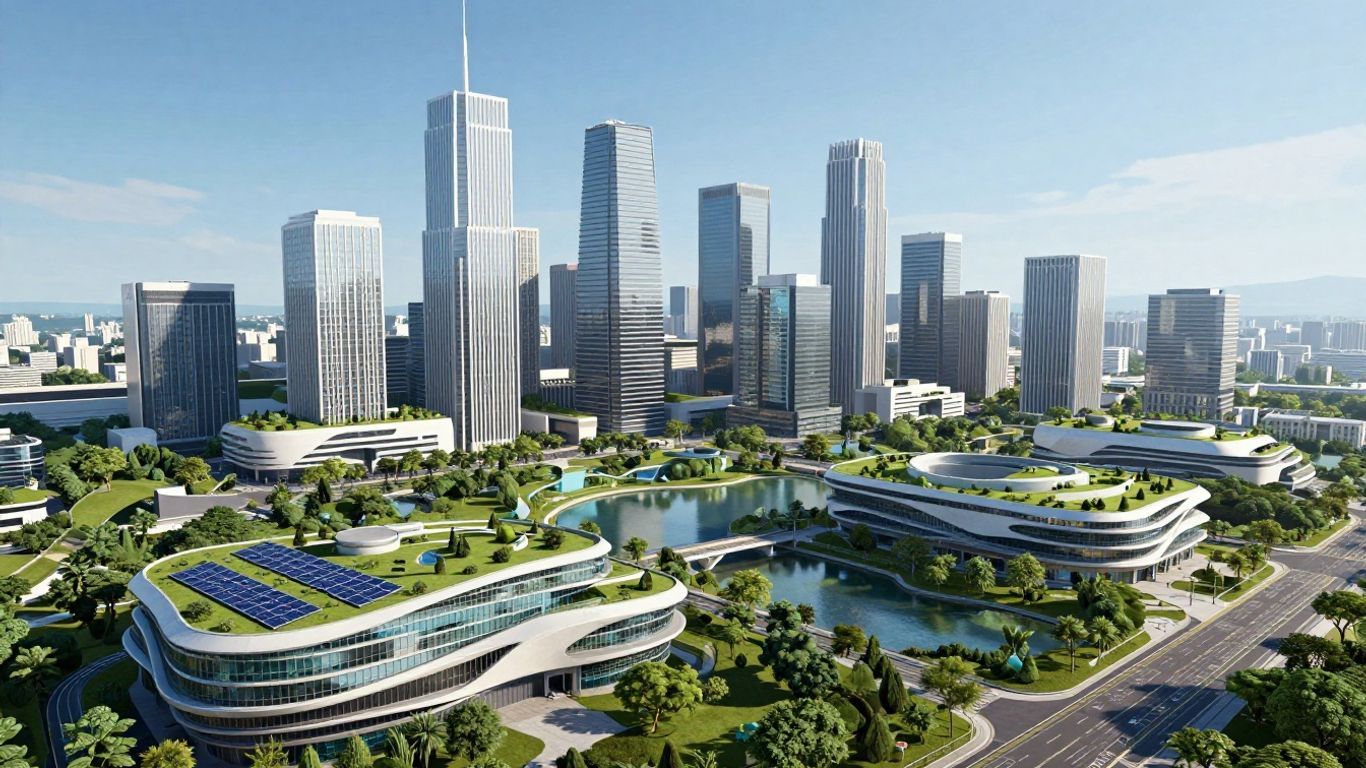
Belmont, one must understand, is not solely defined by its advanced technological prowess; it is also meticulously engineered as a locale where inhabitants can flourish while simultaneously demonstrating profound environmental stewardship. The foundational premise is to construct an urban center that operates with paramount efficiency, conscientiously managing resources rather than consuming them unsustainably. This holistic approach necessitates comprehensive consideration of every operational aspect—from innovative water conservation strategies to sophisticated energy generation methods and advanced waste management protocols.
Sustainable Infrastructure and Resource Efficiency
Fundamentally, Belmont is being meticulously developed with an intrinsic emphasis on superior resource management. One might conceptualize it as a sophisticated closed-loop system, rigorously designed to maximize material reuse and recirculation. Regarding water resources, this entails comprehensive rainwater harvesting and the advanced recycling of greywater from sinks and showers for non-potable uses, such as toilet flushing or irrigating landscaped areas. Such measures significantly mitigate the reliance on external, pristine freshwater supplies.
Turning to energy, the blueprint calls for a substantial reliance on renewable power generation. Photovoltaic solar panels are anticipated to play a pivotal role, quite possibly integrated directly into the architectural fabric of buildings and other urban structures. An intelligent smart grid system will orchestrate this energy distribution, ensuring both optimal efficiency and steadfast power reliability. Waste management, too, receives significant attention. Rather than merely consigning refuse to landfills, Belmont intends to deploy sophisticated systems capable of meticulously sorting recyclables, composting organic matter, and even converting residual non-recyclable waste into usable energy. The ambitious objective is to approach, as closely as feasible, a state of genuine zero waste.
Enhancing Quality of Life Through Technology
Life within Belmont is envisioned to be remarkably comfortable and convenient, with technology acting as an unobtrusive yet powerful enabler. The urban design ethos places a premium on effortless mobility, manifesting in an abundance of pedestrian pathways and inviting public gathering spaces. Verdant green spaces are not merely ornamental but are intrinsically woven throughout the city—serving vital ecological functions such as air purification, effective rainwater management, and offering tranquil locales for repose and recreation. Indeed, these are not confined to diminutive grassy plots; rather, the plans encompass expansive parks and even innovative green roofs atop structures.
Environmental Stewardship as a Core Goal
Beyond its operational efficiencies, Belmont aspires to be a model of proactive environmental stewardship. This commitment translates into safeguarding indigenous flora and fauna wherever feasible, alongside the deliberate cultivation of a thriving ecological balance within the city's confines. The underlying philosophy posits that urban development and natural ecosystems can, indeed, harmoniously coexist. Truly, it represents an ambitious experiment—a profound test to ascertain whether a contemporary, technology-centric metropolis can simultaneously function as a sanctuary that reveres, and even actively augments, its surrounding natural environment.
Belmont's foundational blueprint, then, is predicated upon forging a community where human well-being is inextricably linked to the vitality of its natural surroundings. This entails ensuring the provision of secure pedestrian zones, inviting communal spaces, and health-promoting amenities—all meticulously designed with a constant deference to the preservation of the natural landscape.
When Will Bill Gates' Smart City Be Finished?
Pinpointing the precise completion date for an undertaking as monumental and visionary as Belmont is, frankly, akin to forecasting meteorological conditions a year hence—it's inherently intricate and subject to numerous variables. This is not merely another residential subdivision; it represents a comprehensive, ground-up re-envisioning of urban existence—and such profound transformation, naturally, demands considerable temporal investment. Indeed, a great deal of time.
Understanding the Project's Early Phases
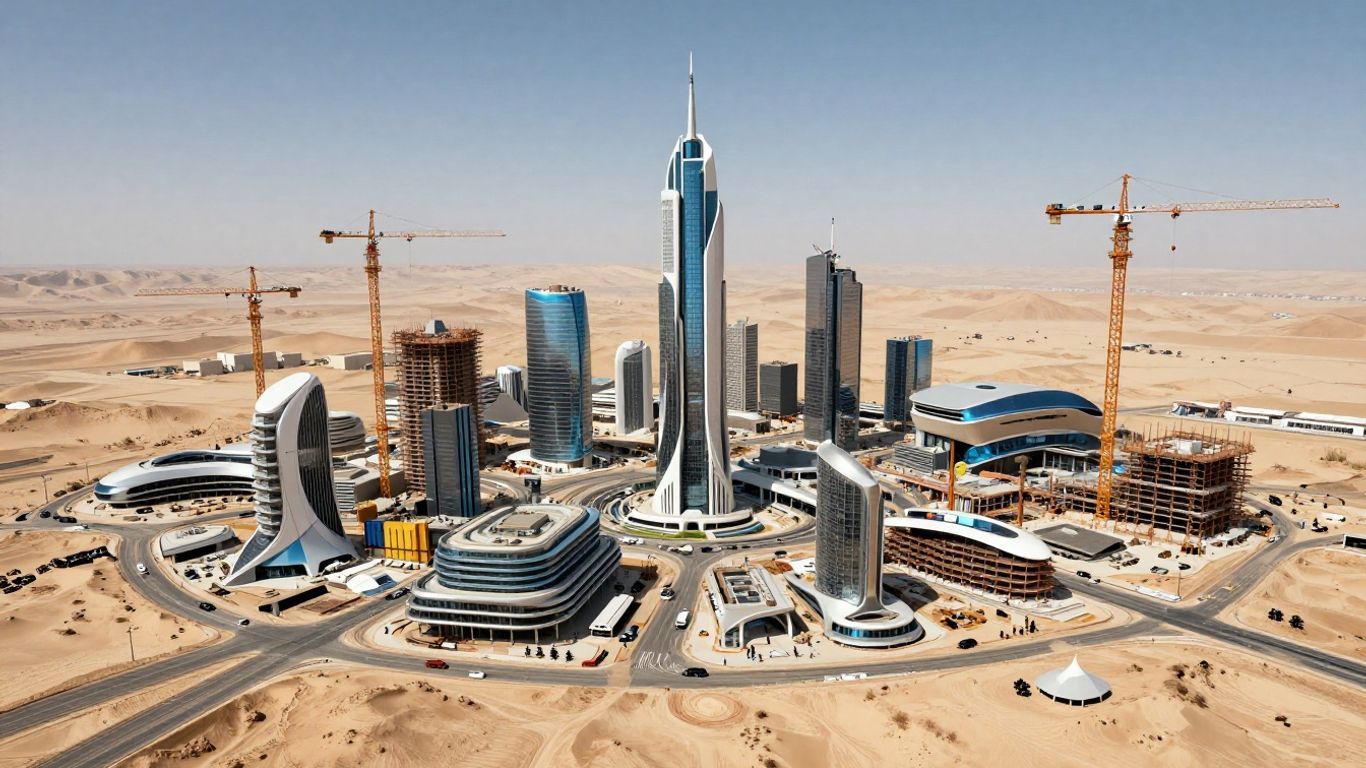
Presently, the Belmont project remains firmly in its nascent stages. While the requisite land has been secured, the foundational blueprints are only now being meticulously delineated. Consider it analogous to constructing the skeletal framework before the musculature and integumentary layers can be applied. These nascent stages encompass extensive planning efforts, the acquisition of essential permits, and the establishment of fundamental infrastructure—including pervasive digital networks, robust utility systems, and preliminary road alignments. It’s the unglamorous but unequivocally indispensable groundwork.
- Land Acquisition: A substantial acreage has been successfully procured in Arizona's burgeoning West Valley, specifically in the vicinity of Buckeye.
- Conceptualization: The fundamental vision for a technologically sophisticated and environmentally sustainable community is currently undergoing rigorous refinement.
- Partnership Formation: Critical alliances with pertinent investment and development consortiums are in the process of being forged.
Long-Term Vision Versus Immediate Completion
It is crucial to differentiate between the overarching, grand vision and the palpable realities one might observe on the ground within the forthcoming years. The eventual objective remains the creation of a fully actualized, flourishing urban center. However, the pragmatic truth is that constructing a city—even one designed for intelligent operation—constitutes a multi-decade undertaking. We are, therefore, contemplating a phased development, wherein distinct sectors of Belmont will incrementally become operational across an extended period. Indeed, early residents may well begin to occupy dwellings even as significant construction activities persist in adjacent zones.
The core ambition is to fashion a city that is not just at the vanguard of technological advancement but also genuinely constitutes an exceptional place to reside, meticulously balancing cutting-edge innovation with essential human requirements and conscientious environmental stewardship. Such a delicate equilibrium, it bears noting, necessitates painstaking, iterative developmental processes.
The Evolving Timeline of a Groundbreaking Project
Given Belmont's designation as a dynamic, living laboratory for pioneering urban development, its project timeline is, by nature, intrinsically adaptive. As novel technologies surface and our collective comprehension of sustainable habitation advances, the developmental plans for Belmont are poised to undergo corresponding modifications. Consequently, there is no singular, rigidly defined "finish line" to anticipate. Instead, it represents an ongoing, iterative process of construction, rigorous testing, and continuous refinement. The entire undertaking, orchestrated by Belmont Partners—an investment consortium affiliated with Bill Gates' Cascade Investment—remains, as we've noted, in its preliminary phases. What one should realistically foresee is a gradual, incremental unfolding, with each successive phase introducing enhanced capabilities and welcoming new residents into the burgeoning community. Ultimately, it is less about a singular grand opening celebration and more about a sustained, organic evolution.
Belmont's Potential Impact and Future Implications
A New Economic Engine for Arizona
The comprehensive development of Belmont is widely anticipated to inject a substantial economic impetus into the state of Arizona. Consider it, if you will, a significant new employment generator and a magnet for pioneering, cutting-edge enterprises. Indeed, this initiative possesses the potential to profoundly—and positively—transform the Phoenix metropolitan area, positioning it as a premier destination for smart city technologies and innovative concepts. The construction phase alone is projected to generate thousands of employment opportunities, ranging from highly skilled engineers to dedicated construction personnel. Upon its operationalization, the city will necessitate a diverse workforce across a spectrum of roles—encompassing technology management, municipal service provision, education, healthcare, and retail sectors. However, the impact extends beyond mere job creation. An increased population and a burgeoning business landscape will translate into enhanced tax revenues for state and local jurisdictions, which can subsequently be reinvested into vital public services such as education, infrastructure, and other communal necessities. Through its deliberate focus on high-technology and environmentally sustainable industries, Belmont could additionally contribute to diversifying Arizona's economic profile, rendering it less reliant on established sectors and more attuned to future-forward advancements.
Belmont's Grand Experiment: Shaping the Future?
Belmont transcends the definition of a mere new development; it stands as a tangible, real-world crucible for exploring the future methodologies of urban construction. Its genesis on previously undeveloped land, constructed entirely from a blank slate, confers upon it a singular advantage. This allows planners to embed cutting-edge smart infrastructure from its inception—elements such as subterranean utility conduits, pervasive sensor networks, and roadways meticulously engineered for autonomous vehicles. Such comprehensive integration presents significant challenges in established urban centers, which must contend with existing architectural frameworks and inherited systems. It offers an unparalleled opportunity to pilot novel approaches to energy management, waste reduction, water conservation, and data-driven urban governance, all executed on an expansive scale. The pivotal inquiry, however, remains whether the successful paradigms developed here can be effectively extrapolated and applied universally. A majority of urban development initiatives, after all, focus on enhancing existing metropolises, a context replete with its own distinct array of complexities. Thus, while Belmont may not offer a direct 'copy-paste' solution for every urban environment, the underlying principles and validated technologies it pioneers could prove immensely valuable.
Transferable Principles for Urban Development
The trajectory of Belmont—its successes and indeed, its challenges—is poised to furnish invaluable lessons for urban centers globally. Below are some pivotal domains where its influence could be most profoundly felt:
- Technological Integration: How effectively does a metropolis operate when its digital backbone is engineered entirely from first principles? Belmont is set to yield critical data regarding the efficacy of ubiquitous high-speed networks, intelligent grids, and advanced data management systems within a genuine urban milieu.
- Sustainable Living: The project's unwavering dedication to resource efficiency, renewable energy deployment, and stringent water conservation within an arid climate represents a crucial test case. Its methodologies for minimizing environmental footprint will undoubtedly garner close scrutiny.
- Quality of Life: The core objective is to harness technology to tangibly enhance residents' quality of life. This encompasses a broad spectrum, from highly efficient transportation solutions to exceptionally responsive public services. Observing the synergistic coalescence of these diverse elements will be of paramount importance.
Constructing a city from its foundational elements offers an unparalleled opportunity to intrinsically embed both innovation and sustainability from the earliest stages. However, the authentic benchmark of its success will ultimately rest upon its capacity to foster a truly livable, equitable, and adaptable community, rather than merely an advanced technological showcase. The insights gleaned—be they positive triumphs or challenging setbacks—will, without question, profoundly inform subsequent urban planning endeavors worldwide.
Ultimately, the enduring viability of Belmont's long-term vision pivots on its ability to genuinely forge an enhanced paradigm for human habitation. This endeavor transcends mere advanced technology; it is fundamentally about cultivating a community where individuals can meaningfully connect, robustly thrive, and experience a profound sense of belonging. Will it emerge as a resplendent exemplar of urban innovation, or perhaps serve as a cautionary narrative concerning the inherent complexities of constructing the future? Only the unfolding of time will definitively reveal its legacy.
Looking Ahead: The Future of Belmont and Smart Cities
Consequently, one might ponder: when, precisely, will Belmont—Arizona's audacious smart city initiative—reach completion? Candidly, that remains the seminal, multi-million-dollar query, and the reality dictates that it is very much an evolving, ongoing enterprise. This is far from a casual weekend DIY endeavor; rather, it represents a colossal undertaking, one that necessitates constructing an entire urban community from its very foundations, with sophisticated technology intrinsically integrated into its fundamental fabric. While the initial land acquisition occurred some years prior, the substantive construction and developmental phases are progressing incrementally, and a project of this unparalleled scale unequivocally demands a protracted timeline—indeed, a significant expanse of time. We are, therefore, contemplating decades, not merely years, for its full realization. What has been unveiled thus far encompasses the conceptual plans, the overarching vision, and the indispensable early groundwork. Whether it ultimately emerges as a seminal blueprint for future urban landscapes or encounters unforeseen complexities, only the passage of time will definitively reveal. Nevertheless, one certainty persists: the unfolding journey of Belmont will offer a wealth of observations and profound learning opportunities as urban centers globally strive for enhanced intelligence and efficiency.
Frequently Asked Questions
What is the name of the smart city project in Arizona linked to Bill Gates?
The ambitious smart city initiative in Arizona frequently associated with Bill Gates is officially named Belmont. It is envisioned as a cutting-edge, technologically advanced community.
Where exactly is Belmont being built in Arizona?
Belmont is slated for development in the western region of Arizona, specifically in proximity to the town of Buckeye. This locale is situated to the west of Phoenix, the state's capital.
Who is actually developing Belmont?
Belmont is under development by an entity known as Belmont Partners. This investment collective maintains affiliations with Bill Gates' private investment firm.
What is the main goal or purpose of building Belmont?
The primary objective is to construct an entirely new city from the ground up, leveraging advanced technology to enhance quality of life, optimize efficiency, and promote environmental sustainability. It is conceived as a proving ground for innovative urban living concepts.
How big is the Belmont project?
The project spans an expansive area of approximately 24,800 acres. This considerable landmass is sufficiently vast to ultimately accommodate around 80,000 residences and a substantial number of commercial enterprises.
When will Belmont be finished?
Belmont represents a decidedly long-term undertaking, currently in its nascent developmental phases. Its construction is planned in stages, precluding a singular, definitive completion date. Consequently, full development is anticipated to span numerous years, potentially even decades.


