
resources
Understanding the Growth and Trends of the Bristol Population in the UK
11 Jul 2025

So, you wanna know about how Bristol’s population is doing? It’s pretty interesting, actually. This city has seen some real changes over the years, and it keeps growing. We’re gonna look at where it’s been, where it is now, and what might happen in the future. We’ll also check out what makes people move here, or leave, and how all that affects things like housing and jobs. Basically, we’re trying to get a handle on the bristol population uk story.
Key Takeaways
- Bristol’s metro area population hit 720,000 in 2025, showing continued growth.
- The city has been growing steadily, with increases around 0.8% to 1.0% each year recently.
- Things like people moving in and out, plus birth and death rates, really shape Bristol’s population numbers.
- Economic chances play a big part in why people come to Bristol, affecting its growth.
- Understanding Bristol’s population helps us see how it impacts housing, jobs, and the community overall.
Historical Overview of Bristol’s Population Growth
Tracing Population Trends from Mid-20th Century
Okay, so let’s talk about how Bristol’s population has changed over time. If you look back to the mid-20th century, things were pretty different. Post-war, there was a lot of rebuilding and redevelopment going on, which naturally had an impact on where people lived and how many people lived there. It wasn’t just a steady climb; there were periods of faster growth, slower growth, and even some decline in certain areas. Understanding these shifts is key to grasping where Bristol is today. The mid-20th century marked a period of significant urban transformation in Bristol.
- Post-war redevelopment influenced population distribution.
- Fluctuations in growth rates occurred.
- Specific areas experienced periods of decline.
Key Milestones in Bristol’s Demographic Development
There have been some really important moments that shaped Bristol’s population. Think about the construction of new housing estates, major industrial changes, and big transport projects. Each of these events caused ripples in the demographic makeup of the city. For example, when certain industries boomed, people flocked to Bristol for work. When those industries declined, people sometimes moved away. These milestones aren’t just dates on a timeline; they’re turning points that changed the course of Bristol’s story. It’s important to consider Bristol’s demographic development over time.
Factors Influencing Early Population Shifts
So, what were the big drivers behind those early population changes? Well, it’s a mix of things. Economic opportunities (or lack thereof) played a huge role. People move to where the jobs are, right? But it’s not just about jobs. Housing availability, transport links, and even things like the quality of schools all had an impact. And let’s not forget about government policies and planning decisions. All these factors combined to create the Bristol we know today. It’s a complex picture, but a fascinating one. Here’s a quick look at some of the key factors:
- Economic opportunities
- Housing availability
- Government policies
Understanding these factors helps us appreciate the historical context of Bristol’s population growth. It wasn’t just random; it was the result of specific events and decisions.
Current Demographics of Bristol’s Metro Area

Analyzing the 2025 Population Projections
Okay, so let’s talk about where Bristol’s population stands right now. As of 2025, the metro area is estimated to have 720,000 residents. That’s a pretty significant number, and it reflects the continued growth the city has been experiencing. It’s not just a number, though; it represents a whole lot of people living, working, and contributing to the city’s vibe. Understanding this figure is key to planning for the future, from housing to transportation. It’s important to consider how this population growth impacts the city’s resources and infrastructure.
Recent Annual Growth Rates Explained
Bristol isn’t just growing; it’s been growing steadily. The annual growth rate gives us a sense of how quickly the population is changing. For example, from 2024 to 2025, the metro area saw an increase of about 0.84%. While that might seem small, it adds up when you’re talking about hundreds of thousands of people. Looking back a bit, the growth from 2023 to 2024 was around 0.99%, and from 2022 to 2023, it was about 0.86%. These rates fluctuate a bit year to year, but the overall trend is upward. Here’s a quick look at the recent growth:
| Year | Population | Annual Growth Rate |
|---|---|---|
| 2022 | 701,000 | 1.01% |
| 2023 | 707,000 | 0.86% |
| 2024 | 714,000 | 0.99% |
| 2025 | 720,000 | 0.84% |
Understanding the 720,000 Metro Area Figure
So, what does that 720,000 figure really mean? It’s not just the number of people living within the city limits of Bristol. It includes the surrounding areas that are closely connected to the city economically and socially. This "metro area" definition is important because it gives us a more complete picture of the region’s population. It accounts for people who might live just outside the city but still work, shop, and use services in Bristol. The metro area definition can vary, but generally includes areas with strong commuting ties to the city. It’s a more realistic way to understand the demographics of Bristol and plan for its future needs.
The metro area figure is a dynamic number. It changes as the city expands and as new developments connect previously separate areas. It’s a useful tool for understanding the overall scale of Bristol’s urban footprint and its influence on the surrounding region.
Here are some factors that contribute to the metro area’s population:
- Natural increase (births minus deaths)
- In-migration from other parts of the UK
- International migration
- Expansion of suburban areas
Drivers of Population Change in Bristol
Impact of In-Migration and Out-Migration
Migration plays a big role in how Bristol’s population changes. More people moving into Bristol than moving out leads to population growth, and vice versa. It’s not just about the numbers, though. The age and skill sets of people moving in or out also affect the city. For example, a large influx of young professionals can boost the economy, while a significant outflow of skilled workers could create challenges. Understanding these patterns is key to planning for the future. The ONS revisions to population projections highlight the importance of migration.
Role of Birth and Death Rates
Birth and death rates are fundamental drivers of population change. When the birth rate exceeds the death rate, the population naturally increases. However, factors like access to healthcare, lifestyle choices, and the age structure of the population can influence these rates. For instance, an aging population might experience higher death rates, while improved healthcare can lower them. Similarly, changes in family planning and economic conditions can affect birth rates. These demographic shifts have long-term implications for Bristol’s future.
Economic Opportunities and Their Influence
Economic opportunities are a major draw for people considering a move to Bristol. A strong job market, thriving industries, and prospects for career advancement can attract individuals and families. Conversely, a lack of opportunities or economic downturns can lead to out-migration. Bristol’s economy, with its mix of creative, tech, and service sectors, has been a significant factor in its population growth. The availability of affordable housing, quality education, and good infrastructure also play a role in making Bristol an attractive place to live and work. The Bristol metro area continues to grow, in part, due to these economic factors.
Understanding the interplay between migration, birth/death rates, and economic opportunities is crucial for predicting and managing Bristol’s population growth. These factors are interconnected and influence each other in complex ways. For example, economic growth can attract migrants, which in turn can affect birth rates and the age structure of the population.
Here’s a simplified look at how these factors interact:
- Migration: Attracts working-age adults, potentially increasing the birth rate.
- Birth Rate: Contributes to long-term population growth and changes the age structure.
- Death Rate: Influenced by healthcare, lifestyle, and the age structure of the population.
- Economic Opportunities: Attracts migrants and influences decisions about family size.
Future Projections for Bristol’s Population
Forecasting Growth Beyond 2025
Okay, so what’s next for Bristol? Looking past 2025, things get a little less certain, but we can still make some educated guesses. A lot of models suggest continued growth, but at what rate? That’s the million-dollar question. It really depends on a bunch of things staying more or less the same – like people still wanting to move here, and the economy not totally tanking. If Bristol keeps being a cool place to live and work, then yeah, we’ll probably see the numbers keep climbing. But if things change? All bets are off. We need to consider long-term trends to get a clearer picture.
Anticipated Demographic Shifts
It’s not just about how many people, but who those people are. We’re likely to see some shifts in the age groups, ethnic backgrounds, and family structures that make up Bristol. For example, if more young families move in, we might need more schools and parks. If the population gets older, we’ll need more healthcare facilities. And as Bristol becomes even more diverse, it’s important to think about how to make sure everyone feels welcome and has what they need. These demographic shifts will shape the city’s future.
Challenges and Opportunities of Future Growth
More people means more of everything – more houses, more jobs, more traffic. That’s both a good thing and a potential headache. The challenge is making sure we can handle the growth without making life worse for everyone. Can we build enough affordable housing? Can we create enough jobs? Can we keep the air clean and the streets safe? If we can figure that out, then Bristol’s future looks pretty bright. If not, we might end up with a city that’s overcrowded and overpriced.
Planning for population growth involves balancing economic development with environmental sustainability and social equity. It requires proactive policies and community engagement to ensure a high quality of life for all residents.
Here are some key areas to consider:
- Infrastructure Development: Investing in transport, utilities, and public services.
- Sustainable Housing: Building affordable and environmentally friendly homes.
- Community Engagement: Involving residents in planning and decision-making.
Socio-Economic Implications of Population Trends
Impact on Housing and Infrastructure
Okay, so more people means more houses, right? But it’s not that simple. Bristol’s seen a surge, especially among young adults, and that puts a strain on the housing market. We’re talking about affordability, availability, and the types of homes being built. Are we building enough family homes, or just studio apartments? And what about the infrastructure? More people need more schools, better roads, and reliable public transport. It’s a balancing act, and sometimes it feels like we’re falling behind. The housing market is definitely feeling the pressure.
Effects on Employment and Labor Market
On the flip side, a growing population can be good for the economy. More people means a bigger workforce, which can attract businesses and create jobs. But again, it’s not that simple. Are people getting the right skills for the jobs that are available? Are there enough opportunities for everyone, or are we seeing increased competition and wage stagnation? It’s a complex picture, and it depends on a lot of factors, like education, training, and the types of industries that are thriving in Bristol. The recent increase in Bristol’s population has definitely impacted the labor market.
Demographic Diversity and Community Development
Bristol’s always been a pretty diverse city, and that’s something to celebrate. But as the population grows and changes, it’s important to think about how different communities are interacting and integrating. Are we creating inclusive spaces where everyone feels welcome and valued? Are we addressing inequalities and ensuring that everyone has the opportunity to thrive? Community development is key, and it requires a conscious effort to build bridges and foster understanding. Bristol’s population growth has led to increased demographic diversity.
It’s important to remember that population trends aren’t just numbers on a spreadsheet. They represent real people, with real lives and real needs. As Bristol continues to grow, it’s crucial that we consider the social and economic implications of that growth, and work together to create a city that is fair, sustainable, and inclusive for everyone.
Here’s a quick look at how population growth might affect different aspects of community life:
- Increased demand for social services
- Greater need for community centers and public spaces
- Opportunities for cross-cultural exchange and understanding
Comparing Bristol’s Growth to Other UK Cities
Relative Growth Rates Across the UK
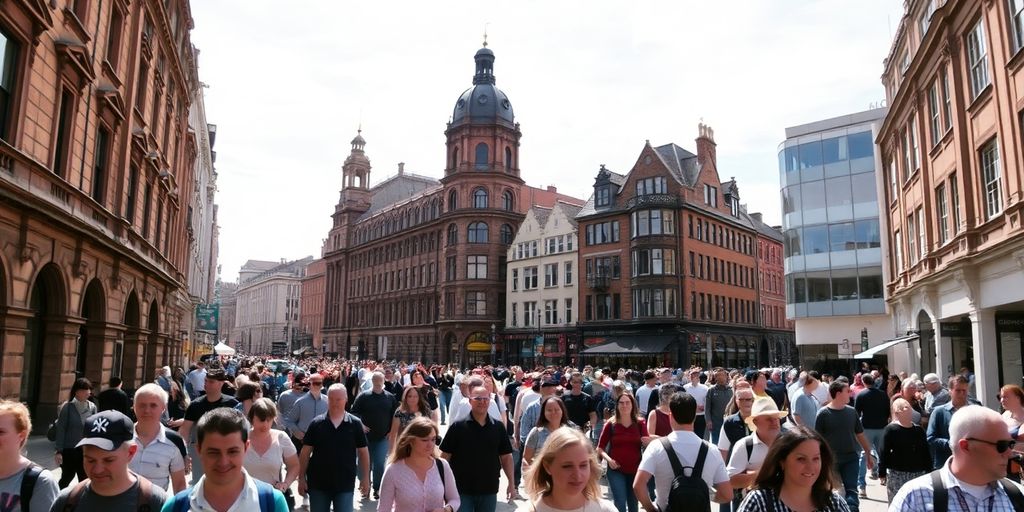
So, how does Bristol stack up against other cities in the UK? It’s a fair question. Bristol has seen pretty solid growth, but it’s not alone. Cities like Manchester and Birmingham have also experienced significant population increases in recent years. The key is understanding the rate of growth. Some cities might have a larger overall population, but Bristol’s growth rate could be higher, indicating a faster pace of change. For example, Bristol, the eighth largest city in England and Wales outside London, experienced a 10% population increase (44,000 people) over the last decade.
Unique Factors Driving Bristol’s Expansion
What makes Bristol, well, Bristol? It’s not just one thing, but a combination of factors. You’ve got a strong economy, especially in creative and tech industries. That draws people in. Then there’s the quality of life – good schools, green spaces, and a generally cool vibe. Plus, it’s close to other major cities like London and Cardiff, but without the crazy cost of living of London. All these things together create a unique pull. Other cities might have some of these factors, but Bristol’s particular mix is what sets it apart.
Lessons from Other Urban Centers
We can learn a lot by looking at how other cities have handled growth. Some have done it well, others… not so much. For example, look at cities that have invested heavily in public transport to manage congestion, or those that have focused on sustainable development to protect the environment. The challenges Bristol faces – housing shortages, infrastructure strain, and maintaining a good quality of life – are common to many growing cities. By studying their successes and failures, Bristol can make smarter choices about its own future. Here are some key areas where other cities offer valuable lessons:
- Infrastructure Planning: How have other cities expanded their transport networks to cope with increased demand?
- Affordable Housing: What policies have been effective in creating affordable housing options for a growing population?
- Environmental Sustainability: How can Bristol learn from other cities’ efforts to reduce their carbon footprint and protect green spaces?
It’s important to remember that every city is different. What works in one place might not work in another. But by studying the experiences of other urban centers, Bristol can gain valuable insights and avoid making the same mistakes. It’s about adapting best practices to fit the city’s unique context and needs.
Methodology for Population Data Collection
Sources of Demographic Information
Understanding where population data comes from is key to interpreting it correctly. In the UK, the primary source is the Office for National Statistics (ONS). They conduct the census every ten years, which is a comprehensive count of the population. The census provides a wealth of information about age, sex, ethnicity, employment, and housing. Besides the census, the ONS also publishes annual population estimates, based on birth and death registrations, and migration data. Local authorities also collect data, often through surveys and administrative records, which can provide more detailed insights at a local level. Other sources include NHS data on births and deaths, and school enrollment figures.
Understanding Metro Area Definitions
Defining a "metro area" isn’t always straightforward, and different definitions can lead to different population figures. Generally, a metro area includes a core urban area and its surrounding areas that are socio-economically linked. The ONS uses various definitions, including ‘Built-up Areas’ and ‘Travel to Work Areas’. These definitions consider factors like commuting patterns and economic interdependence. For Bristol, the metro area typically includes the city itself, as well as surrounding towns and suburbs in South Gloucestershire, North Somerset, and Bath and North East Somerset. It’s important to be aware of the specific definition used when comparing population figures from different sources. For example, the UK’s social data might use different boundaries than other sources.
Accuracy and Limitations of Population Estimates
While population estimates are generally reliable, it’s important to acknowledge their limitations. Estimates are based on models and assumptions, which can introduce errors. For example, migration patterns can be difficult to predict accurately, especially in times of economic or political change. The accuracy of the census depends on the response rate, and some groups may be underrepresented. Annual population estimates are subject to revision as new data becomes available. It’s also worth noting that population figures are a snapshot in time, and the population is constantly changing. Therefore, it’s important to use population data with caution and to consider the potential sources of error.
Population estimates are not perfect. They are based on complex statistical models that rely on various assumptions. These assumptions can be affected by unforeseen events, such as economic downturns or changes in migration patterns. Therefore, it’s important to interpret population data with a critical eye and to be aware of the potential for error.
Here are some factors affecting accuracy:
- Response rates to surveys
- Accuracy of birth and death registrations
- Migration data reliability
- Changes in data collection methods
Conclusion: What Bristol’s Population Story Tells Us
So, we’ve looked at how Bristol’s population has been changing, and it’s pretty clear the city is growing. We saw those numbers, like how the metro area hit 720,000 folks in 2025, a small but steady increase from the year before. This isn’t just about more people; it means more homes needed, more traffic on the roads, and more demand for things like schools and healthcare. Understanding these trends helps us see what’s coming. It’s not about predicting the future perfectly, but about getting a better idea of what the city might need to handle as it keeps getting bigger. It’s a lot to think about for anyone living in or planning for Bristol.
Frequently Asked Questions
How has Bristol’s population changed over the years?
Bristol’s population has been growing steadily for a long time, even before the middle of the 1900s. We’ll look at how it changed from that time up to today, highlighting important moments in its growth.
What is the expected population for Bristol in 2025?
For 2025, it’s thought that Bristol’s metro area population will be around 720,000 people. This number shows a small but steady increase from the years before.
What makes Bristol’s population go up or down?
The main reasons Bristol’s population changes are people moving in and out, the number of babies born versus people who pass away, and the job opportunities available in the city. Good jobs often bring more people.
What does the future hold for Bristol’s population after 2025?
Looking past 2025, experts believe Bristol will keep growing. This means we’ll see more changes in who lives here and what the city needs, like more homes and services.
How does population growth affect Bristol as a city?
When more people live in Bristol, it affects things like how many houses are needed, how busy the roads are, and what kinds of jobs are available. It also changes how diverse the community becomes.
Where do we get the numbers for Bristol’s population, and what does ‘metro area’ mean?
We get information about Bristol’s population from official reports and studies. The ‘metro area’ usually means the main city and the towns right around it. These numbers are good estimates, but they can’t be perfectly exact.
Share

Peyman Khosravani
Industry Expert & Contributor
Peyman Khosravani is a global blockchain and digital transformation expert with a passion for marketing, futuristic ideas, analytics insights, startup businesses, and effective communications. He has extensive experience in blockchain and DeFi projects and is committed to using technology to bring justice and fairness to society and promote freedom. Peyman has worked with international organisations to improve digital transformation strategies and data-gathering strategies that help identify customer touchpoints and sources of data that tell the story of what is happening. With his expertise in blockchain, digital transformation, marketing, analytics insights, startup businesses, and effective communications, Peyman is dedicated to helping businesses succeed in the digital age. He believes that technology can be used as a tool for positive change in the world.


