


citiesabc, first_page
How Do You Build a Social Life After Moving to a New City?
24 Aug 2026

Moving to a new city can provide career opportunities, independence and a fresh start. It can also remove the casual relationships that previously made everyday life feel familiar.
Friendships rarely appear from a single networking event. They usually develop through repeated contact, shared activity and gradual trust. The practical objective is therefore not to “meet as many people as possible,” but to create routines that place you around compatible people consistently.
Key takeaways
- Build recurring social routines instead of relying on occasional events.
- Choose activities that naturally create conversation.
- Prioritise repeated contact over collecting new contacts.
- Convert promising encounters into specific follow-up plans.
- Combine local groups, volunteering, work and neighbourhood connections.
- Expect friendship-building to take time.
- Seek professional support if isolation begins affecting everyday functioning.
Why can moving to a new city feel lonely?
Relocation disrupts several layers of connection simultaneously. A newcomer may lose nearby friends, familiar colleagues, neighbourhood recognition and the small interactions created by established routines.
Remote work can intensify the problem because arriving in a city no longer guarantees access to a workplace community.
The US Centers for Disease Control and Prevention describes social connection as involving the size, diversity, function and quality of a person’s relationships. This means a busy calendar is not necessarily evidence of meaningful connection.
Before relocating, Citiesabc’s complete moving to a new city checklist can help organise housing, transport and essential services. Once those practical foundations are stable, social integration deserves its own plan.
1. Build a weekly social structure
Do not wait until the weekend to decide whether to socialise. Create two or three recurring commitments and protect them in the calendar.
A practical starting structure could include:
- One activity based on an existing interest
- One neighbourhood or community activity
- One informal invitation or follow-up each week
The activity matters less than its frequency. A weekly running club usually creates more opportunity for friendship than a large festival attended once.
Choose commitments that are realistic for your budget, transport options and energy. Citiesabc’s guide to saving before moving to a new city can help prevent relocation costs from eliminating the money available for social activities.
2. Use interests as a social filter

Generic networking events can produce many introductions but few natural reasons to reconnect. Interest-based activities provide an immediate subject for conversation and attract people with at least one shared preference.
Options include:
- Sports leagues and exercise classes
- Book clubs and writing groups
- Language exchanges
- Cooking or art workshops
- Board-game evenings
- Professional associations
- Faith communities
- Urban gardening groups
- Walking or cycling clubs
- Local cultural organisations
Select one activity you already enjoy and one you are curious about. The first creates familiarity; the second makes the move feel exploratory.
3. Go to the same places repeatedly
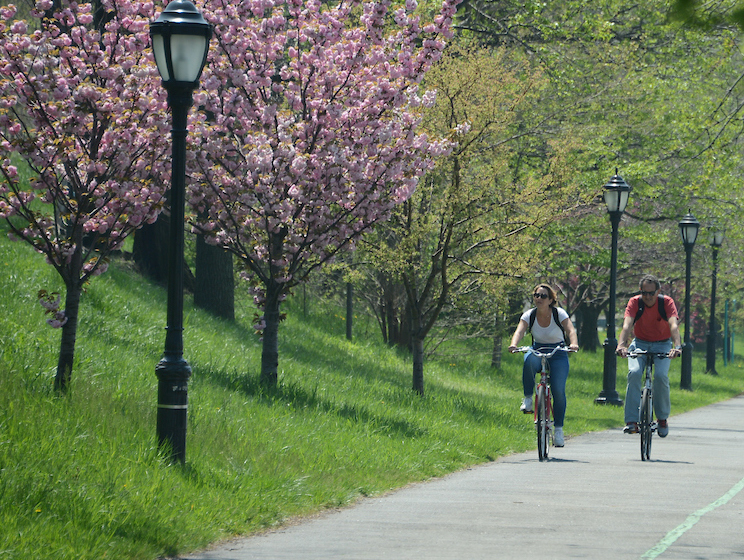
Familiarity is an underestimated part of belonging. Using the same café, library, market, park or exercise class allows small interactions to accumulate.
The progression is often gradual:
- Recognising a face
- Exchanging a greeting
- Having a brief conversation
- Learning something about each other
- Making a plan outside that setting
This approach is especially useful for people who dislike formal networking. It turns ordinary city life into a low-pressure social environment.
Walkable neighbourhoods, public spaces and reliable transport can make repeated participation easier. Social opportunities have limited value if reaching them requires an exhausting or expensive journey.
4. Volunteer for a recurring responsibility
Volunteering creates shared purpose and gives strangers a reason to cooperate.
Look for organisations that need regular help rather than only one-day attendance. Possibilities include:
- Food-distribution programmes
- Animal shelters
- Community gardens
- Youth mentoring
- Local festivals
- Museums and cultural venues
- Environmental clean-ups
- Refugee-support organisations
- Neighbourhood associations
A recurring responsibility creates accountability: people expect you to return, learn your name and gradually include you in the group.
Before volunteering, verify the organisation, understand the role and confirm any safeguarding or background-check requirements.
5. Turn acquaintances into actual plans
Many potential friendships stop after a pleasant conversation because nobody proposes a next step.
Avoid saying only, “We should meet sometime.” Make the invitation specific:
I’m going to the Saturday market at 11. Would you like to join me?
Low-pressure invitations work well during the early stage of a friendship:
- Coffee after an activity
- A walk through a local neighbourhood
- Lunch near the office
- Visiting a market or exhibition
- Attending the next group event together
If someone declines once, that does not necessarily indicate rejection. If they repeatedly decline without suggesting another time, redirect your effort elsewhere.
6. Use digital platforms to reach physical communities
Local apps and online groups can help discover events, but they should act as bridges to real interaction rather than become substitutes for it.
Search for:
- Neighbourhood groups
- Local event calendars
- Sports and hobby communities
- Alumni networks
- Professional meet-ups
- Community-centre programmes
- Library events
- Local volunteering databases
Review the organiser, venue, attendance history and group rules before participating. For an initial meeting with someone unknown, choose a public location and tell a trusted person where you will be.
7. Use work carefully but do not depend on it
Coworkers can provide an immediate starting network, particularly when joining an office-based team. Attend optional lunches, professional groups or community days when they genuinely interest you.
However, relying entirely on colleagues can leave the social network vulnerable to a job change. Aim to develop at least one connection route unrelated to employment.
Remote workers may need to create workplace-style contact deliberately through coworking days, industry events, professional associations or regular work sessions in public spaces.
8. Explore the city with other newcomers
People who recently relocated are often more available and motivated to form relationships than residents with established schedules.
Newcomer groups can make it easier to discuss practical concerns such as transport, neighbourhoods and local customs. They can also reduce the feeling that everyone else already has a complete social circle.
Do not limit the network to newcomers indefinitely. Combine those connections with neighbourhood activities involving longer-term residents.
Cities with cultural variety may provide more entry points through food, language and community events. Citiesabc’s guide to the most diverse US cities can help explain how different forms of diversity shape urban life.
9. Create a monthly “social portfolio”
A balanced social life usually contains different types of relationships rather than one person meeting every need.
At the end of each month, ask:
| Connection type | Useful question |
|---|---|
| Local familiarity | Do people recognise me in my neighbourhood? |
| Shared interests | Do I attend a recurring activity? |
| Practical support | Is there someone locally I could contact in an emergency? |
| Deeper friendship | Have I had a meaningful one-to-one conversation? |
| Professional community | Am I connected beyond my immediate workplace? |
| Existing relationships | Am I maintaining important long-distance friendships? |
This is not a scorecard for popularity. It helps identify which form of connection is missing.
A practical 30-day social plan
Week 1: Establish local familiarity
- Introduce yourself to a neighbour where appropriate.
- Visit the nearest library, park or community centre.
- Identify three recurring local activities.
- Choose one regular café, walking route or public space.
Week 2: Join
- Attend two suitable group activities.
- Ask one colleague or neighbour for a local recommendation.
- Register for one recurring class, club or volunteer role.
Week 3: Follow up
- Message two people you enjoyed speaking with.
- Suggest one specific, low-pressure activity.
- Return to the same group rather than searching constantly for new ones.
Week 4: Review
- Keep the activities that produced natural interaction.
- Stop attending groups that feel incompatible or unsafe.
- Schedule next month’s recurring commitments.
- Contact someone you would like to know better.

Common mistakes to avoid
Attending only one-off events
Large events can be enjoyable, but recurring groups provide more opportunities for recognition and trust.
Trying to appear endlessly available
Overcommitting can make socialising exhausting. Consistency matters more than filling every evening.
Treating every interaction as networking
Friendship requires curiosity, reciprocity and time. Avoid turning conversations into job searches or personal promotion.
Expecting immediate closeness
A promising acquaintance is not yet a close friend. Allow the relationship to develop without forcing intimacy.
Abandoning existing relationships
Maintain contact with friends and family from the previous city while building local connections. Old and new relationships can coexist.
When should loneliness be taken seriously?
Feeling unsettled after relocation is common. Persistent isolation deserves attention when it begins affecting sleep, appetite, concentration, work, self-care or the willingness to leave home.
An AI companion or social platform should not be treated as a replacement for human support. Contact a qualified healthcare professional or local support service when loneliness is prolonged or accompanied by significant distress.
Final thoughts
Building a social life after moving to a new city is less about confidence than structure.
Choose recurring activities, revisit the same places, volunteer, make specific invitations and give relationships time to develop. A useful first target is not a large friendship group. It is a reliable weekly routine, several familiar faces and one or two people with whom contact is gradually becoming easier.
Belonging is usually created through repetition—not discovered in a single perfect event.
FAQs
How long does it take to make friends in a new city?
There is no fixed timeline. Regular contact can produce acquaintances relatively quickly, while trusted friendships generally require repeated interaction and shared experience.
What is the best way to meet people after relocating?
Recurring interest groups, volunteering, neighbourhood activities and classes are usually stronger than isolated networking events because they create repeated contact.
How can an introvert build a social life in a new city?
Choose structured, smaller activities with a clear purpose. Book clubs, workshops, volunteering and walking groups reduce the pressure to initiate completely unstructured conversations.
Should you use friendship apps after moving?
They can help identify compatible people and local events. Use them as an introduction channel, meet initially in public and move towards consistent offline interaction.
How do remote workers meet people in a new city?
Use coworking spaces periodically, attend professional communities and build recurring activities unrelated to work.


