
resources
Building Sustainable Cities and Society for a Better Future
13 Nov 2025

Cities are rapidly expanding, and the strategies we employ for their development and management are profoundly critical for our collective future. Essentially, this means ensuring our urban areas are beneficial for both residents and the planet. This involves more strategic urban planning, leveraging innovative technologies, and fostering social equity to ensure everyone has a fair shot. Ultimately, it’s all about creating places where we can all live well, now and for years to come. So, let’s delve into what truly makes sustainable cities and society tick.
Key Takeaways
- Cities are growing rapidly, and their development is key to global progress.
- Sustainable urban development needs smart planning, robust infrastructure, and dedicated environmental care.
- New technologies can significantly enhance urban efficiency and livability.
- Social fairness and community resilience are vital for thriving urban environments.
- Global goals and agreements guide efforts to build better cities for everyone.
Foundations of Sustainable Cities and Society
Cities are far more than mere residential hubs; they are dynamic centers of innovation, trade, culture, and progress. They serve as engines of economic growth and societal evolution. Understanding how urban centers function and evolve is fundamental to cultivating a more prosperous future for everyone. The way we plan and manage our urban areas has a direct, indelible impact on global development.
Related Content:
Understanding the Urban Millennium
Indeed, humanity has entered a distinct era, aptly termed the 'urban millennium.' For the first time in history, more than half of the world's population resides in cities. This trend is only anticipated to intensify, with projections indicating that two-thirds of the global populace will be living in urban areas by 2050. This rapid growth presents a dual landscape of opportunities and formidable challenges. Cities are veritable economic powerhouses, generating a significant portion of the world's GDP, but they simultaneously concentrate significant issues like escalating resource consumption and pervasive pollution.
The Role of Cities in Global Development
Cities are undeniably powerful engines of growth and development. They are the crucibles where novel ideas are forged, businesses flourish, and vibrant cultural exchanges occur. However, their concentration of people and activities also means they are at the very vanguard of pressing global challenges. Issues such as climate change, resource scarcity, and social inequality are frequently most acutely observed in urban settings. Addressing these challenges within cities is therefore absolutely critical for the realization of broader global development objectives.
Historical Context of Sustainable Settlements
The idea of creating well-planned settlements is by no means a novel concept. Early urban planning documents, such as Chapter 7 of Agenda 21, have long underscored the imperative to enhance the quality of life in both urban and rural areas, particularly for disadvantaged populations. Even before that, landmark reports like "Our Common Future" in 1987 brought to the fore the "Urban Challenge" due to rapid population growth in developing regions. These historical efforts demonstrate a protracted awareness of the need for thoughtful urban development, thereby establishing the foundational principles for today's intense focus on sustainable urban development.
The increasing concentration of people in cities means that urban planning and management transcend mere local concerns. They are pivotal in addressing overarching global challenges and achieving a sustainable future for all.
Key Pillars for Sustainable Urban Development
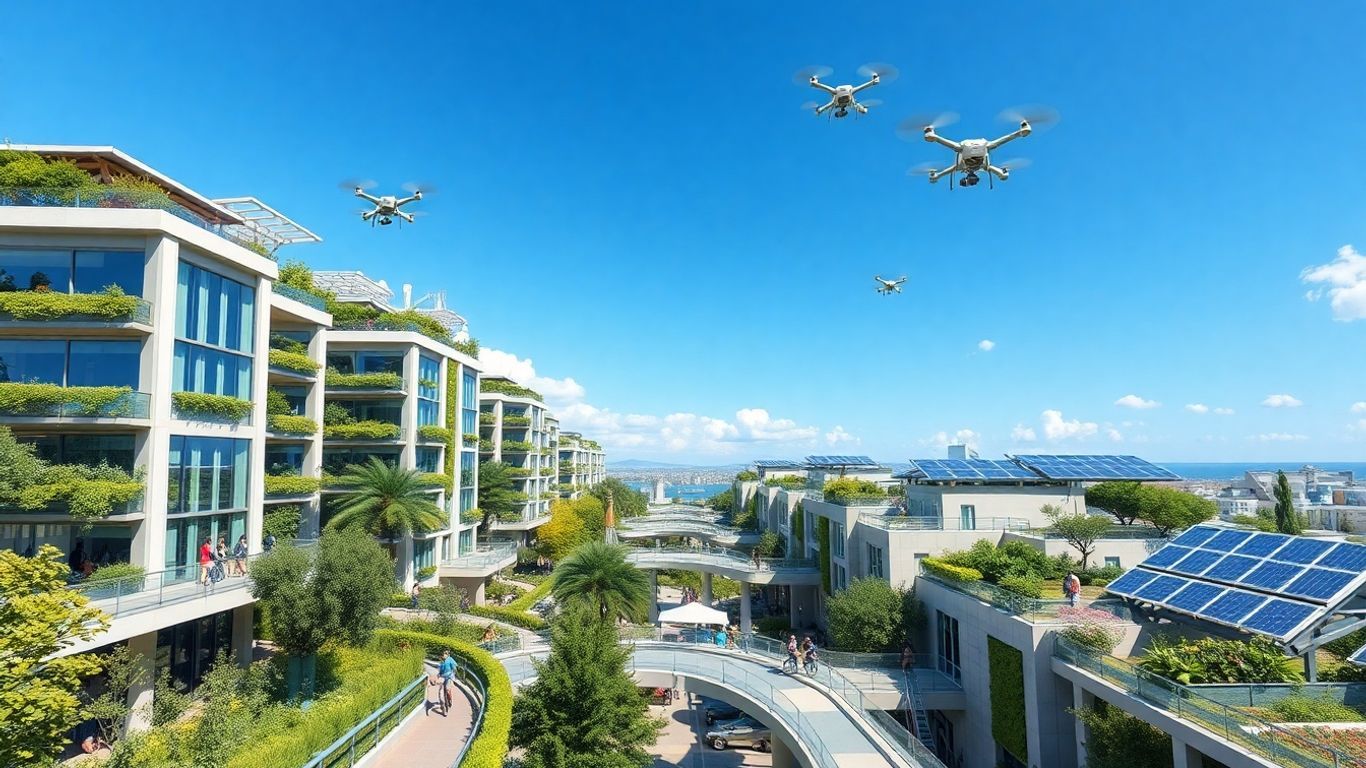
Building urban environments that genuinely work for everyone, now and in the future, means focusing on several profoundly significant domains. It’s less about mere expansion and more about cultivating intelligence and equity in construction. One might consider these the foundational pillars for a city that can withstand unforeseen challenges and provide an exemplary quality of life to its residents.
Integrated Urban Planning and Management
This crucial pillar advocates for a holistic perspective when planning our cities. Instead of addressing housing, transportation, and public green spaces in isolation, we need to think about their intricate interdependencies. Good planning means ensuring that new developments neither exacerbate traffic congestion nor unduly strain essential water resources. It also involves local governments collaborating intimately with local communities to discern genuine resident needs. Effective urban planning considers the long-term impact of decisions on both people and the environment.
- Facilitating robust coordination among diverse municipal departments (such as transport, housing, and environment).
- Ensuring meaningful resident engagement in the planning process.
- Leveraging comprehensive data analytics to understand city growth and evolving needs.
- Crafting adaptive, resilient urban plans that can respond to change.
Sustainable Transport and Infrastructure
How people traverse their urban environment and the fundamental services cities provide are paramount components of urban sustainability. We require transport options that are not only efficient but also minimize air pollution and optimize spatial efficiency. This includes enhanced public transportation networks, secure cycling infrastructure, and pedestrian-friendly neighborhoods. When it comes to infrastructure, things like clean water, reliable sanitation, and effective waste management are fundamentally non-negotiable imperatives. These essential systems need to be constructed for enduring longevity while simultaneously minimizing their ecological footprint.
Environmental Services: Water, Sanitation, and Waste
These services form the indisputable backbone of any thriving, healthy urban environment. Making sure everyone has access to potable water and adequate sanitation is a fundamental human right and a critical determinant of public health. Managing waste effectively—which means minimizing overall waste generation and maximizing recycling efforts—is equally vital. Cities are actively exploring innovative methodologies for service provision, such as capturing rainwater or transforming waste into energy, thereby enhancing their sustainability profile.
Disaster Risk Reduction and Resilience
Cities, especially those situated in vulnerable areas, must cultivate robust preparedness for natural disasters like floods, earthquakes, or extreme heatwaves. This entails constructing infrastructure capable of enduring such events and establishing comprehensive protocols to safeguard its populace. Resilience, truly, is about a city's inherent capacity to recover effectively following a crisis. It encompasses not merely physical preparedness, but also robust community networks and transparent, efficient communication channels.
Building resilient cities means proactively anticipating potential challenges and establishing systems equipped for effective coping and rapid recovery. It's about making sure that when something goes wrong, the city can expeditiously regain equilibrium and ensure the continued safety of its residents.
Here’s a look at some key targets related to these pillars:
- Housing & Basic Services: Aiming for safe, affordable housing and universal access to services for all, including upgrading informal settlements.
- Transport: Improving public transport, enhancing road safety, and making transport systems accessible to everyone.
- Planning: Enhancing inclusive and sustainable urban planning and management, with active participation from communities.
- Disasters: Significantly reducing the number of people affected by disasters and the loss of life, while also diligently protecting cultural and natural heritage.
Technological Innovations for Sustainable Cities
Cities are intricate, dynamic systems, and rendering them sustainable requires incisive strategic thinking, particularly concerning technological integration. We're observing a proliferation of innovative tools and conceptual frameworks emerging that can help optimize urban management, foster more judicious resource utilization, and elevate the quality of life for everyone living there. What's the real aim of these innovations? It transcends mere superficial gadgetry; rather, it is about strategically deploying technology to address tangible, real-world urban challenges.
Smart City Governance and Intelligent Infrastructure
One might conceptualize smart city governance as the veritable brain of a sustainable city. It's about using data and technology to inform superior decision-making regarding municipal operations. This includes streamlining traffic flow, optimizing energy consumption within public edifices, and even expediting emergency response protocols. Intelligent infrastructure, on the other hand, functions as the city's intricate nervous system – the sensors, networks, and systems that meticulously collect and share information. This allows city managers to gain real-time insights into urban dynamics and implement agile, responsive adjustments.
- Data Collection: Sensors placed throughout the city amass comprehensive data spanning air quality, traffic volume, energy consumption, and water usage.
- Analysis: This data is then processed to discern emerging patterns, anticipate potential issues, and evaluate the performance of various urban systems.
- Action: Based on the analysis, city services can be modified either autonomously or by human operators, thereby augmenting efficiency and responsiveness.
Applications of Big Data and Artificial Intelligence
Big data and artificial intelligence (AI) are transformative forces, true game-changers, for urban sustainability. AI can analyze vast amounts of data with significantly greater alacrity than human counterparts, uncovering intricate connections that might otherwise elude detection. This capability proves invaluable in anticipating phenomena such as traffic congestion, optimizing waste collection logistics, or even forecasting energy demand to avert potential blackouts. AI can also help in designing more efficient urban layouts and infrastructure.
For example, advanced AI algorithms can meticulously analyze historical weather patterns and real-time sensor data to predict areas prone to flooding, facilitating the implementation of proactive, preventative measures.
Clean Energy Solutions and Smart Grids
Shifting to clean energy is a pivotal component of making cities sustainable. This involves harnessing a greater proportion of renewable sources like solar and wind power. Smart grids are the modern electrical networks that are specifically engineered to accommodate these inherently variable energy sources. They judiciously use technology to harmonize energy supply and demand, seamlessly integrate distributed energy sources (such as rooftop solar installations), and mitigate energy losses during transmission. This makes the energy system inherently more reliable and demonstrably efficient.
Here's a look at how smart grids help:
- Demand Response: They can modulate energy consumption during peak times, often through incentive programs encouraging reduced power consumption.
- Integration of Renewables: Smart grids are expertly designed to accommodate the intermittent characteristics of solar and wind power.
- Improved Reliability: By monitoring the grid in real-time, they can expeditiously detect and isolate faults, thereby diminishing the systemic impact of power outages.
ICT for Enhanced Urban Management
Information and Communication Technology (ICT) is the fundamental backbone underpinning many of these transformative innovations. It includes a broad spectrum of components, ranging from the internet and mobile networks to highly specialized software platforms. ICT allows for enhanced communication capabilities between city departments, citizens, and businesses. It also enables the development of digital services that can render urban living both more convenient and inherently sustainable, such as mobile applications facilitating public transport navigation or dedicated platforms for reporting localized urban issues.
The effective use of ICT can lead to greater governmental transparency, augmented citizen participation, and a more streamlined delivery of public services. Ultimately, it's about interconnecting people and systemic components to collaboratively advance a shared objective of urban sustainability.
These technological advancements are far from mere futuristic concepts; indeed, they are tangible, pragmatic tools that cities are actively deploying today to build a better future for their residents.
Social Equity and Resilient Urban Communities
Cities are dynamic, vibrant centers of human activity, but their rapid expansion can, at times, inadvertently marginalize certain segments of the population. Building truly sustainable communities means ensuring equitable opportunities for all and that our urban centers possess the inherent capacity to recover from adversity. This involves examining the modalities of urban living, the provision of essential basic needs, and the collective contribution we can all make to cultivating a more stable urban future.
Ensuring Inclusive Housing and Basic Services
Having a safe and affordable place to live is a fundamental prerequisite. It's the foundational bedrock for myriad other positive life outcomes. When people are alleviated from the constant burden of housing insecurity or rental affordability concerns, they gain greater capacity to concentrate on gainful employment, educational pursuits, and familial well-being. This also means ensuring universal access to potable water, adequate sanitation, and dependable waste management services. These are not mere luxuries—far from it; rather, they constitute indispensable necessities for public health and human dignity.
- Affordable Housing Initiatives: Programs that facilitate access to or retention of affordable housing options are pivotal. This can include building more affordable units, offering rental assistance, or supporting community land trusts.
- Access to Utilities: Ensuring that all neighborhoods have access to clean water, safe sanitation systems, and regular waste collection is a basic human right.
- Support for Vulnerable Groups: Dedicated attention is imperative for groups like seniors, people with disabilities, and those experiencing homelessness to ensure their unique housing and service requirements are adequately addressed.
The National Housing Strategy in Canada, for example, is a 10-year plan with a substantial budgetary allocation aimed at enhancing housing affordability. It is strategically designed to mitigate homelessness and generate new housing units, thereby demonstrating a tangible commitment to addressing housing needs across diverse populations.
Promoting Health and Well-being in Cities
Indeed, healthy cities invariably foster happier, more engaged communities. This goes far beyond the mere provision of medical facilities; it's about creating environments that encourage physical activity, promote access to clean air, and cultivate a sense of communal belonging. Access to green spaces, safe streets for walking and cycling, and community programs all collectively contribute to enhancing the health and overall enjoyment of urban life for everyone.
Behavioral Change for Sustainable Urban Living
Sometimes, minor adjustments to daily behavioral patterns can yield profound impacts. This isn't predicated on coercion, but rather on rendering sustainable choices more accessible and intrinsically appealing. Consider, for instance, our energy consumption habits, modes of transportation, and rates of waste generation. Incremental shifts in individual habits, when scaled across an entire urban populace, can culminate in significant positive impacts on our environment and community well-being.
- Transportation Choices: Promoting the adoption of public transit, cycling, and pedestrianism as alternatives to single-occupancy vehicle reliance.
- Waste Reduction: Advocating for diligent recycling, effective composting, and minimizing overall consumption patterns.
- Energy Conservation: Embracing straightforward actions such as extinguishing lights, utilizing energy-efficient appliances, and conscientiously managing heating and cooling systems.
Social Impacts and Resiliency of Urbanization
As cities grow, they confront emergent challenges. We need to critically assess how these transformative changes impact diverse demographic segments and how we can build communities that can withstand unforeseen adversities, such as natural disasters or economic downturns. A resilient city is one characterized by robust social cohesion, where residents actively support one another, and where systemic frameworks facilitate expeditious recovery for all in the face of unforeseen disruptions. This means proactively planning for contingencies and diligently fortifying our communal bonds.
Environmental Stewardship in Urban Landscapes
Cities are far from being mere concrete jungles; they are intricate ecosystems where anthropogenic activities exert substantial influence upon the natural environment. Environmental stewardship in urban areas means proactively managing and safeguarding natural resources both within and surrounding urban centers. It's about discovering innovative modalities for urban existence and natural systems to not only coexist but indeed flourish symbiotically. This involves a conscious, dedicated effort to reduce our environmental footprint and enhance the vital natural systems that support us.
Green Infrastructure and Sustainable Building
Green infrastructure refers to a network of natural and semi-natural areas that are strategically planned and managed to deliver a wide range of ecosystem services. Envision, for instance, urban parks, verdant green roofs, specialized rain gardens, and permeable pavements. These are far more than mere aesthetic enhancements; they fulfill a pivotal role in stormwater management, mitigating the urban heat island effect, enhancing air quality, and providing crucial habitats for diverse wildlife. Sustainable building practices are intrinsically intertwined with this approach. This means constructing buildings that optimize resource efficiency, minimize waste generation, and exert a reduced environmental impact across their entire lifecycle. This can include the judicious utilization of recycled materials, design principles that prioritize natural ventilation and lighting, and the integration of features such as green roofs.
Air Quality Monitoring and Improvement
Urban air pollution is a pressing concern, profoundly impacting both public health and environmental integrity. Effective stewardship requires the establishment of robust, comprehensive systems for air quality monitoring. This involves the deployment of advanced sensors and sophisticated data analytics to ascertain pollution levels, pinpoint sources, and monitor evolving trends. Based on this data, cities can devise and implement strategic interventions aimed at enhancing air quality. These might include advocating for public transportation and cycling, rigorously regulating industrial emissions, expanding green spaces capable of filtering pollutants, and championing the adoption of cleaner vehicles and sustainable energy sources.
Urban Agriculture and Green Spaces
The integration of natural elements into the urban fabric through urban agriculture and the creation of green spaces yields a multitude of benefits. Urban agriculture, such as community gardens, rooftop farms, and vertical farms, can bolster local food security, diminish food mileage, and furnish valuable educational opportunities. Expanding and maintaining green spaces, from small pocket parks to large urban forests, is also equally pivotal. These areas provide invaluable recreational opportunities, enhance mental well-being, support urban biodiversity, and contribute significantly to mitigating climate change impacts, such as extreme heatwaves and recurrent flooding.
Environmental Footprint Accounting and Management
To effectively steward their environmental impact, urban centers must first comprehensively ascertain their ecological footprint. This involves meticulously accounting for the resources consumed and the waste generated through diverse urban activities. This can include monitoring energy consumption, water usage, material flows, and greenhouse gas emissions. By quantifying these impacts, cities can establish ambitious reduction targets and formulate precisely targeted strategic initiatives. For example, understanding a city's waste stream can inform the development of more efficacious recycling and composting programs, whilst rigorous tracking of energy usage can effectively guide investments in renewable energy and energy efficiency measures.
Managing urban environments sustainably transcends the mere implementation of novel technologies; rather, it's about a fundamental reimagining of how we design, construct, and inhabit cities, fostering harmonious coexistence with natural systems. It requires a prescient, long-term vision coupled with an unwavering commitment to embedding environmental considerations across all facets of urban planning and development.
Global Agendas and Frameworks for Sustainable Cities
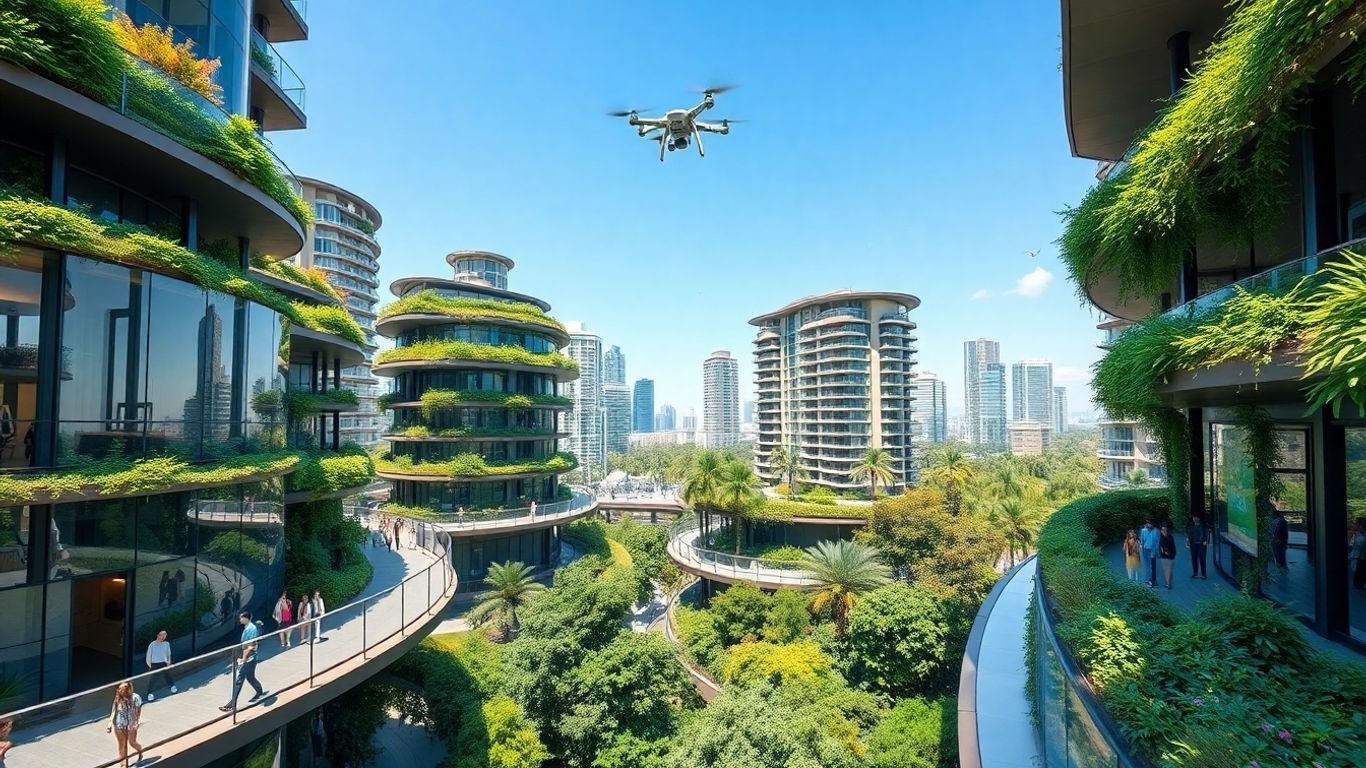
As cities grow, the imperative for a shared vision and common objectives intensifies. Thankfully, there are several pivotal global agreements and initiatives that strategically guide our collective endeavors toward building better urban environments. These frameworks facilitate collaborative efforts among nations and municipalities, enabling the establishment of quantifiable targets and the dissemination of best practices.
Sustainable Development Goal 11
A cornerstone of global commitments is undeniably Sustainable Development Goal 11 (SDG 11). Adopted as part of the 2030 Agenda for Sustainable Development, its primary objective is to ensure that "cities and human settlements are inclusive, safe, resilient, and sustainable." This goal is far more than a mere aspirational concept; indeed, it is meticulously delineated by specific, actionable targets. For instance, it advocates for enhanced urban planning, improved accessibility to housing and essential services, and a demonstrable reduction in the environmental footprint of urban centers. It recognizes that cities are engines of growth but also face unique challenges.
Here are some of the key areas SDG 11 focuses on:
- Enhancing access to safe and affordable housing.
- Ensuring universal access to safe, affordable, accessible, and sustainable transport systems.
- Mitigating the adverse per capita environmental impact of cities, encompassing air quality and waste management.
- Diligently protecting and safeguarding the world's cultural and natural heritage.
- Fortifying resilience and adaptive capacity to climate-related hazards and natural disasters.
This goal is a cornerstone for global efforts, and you can find a lot of information about its implementation and progress related to this goal.
The New Urban Agenda
Building upon these crucial global objectives, the New Urban Agenda was adopted at the UN Conference on Housing and Sustainable Urban Development (Habitat III) in 2016. It's a comprehensive 20-year action framework offering strategic guidance for urban centers globally. It underscores the pivotal role of sustainable urban development in realizing broader sustainable development goals. The agenda promotes integrated urban planning and management, with a keen focus on fostering urban growth that yields benefits for both human populations and the planetary ecosystem. It also further emphasizes the indispensable role of local governments and communities in catalyzing this transformative shift.
International Forums and Collaborations
Beyond specific agendas, various international forums and collaborations play an equally vital, complementary role. The World Urban Forum (WUF), convened by UN-Habitat, is a preeminent convocation that unites experts, policymakers, and community representatives to deliberate upon pressing urban issues. These discussions serve to inform policy formulation and catalyze proactive initiatives. Historically, documents like Agenda 21, adopted at the 1992 Earth Summit, also established foundational principles by addressing sustainable human settlements. These platforms facilitate the crucial exchange of ideas and the cultivation of partnerships essential for addressing complex urban challenges on a global scale.
Moving Forward Together
Building cities that are good for people and the planet is a formidable undertaking, yet one in which every individual holds a critical role. We've talked about how cities are rapidly expanding and why their sustainable development holds universal significance. It transcends mere novel infrastructure or advanced technological gadgets; it's about ensuring equitable access to essential necessities, diligent environmental stewardship, and the cultivation of resilient communities capable of navigating unforeseen adversities. This means collaborative efforts across all sectors—governments, businesses, and individual citizens alike—to foster more intelligent planning, judicious resource utilization, and the creation of environments where both human populations and the natural world can truly flourish. The path ahead is undoubtedly fraught with challenges; however, by steadfastly adhering to these collective objectives, we can indeed forge a more prosperous, more livable future for all humanity.
Frequently Asked Questions
What exactly is a sustainable city?
A sustainable city is a place designed to benefit both its inhabitants and the broader planetary ecosystem. It prioritizes the judicious utilization of resources, such as energy and water, and ensures equitable access to the prerequisites for a high quality of life, now and in the future. Envision clean air, efficient public transit, and abundant green spaces—doesn't that sound ideal?
Why are cities so important for sustainability?
Cities are vital engines of global progress, propelling a significant portion of our economy and cultural evolution. Since more and more people are choosing urban living, the strategies employed in their construction and governance exert a profound impact on the environment and the lives of billions. Consequently, fostering sustainable urban development is instrumental in addressing overarching global challenges.
What does 'Sustainable Development Goal 11' mean for cities?
This is a unifying global objective designed to render all cities and human settlements inclusive, safe, resilient, and demonstrably sustainable by the year 2030. It's like a strategic roadmap for urban centers to enhance aspects such as housing, transportation, and universal access to basic services for everyone.
How can technology help make cities more sustainable?
Technology offers a plethora of capabilities! Smart grids can optimize energy management, mobile applications can facilitate public transport utilization, and advanced data analysis can empower city planners to make more informed decisions about traffic, waste, and energy use. It's truly about strategically leveraging innovative tools to cultivate urban living that is both more efficient and environmentally conscious.
What is 'green infrastructure' in a city?
Green infrastructure refers to the strategic deployment of nature-based solutions to benefit urban environments. This includes elements such as urban parks, verdant green roofs, specialized rain gardens, and tree-lined thoroughfares. These features assist in rainwater management, enhance air quality, mitigate urban heat, and ultimately render cities more aesthetically pleasing and eminently livable.
How can ordinary people contribute to making their cities more sustainable?
Indeed, every individual can play a meaningful role! Seemingly simple actions—such as diligent recycling, opting for public transport or cycling, conserving water and energy within the home, and actively supporting local green initiatives—collectively accrue to significant impact. It's also about being aware and making conscientious choices that benefit both our communities and the broader environment.


