


business resources
Business Property Management for Cleaner Operations
21 Apr 2026

Running a tidy business takes more than just a quick sweep at the end of the day. Modern property management focuses on how physical layout and cleanliness impact the daily flow of work. When a workspace is cluttered, it slows down every task and creates hidden costs for the owner. Successful managers look for ways to streamline their floor plans and remove items that do not serve a purpose.
Adjusting to New Office Occupancy Trends
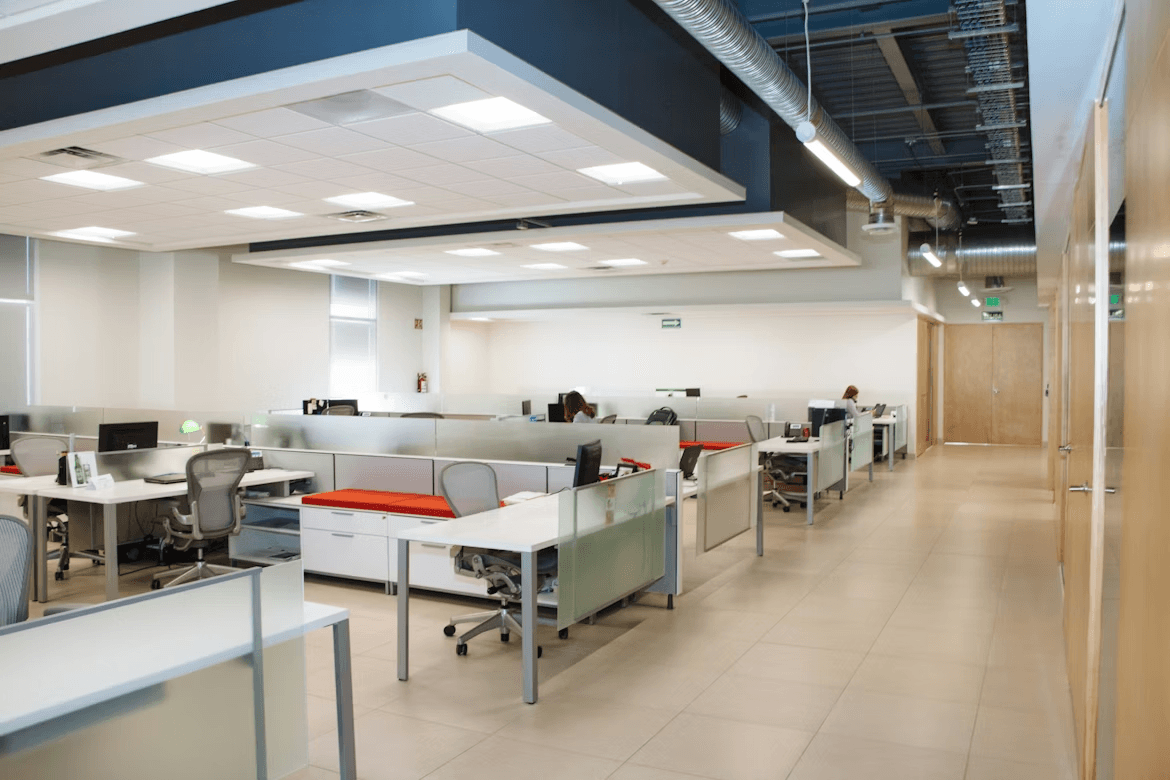
The way people use office buildings has changed quite a bit over the last few years - property managers now have to deal with desks that stay empty for half the week and others that are packed. One industry report mentions that cleaning crews now need to provide more flexible services to match these shifting occupancy levels. This keeps the building tidy without wasting money on rooms that were never occupied.
Instead of a rigid schedule, cleaning tasks are now based on how many people actually use the space that day. This method is a smarter way to manage 100% of the maintenance budget and keep the site looking sharp. Managers who adapt to these trends find that their buildings stay cleaner even with a hybrid workforce.
Streamlining Inventory Management
Clearing out bulky items makes it easier for staff to navigate the warehouse or backroom. Keeping these items nearby in a dedicated facility helps keep them safe but out of the way. It is a simple fix for 1 or 2 small shops that have grown too fast for their current walls.
Local business owners in the Bayswater area often struggle with limited square footage in their storefronts. Investing in self storage units in Bayswater helps companies move seasonal stock and old files out of the main office. This shift allows for a much cleaner floor plan and better workflow for the team.
The Link Between Air Quality and Productivity
Physical cleanliness is about more than just what the eye can see on the floor. The air inside a building plays a huge role in how the people inside feel and perform. Scientific research shows that air quality and natural light are among the top factors that determine how productive a team is during the day.
Poor ventilation leads to a sluggish staff and a higher number of sick days. Property managers should check filters and vents every 3 to 6 months to keep the air moving well. A clean environment helps everyone focus on their goals instead of feeling tired from stuffy rooms.
Organizing Professional Assets and Paperwork
Physical clutter still finds a way to pile up on desks and in corners. Paper files, extra cables, and old hardware can quickly turn an office into a maze. Creating a system for these items prevents them from becoming a distraction for the employees. A few simple steps can help keep things organized:
- Move old tax records to a secure off-site box.
- Label all equipment bins with 2-inch tape for easy reading.
- Set aside 15 minutes each Friday for a desk clear-out.
- Donate 10% of unused electronics to local charities each year.
Setting these rules helps the entire team take pride in their work environment. When every tool has a home, it takes less time to find what is needed for a project. This reduces the stress that comes with a messy desk or a crowded breakroom.
Reclaiming Commercial Floor Space
Businesses that store too much equipment on-site often pay for expensive square footage they cannot actually use. Moving these assets to a specialized facility is a smart move for the monthly budget. A recent post noted that secure storage lockers help businesses get their space back and make their property safe.
These units often come with 24-hour security and drive-up access for easy drop-offs. Having a secondary spot for large gear allows a business to use their main site for income-generating activities. It is an investment that pays off by making the central office feel more open and professional.
Maintaining Facility Standards Long Term
Keeping a property clean is a marathon rather than a short sprint. It requires a clear plan that everyone in the building understands and follows. Managers should draft a list of daily, weekly, and monthly tasks to keep the standard high. This prevents small messes from turning into $5,000 repair bills down the road.
Hiring the right vendors is just as important as the schedule itself. A reliable crew will spot issues like water leaks or carpet wear before they become major problems. Clear communication between the manager and the cleaning team keeps the property in top shape for years.
Property management is the backbone of any smooth operation. By focusing on air quality, organization, and smart storage, owners can create a space where their team can truly thrive. A clean building sends a strong message to every person who walks through the door. Taking these small steps leads to a much more efficient workplace.


