
resources, healthcare sustainability
Busy Lives, Neglected Teeth: A Common Health Trap
24 Sept 2025

People are juggling careers, family responsibilities, social commitments, and endless to-do lists. With so much competing for attention, oral health often slips to the bottom of priorities. Skipping dental appointments, delaying treatments, or even neglecting daily brushing and flossing may seem like minor oversights at the time. Over months or years, these small habits create serious health risks. Neglected teeth are not just about appearance; they directly affect well-being.

Why Dental Neglect Happens
Busy schedules are one of the primary reasons people put off dental care. Work meetings, school activities, or long commutes leave little room for routine appointments. For some, financial concerns or a fear of the dentist play an additional role in avoidance. Others believe they can postpone care until discomfort or visible issues appear.
The problem is that oral health issues often progress silently. Cavities, gum disease, and enamel erosion can develop without obvious pain in the early stages. By the time symptoms arise, treatments are often more invasive, expensive, and time-consuming than if preventive care had been maintained. This cycle reinforces the idea that dental visits are burdensome, creating a trap that many busy individuals fall into.
Accessible Dental Care Options
One of the best ways to prevent dental neglect is to explore solutions that fit modern lifestyles. Clinics offering flexible hours, payment plans, and family-focused services make it easier for patients to stay consistent with care. Many people find relief in turning to dental care options such as those at Smile4Texas, which provide comprehensive services under one roof. Having access to preventive cleanings, cosmetic treatments, and restorative care in a single location reduces the need for multiple appointments across different practices.
Telehealth has expanded access to oral care. Virtual consultations allow patients to ask questions, discuss symptoms, or seek professional advice without leaving their homes or workplaces. These tools are particularly valuable for individuals managing demanding schedules or living in areas with limited dental resources. By integrating convenience into dentistry, patients are more likely to prioritize and maintain their oral health.
The Hidden Costs of Dental Neglect
Neglecting oral health may save time or money in the short term, but it almost always leads to greater costs later. Untreated cavities can require root canals or extractions, while gum disease can progress to tooth loss. These procedures carry financial burdens and affect quality of life by limiting food choices, damaging confidence, and requiring long recovery periods.
The connection between oral health and health makes neglect even riskier. Research consistently links poor oral health to systemic conditions such as diabetes, cardiovascular disease, and respiratory infections. Gum inflammation, for instance, can spread harmful bacteria through the bloodstream, aggravating other chronic illnesses. What begins as missed cleanings or postponed fillings can escalate into broader health complications with far-reaching consequences.
Preventive Care Saves Time and Stress
One of the biggest misconceptions about dental care is that it always requires long, difficult procedures. In reality, preventive care is quick, straightforward, and minimally invasive. Routine cleanings remove plaque buildup, while exams allow dentists to catch issues before they become problematic. These appointments usually take less than an hour but prevent countless hours of pain and treatment down the road.
Daily habits matter. Brushing twice a day with fluoride toothpaste, flossing, and limiting sugary foods are proven strategies for reducing cavities and gum disease. Small actions add up to long-term savings in both time and money, as preventive care is always less costly than restorative treatments.
Balancing Dental Care With a Busy Lifestyle
Integrating oral health into busy lives requires intentional planning. Just as professionals schedule time for exercise or meal preparation, dental care must be treated as a non-negotiable commitment. Setting reminders for brushing, flossing, and appointments ensures consistency even during hectic weeks. Parents who model these behaviors instill positive habits in their children, reducing the likelihood of generational neglect.
Employers can support healthier lifestyles by offering flexible schedules or promoting wellness programs that include dental benefits. Communities with mobile clinics and outreach programs play a role in making care more accessible for families balancing multiple responsibilities. With the right resources and planning, oral health does not need to conflict with modern routines.
The Psychological Impact of Neglected Teeth
The consequences of dental neglect extend beyond physical health. Stained, damaged, or missing teeth often create embarrassment, leading individuals to hide their smiles or avoid social situations. This lack of confidence can affect personal relationships, career opportunities, and self-esteem.
The psychological burden of neglected teeth can be just as damaging as the physical pain. Anxiety about judgment or the cost of corrective procedures often compounds the issue, making it harder for individuals to seek help. Breaking this cycle requires supportive environments where people feel empowered to take small, positive steps toward restoring their oral health.
The Role of Regular Checkups
Dental checkups serve as more than just cleaning appointments; they are opportunities for early detection and education. Dentists can spot signs of cavities, gum disease, or oral cancer long before symptoms become severe. These visits provide a chance to adjust personal hygiene practices, ensuring patients are using effective techniques and tools.
For families, regular checkups set the tone for lifelong health. Children who grow up with consistent dental visits are more likely to carry those habits into adulthood. Adults benefit from the reassurance that their health is being monitored, reducing anxiety about potential problems. Consistency is key, and prioritizing checkups is one of the simplest yet most effective ways to stay ahead of issues.
Building a Healthier Future
The idea that busy lives naturally lead to neglected teeth does not need to be accepted as inevitable. With the growing availability of flexible services, virtual consultations, and community outreach, more people can access dental care in ways that fit their lives. The key is understanding that oral health cannot be postponed without consequences; it is intertwined with health, financial stability, and emotional well-being.
By shifting mindsets and adopting proactive strategies, individuals can break free from the trap of neglect. Making oral health a priority ensures fewer emergencies, less stress, and greater confidence in both personal and professional life.
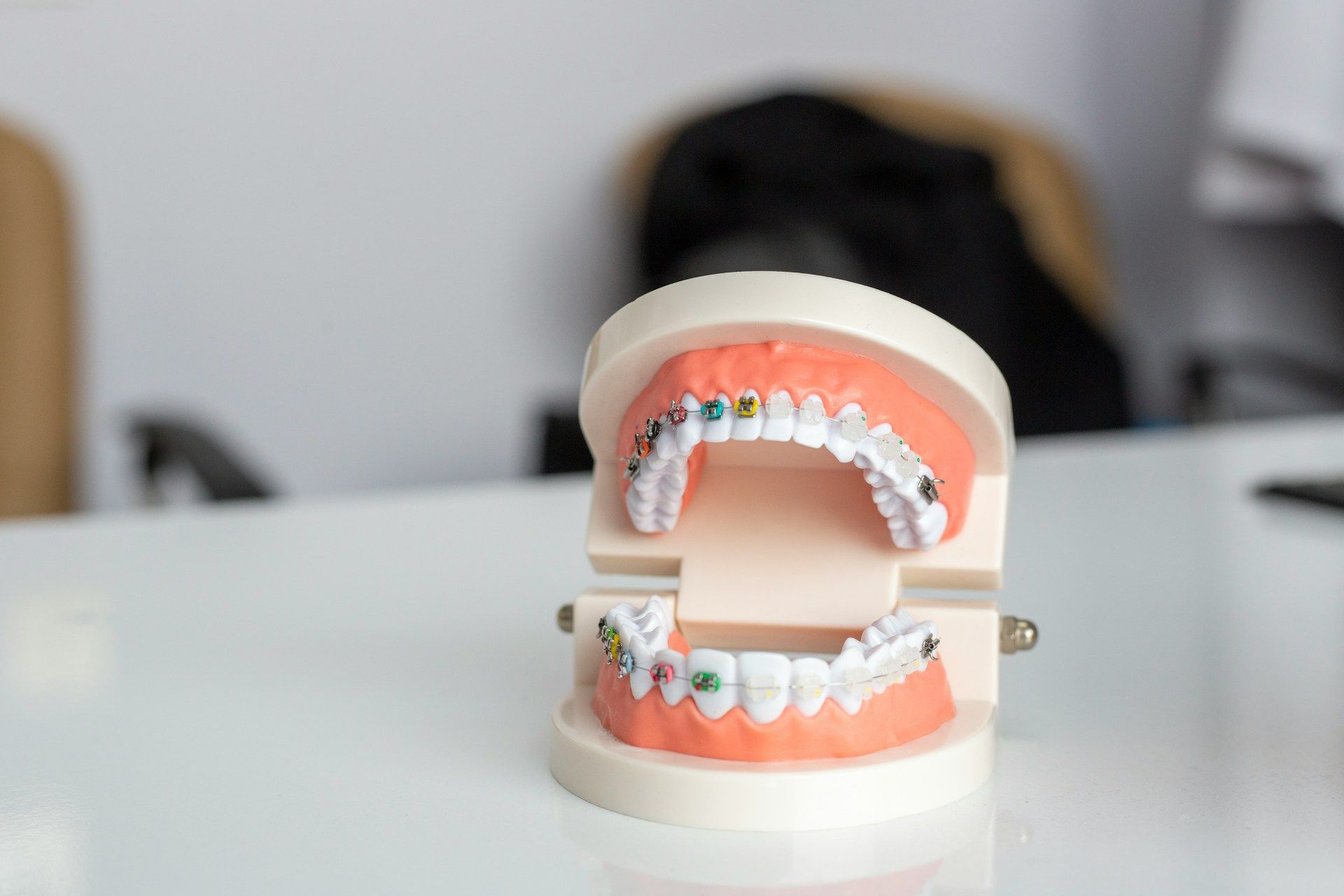
Neglecting oral health may seem like a minor compromise in the face of busy schedules, but it is one of the most common health traps with serious long-term effects. From missed appointments to poor daily habits, the cumulative consequences extend far beyond the mouth.
A healthy smile is more than cosmetic; it is a reflection of balance, self-care, and long-term health. Prioritizing oral care, even in the midst of hectic lives, is one of the simplest yet most powerful investments anyone can make.
Share


