


resources
California Smart City 2028: Innovations Shaping Los Angeles' Future
25 Nov 2025

It's quite remarkable to consider the profound impact technology is having on urban landscapes. By 2028, Los Angeles, for instance, is poised to become a notably transformed metropolis, thanks to a range of cutting-edge innovations. This transformation isn't merely about incorporating the latest gadgets; rather, it’s fundamentally about harnessing technology to optimize city operations, enhance sustainability, and ultimately elevate the quality of life for all residents. The COVID-19 pandemic, in particular, underscored the critical importance of digital tools, compelling the city to embrace technological advancements more swiftly than anticipated. Now, the collective effort is squarely focused on building upon that established momentum.
Key Takeaways
- The California Smart City 2028 initiative is designed to foster a more interconnected and efficient living environment within Los Angeles.
- A cornerstone of this strategy involves ensuring universal digital access and technological proficiency, irrespective of socioeconomic background.
- Prioritizing environmental stewardship, the city is committed to enhancing green infrastructure and significantly reducing energy consumption.
- Anticipate transformative advancements in urban mobility, including optimized public transportation systems and the potential integration of autonomous vehicles, all aimed at mitigating traffic congestion.
- Leveraging data-driven insights and emerging technologies, the city intends to stimulate economic growth and cultivate new employment opportunities for its populace.
Transforming Los Angeles: The California Smart City 2028 Vision
Overview of the SmartLA Initiative
The SmartLA Initiative represents a comprehensive strategic plan designed to establish Los Angeles as a preeminent smart city by the year 2028. At its core, this undertaking centers on harnessing technology and data to elevate the quality of life for all residents, enhance urban sustainability, and invigorate the local economy. One might conceptualize it as a fundamental digital upgrade for the entire city, influencing everything from our daily commutes to the delivery of public services. Indeed, the overarching goal is to cultivate a Los Angeles that is more connected, efficient, and equitable for future generations. This initiative directly responds to the evolving demands of a burgeoning metropolis and capitalizes on the myriad opportunities afforded by contemporary technologies. It embodies a truly forward-looking approach to urban development—one that not only confronts present-day challenges but also proactively prepares for the innovations and shifts yet to come.
Key Objectives and Goals for a Connected City
The SmartLA Initiative delineates several core objectives:
- Enhance transportation systems and alleviate traffic congestion. This entails exploring intelligent methodologies for optimizing traffic flow and public transit operations.
- Strengthen public safety and emergency response capabilities. Leveraging technology to empower first responders and foster more secure communities.
- Champion sustainability and reduce carbon emissions. A commitment to cultivating a greener, more energy-efficient urban environment.
- Bridge the digital divide. Ensuring equitable access to technology and digital literacy for all residents, regardless of their socioeconomic standing.
- Stimulate economic growth. Generating novel employment opportunities and fostering businesses integral to this unfolding digital future.
The COVID-19 pandemic powerfully underscored the critical importance of digital tools. It brought into sharp focus the imperative to accelerate technological adoption to sustain essential services and facilitate human connection, particularly when physical interaction becomes challenging. Indeed, this strategic blueprint profoundly integrates that crucial lesson.
Addressing the Digital Divide for Inclusivity
A fundamental component of the SmartLA vision involves ensuring that all residents can equitably benefit from these transformative new technologies. The digital divide—that palpable gap separating those with access to technology from those without—represents a significant societal challenge. The initiative, therefore, plans to address this challenge proactively through several key strategies:
- Expanding access to affordable internet. This encompasses establishing a greater number of public Wi-Fi hotspots and collaborating with service providers to introduce low-cost connectivity plans.
- Providing comprehensive digital literacy training. Offering instructional classes and essential resources to equip individuals with the skills needed to confidently utilize computers, smartphones, and various online services.
- Ensuring city services are accessible both online and offline. This commitment guarantees that even individuals who may not be particularly tech-savvy can still readily access vital city information and services. The MyLA311 app, for instance, serves as a prime example, being meticulously designed for user-friendliness and offering services in multiple languages, thus demonstrating a clear dedication to accessibility.
Ultimately, this profound focus on inclusivity is precisely what will render the SmartLA 2028 plan truly successful, fostering an urban environment that genuinely serves every single individual. It's about meticulously constructing a connected future—one that consciously leaves no one behind. You can find more details about the Smart LA 2028 initiative here.
Innovations in Urban Mobility and Transportation
Moving through Los Angeles is poised to become considerably more intelligent and streamlined. The California Smart City 2028 initiative places a strong emphasis on cultivating transportation systems that are not only more efficient and convenient but also markedly more environmentally friendly. Indeed, we envision a future where traffic congestion is significantly reduced, public transit emerges as a truly preferred option, and navigating the city offers a consistently smoother experience for everyone.
Smart Transit Systems and Reduced Congestion
Public transit represents a pivotal component of this vision. The overarching goal is to elevate buses and trains to such a standard that they become the preferred mode of transport over single-occupancy vehicles. This entails implementing real-time tracking for buses and trains, ensuring passengers know precisely when their ride will arrive—eliminating guesswork and uncertainty. We're also actively exploring dynamic routing capabilities, allowing transit lines to adjust their paths proactively based on prevailing traffic conditions. Can you imagine a bus that intelligently reroutes itself to bypass an unexpected traffic snarl? Furthermore, streamlined payment systems are on the horizon, designed to simplify boarding and alighting processes for a truly seamless experience.
Here's a closer look at our aspirations for smart transit:
- Real-time arrival information: Passengers will have precise knowledge of when their bus or train is approaching.
- Adaptive route planning: Transit services will possess the agility to modify routes in response to traffic challenges.
- Streamlined payment options: Convenient and effortless methods for fare payment.
Making public transit more reliable and convenient is instrumental in curbing vehicle dependency, thereby contributing to reduced pollution and alleviated traffic.
The Role of Autonomous Vehicles
Autonomous vehicles, often referred to as self-driving cars, are no longer confined to the realm of science fiction. The 2028 vision for Los Angeles critically includes strategizing the safe and effective integration of these vehicles into our urban fabric. This might manifest as dedicated lanes for AVs in specific corridors or their incorporation into our public transportation network, perhaps facilitating on-demand shuttle services. It's undoubtedly a complex domain, presenting numerous technical and ethical considerations to meticulously address—but the potential for significantly reducing accidents and enhancing traffic flow is truly compelling. Crucially, we must ensure these advanced vehicles are not only safe and dependable but also readily accessible to all residents.
Enhancing Walkability and Bikeability
Beyond advancements in vehicular and bus travel, a significant focus is also being placed on facilitating easier and safer navigation on foot or by bicycle. This endeavor involves the establishment of more dedicated bike lanes, particularly protected variants that physically segregate cyclists from vehicular traffic. Furthermore, efforts are underway to enhance sidewalks, broadening them and enhancing their aesthetic appeal, while also ensuring crosswalks are highly visible and secure for pedestrians. The underlying principle is to foster active transportation for shorter journeys, thereby contributing to both a healthier lifestyle and a less congested urban environment.
Key improvements for walking and biking are set to include:
- Wider sidewalks: Providing more comfortable and ample space for pedestrians.
- Protected bike lanes: Establishing inherently safer routes for cyclists.
- High-visibility crosswalks: Ensuring heightened safety for those on foot.
| Feature | Benefit |
|---|---|
| Protected Bike Lanes | Increased cyclist safety |
| Wider Sidewalks | More comfortable pedestrian experience |
| Better Street Lighting | Enhanced safety at night |
Sustainability and Environmental Stewardship
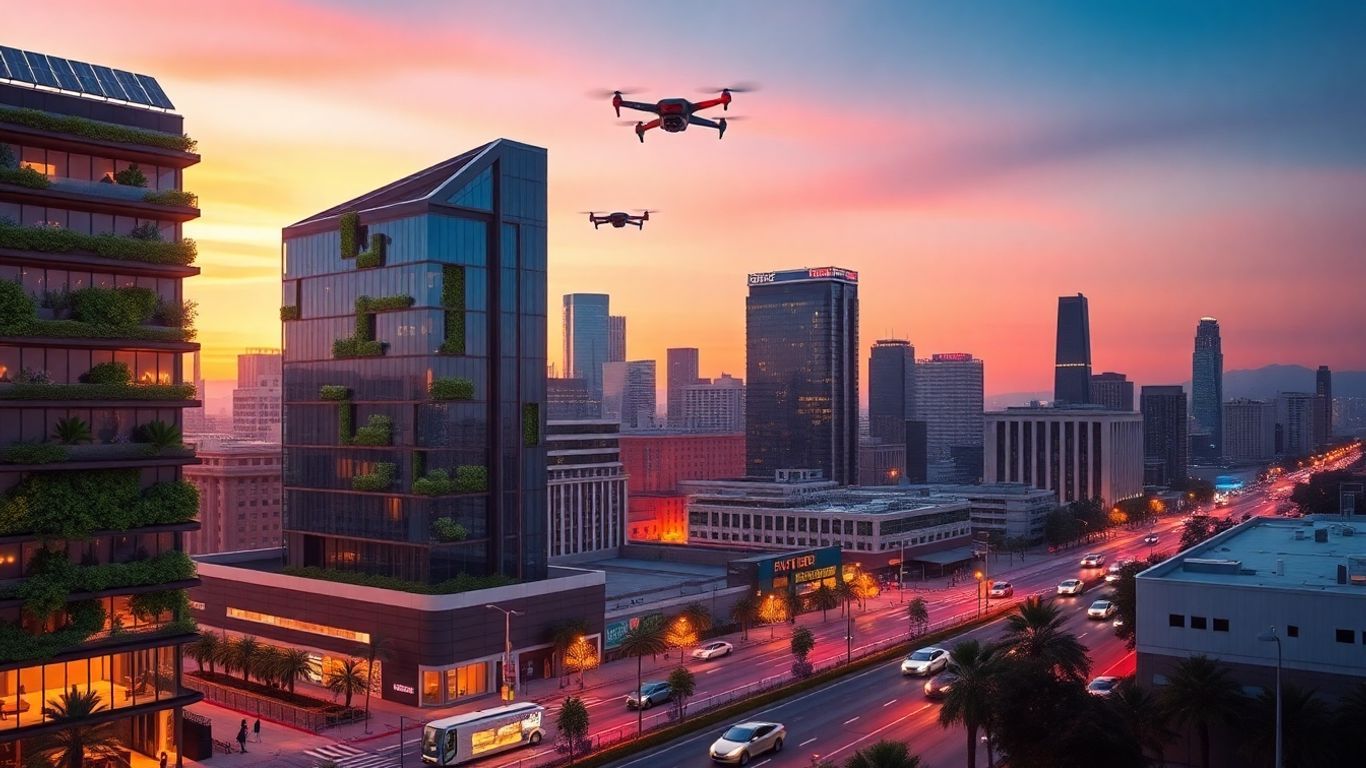
Los Angeles in 2028 is not solely defined by dazzling new technologies; it's also fundamentally about transforming the city into a healthier, more ecologically conscious urban environment. The Smart City initiative places a profound emphasis on environmental stewardship, meticulously reintegrating natural elements into the urban fabric and deploying intelligent solutions to mitigate pollution and reduce waste generation. Ultimately, it’s about fostering an urban environment that truly breathes easier.
Green Infrastructure Projects for a Healthier City
One might envision this as Los Angeles undergoing a comprehensive green transformation. We are referring to the expansion of parklands, the implementation of green roofs on urban structures, and the widespread planting of additional trees throughout the city. Far from mere aesthetic enhancements, these initiatives serve a crucial functional role in managing stormwater runoff, mitigating urban heat island effects during periods of high temperatures, and actively purifying the air. It's about elevating urban livability by fostering a closer relationship with nature.
- Cultivating native trees and plants renowned for their drought-resistant properties.
- Establishing verdant pathways and corridors along urban streets and waterways.
- Utilizing permeable surfaces, such as specialized pavements, to aid in effective drainage.
The fundamental goal is to construct a city that operates in harmony with nature, rather than in opposition to it, thereby enhancing the daily lives of all residents.
Energy Efficiency and Reduced Carbon Emissions
Technology serves as a powerful enabler in this domain. Smart grids, for instance, are capable of optimizing electricity distribution and consumption, while urban structures are undergoing design enhancements for heightened energy efficiency. Collectively, these initiatives contribute to a reduced urban carbon footprint. Moreover, intelligent transportation systems—such as those designed to mitigate traffic congestion—simultaneously lead to a reduction in harmful emissions. This, then, represents a pragmatic strategy for more judicious resource utilization.
Here’s a look at how some key environmental metrics are being tracked:
| Metric | Baseline (2024) | Target (2028) | Actual (2025) |
|---|---|---|---|
| Energy Consumption | 100 Units | 80 Units | 92 Units |
| Waste Diversion Rate | 40% | 60% | 48% |
| Citizen Satisfaction | 70% | 90% | 75% |
Water Management and Air Quality Monitoring
Los Angeles’s air and water quality represent perennially significant concerns, and the 2028 plan addresses these issues directly and comprehensively. Smart sensors are actively being deployed to continuously monitor air quality in real-time, facilitating the precise identification of pollution sources. Regarding water, the emphasis is firmly placed on more intelligent management practices and significant waste reduction. Furthermore, the city is exploring innovative waste management strategies, with a focus on enhanced recycling and the transformation of waste into valuable resources—a critical step towards a truly circular economy. This integrated approach, indeed, aims to create a cleaner, healthier environment for all Angelenos.
Leveraging Technology for Public Safety and Health
Los Angeles is significantly elevating its efforts when it comes to safeguarding its residents' well-being, and technology is undeniably assuming a pivotal role in this transformation. This endeavor transcends the mere proliferation of surveillance cameras; rather, it’s about cultivating an urban environment that is inherently more intelligent and responsive to the intricate needs of its populace. How might this manifest? Consider, for instance, emergency services gaining the capability to reach you more swiftly, or healthcare becoming markedly more accessible—even if you're unable to easily leave your home. Indeed, these advancements collectively aim to forge a more secure and thriving environment for everyone residing within the city.
Community Policing and Trust Building Through Tech
Building robust relationships between law enforcement and the community remains paramount. Technology can play a crucial role in facilitating greater understanding and enhancing communication channels. Smart surveillance systems, for instance, are advancing far beyond simple data capture; they can now analyze situations in real-time, identifying anomalies such as speeding vehicles or instances of suspicious loitering, and subsequently issuing immediate alerts to authorities. This approach is not about pervasive monitoring, but rather about deploying intelligent systems capable of flagging potential issues—enabling officers to respond more effectively and proactively. The ultimate goal is to leverage these sophisticated tools to cultivate transparency and solidify community confidence.
Advanced Emergency Response Systems
In situations where every second is critical, technology undeniably offers a profound advantage. Can you envision a system that automatically dispatches an ambulance to the precise location of an incident, even if the caller is unable to provide explicit details? Similarly, firefighters could receive real-time building layouts directly on their equipment, assisting them in navigating hazardous scenarios with heightened safety. These advanced systems are meticulously engineered to reduce response times and enhance the efficacy of interventions upon arrival. Here are some ways these systems are being improved:
- Faster dispatch times for emergency vehicles.
- Better allocation of resources based on real-time needs.
- Improved communication channels between different emergency agencies.
This dedicated focus on intelligent emergency response forms a core tenet of the city's innovative strategy to improve public safety.
Community Health Monitoring and Proactive Interventions
Healthcare, too, is undergoing a technology-driven transformation. Telehealth services are experiencing significant expansion, facilitating remote consultations with healthcare professionals from the comfort of one's home. This represents a significant benefit for individuals facing mobility challenges or residing in areas geographically distant from medical facilities. To support this pivotal shift, the city is strategically investing in the necessary infrastructure, including enhanced internet connectivity and robust, secure digital platforms. Ultimately, it aims to render healthcare more convenient and universally accessible for all Angelenos. Beyond telehealth, smart city sensors are also being deployed to continuously monitor environmental factors that directly impact public health, such as air quality. This real-time data allows for the rapid identification of pollution hotspots and the subsequent implementation of targeted mitigation measures.
The integration of technology into public safety and health services is not merely about optimizing efficiency; it fundamentally concerns the cultivation of a more resilient and supportive urban environment. By enhancing service accessibility and accelerating response times, the city endeavors to elevate the overall quality of life for its residents.
Here's a look at how success in these areas might be measured:
| Metric | Baseline (2024) | Target (2028) | Actual (2025) |
|---|---|---|---|
| Emergency Response Time | 15 minutes | 10 minutes | 13 minutes |
| Telehealth Appointments | 10,000 | 50,000 | 25,000 |
| Air Quality Index Exceedances | 30 days | 15 days | 22 days |
Economic Growth and Community Development
The California Smart City 2028 initiative is not exclusively focused on dazzling new technologies; rather, it represents a robust strategic blueprint designed to invigorate Los Angeles's economy and ensure equitable benefits for all community members. This translates into fostering an ecosystem where nascent businesses can truly flourish and where high-quality employment opportunities are readily accessible to a broad spectrum of the populace.
Supporting Local Startups and Innovation Hubs
Los Angeles already enjoys a distinguished reputation as a fertile ground for innovation, and this initiative seeks to further streamline the establishment and growth of startups within the city. The municipality is actively exploring avenues to furnish nascent businesses with essential resources, including comprehensive mentorship programs and enhanced access to vital funding. Can you envision state-of-the-art co-working spaces equipped with ultra-high-speed internet, simplified permitting processes, and perhaps even direct city funding to help new ventures get off the ground? The objective is to significantly reduce the bureaucratic complexities involved in launching and scaling a company right here in the heart of LA. Crucially, strategic partnerships with local universities are integral to translating cutting-edge research into viable commercial ventures.
Investment in Clean Technology Sectors
Los Angeles is undertaking a significant strategic thrust towards enhanced environmental sustainability, a commitment that naturally translates into directing substantial investment into the clean technology sector. This commitment, however, extends far beyond conventional solutions such as solar panels and electric vehicles. It's fundamentally about bolstering companies that are actively developing novel methodologies to mitigate pollution, conserve natural resources, and forge a more sustainable future. This could encompass businesses innovating in advanced waste management techniques or those pioneering energy-efficient building materials. To attract such enterprises, the city plans to provide compelling incentives, including targeted tax breaks and competitive grants.
Creating New Job Opportunities in a Digital Economy
While these new technologies and innovations are indeed exciting, they inherently necessitate that individuals acquire pertinent skill sets to thrive in these burgeoning industries. It is precisely here that robust job training programs become indispensable. These initiatives are designed to help individuals acquire the requisite knowledge for securing well-compensated positions within the smart city economy. This could involve specialized training in areas such as coding, data analytics, or renewable energy—disciplines currently experiencing substantial demand. The endeavor transcends mere job placement; it concerns empowering individuals with the capabilities to thrive in the evolving future workforce. The city is poised to collaborate extensively with community colleges and vocational institutions to develop curricula directly aligned with local employer requirements.
It is paramount to acknowledge that genuine economic growth must be inherently inclusive. The benefits derived from the smart city initiative should be shared by everyone, rather than being concentrated among an exclusive segment. This commitment necessitates ensuring both the accessibility of job training programs to individuals from all backgrounds and the equitable distribution of new employment opportunities across all urban sectors. Furthermore, it involves addressing critical aspects such as affordable housing and efficient transportation, thereby enabling universal participation in this burgeoning new economy.
Here's a look at how some of these economic goals might be measured:
| Metric | Baseline (2024) | Target (2028) | Actual (2025) |
|---|---|---|---|
| Number of Tech Startups | 500 | 1,200 | 750 |
| Clean Tech Investment ($M) | 150 | 500 | 220 |
| Jobs in Digital Economy | 50,000 | 150,000 | 70,000 |
The Role of Data and Connectivity
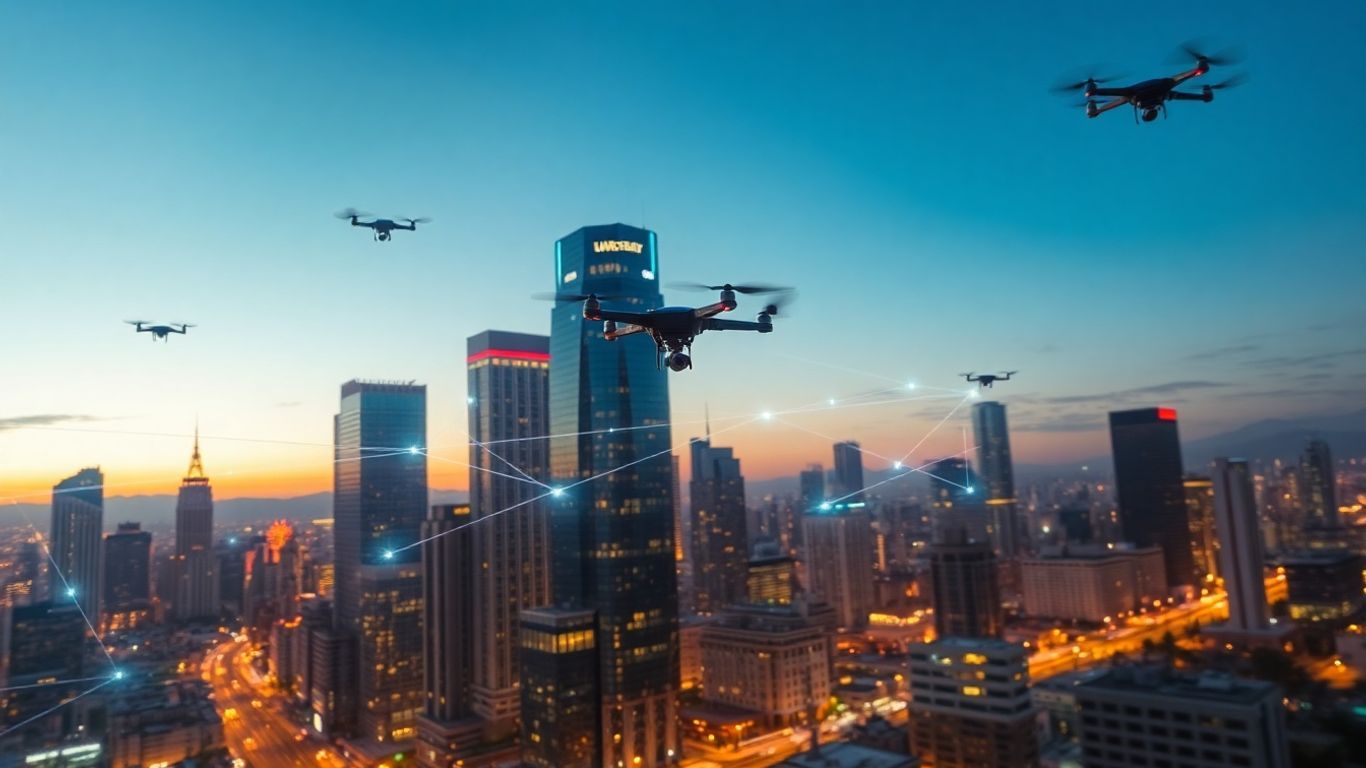
One might conceptualize data as the very nervous system of a smart city. It represents the fundamental conduit through which urban components communicate, enabling the city to learn and adapt dynamically. Indeed, without reliable data and the capacity for seamless connectivity and sharing, even the most sophisticated technologies would yield limited impact. For Los Angeles in 2028, this translates into the imperative of constructing a robust infrastructure capable of meticulously collecting, efficiently processing, and intelligently utilizing information from a myriad of sources.
Integration of Internet of Things Devices
The Internet of Things, or IoT, fundamentally concerns the interconnection of everyday physical objects via the internet. In the context of Los Angeles, this translates into the deployment of sensors on traffic signals, smart meters within residences, air quality monitors on lampposts, and even integrated sensors within waste receptacles. These devices continuously aggregate real-time information regarding urban conditions. Can you imagine traffic lights that dynamically adjust their timing based on real-time traffic flow detected by sensors, or intelligent streetlights that dim automatically when no pedestrian presence is detected, thereby conserving energy? Ultimately, it forms an expansive, interconnected network of ubiquitous data collection points working in concert.
Data-Driven Decision Making for City Services
All this aggregated data is not merely for exhibition; its fundamental purpose is to enhance urban operational efficacy. By meticulously analyzing the information gathered from IoT devices and various other sources, city officials are empowered to make more informed and strategic decisions. For example, a comprehensive understanding of traffic patterns can facilitate the optimization of public transit routes or pinpoint areas requiring critical infrastructure upgrades. Similarly, insights derived from energy consumption data can, in turn, inform strategies for waste reduction and cost minimization. This, then, represents a definitive shift from speculative decision-making to data-driven, informed action.
Here's a look at how data can guide city operations:
- Traffic Management: Analyzing sensor data to adjust signal timing and reduce congestion.
- Energy Use: Identifying peak times and areas for efficiency improvements in public buildings.
- Waste Collection: Optimizing routes based on fill levels of smart bins.
- Public Safety: Using data patterns to allocate resources more effectively.
The overarching goal is to cultivate a dynamic feedback loop where information gathered from the urban environment directly informs improvements to city services, thereby rendering them more responsive and efficient for residents.
Ensuring Equitable Access to Digital Resources
While the proliferation of technology and data is extraordinary, its true intelligence is realized only when its benefits are universally accessible. A cornerstone of the 2028 vision is dedicated to ensuring that the digital divide does not result in the marginalization of any community members. This entails encompassing not only the provision of reliable internet connectivity and essential devices but also comprehensive training programs to foster widespread digital proficiency. Strategic partnerships with libraries and community organizations are instrumental in delivering digital literacy programs and ensuring that the advantages of a connected city are equitably distributed among all Angelenos—rather than being confined to a privileged segment. Ultimately, it's about constructing an urban environment where technology genuinely serves the collective good.
Looking Ahead: The Future of Smart Cities in Los Angeles
As we conclude our exploration of the 2028 Smart City California Initiative, it becomes unequivocally clear that Los Angeles is firmly embarked on a trajectory toward becoming a significantly more connected and efficient urban center. This comprehensive plan ambitiously seeks to leverage novel technologies to enhance the daily lives of all residents—impacting everything from urban mobility to energy consumption. The recent pandemic powerfully underscored the critical utility of these digital instruments, and the city is strategically building upon that foundation. Naturally, ensuring universal benefit, irrespective of socioeconomic background, constitutes a pivotal dimension of this initiative. The emphasis, truly, is not solely on the technology itself, but rather on its judicious application to cultivate an urban environment that genuinely serves the collective well-being of its populace. While the journey is merely commencing, it will be compelling to observe how these progressive ideas materialize and further solidify Los Angeles's position as a trailblazer in smart city living.
Frequently Asked Questions
What is the main goal of the SmartLA 2028 initiative?
The primary objective is to leverage cutting-edge technology and innovative solutions to elevate Los Angeles into a more desirable place to reside by 2028. This encompasses enhancing critical aspects such as urban mobility, public safety, and environmental sustainability for all city inhabitants.
How will smart city technology help with traffic jams?
Smart technology is designed to optimize traffic management. This involves dynamic traffic signals that adapt to real-time vehicle flow, navigation applications providing optimized routes, and substantial enhancements to public transportation efficiency, alongside initiatives encouraging active modes of transport like walking and cycling.
What does 'bridging the digital divide' mean for Los Angeles?
For Los Angeles, bridging the digital divide signifies ensuring that all residents can equitably access and benefit from technology, irrespective of their socioeconomic status or geographic location. This commitment involves providing reliable internet access, offering comprehensive digital literacy training, and guaranteeing that technological advancements uplift all communities.
How will the city become more environmentally friendly with this plan?
The plan incorporates the expansion of green infrastructure, such as parks and green roofs, alongside efforts to make buildings more energy-efficient. It also focuses on advanced water management strategies and continuous air quality monitoring, aiming to cultivate a healthier city for both its people and the planet.
Will technology be used to make people feel safer?
Indeed, technology is a cornerstone for enhancing public safety. It facilitates faster emergency response times, improves communication between law enforcement and communities, and enables environmental monitoring—such as air quality—to safeguard public health.
How does this plan help create jobs and boost the economy?
By fostering an environment conducive to new technologies and businesses, the plan aims to generate novel employment opportunities. It actively supports local startups and encourages strategic investment in emerging clean technology sectors, thereby stimulating intelligent and sustainable economic growth for the city.


