


business resources
Car Lease Buyout: The Ultimate Guide
11 Aug 2025

Are you contemplating ending your car lease prematurely, or perhaps you're curious about the options available when your contract concludes? This is a prevalent query, and while the prospect of penalties may appear daunting, there are frequently more advantageous strategies to consider. This guide aims to assist you in identifying the optimal course of action, whether it involves retaining your current vehicle or transitioning to a newer model. We shall delve into the intricacies of a car lease buyout, alongside alternative methods for managing your lease agreement without incurring superfluous inconvenience or expenditure. But is it really that straightforward?
Key Takeaways
- A car lease buyout can prove to be an advantageous option if your vehicle's market value surpasses its residual value, potentially affording you the opportunity to realize a profit.
- Prior to committing to a car lease buyout, it is prudent to compare the buyout price against your vehicle's prevailing market value; doing so could save you from a costly mistake.
- Consider the tax ramifications and your credit rating when deliberating on a car lease buyout or other lease termination strategies.
- Alternatives such as lease transfers or trading in your leased vehicle might present more suitable solutions, contingent upon your financial circumstances and timeframe.
- It is advisable to forgo a car lease buyout if you possess substantial negative equity, exhibit excessive wear and tear, or face elevated mileage penalties that render the purchase uneconomical.
Understanding Your Car Lease Buyout Options
Determining the appropriate course of action regarding your leased vehicle as the contract term approaches its conclusion can indeed feel like a conundrum. Several avenues are available to you, and comprehending these is paramount to making a decision that aligns with your specific circumstances. One prevalent option involves simply returning the vehicle; however, this proves advantageous only if you have adhered to mileage limitations and maintained the car in satisfactory condition. Should you deviate from these stipulations, you could potentially incur substantial fees. Another avenue entails exploring alternatives such as lease transfers or early termination—though these often entail their own expenses or complexities. For numerous drivers, however, executing a buyout of the lease presents a compelling prospect. This holds particular relevance in the current market, characterized by elevated used car values. This implies that your vehicle might possess a value exceeding the amount required to execute a buyout, potentially affording you equity. This equity can represent a noteworthy financial advantage.
To aid you in ascertaining the most suitable course of action, consider the following points:
- Do you harbor genuine affection for the vehicle and envision yourself operating it for an extended duration? If the response is affirmative, executing a buyout might represent a judicious decision.
- Are you seeking to potentially derive financial gain from your vehicle? Should your vehicle's market value exceed its lease buyout price, privately selling it subsequent to executing a buyout could prove lucrative.
- Have you surpassed the mileage allowance stipulated in your lease or inflicted substantial wear and tear upon the vehicle? If such is the case, a buyout can assist you in circumventing considerable end-of-lease penalties.
When a Car Lease Buyout Makes Financial Sense
A lease buyout makes sound financial sense when the vehicle's current market value eclipses the buyout price specified in your lease agreement. This disparity is frequently denoted as equity. For instance, if your lease buyout quotation amounts to $20,000, while comparable vehicles are being offered for $23,000, you possess $3,000 in potential equity. This scenario is increasingly commonplace presently, attributable to robust demand within the used car market. Consequently, you can procure the vehicle for a sum less than its actual worth, and subsequently, potentially vend it for a profit or derive satisfaction from operating a vehicle you possess outright for less than its market value. It constitutes a means of circumventing the restrictions inherent in the lease while capitalizing on the vehicle's retained value. Resources are accessible to facilitate the assessment of your vehicle's worth through platforms such as Citiesabc.
Evaluating Your Current Lease Situation
Prior to making any commitments, conduct a meticulous examination of your lease agreement. Direct your attention to the residual value, which represents the predetermined price at which you can acquire the vehicle upon the culmination of the lease. Additionally, scrutinize any stipulations pertaining to mileage limitations, wear and tear, and early termination fees. A thorough comprehension of these particulars will afford you a lucid depiction of your obligations and the expenses attendant to diverse exit strategies. It is also prudent to juxtapose your buyout quotation against the prevailing market value of your vehicle. Tools and online calculators can assist you in ascertaining whether your vehicle's worth surpasses the buyout price.
Key Questions to Ask Before Committing
When you find yourself ambivalent regarding a lease buyout, posing the pertinent inquiries can steer your determination. Consider the following:
- Do I derive pleasure from operating this vehicle and aspire to retain ownership thereof? Should you harbor an attachment to the vehicle, executing a buyout represents a logical progression.
- Does the vehicle's market value substantially exceed the buyout price? This constitutes the paramount indicator of whether a buyout proves financially advantageous.
- What potential penalties exist for returning the vehicle in its current condition? Should charges for wear and tear or excess mileage prove elevated, executing a buyout might prove more economical than returning the vehicle.
Making an informed decision involves comparing your lease's buyout terms with the vehicle's actual market value. If the latter is higher, you're in a strong position to benefit from a buyout.
Through a scrupulous evaluation of these facets, you can ascertain whether a lease buyout aligns harmoniously with your financial objectives and personal inclinations.
Navigating the Car Lease Buyout Process
As your lease term draws near its conclusion, you will undoubtedly want to ascertain the most efficacious means of proceeding with your vehicle. Should retaining the vehicle represent your objective, a lease buyout constitutes a commonplace trajectory. This procedure entails acquiring the vehicle from the leasing entity at a predetermined price, frequently denoted as the residual value. It may appear uncomplicated; however, there exist several steps to undertake to ensure you secure an equitable arrangement and execute the procedure accurately. What does that look like exactly?
Requesting Your Lease Buyout Quote
Your initial step entails procuring the official buyout quotation from your leasing entity. This document will delineate the precise amount you must remit to secure outright ownership of the vehicle. It is imperative to solicit this quotation well in advance of your lease end date, as the processing thereof may necessitate a certain duration. Typically, you will locate contact information for your leasing entity on your monthly statements or by consulting their website. Be prepared to furnish your account number and vehicle particulars.
Comparing Buyout Price to Market Value
Prior to committing to the purchase, it is judicious to ascertain the actual market worth of your vehicle. You can avail yourself of online valuation tools from sources such as Kelley Blue Book, Edmunds, or NADA Guides. Juxtapose these market values against your lease buyout quotation. Should your vehicle's market value substantially exceed the buyout price, you likely possess positive equity, rendering the buyout a financially prudent decision. This disparity essentially represents the gain you would realize were you to vend the vehicle yourself subsequent to executing the buyout.
Understanding the Steps to Ownership
Upon receipt of your quotation and its comparison to the market value, you can proceed with the purchase. The procedure generally encompasses:
- Securing Financing (if needed): Should you elect not to remit payment in cash, you will necessitate the arrangement of financing. This could be facilitated through your leasing entity, a bank, or a credit union. Securing pre-approval can assist you in comprehending your interest rate and monthly installments.
- Completing Paperwork: You will be required to execute a purchase agreement and potentially a new title application. Your leasing entity will furnish guidance regarding the specific documentation mandated.
- Paying Taxes and Fees: Remain cognizant of any sales tax, title, and registration fees applicable within your jurisdiction. These are typically remitted upon the finalization of the purchase.
- Receiving the Title: Subsequent to the processing of all payments and documentation, the leasing entity will transfer the title to your name, thereby formally conferring ownership upon you.
It's wise to review your lease agreement thoroughly before initiating the buyout process. Understanding any specific clauses or fees related to early termination or buyout can prevent surprises down the road.
Financial Considerations for a Lease Buyout
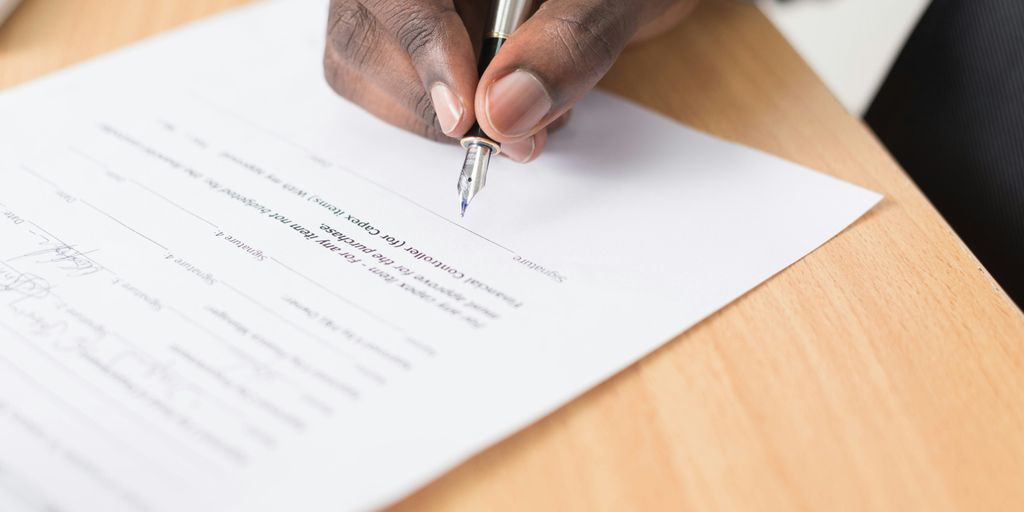
As you approach the termination of your car lease, you are presented with a number of options. One such option involves executing a buyout of your lease. This entails remitting the remaining value of the vehicle and formally assuming ownership thereof. While it may appear straightforward, there exist undoubtedly financial matters to resolve prior to affixing your signature. You will want to secure a lucid depiction of your financial standing and the alignment of this action with your budgetary constraints. It extends beyond the mere sticker price; additional expenditures warrant consideration.
Assessing Vehicle Equity
Equity in a car lease diverges somewhat from equity in a residence. Within the context of a lease, you are essentially leasing the vehicle, and the installments are predicated upon its anticipated depreciation. Nonetheless, should the vehicle's actual market value exceed the outstanding balance on the lease (the residual value), you possess positive equity. This constitutes an advantageous scenario. It implies that you could potentially acquire the vehicle for less than its actual worth and subsequently vend it for a profit. Should the market value fall below the outstanding balance, this signifies negative equity, and executing a buyout might not represent the most prudent financial decision.
Exploring Financing for Your Buyout
The majority of individuals do not possess the requisite buyout amount readily accessible within their bank accounts. This is where financing assumes significance. Frequently, you can procure a loan explicitly earmarked for a lease buyout. Such loans might be procurable through your dealership, your bank, or alternate lenders. It is advisable to explore various options to secure the most favorable interest rates and terms. Consider whether a truncated loan term characterized by elevated installments or an extended term featuring reduced installments aligns more effectively with your budgetary capacity. Securing pre-approval for a loan prior to committing to the buyout can furnish you with a more lucid comprehension of your affordability.
Understanding Tax Implications
Tax represents a pivotal consideration and can fluctuate contingent upon your locale. In certain jurisdictions, upon executing a buyout of your lease, you will be obligated to remit sales tax on the purchase price. This can augment the aggregate cost considerably. However, should you intend to immediately vend the vehicle subsequent to executing the buyout, certain dealerships or service providers might possess the capacity to manage the transaction in a manner that obviates or mitigates this sales tax. It warrants specific inquiry, as it can engender a disparity in your overall savings.
Before you agree to buy out your lease, do your homework. Compare the buyout price to the car's current market value. Also, look into financing options and understand all the taxes and fees involved. Making an informed decision now can save you a lot of money and hassle later.
Here’s a quick look at what to consider:
- Buyout Quote: Obtain the official buyout price from your leasing company. This includes the residual value, any remaining payments, and fees.
- Market Value: Research what similar cars are selling for in your area. Use online tools or talk to dealerships.
- Loan Options: If you need financing, compare interest rates and terms from different lenders.
- Taxes and Fees: Factor in sales tax, registration fees, and any other charges associated with the buyout and ownership transfer.
Alternatives to a Traditional Car Lease Buyout
At times, retaining your current leased vehicle does not constitute the optimal course of action, or perhaps you are exploring an alternate method of managing your lease obligations. Fortunately, a number of alternatives exist to a conventional lease buyout that might more effectively accommodate your requirements. These options can facilitate the termination of your lease, the transition to a different vehicle, or the management of financial fluctuations without necessarily acquiring your current vehicle outright.
Lease Transfers and Takeovers
A lease transfer, frequently denoted as a lease takeover, entails identifying an alternate individual to assume your remaining lease installments and obligations. This represents an efficacious means of prematurely terminating a lease, particularly if your vehicle is in satisfactory condition and your monthly installments are appealing. The procedure typically encompasses identifying a willing buyer, securing their approval from the leasing entity, and executing the requisite documentation. While transfer fees might be applicable, this methodology can shield you from early termination penalties and permit you to depart without the obligation of acquiring the vehicle.
Trading In Your Leased Vehicle
Should your requirements have evolved and you desire a different vehicle, trading in your leased vehicle constitutes a viable option. This is sometimes alluded to as a lease rollover. The dealership will assess your vehicle's value. Should its worth exceed the outstanding balance on the lease, you might possess positive equity that can be applied toward a new vehicle. However, should the vehicle's value fall below the outstanding balance, the disparity (negative equity) can be integrated into your new lease or loan, thereby augmenting your overall indebtedness.
Early Lease Termination Explained
Early lease termination essentially entails remitting payment to terminate your lease contract prior to its scheduled termination date. This typically necessitates the remittance of the remaining lease installments, in conjunction with any applicable early termination fees, penalties for excess mileage, or charges for substantial wear and tear. It generally constitutes the most costly means of terminating a lease and should be regarded as a last resort, subsequent to exploring alternate options such as a buyout or transfer. You ultimately relinquish both the vehicle and the equity; however, you are liberated from the lease agreement.
Selling Your Leased Vehicle Post-Buyout
You have resolved to execute a buyout of your leased vehicle; that is a momentous decision, and you are likely now contemplating the subsequent course of action. Numerous individuals discover that vending their leased vehicle subsequent to executing a buyout can constitute a judicious financial maneuver, particularly if the vehicle's market value surpasses the amount remitted for the buyout. This disparity is frequently denoted as equity, and it essentially represents funds that you can retain.
The objective herein lies in converting that equity into cash while streamlining the process to the greatest extent practicable.
Strategies for Selling Your Car
A number of avenues exist for vending your vehicle subsequent to a lease buyout. Each avenue possesses its attendant advantages and disadvantages; therefore, it is prudent to contemplate the approach that most effectively aligns with your circumstances.
- Private Sale: This typically yields the most substantial monetary return. You will bear responsibility for advertising the vehicle, engaging with prospective purchasers, overseeing test drives, and managing all requisite documentation. While it demands greater effort, the prospective return can prove more substantial.
- Dealership Trade-In: Should you be in the process of acquiring another vehicle, trading in your leased vehicle can prove expedient. The dealership assumes responsibility for the sale and will furnish you with a valuation for your vehicle, which can be applied toward your new acquisition. However, the monetary return might not equal that of a private sale.
- Online Car Buyers: Entities specializing in the online acquisition of used vehicles can proffer a prompt and facile means of vending. Typically, you will receive an online quotation, arrange for an inspection, and contingent upon satisfactory assessment, they will acquire the vehicle. While frequently more expeditious than a private sale, the monetary return might be marginally less than what you could procure independently.
Maximizing Your Profit
To secure the optimal price for your vehicle, a modicum of preparation can prove invaluable. Consider the attributes a purchaser might seek.
- Detailing: A pristine vehicle engenders greater appeal. Consider engaging a professional detailing service or, at minimum, undertaking a thorough wash and interior cleaning. Direct your attention to minute details such as vacuuming, wiping down surfaces, and cleansing windows.
- Minor Repairs: Rectify any minor deficiencies, such as a fractured taillight or a chip in the windshield. These minor rectifications can engender a substantial impact on perceived value and can dissuade purchasers from attempting to negotiate the price downward.
- Maintenance Records: The possession of records documenting routine oil changes and other maintenance procedures can demonstrate to prospective purchasers that you exercised diligence in the care of the vehicle, thereby bolstering their confidence and willingness to tender your asking price.
When selling a car you've bought out of a lease, remember that you've already paid off the lease. Now, you're essentially selling an asset you own outright. This means you don't have to worry about lease-end penalties or mileage charges, which can simplify the sale and potentially increase your profit margin.
Simplifying the Sales Process
The prospect of vending a vehicle can evoke a sense of overwhelming labor; however, avenues exist to streamline the process.
- Gather Your Paperwork: Compile your vehicle's title (subsequent to receipt from the leasing entity), maintenance records, and any warranty information. This facilitates a more seamless transaction for the purchaser.
- Set a Realistic Price: Research comparable vehicles within your locale to ascertain an understanding of the prevailing market value. Websites such as Kelley Blue Book or Edmunds can assist you in determining an equitable price.
- Be Prepared for Negotiation: Whether you are vending privately or to a dealer, be prepared to engage in price discussions. Ascertain your bottom-line price in advance to obviate any pressure to accept an offer that engenders discomfort.
When to Avoid a Car Lease Buyout
At times, executing a buyout of your leased vehicle simply lacks financial prudence. It remains imperative to discern when to abstain from the transaction. Should you encounter yourself within any of the ensuing scenarios, it might prove more judicious to return the vehicle or explore alternate options.
Identifying Situations with Negative Equity
Negative equity, frequently denoted as being "upside down," signifies that the outstanding balance on the lease surpasses the vehicle's actual worth. This can transpire if you accumulate substantial mileage, the vehicle sustains significant wear, or the market value of that particular model diminishes substantially. Should your buyout quotation exceed the price for which you could vend the vehicle on the open market, you are situated within negative equity territory. Typically, remitting payment to acquire a vehicle that is worth less than the remittance amount does not constitute a sound financial maneuver. You would be better served by returning the vehicle and accepting any attendant penalties, or exploring the prospect of a lease transfer if practicable.
Recognizing Excessive Wear and Tear
Lease agreements encompass stipulations pertaining to the condition of the vehicle upon its return. Should your vehicle exhibit substantial damage beyond the scope of normal wear and tear—encompassing dents, torn upholstery, fractured windshields, or bald tires—you will likely encounter considerable fees upon the culmination of the lease. Should you be contemplating a buyout, account for the expenses attendant to the repairs necessitated to obviate these penalties. Should the repair expenditures prove elevated, they might render the buyout price prohibitively expensive in comparison to the vehicle's actual value. It might prove more economical to remit the end-of-lease fees for wear and tear than to acquire the vehicle and subsequently defray the costs of all requisite repairs.
Understanding Mileage Penalties
The majority of leases stipulate a mileage limitation, typically ranging from 10,000 to 15,000 miles per annum. Exceeding this limitation results in a per-mile charge, which can accumulate rapidly. Should you have substantially exceeded your allotted mileage, the penalty fees could prove substantial. Upon receipt of your buyout quotation, juxtapose it against the vehicle's market value. Should the buyout price, in conjunction with the estimated expense of your excess mileage charges, surpass the vehicle's worth, a buyout likely does not represent the optimal choice. In such instances, returning the vehicle and remitting the mileage penalty might prove less costly than acquiring a vehicle that now possesses a value less than your aggregate payout.
Making the Right Choice for Your Lease
So, you've scrutinized all avenues for managing your car lease upon its maturation. Whether you are contemplating a buyout, a transfer, or an entirely divergent strategy, the paramount consideration lies in ascertaining the course of action that most effectively aligns with your financial standing and your current lifestyle. While not invariably a straightforward determination, you can circumvent superfluous expenses and attain a propitious outcome through the judicious exercise of self-inquiry and the comprehensive comprehension of your alternatives. Recollect to scrutinize your lease contract and juxtapose your vehicle's value against your outstanding obligations. Dedicating a modicum of time to the comprehensive comprehension of all facets can genuinely engender a substantial impact upon the ultimate outcome.
Frequently Asked Questions
What exactly is a car lease buyout?
A lease buyout means you purchase the car you've been leasing at the end of your contract. This lets you keep the car instead of returning it. It can be a good choice if you really like your car and want to own it outright, especially if its current market value is higher than the price your lease agreement says you can buy it for.
When does buying out my car lease make sense?
You should think about buying out your lease if you love the car you're driving, have stayed within your mileage limits, and haven't caused too much wear and tear. If the car's current worth is more than what you'll pay to buy it, you could even make a profit by selling it after buying it out.
How do I compare the buyout price to my car's market value?
To figure out if buying out your lease is a good idea, check your lease agreement for the 'residual value,' which is the price you can buy the car for. Then, look up your car's current market value using online tools. If the market value is higher than the residual value, you likely have positive equity and buying it out could be financially smart.
Can I get a loan to buy out my car lease?
Yes, you can get a loan to buy out your lease. Many companies offer special loans for lease buyouts. This can help you pay the total cost of the car and own it, even if you don't have all the cash upfront. It's a way to finance owning the car you've been leasing.
When should I avoid buying out my lease?
If your car has significant damage or you've driven way over the allowed miles, buying it out might cost you more than it's worth. In these cases, paying penalties for returning the car might be less expensive than buying it and then fixing it up or paying those fees.
What are the main steps and costs involved in a lease buyout?
If you decide to buy out your lease, you'll need to handle the paperwork with the leasing company. You might also need to pay sales tax on the purchase price, depending on your location. It's important to understand these costs before you commit to buying the car.


