
resources-malaysia
Celebrating Malaysia Chinese New Year: Traditions, Dates, and Must-Do Activities
11 Nov 2025

Get ready to dive into the vibrant energy of Chinese New Year in Malaysia! It's a season that sees the country truly come alive with a dazzling display of traditions, incredible food, and joyous celebrations. If you're looking to immerse yourself in a cultural festivity unlike any other, Malaysia during this period is an absolute must-see. From heartfelt family reunions to spectacular street performances, there's just so much to discover.
Key Takeaways
- At its heart, Chinese New Year in Malaysia is a beautiful tapestry of age-old customs, featuring the all-important reunion dinner and the giving of lucky red envelopes, known locally as 'angpao'.
- You'll find homes beautifully adorned with red decorations, while lively lion and dragon dances fill the streets—symbolising good fortune and warding off any lingering bad luck.
- The festive season is also a fantastic culinary journey, highlighting traditional dishes and the uniquely Malaysian salad, Yee Sang, which is tossed to usher in prosperity.
- Major cities like Kuala Lumpur and Penang become hubs of excitement, hosting everything from bustling Chinatown markets to impressive fireworks displays.
- To get the most out of your visit, be sure to book your accommodation well in advance, show respect for local traditions, and prepare for a wonderfully lively, festive atmosphere.
Understanding Malaysia Chinese New Year
The Significance of Chinese New Year in Malaysia
Chinese New Year, or the Lunar New Year as it's also known, is one of the most anticipated festivals in Malaysia. It's so much more than just a public holiday; it's a cherished time when families reunite, deep-rooted traditions are honoured, and a festive spirit sweeps across the nation. This celebration marks the beginning of the lunar calendar, and it's observed with incredible energy all over the country. You can truly feel the excitement building, from the bustling big cities to the quieter smaller towns.
A Malaysian Guide to Chinese New Year
So, what's it really all about? At its core, it's a 15-day celebration that kicks off with the first new moon of the lunar calendar. This period is incredibly rich with customs that have been passed down through countless generations. It represents a time for new beginnings, for wiping the slate clean, and for hoping for good fortune in the year ahead. The entire country seems to get a festive makeover, with auspicious red decorations colouring the landscape and a general air of celebration everywhere you turn.
Traditional Customs and Practices
There are quite a few traditions that make the Malaysian Chinese New Year experience so special. Here are some of the main ones you'll encounter:
- The Reunion Dinner: This is, without a doubt, the most important event. Families will travel from near and far to sit down together for a huge, delicious meal on New Year's Eve. It's all about togetherness and wishing each other prosperity for the coming year.
- Angpao (Red Envelopes): You'll see these everywhere! These red packets filled with money are given by married couples and elders to children and unmarried younger relatives. It’s a wonderful way to pass on good luck and blessings for the new year.
- Home Decorations: Houses get a serious festive upgrade. Red lanterns, banners with lucky calligraphy, and the character 'Fu' (meaning fortune) are hung up with care. Red is the colour of choice because it's believed to scare away bad spirits and bring good luck—a powerful and vibrant symbol.
- Lion and Dragon Dances: These performances are an absolute spectacle of sound and colour. Dancers in elaborate costumes move to the thunderous beat of drums and cymbals, bringing blessings and good cheer to homes and businesses. They're a truly lively part of the celebrations.
The spirit of Chinese New Year in Malaysia is a beautiful blend of honouring the past and looking forward to the future with hope and joy. It's a time when community and family ties are wonderfully strengthened through shared rituals and festive activities.
Key Dates and Calendar
Chinese New Year Dates (2026 - 2030)
Figuring out when Chinese New Year actually falls can be a little tricky since it follows the lunar calendar. It's not a fixed date like January 1st! This means the start of the celebrations shifts each year on the Gregorian calendar that most of us use daily. The date is determined by the second new moon after the winter solstice. It usually lands somewhere between late January and mid-February. Knowing the dates in advance is a great way to plan your trip to Malaysia to catch all the festivities.
Here's a quick look at the Chinese New Year dates for the coming years:
| Year | Dates | Zodiac Animal Sign |
|---|---|---|
| 2026 | February 17th | Horse |
| 2027 | February 5th | Goat |
| 2028 | January 26th | Monkey |
| 2029 | February 13th | Rooster |
| 2030 | February 2nd | Dog |
The Lunar New Year Calendar
The Chinese New Year celebration isn't just a one-day thing—it's a full 15-day affair. It kicks off with the much-anticipated New Year's Eve reunion dinner and culminates with the Lantern Festival, also known locally as Chap Go Mei. This entire period is packed with traditions and events, so it's worth understanding the flow if you're visiting. Each day holds its own significance and customs, from visiting relatives to performing specific rituals for good luck. It's a time when families come together, honour their ancestors, and welcome the new year with immense hope and joy. The whole 15-day period is a vibrant display of culture and community spirit, making it a really special time to experience Malaysia.
The lunar calendar is based on the cycles of the moon, which is why its start date varies each year compared to the solar-based Gregorian calendar we commonly use. This explains why Chinese New Year doesn't fall on the same date annually.
Essential Traditions and Rituals
The Reunion Dinner
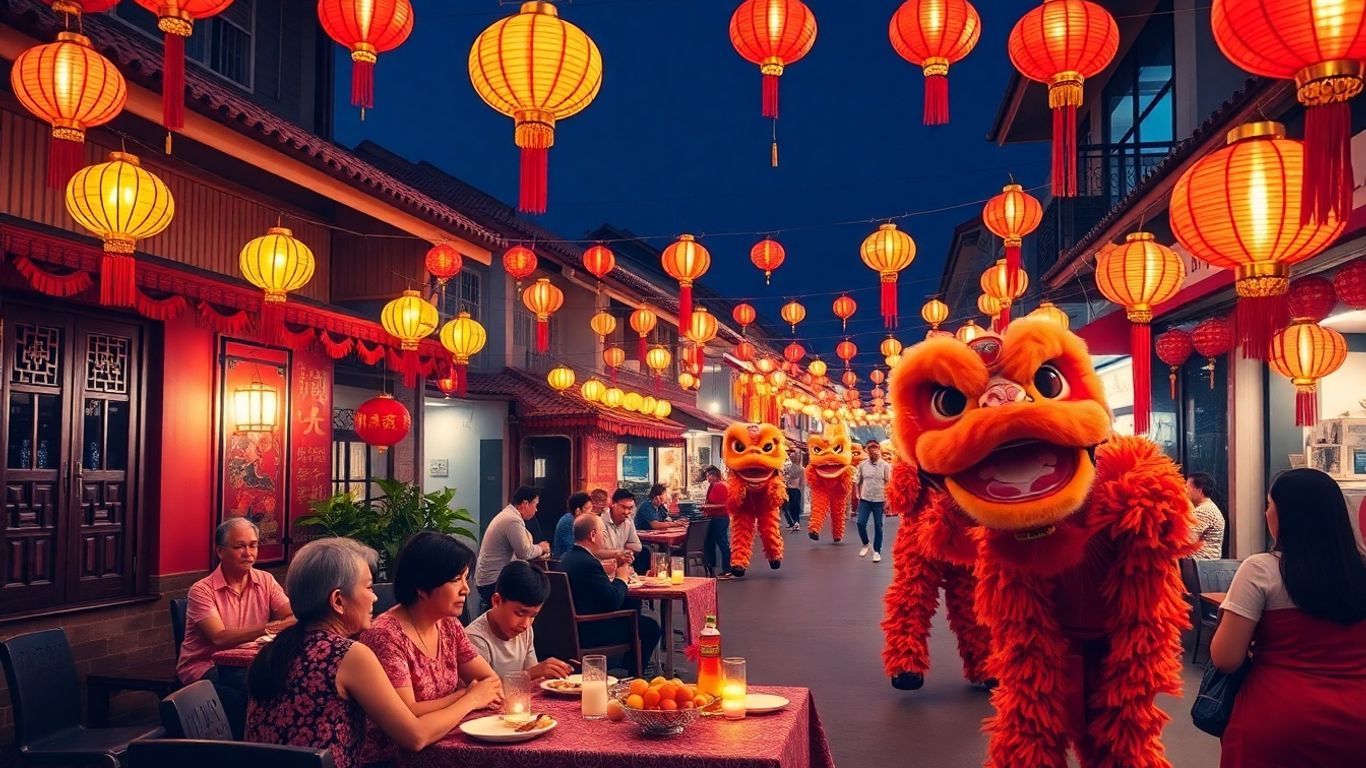
The reunion dinner, held on the eve of the Lunar New Year, is arguably the most significant event of the entire celebration. It's a time when families, no matter how far apart they may be living, make a heartfelt effort to gather together. Think of it as the ultimate family get-together—a chance to reconnect, share stories from the past year, and simply enjoy being in each other's company. The meal itself is a veritable feast, with many dishes chosen specifically for their symbolic meanings. For instance, fish is almost always served because the Mandarin word for fish sounds like the word for surplus, implying abundance for the year to come. It's about so much more than the food, though; it's about the warmth and togetherness felt around the table.
This meal is more than just about eating; it's a cherished ritual that reinforces family bonds and creates memories that last a lifetime. It's a beautiful moment to honour elders and pass down traditions to the younger generation.
Giving of Angpao (Red Envelopes)
Giving and receiving 'angpao', or red envelopes, is a beloved tradition, especially for the younger folks! These bright red packets are filled with money and are traditionally given by married couples and elders to children and unmarried younger relatives. The vibrant red colour is believed to ward off evil spirits, and the money inside—often called 'ya sui qian' (money to ward off the 'Sui' monster)—is a wish for a safe and prosperous year ahead. It's a gesture of goodwill and a wonderful way to share blessings. While money is the main content, you might sometimes find small treats inside too.
Home Decoration and Auspicious Items
Before the New Year arrives, homes undergo a thorough spring cleaning. This isn't just about being tidy; it's a deeply symbolic act of sweeping away any bad luck from the previous year to make space for good fortune to enter. Then comes the fun part: decorating! Red is the dominant colour you'll see everywhere, from lanterns and banners to poetic couplets pasted on doors. These decorations, often featuring auspicious symbols and characters, are believed to bring prosperity, happiness, and good luck. You'll also spot symbolic plants like kumquat trees and bamboo, which carry meanings related to wealth and resilience.
Lion and Dragon Dances
No Chinese New Year celebration would feel complete without the vibrant and energetic lion and dragon dances. These performances are a true feast for the senses, with their elaborate costumes and perfectly synchronized movements. The lion dance, in particular, is believed to usher in good luck and prosperity while chasing away any malevolent spirits. You'll often see the lions interacting with the crowd, sometimes playfully 'plucking' a head of lettuce (which sounds like 'earning fortune' in Chinese) from local businesses. The dragon dance, with its long, serpentine form, is a powerful symbol of strength and good fortune, often performed during larger festivals and parades.
Culinary Delights of Malaysia Chinese New Year
Festival Foods: A Gastronomic Delight
Food is a really big deal during Chinese New Year in Malaysia. It's not just about eating for the sake of it; it's about the meaning and symbolism behind each and every dish. Families spend a lot of time preparing these meals, and the flavours are simply incredible. You'll discover all sorts of traditional dishes that are believed to bring good luck and prosperity for the year ahead. Think about dishes like fish, which sounds like 'surplus' in Chinese, or long noodles, which symbolize a long life. It’s a feast that truly engages all your senses.
Here are some of the popular dishes you'll find on the table:
- Whole Chicken: Represents family unity and togetherness.
- Fish: Symbolises surplus and abundance, as the word for fish sounds like 'yu' (surplus).
- Nian Gao (Sticky Rice Cake): This sweet, sticky cake represents progress and reaching greater heights, as its name sounds like 'higher year'.
- Dumplings: Often shaped like ancient Chinese gold ingots, they're a symbol of wealth.
- Spring Rolls: Their golden colour and shape resemble gold bars, also signifying wealth.
In recent years, convenience has become a bigger factor for some busy families. You might even find some modern twists, like pre-made frozen chicken products that are still prepared with the intention of bringing good fortune. These can range from crispy fried options to cheesy rolls, all aiming for that golden, prosperous look.
Yee Sang: A Symbol of Abundance and Fortune
Yee Sang is something you absolutely have to experience when you're in Malaysia during Chinese New Year. It’s not just a salad; it’s a whole ritual! It’s a colourful platter of raw fish, shredded vegetables like carrots and radishes, all brought together with a sweet plum sauce, crunchy bits, and other tasty condiments. Here's the fun part: the higher you toss the ingredients with your chopsticks, the more prosperity and good luck you're supposed to receive in the coming year. It’s a really fun and communal activity that typically kicks off a meal, especially the reunion dinner. Everyone gathers around the table, and you all toss it up together while shouting out auspicious wishes. It’s a lively and delicious way to get the celebrations started.
Vibrant Celebrations and Activities
Chinese New Year in Malaysia isn't just about quiet family dinners and giving gifts; it's a full-blown festival that lights up the streets and fills the air with an infectious excitement. You'll find a whole host of things happening all over the country, making it a truly electric time to visit.
Festive Events and Activities
Across Malaysia, particularly in the bigger cities, you'll stumble upon all sorts of fantastic events. Imagine bustling street markets popping up everywhere, cultural performances showcasing traditional music and dance, and sometimes even vibrant parades. Shopping malls, which are a huge part of Malaysian life and usually stay open, get in on the action too. They might feature elaborate photo spots, acrobatic shows, and games where you can win prizes—it’s a great chance to soak in the festive mood while enjoying some air-conditioning!
Fireworks and Firecrackers
Get ready for some noise! Setting off fireworks and firecrackers is a huge part of welcoming the new year, a tradition believed to scare away bad luck and invite good fortune. While you might see large, organised displays in some areas, it's also very common for individuals to light them up in their neighbourhoods. The skies can get pretty spectacular, especially on New Year's Eve and the days that follow. Just be prepared for the sound—if you're sensitive to loud noises, you might want to plan accordingly.
The Last Day: Chap Go Mei and the Lantern Festival
While the main celebrations kick off on the very first day, the festivities don't just abruptly stop. The fifteenth and final day marks Chap Go Mei, which also coincides with the Lantern Festival. This is often a more relaxed, gentle affair, but you'll still find communities gathering, enjoying traditional snacks like 'tang yuan' (glutinous rice balls), and admiring beautiful lanterns. It's a lovely way to wind down the two-week celebration and enjoy the lingering festive spirit before life returns to normal.
Top Destinations for Malaysia Chinese New Year
Malaysia truly comes alive during Chinese New Year, and certain spots just buzz with an extra special energy. If you're looking to soak in the full experience, here are a few places you absolutely have to check out.
Visiting Chinatown: Petaling Street and Jonker Street
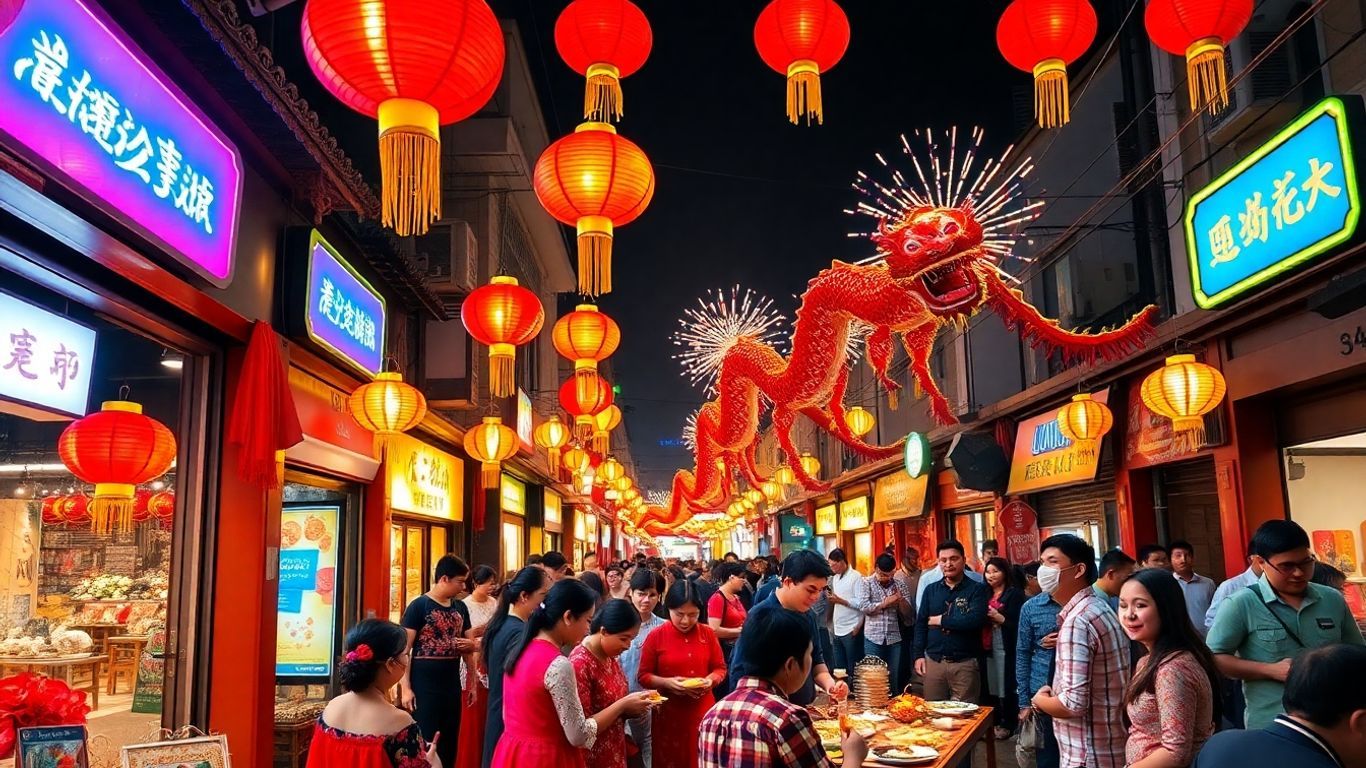
When you think of Chinese New Year celebrations in Malaysia, Chinatown is probably the first thing that comes to mind, right? And for good reason! Petaling Street in Kuala Lumpur and Jonker Street in Melaka are the absolute epicentres of the festivities. Just picture it: streets practically dripping with red lanterns, countless stalls selling everything from lucky charms to delicious street food, and a palpable hum of excitement in the air. It's the perfect place to grab some festive goodies, try out local treats, and simply lose yourself in the vibrant atmosphere.
- Petaling Street (Kuala Lumpur): Expect bustling crowds, lively street performers, and a fantastic array of food stalls. It's a sensory overload in the best possible way.
- Jonker Street (Melaka): This historic street offers a unique blend of culture and commerce. It's a touch more laid-back than KL's Chinatown but still absolutely packed with festive spirit and amazing food.
These areas truly capture the essence of a traditional Malaysian Chinese New Year, offering an authentic glimpse into the customs and lively spirit of the celebration.
Kuala Lumpur's Festive Malls
While the street markets are a must-see, don't underestimate the shopping malls in Kuala Lumpur during Chinese New Year. They go all out! You'll find incredibly elaborate decorations, often with giant displays of the year's zodiac animal, alongside cultural performances and even special appearances by the God of Prosperity. It's a great way to escape the tropical heat for a bit and still be right in the middle of the action. Many malls also run special promotions, so you might just snag a bargain or two.
Penang's Cultural Heritage Celebrations
Penang, especially its UNESCO-listed capital Georgetown, is a treasure trove of culture year-round, and it becomes even more special during Chinese New Year. The city embraces its heritage with open arms. You'll find traditional clan house open days, beautiful decorations adorning the historic streets, and of course, some of the best food in the country. The Penang Chinese New Year Celebration, known as 'Miao Hui', is a major event, often featuring street parades and exhibitions that showcase the rich cultural tapestry of the island.
Melaka's Jonker Walk
Jonker Walk in Melaka is far more than just a street; it's an entire experience. During the Chinese New Year period, it transforms into a pedestrian paradise filled with lights, music, and an incredible variety of food. It's a fantastic place to simply wander, sample local delicacies, and soak up the festive atmosphere. The unique blend of historical architecture and vibrant celebration makes it a truly memorable destination.
Tips for Experiencing Malaysia Chinese New Year
So, you're thinking about heading to Malaysia for Chinese New Year? Awesome choice! It's a fantastic and lively time to visit, but like any major holiday, a little bit of planning goes a very long way. It's best not to just wing it, or you might find yourself caught out.
Book Accommodations and Tours Early
Seriously, don't put this one off. Hotels and even popular homestays get booked up incredibly fast. We're talking months in advance, especially if you're aiming for a popular destination like Penang or Kuala Lumpur. The same rule applies to any tours or special experiences you have your heart set on. It's so much better to have everything sorted ahead of time so you can relax and enjoy, rather than scrambling at the last minute.
Respect Local Customs and Traditions
This is a big one. Chinese New Year is a deeply cultural and family-oriented time here. A few things to keep in mind: it's polite to dress a bit more modestly if you're visiting temples. Also, remember that the first couple of days are often focused on family, so some smaller, family-run shops and eateries might be closed. It's a time for people to be with their loved ones. Understanding these little nuances will make a huge difference in how you experience the celebration.
The spirit of Chinese New Year in Malaysia is all about family, renewal, and good fortune. Being mindful of local customs—like not being overly loud in residential areas late at night or showing respect to elders—demonstrates your appreciation for the culture.
Embrace the Festive Crowds
Malaysians know how to celebrate, and Chinese New Year is certainly no exception. The streets in places like Chinatown, especially Petaling Street and Jonker Street, will be packed. But honestly, that's all part of the fun! Just be patient, keep your belongings secure in the throng, and go with the flow. The energy is absolutely infectious, and you'll get to see so much happening all around you.
Prepare for the Weather
Malaysia is a tropical country, and Chinese New Year typically falls during a warm and humid period. You should expect both heat and humidity, and almost certainly some rain showers—they can be quite sudden and heavy. Pack light, breathable clothing, an umbrella or a light rain jacket, and make sure to stay hydrated. You don't want to be caught off guard and feel miserable when there's so much to enjoy.
Here’s a quick rundown of what to expect weather-wise:
- Temperatures: Generally high, often in the high 20s to low 30s Celsius (80s to low 90s Fahrenheit).
- Humidity: Consistently high, so be prepared to feel sticky.
- Rainfall: Afternoon downpours are common, sometimes heavy but often brief.
So, pack smart and you'll be much more comfortable while you're out enjoying all the festivities.
A Celebration to Remember
So there you have it—a little peek into the vibrant and colourful world of Chinese New Year in Malaysia. It’s a time filled with close-knit family moments, amazing food, and a whole lot of auspicious red decorations! From the grand reunion dinners to the exciting lion dances on the streets and the cheerful giving of 'angpao', it’s clear this festival is deeply woven into the very fabric of Malaysian culture. Whether you're planning a visit or were just curious, experiencing this holiday is truly something special. It’s a wonderful reminder of how tradition can bring people together and create such a beautifully lively atmosphere.
Frequently Asked Questions
What is Chinese New Year and when is it celebrated in Malaysia?
Chinese New Year, also known as the Spring Festival, is a major holiday that marks the beginning of the lunar calendar. Here in Malaysia, it's typically celebrated between late January and mid-February. The main festivities traditionally last for 15 days, kicking off on Lunar New Year's Eve.
What are the most important traditions during Malaysian Chinese New Year?
Family is absolutely central to the celebration! The reunion dinner on New Year's Eve is a must, where everyone gathers for a big meal. Giving 'angpao' (red envelopes with money) to children and unmarried relatives is another key tradition. You'll also see homes beautifully decorated with red items like lanterns to welcome good luck.
What kind of special foods are eaten during Chinese New Year in Malaysia?
Oh, the food is amazing! A very special dish you'll find here is 'Yee Sang,' a colourful raw fish and vegetable salad that everyone tosses together while shouting wishes for good fortune. Plenty of other traditional dishes like noodles for longevity, fish for abundance, chicken, and duck are also staples of the big reunion dinner.
What are some fun activities or sights to see during Chinese New Year in Malaysia?
You'll find vibrant street markets everywhere, especially in places like Kuala Lumpur's Chinatown (Petaling Street) and Melaka's Jonker Street. Energetic lion and dragon dances are a common sight, bringing blessings to shops and homes. Many shopping malls also get into the spirit with festive decorations, cultural performances, and sales.
What is Chap Go Mei and when does it happen?
Chap Go Mei marks the end of the 15-day Chinese New Year celebration. It falls on the 15th night and is also known as the Lantern Festival. People often decorate their homes with lanterns, and in some places like Penang, there's a unique tradition where single women throw mandarin oranges into the sea, hoping to find a good partner.
What are some tips for visiting Malaysia during Chinese New Year?
It's a peak travel season! It’s definitely smart to book your hotels and any tours well in advance, as many people travel to be with family. Be prepared for crowds, especially in popular tourist spots. And of course, remember to respect the local customs and traditions to have the best and most authentic experience.


