


resources
China’s Best Cities to Visit: Beijing, Xi'an and more

From the ancient wonders of the Great Wall to the ultra-modern skyline of Shanghai, China offers a rich tapestry of history, culture, and innovation. But with so many cities to explore, how do you choose which ones are worth the visit? In this guide, we’ll take you on a journey through China’s most captivating cities, each offering its own unique appeal. Whether you’re drawn to Beijing’s historic landmarks, Shanghai’s cosmopolitan flair, or Chengdu’s laid-back charm, China’s cities have something for every traveler.
1. Beijing:
Beijing, the capital of China, is a city where ancient culture meets modern grandeur. It is a place where you can walk through centuries of history while experiencing the pulse of a modern metropolis. From the imperial treasures of the Forbidden City to the serenity of the Summer Palace, Beijing holds a wealth of history. Yet, the city is not just a living museum; it’s also a thriving hub of innovation, with a burgeoning arts scene, a diverse culinary landscape, and bustling shopping districts. Beijing is also an important business center where many local and foreign entrepreneurs come to invest each year and where the professional services sector (such as company formation or accounting) is well developed.
Beijing is a city that wears its history proudly. The Forbidden City, once the seat of imperial power, is a must-see, as is the Temple of Heaven, a place of spiritual significance. The Great Wall of China, perhaps the most iconic structure in the world, stretches across the northern outskirts of the city. For a more serene experience, the Summer Palace offers a peaceful retreat with its stunning gardens, lakes, and pavilions.
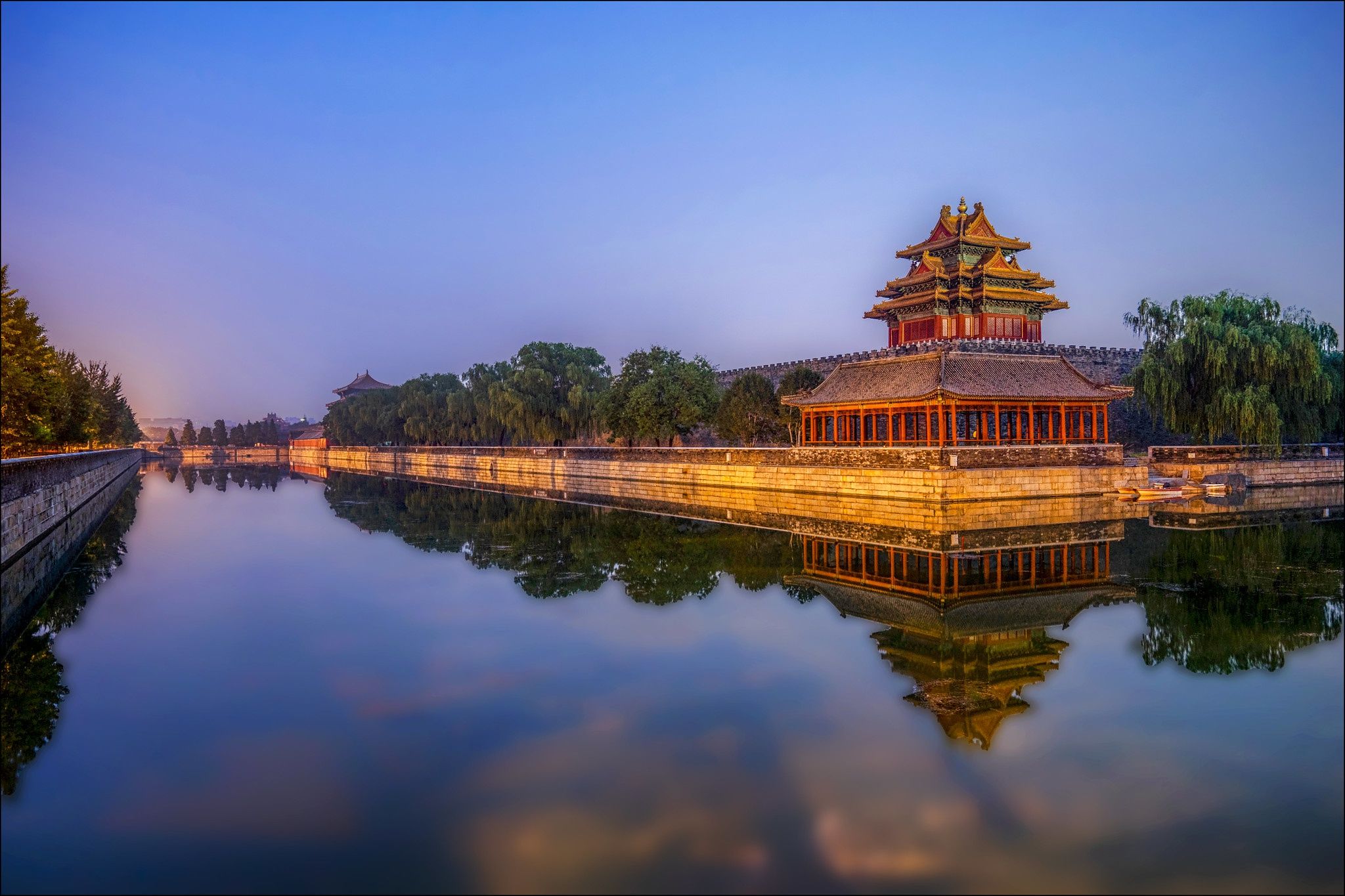
In recent years, Beijing has emerged as a cultural and culinary hotspot, with vibrant food markets, art galleries, and shops selling everything from traditional crafts to designer fashion. Whether you're exploring the narrow alleys of the ancient hutongs or enjoying a contemporary art exhibition in a trendy district, Beijing offers the perfect blend of old and new.
2. Shanghai:
Shanghai is China’s largest city and a global financial hub, renowned for its futuristic skyline and sophisticated shopping districts. Often seen as China’s answer to New York or London, Shanghai is a fast-paced metropolis where modernity and history coexist harmoniously. The blend of colonial-era buildings along the Bund and gleaming skyscrapers like the Shanghai Tower offers a unique juxtaposition of China’s past and future.
One of the highlights of Shanghai is the Bund, where the skyline is framed by colonial-era architecture and futuristic towers. For a taste of traditional Chinese culture amidst all the modernity, visit the Yu Garden, a beautiful classical garden nestled in the heart of the city. If shopping is your thing, Nanjing Road is the ultimate destination, with its countless stores ranging from luxury brands to local boutiques.
Shanghai also has a thriving food scene, offering everything from Michelin-starred restaurants to street food stalls serving local delights such as xiaolongbao (soup dumplings). The city’s nightlife is equally vibrant, with rooftop bars offering stunning views of the skyline and nightclubs hosting world-class DJs.
Related Contents:
best cities to visit in switzerland
best european cities to visit in 2026
3. Xi’an:
Xi’an, once the capital of China’s ancient dynasties, is a city where history is alive in every corner. It is home to the famous Terracotta Army, a remarkable archaeological site that showcases the grandeur of the Qin dynasty. Walking through Xi’an is like stepping back in time, with its well-preserved city walls, ancient monuments, and bustling markets offering a glimpse into the past.
The Terracotta Warriors are undoubtedly the most famous attraction in Xi’an, but there’s so much more to discover. The city walls, which date back to the Ming dynasty, offer a unique way to experience the city, while the Big Wild Goose Pagoda, an ancient Buddhist monument, provides a peaceful retreat. For a taste of local life, visit the Muslim Quarter, where you can enjoy delicious street food and shop for traditional crafts.
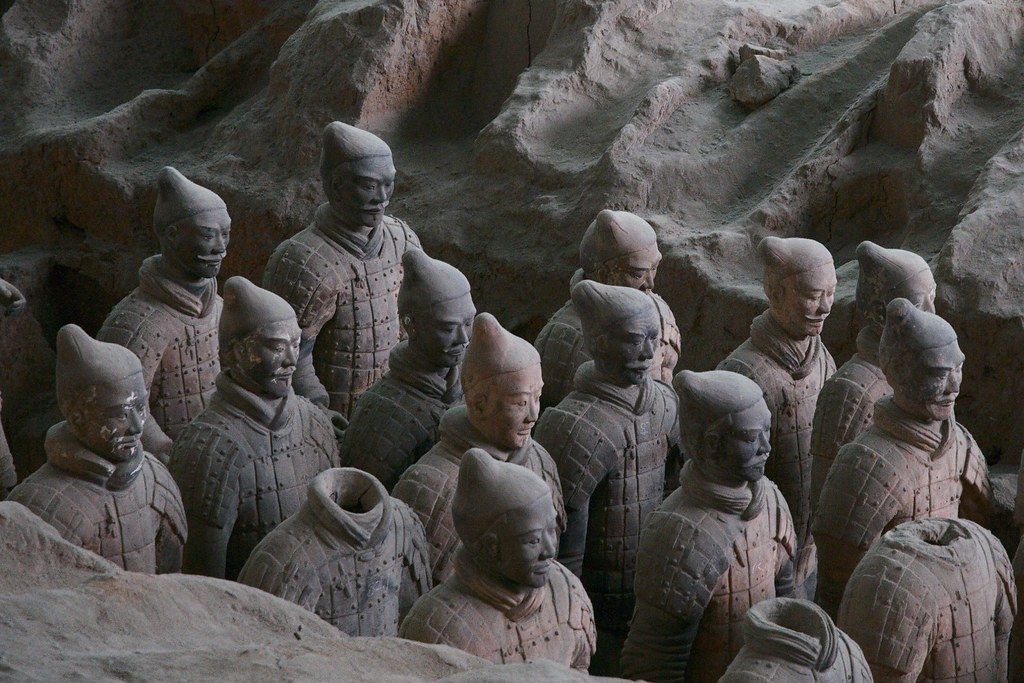
Xi’an is also a city where you can see the convergence of different cultures, with influences from Buddhism, Islam, and various Chinese dynasties blending together to create a unique atmosphere. It’s a place where history comes alive, and every street and building tells a story.
4. Chengdu:
Chengdu, the capital of Sichuan province, is a city known for its spicy cuisine, relaxed pace of life, and stunning natural beauty. It’s the gateway to the Tibetan Plateau and offers a perfect blend of culture, nature, and history. Chengdu is famous for its food—especially Sichuan hotpot and mapo tofu—and is also home to the Chengdu Research Base of Giant Panda Breeding, where you can get up close to China’s beloved national treasure.
One of the must-see attractions in Chengdu is the Giant Panda Breeding Research Base, where you can see pandas in their natural habitat and learn about conservation efforts. If you're looking to experience more of the city's cultural heritage, head to the Wuhou Shrine, which commemorates the famous historical figure Zhuge Liang. The Jinli Ancient Street is another great place to explore, offering a taste of traditional architecture, local snacks, and handcrafted goods.
Chengdu is also surrounded by stunning natural beauty, including Mount Qingcheng, a place of serenity and natural beauty, perfect for hiking and meditation. Whether you’re indulging in a spicy bowl of hotpot or visiting pandas in a lush sanctuary, Chengdu offers a relaxed, authentic experience of Chinese culture.
5. Hong Kong:
Hong Kong is a city that never sleeps, blending East and West in a unique and vibrant way. As a global financial center, Hong Kong boasts a spectacular skyline, world-class shopping, and an ever-bustling atmosphere. It’s a city of contrasts, where modern skyscrapers sit alongside traditional temples, and Chinese culture meets British colonial history.
A visit to Victoria Peak is essential for panoramic views of the city, while a stroll through Temple Street Night Market offers a glimpse into the city’s traditional side, where you can shop for everything from electronics to street food. If you’re in the mood for some fun, Hong Kong Disneyland is a must-see for families or anyone young at heart.
Hong Kong’s food scene is diverse, with a wide variety of Cantonese dishes, dim sum, and international cuisines. Whether you’re exploring the street food stalls or dining at a Michelin-starred restaurant, the city offers an unforgettable culinary journey.
6. Guangzhou:
Guangzhou, also known as Canton, is a bustling metropolis with a rich history of trade and culture. It’s the birthplace of Cantonese cuisine and offers a unique culinary experience for food lovers. The city is also home to vibrant shopping districts, beautiful parks, and landmarks like the Canton Tower, one of China’s tallest structures.
The food scene in Guangzhou is unparalleled, with local dishes like dim sum, roast duck, and steamed seafood being served up in restaurants and street stalls across the city. The city also boasts many historical landmarks, such as the Chen Clan Ancestral Hall, a stunning example of traditional Cantonese architecture. Shamian Island, a colonial-era enclave, offers a peaceful escape with its tree-lined streets and European-style buildings.
Guangzhou is a city that thrives on its history of trade, innovation, and cuisine. Whether you’re exploring the local markets, sampling the food, or marveling at the city’s impressive architecture, Guangzhou offers a rich and diverse experience.
7. Hangzhou:
Known for its breathtaking West Lake, Hangzhou offers a peaceful and scenic retreat from the hustle and bustle of China’s larger cities. Famed for its tea plantations and tranquil beauty, Hangzhou is the perfect destination for those seeking serenity and a slower pace of life.
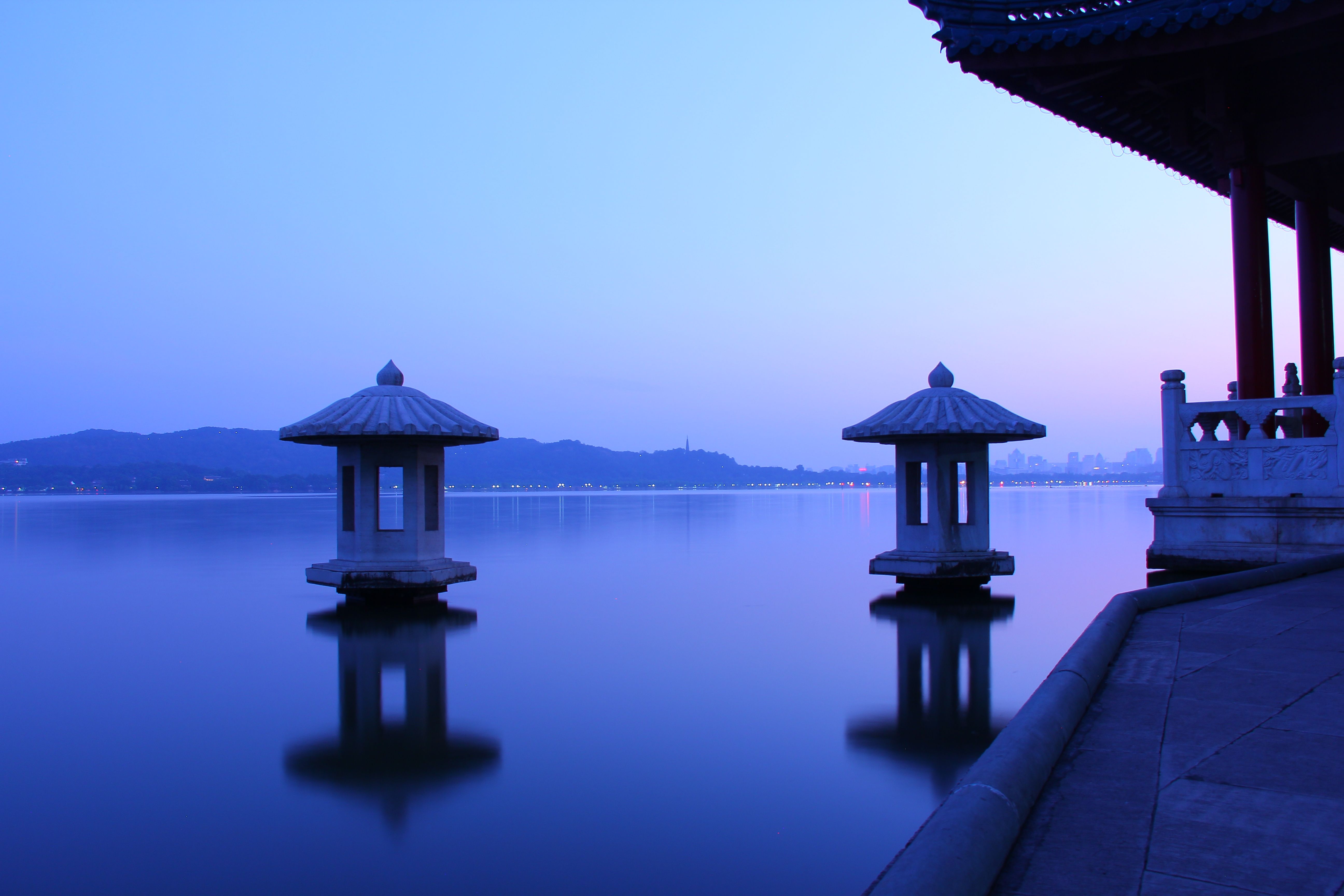
West Lake, with its lush landscapes, ancient temples, and peaceful waters, is the city’s most iconic feature. The lake has inspired poets and artists for centuries, and its scenic beauty continues to captivate visitors. Hangzhou is also famous for being the birthplace of Longjing tea, one of China’s most famous teas. A visit to the tea plantations in Longjing is a must for anyone interested in tea culture.
If you're looking for a bit of history, head to the Lingyin Temple, one of the largest and most significant Buddhist temples in China. Leifeng Pagoda, perched on the edge of West Lake, offers stunning views of the surrounding landscape.
8. Suzhou:
Suzhou, often referred to as the Venice of the East, is a city renowned for its classical Chinese gardens, ancient canals, and traditional architecture. Located in Jiangsu province, Suzhou’s peaceful canals and beautiful gardens make it one of China’s most picturesque cities. Its tranquil atmosphere offers a glimpse into ancient Chinese culture and provides a stark contrast to the hustle and bustle of larger cities like Shanghai.
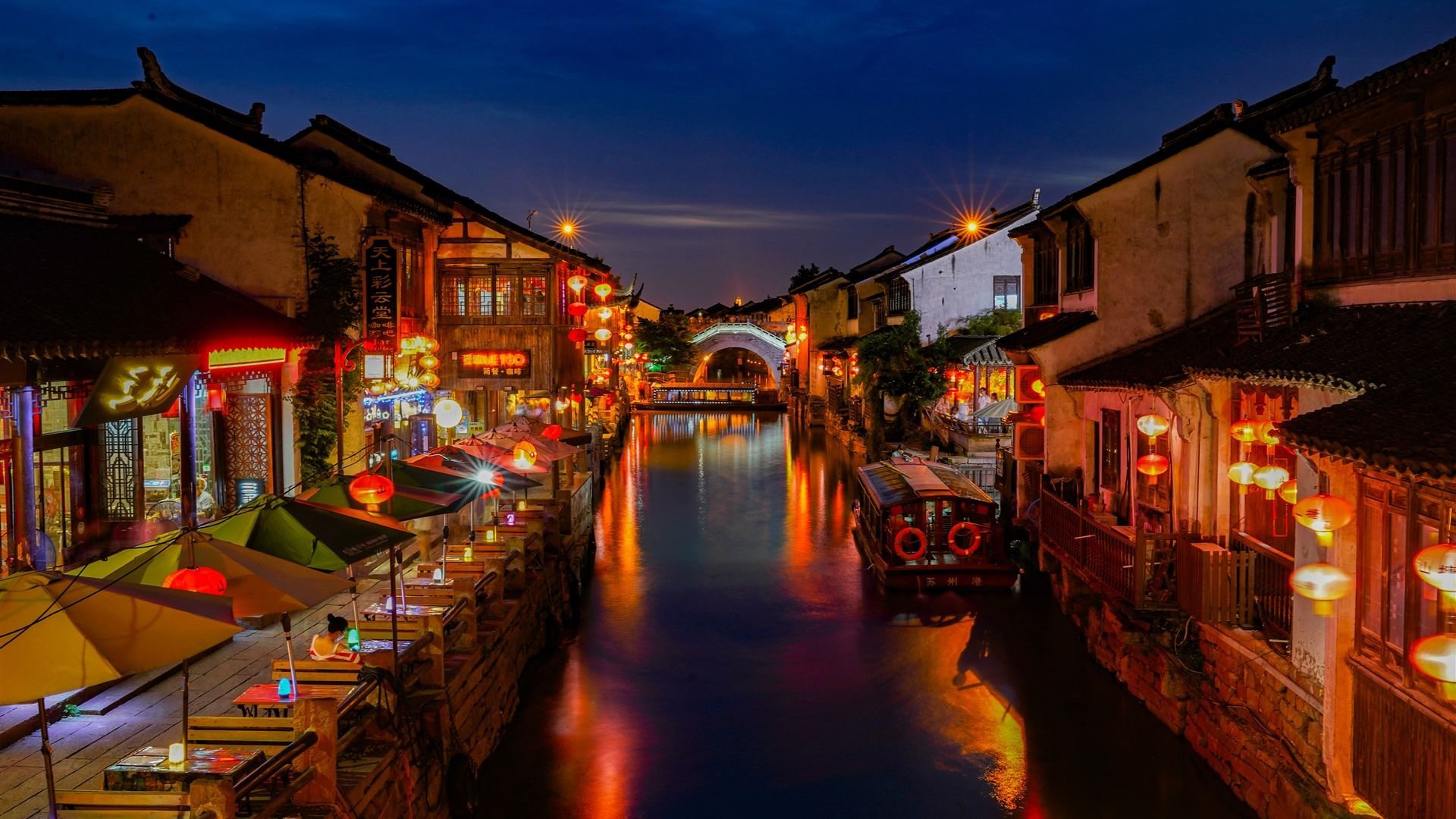
The Humble Administrator’s Garden is one of Suzhou’s most famous attractions, offering visitors a glimpse of classical Chinese garden design. The city is also home to the Suzhou Museum, which showcases the region's rich history and art. Pingjiang Road, with its picturesque canals and traditional architecture, is perfect for a leisurely stroll.
Suzhou is a city where tradition and tranquility reign, offering a peaceful escape for those seeking to experience ancient Chinese culture.
9. Lijiang:
Lijiang, located in southwest China, is a UNESCO World Heritage city known for its well-preserved Old Town. The town is full of character, with traditional Naxi architecture, cobbled streets, and quaint shops. Lijiang is also known for its stunning views of the Jade Dragon Snow Mountain, a majestic peak that rises above the city.
Lijiang Old Town is a highlight, with its narrow streets, ancient buildings, and vibrant markets. Jade Dragon Snow Mountain provides a breathtaking backdrop for the town, and the Black Dragon Pool is a serene spot for reflection and relaxation. Shuhe Ancient Town offers a more peaceful retreat, with fewer crowds and a more relaxed atmosphere.
Lijiang is a place where time seems to slow down, offering visitors a chance to step back in time and experience the rich cultural heritage of the Naxi people.
10. Shenzhen:
Shenzhen has transformed from a small fishing village into a high-tech powerhouse, often compared to Silicon Valley. The city is known for its innovative tech industry and cutting-edge development, making it a modern marvel in its own right.
Shenzhen offers a unique combination of high-tech development and cultural attractions. The Window of the World theme park offers replicas of famous landmarks from around the globe, while the Splendid China Folk Village offers a cultural journey through China’s diverse ethnic groups. The Huaqiangbei Electronics Market is a paradise for tech enthusiasts, offering everything from gadgets to components.
Shenzhen is a city on the cutting edge of innovation and technology, offering visitors a glimpse into the future of China’s urban development.
Final Thoughts
China’s cities are as diverse as the country itself, each offering its own distinct blend of history, culture, and modernity. Whether you’re marveling at ancient wonders in Beijing, experiencing the high-tech future of Shenzhen, or savoring Sichuan’s spicy flavors in Chengdu, you’ll find that China’s cities offer an unforgettable travel experience. No matter where your journey takes you, one thing is certain: China’s cities will captivate you, leaving you with memories that last a lifetime.


