
Markets & Investing
Circular Economies To Replace Linear Economies in 10 Years
26 Sept 2019

To remain competitive, supply chain leaders must shift from wasteful linear to circular models that reuse and renew, according to Gartner, Inc.
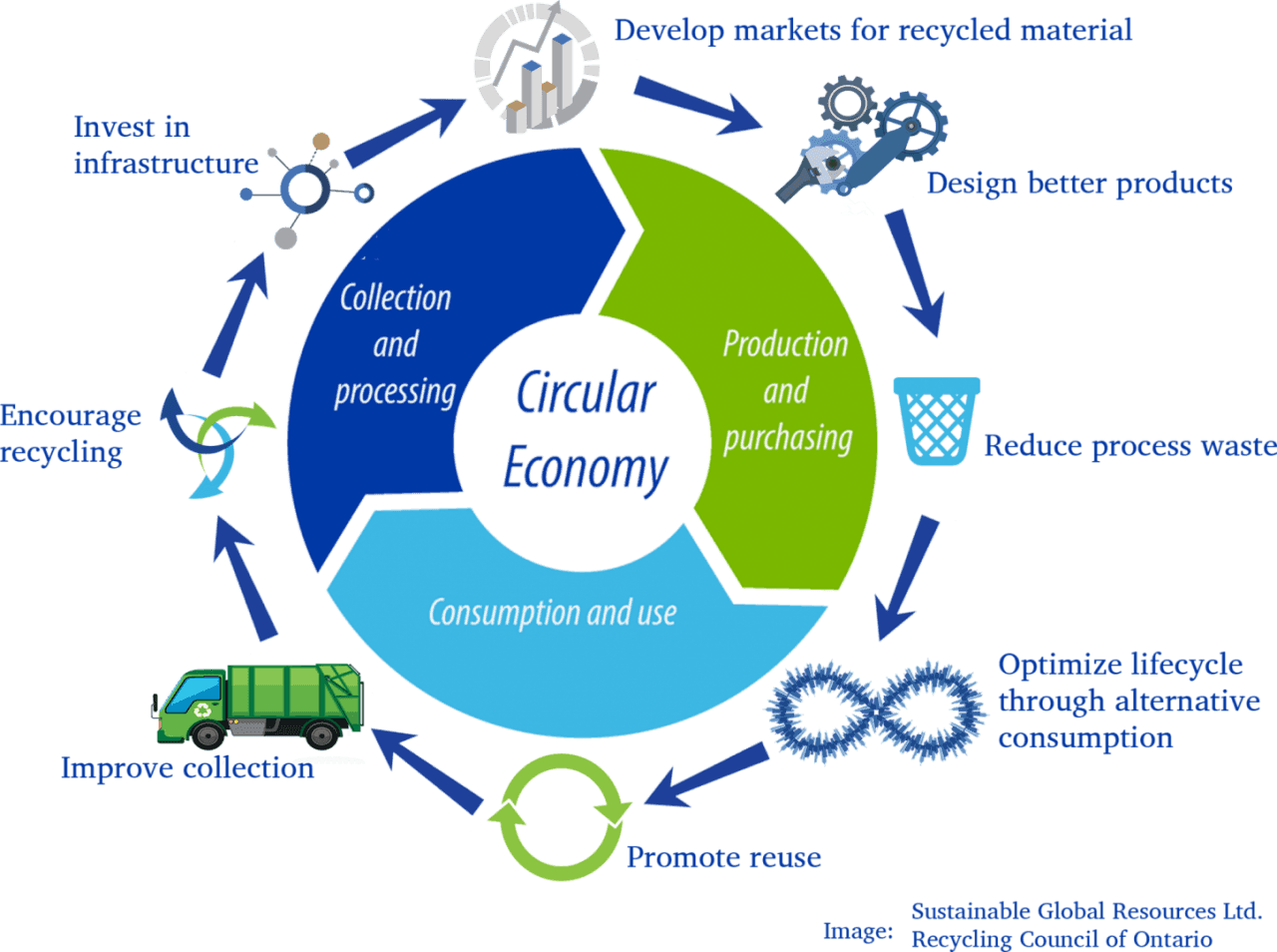
Gartner defines the circular economy as an economic model that separates the ability to achieve economic growth from the consumption of natural resources. Circular economic business models encourage continuous reuse of materials to minimize waste and the demand for additional natural resource consumption.
“Organizations are under pressure to reduce the amount of waste they’re producing — from consumers and governments alike,” said Steven Steutermann, managing vice president in the Gartner Supply Chain practice. “The solution to this challenge is a shift towards a circular, waste-free economy. The supply chain will play a key role in this process. Eighty-four percent of participants in Gartner’s recent Supply Chain and the Circular Economy Survey stated that the supply chain has, or will have, decision-making authority when it comes to their organization’s circular economy strategies and initiatives.”
Intelligent Ecosystems Pave the Way
Switching from a linear to a circular economy is not a go-it-alone project — it requires a whole ecosystem. CSCOs should collaborate with internal product designers and suppliers to understand exactly how products are consumed and disposed after consumption.
“To turn around a supply chain system, 10 years is not a long time. CSCOs should deploy change management programs and start pilots now,” added Mr. Steutermann. “The pilots will provide valuable learnings and help build momentum for further circular economy initiatives.”
Another action to take is to join a consortium or alliance, such as Make Fashion Circular, the Alliance to End Plastic Waste or Loop, an online shopping concept designed to eliminate single-use packaging. “Getting together with like-minded professionals will support CSCOs to sketch out a vision for an intelligent ecosystem of partners and peers,” Mr. Steutermann added. “They should start with a single question, such as ‘How can I reduce packaging?’, and expand from there.”
New Metrics for New Economies
According to the survey, the biggest challenge to circular-economy efforts is setting measurable goals. Often, the key challenge in setting these goals — as with any transformational initiative — is substantiating how the proposed changes will impact consumer preferences and, ultimately, margins.
“While some metrics on sustainability already exist, they are mostly related to linear metrics, such as reducing waste to landfills or carbon dioxide emissions. It is important not to confuse those metrics with the circular economy. Good metrics for the circular economy could be the percentages of reclaimed, reused materials for production and the reduction of single-use plastic,” Mr. Steutermann concluded.


