


resources
Cities in California Leading the Way in Quantum Computing

Quantum computing promises to revolutionize everything from drug discovery to climate modeling, and the race to build practical quantum computers is intensifying globally. While nations like China and research centers across Europe pour billions into quantum research, a cluster of cities in California is emerging as the undisputed epicenter of quantum innovation.
From breakthrough algorithms developed in university labs to billion-dollar quantum startups launching commercial systems, California's unique ecosystem of academic excellence, venture capital, and tech talent is positioning the state at the forefront of what many consider the next computing revolution. The question isn't whether quantum computing will transform our world—it's which regions will lead that transformation, and California is staking its claim.
A Brief History of California’s Quantum Computing scene
The story of quantum computing in California connects deeply to the state's broader history of technological innovation. Silicon Valley, centered around San Jose and stretching through Palo Alto and Mountain View, earned its name from the semiconductor revolution of the 1960s and 1970s. Companies like Fairchild Semiconductor and Intel pioneered the integrated circuits that powered the personal computer revolution. This legacy of pushing computing boundaries created fertile ground for quantum research. Stanford University, founded in 1885 and located in the heart of Silicon Valley, became a crucible for quantum physics research throughout the 20th century. The university's physics department attracted luminaries who laid theoretical groundwork for quantum mechanics applications. Meanwhile, the University of California system, established in 1868 with its flagship campus in Berkeley, developed parallel strengths in quantum physics and computer science. By the early 2000s, these academic institutions were producing groundbreaking quantum research, and the venture capital infrastructure that had funded previous tech revolutions began eyeing quantum startups. This convergence of academic research, entrepreneurial culture, and available capital set the stage for California's quantum computing leadership.
Cities in California leading the Way in Quantum Computing
Berkeley
Today, several cities in California anchor distinct aspects of the quantum computing ecosystem. Berkeley stands at the forefront of quantum research through UC Berkeley's robust physics and computer science programs. The university's Quantum Information and Computation Center brings together researchers working on quantum algorithms, error correction, and hardware development. Berkeley's contribution extends beyond theory—the city hosts quantum startups commercializing university research and benefits from proximity to Lawrence Berkeley National Laboratory, where researchers use supercomputing resources to simulate quantum systems. This academic foundation makes Berkeley essential to training the next generation of quantum scientists and engineers.
Santa Barbara
Santa Barbara has emerged as an unexpected quantum hub, anchored by UC Santa Barbara's nationally recognized quantum research programs. The university's physics department houses multiple quantum computing research groups working on superconducting quantum processors and quantum materials. Google's quantum computing laboratory, located near Santa Barbara, has produced some of the field's most significant breakthroughs. In 2019, Google announced achieving quantum supremacy—demonstrating that their quantum processor solved a specific problem faster than classical supercomputers could. This milestone, developed in Santa Barbara, marked a watershed moment proving quantum computers could outperform conventional systems in certain tasks. The city's quantum ecosystem benefits from collaboration between Google researchers and university faculty, creating feedback loops accelerating innovation.
Palo Alto and the Bay Area
Palo Alto and the broader Silicon Valley region host quantum computing companies translating research into commercial products. Rigetti Computing, founded by former IBM researcher Chad Rigetti, established operations in the Bay Area and developed cloud-accessible quantum computers. The company's approach—making quantum computing available via cloud platforms similar to Amazon Web Services or Microsoft Azure—democratizes access to quantum resources. IonQ, another quantum computing company with California presence, went public in 2021, signaling investor confidence in the sector's commercial viability. These companies cluster around Palo Alto, San Jose, and Mountain View, benefiting from proximity to venture capital firms on Sand Hill Road and the talent pipeline from Stanford and UC Berkeley.

Los Angeles
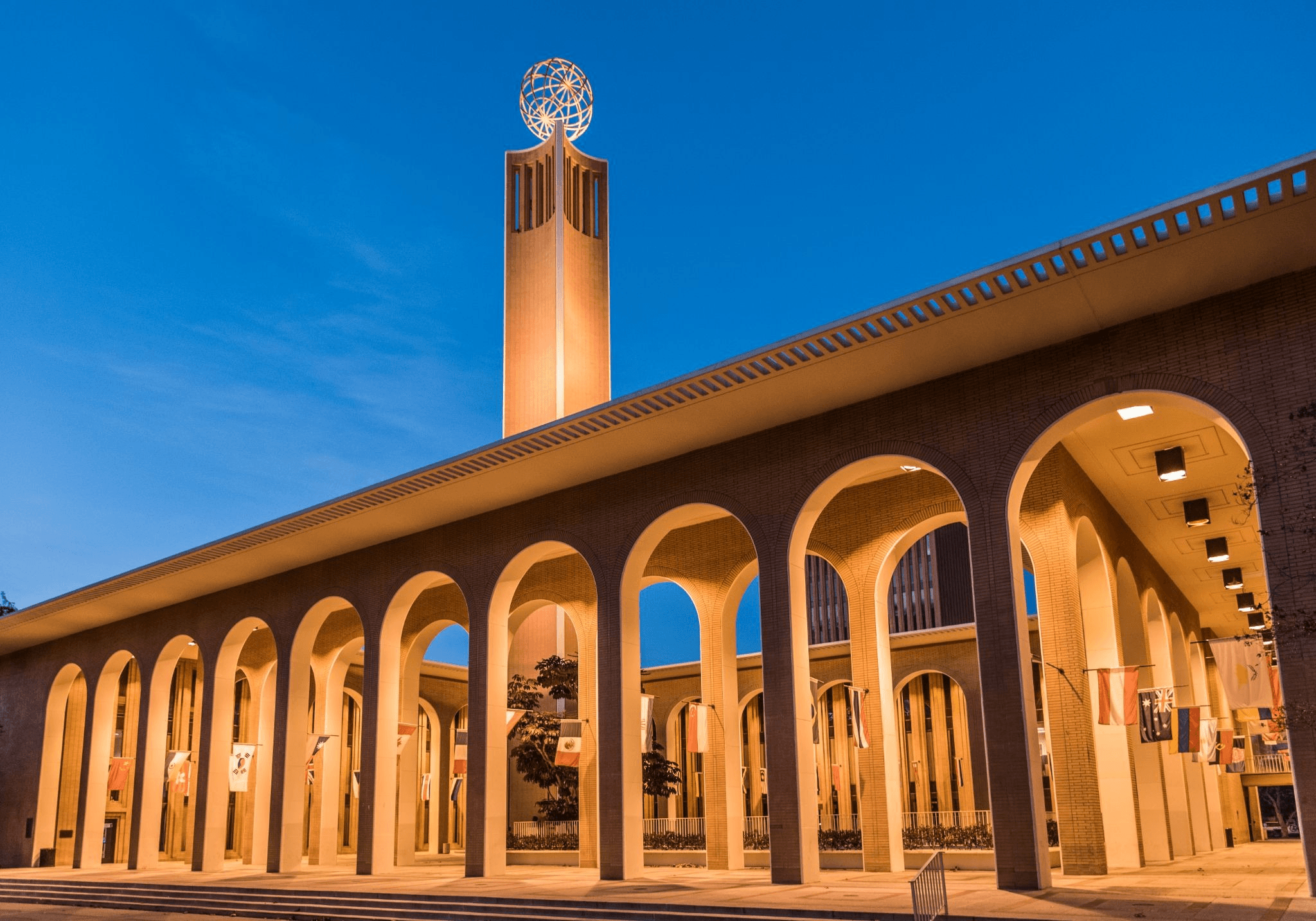
Los Angeles contributes through university research and aerospace connections. The University of Southern California and California Institute of Technology in nearby Pasadena conduct quantum research with applications ranging from quantum communication networks to quantum sensors. Given Los Angeles's aerospace industry concentration, quantum computing applications for complex simulations—modeling aircraft performance or optimizing supply chains—attract particular interest. Meanwhile, San Diego's quantum ecosystem centers around UC San Diego's quantum research groups and the city's telecommunications and biotechnology sectors, where quantum computing promises transformative applications in drug discovery and secure communications.
Opportunities and Challenges
The concentration of quantum innovation in cities in California stems from multiple reinforcing advantages. First, the state's universities produce exceptional talent. Stanford, UC Berkeley, Caltech, and other institutions graduate physicists, computer scientists, and engineers specifically trained in quantum mechanics and quantum information theory. Second, California's venture capital ecosystem understands deep tech investment. Firms that funded previous computing revolutions—from semiconductors to personal computers to cloud computing—recognize quantum computing's potential and possess patience for longer development cycles than typical software startups require. Third, the existing tech industry provides infrastructure and expertise. Companies like IBM, Intel, and Google maintain quantum research divisions in California, offering resources and employment opportunities that attract global talent. Fourth, California's culture celebrates ambitious, moonshot projects. The same environment that enabled Tesla to revolutionize electric vehicles and SpaceX to transform spaceflight supports quantum computing ventures pursuing decade-long development timelines.
Several challenges face California's quantum computing sector despite these advantages. Quantum computers remain extremely difficult to build and operate. Quantum processors require cooling to near absolute zero temperatures, maintain coherence for only microseconds, and suffer from high error rates. Scaling from current systems with dozens or hundreds of quantum bits to the millions needed for practical applications requires overcoming enormous technical hurdles. Additionally, California faces competition from quantum initiatives in other regions. IBM maintains significant quantum computing operations in New York, while startups in Maryland, Colorado, and Massachusetts pursue different technological approaches. Internationally, Chinese researchers are investing heavily, and European initiatives like the EU Quantum Flagship represent serious competitive threats.
The economic impact of quantum computing leadership extends beyond the technology sector. Cities in California positioning themselves as quantum hubs attract high-wage jobs, generate patent portfolios, and build capabilities in fields from cryptography to materials science. Quantum computing is expected to impact industries including pharmaceuticals, where quantum simulations could accelerate drug discovery; finance, where quantum algorithms might optimize trading strategies and risk assessment; logistics, where quantum computing could solve complex routing problems; and climate science, where quantum simulations might improve weather forecasting and climate models. California cities hosting quantum research and companies gain first-mover advantages in these applications.
Educational initiatives ensure sustained quantum talent pipelines. Universities across cities in California now offer quantum computing courses and degree programs. Berkeley's quantum computing courses attract students globally, while Stanford's quantum information science programs integrate physics and computer science. These programs recognize that quantum computing requires interdisciplinary expertise—physicists who understand computing, computer scientists who grasp quantum mechanics, and engineers who can build quantum hardware. Workforce development extends beyond universities. Companies like IBM offer quantum computing certifications, and coding bootcamps beginning to include quantum programming languages like Qiskit and Cirq. This educational infrastructure ensures California maintains talent advantages as the field matures.
Final Thoughts
Looking forward, cities in California are positioning for the next quantum computing phase. Current quantum computers excel at specific tasks but remain impractical for most real-world applications. The next decade will determine whether quantum computing delivers on its transformative promise or remains a specialized research tool. California cities are hedging bets by pursuing multiple quantum computing approaches—superconducting circuits, trapped ions, photonic systems, and topological qubits—recognizing that the optimal path remains uncertain. This diversity of approaches, funded by venture capital and supported by university research, exemplifies California's innovation ecosystem strengths.
The concentration of quantum computing innovation in cities in California reflects historical advantages meeting future opportunities. The state's universities produce talent, its venture capital funds ambitious ventures, its tech companies provide infrastructure, and its culture embraces transformative technologies. From Berkeley's academic research to Santa Barbara's breakthroughs to Silicon Valley's commercialization, California cities are building comprehensive quantum ecosystems. While quantum computing faces significant technical challenges and global competition intensifies, California's unique combination of assets positions it to lead the quantum revolution. As quantum computers transition from laboratory curiosities to practical tools, the cities nurturing this technology today will reap economic benefits tomorrow. California's quantum bet is paying dividends, and its cities are writing the next chapter in computing history.

Beyond California, quantum computing developments span globally. Cities like Singapore, Toronto, Tokyo, Seoul, Amsterdam, Berlin, London, Sydney, and Beijing host quantum research initiatives, while tech hubs including Seattle, Boston, Austin, and Chicago develop quantum capabilities. Even cities traditionally focused on other sectors—Nashville, Copenhagen, Vienna, Budapest, Miami, and Dubai—are exploring quantum applications. The global nature of quantum research means California's cities in California must continue innovating to maintain leadership. However, the concentration of talent, capital, and ambition in California cities provides competitive advantages difficult for other regions to replicate. The quantum future is being built in California's universities, labs, and startups, and the world is watching.


