
resources
Craftsmanship Over Volume: Inside Alkareem London's Approach to Ethical Modest Fashion Production
29 Sept 2026

As the fashion industry's sustainability conversation increasingly turns toward provenance and production ethics, London-based modest fashion label Alkareem London offers a case study in an alternative production model: slow, artisan-led manufacturing built around a single garment category rather than trend-driven volume.
Founding and design philosophy
Alkareem London launched in 2020, founded by a then-19-year-old designer whose starting brief was reportedly personal rather than commercial, a lifetime of wearing hijab and observing a shortage of modest fashion brands treating the category as genuine design work rather than an adapted afterthought of mainstream collections. That premise has shaped the brand's stated design philosophy, built around three pillars: modesty as a design foundation rather than a restriction, a stated devotion to craft, and what the brand describes as "elegance without effort," garments intended to move between daily wear and occasionwear without requiring a separate wardrobe for each.
Production: London design, Dubai manufacturing
Alkareem London's supply chain follows a design-in-London, manufacture-in-Dubai model, with the brand emphasizing ethical sourcing throughout production. The most notable output of this approach is its hand-beaded abaya range, where select pieces reportedly require upwards of thirty hours of hand-finishing by artisans, a labour-intensive process increasingly uncommon at the brand's price point, with finished abayas retailing between approximately £45.99 and £99.99.
This positions the brand within a small but expanding cohort of modest fashion labels attempting to make an artisan-manufacturing case commercially viable at accessible price points, rather than reserving hand-craftsmanship exclusively for luxury-tier pricing, a tension familiar to much of the sustainable fashion sector.
Category and market context
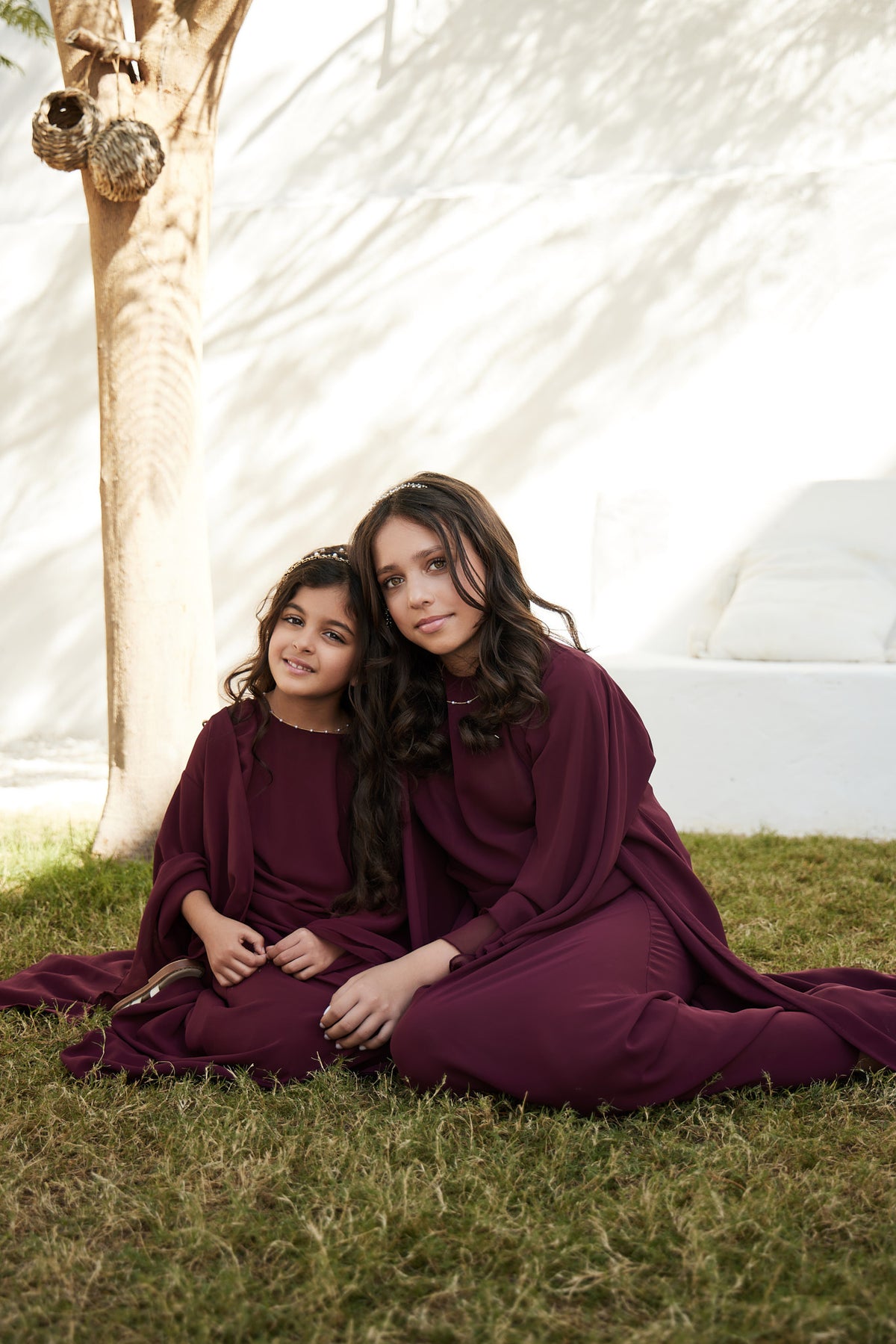
Alkareem London's abaya collection forms its commercial core, supported by hijabs and accessories, thobes, and a children's range. Modest fashion has been one of the faster-growing categories within global apparel over recent years, and labels able to combine cultural authenticity with verifiable ethical production credentials, as Alkareem London positions itself, are increasingly well-placed within that growth, particularly as younger consumers apply the same provenance scrutiny to modest fashion that they've extended to mainstream sustainable apparel.
Visibility beyond e-commerce
Alkareem London has supplemented its online retail presence with appearances at physical and cultural touchpoints including Westfield London, the Muslim Shopping Festival, the World Halal Food Festival, and features on Islam Channel, building brand recognition through community and retail visibility alongside its digital channels.
For an industry increasingly asking harder questions about how garments are actually made, Alkareem London's willingness to quantify its craftsmanship, specific hours, specific production geography, specific ethical sourcing claims, offers a more substantiated version of the "ethically made" positioning that much of the category still asserts without detail.


