
business resources
Custom Pizza Boxes: A Complete Guide to Branding, Materials & Printing
30 Jul 2026

Branded food packaging such as custom pizza boxes protect hot pizza during delivery and showcase a business’s visual identity. They combine material choice, print method, and structural design to fill both a functional and a branding role with every order.
For pizza shops and food chains, the box is the first thing a customer sees before the food. This means that decisions about materials, printing, sizing and design are directly connected to brand perception and product quality. It covers material and printing considerations, design and sizing basics, as well as key factors in selecting the right packaging supplier.
What Are Custom Pizza Boxes?
Custom Pizza Boxes are pizza boxes that are made in particular sizes, materials and printing styles for a company. They keep hot food in a way that is consistent with brand identity and daily delivery needs.
Some businesses print only a logo. Others add product details, contact info, or simple artwork. The box still has one main job. It needs to hold the pizza well from pickup to delivery.
Why Custom Pizza Boxes Are Important for Your Brand
A pizza box reaches the customer at a key moment. The meal is about to be opened, shared, and judged. That makes packaging part of brand perception, not just food handling.
Printed packaging also stays visible during pickup, handoff, and delivery. More exposure happens naturally, without adding a separate ad space.
Creating a Memorable Customer Experience
Before the food is even seen, the box shapes the first visual moment. A clean print, proper fit, and neat finish make the order feel more cared for.
This is easy to notice. If the lid closes well and the box looks fresh, the whole order feels more put together. That small detail often affects how people talk about the meal long after it arrives.
Increasing Brand Recognition Through Packaging
Printed boxes help people connect a meal with one business instead of another. Same visual style, every time. Repeated use makes the brand easier to remember.
Color plays a big part here. A bold red mark or simple black logo on every order stays in the customer's mind over time. Recognition grows from repetition.
Turning Every Delivery Into a Marketing Opportunity
Delivery staff carry each box through homes, offices, and apartment buildings where other people can see it. That turns the box into a moving brand display during transport.
The exposure happens during normal service. No extra effort from the business is needed, giving the box a second role beyond food storage.
Building Customer Trust With Professional Packaging
Clean and well-printed packaging shows care in handling and presentation. It builds trust before the customer even checks the food inside.
Poor print, weak structure, or grease marks send the opposite signal. People notice small quality problems fast. A neat box sets a better tone for the entire order.
Choosing the Right Material for Custom Pizza Boxes
Heat, grease, weight, and transport distance all place demands on the box material. The right choice depends on the type of pizza, how far it has to travel, and the brand image a company strives for. Some materials are more about strength. Others are more aesthetic or eco-minded. In practice the best choice is the one that accommodates daily use without making the box more difficult to store or carry. Many food businesses prefer reliable food packaging solutions that combine durability, insulation, and sustainable materials.
Corrugated Cardboard
A layered structure with a fluted inner core gives corrugated cardboard its strength and heat retention. It's one of the most common choices for pizza delivery because it holds shape well during transport.
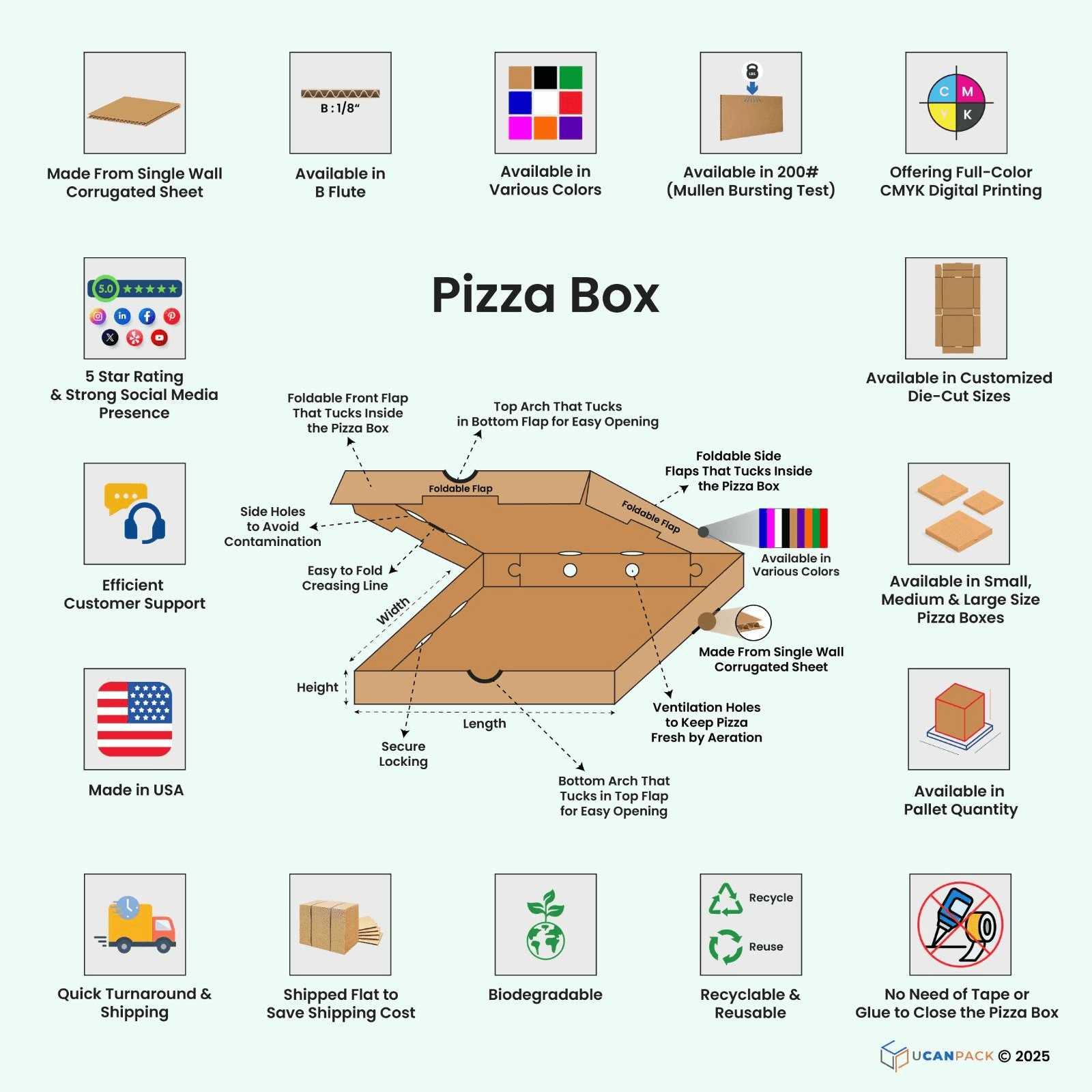
That fluted layer adds real support when boxes are stacked in busy kitchens or inside delivery bags. Crushing during handoff drops significantly.
Kraft Pizza Boxes
Brown paper-based board gives kraft pizza boxes a natural look. They're often picked by brands that want simple packaging with a more earthy style.
The surface gives a casual, honest feel. Light scuffs hide better than on bright white stock. For many smaller food brands, this keeps the box looking clean through daily use.
White Paperboard
When print clarity matters most, white paperboard gives a brighter base for logos, patterns, and sharper color output. Fine lines show better on a white surface.
This option fits brands that want a cleaner retail look. The result often feels more polished at first glance.
Recyclable & Eco-Friendly Materials
Many food buyers now prefer packaging that cuts waste impact after use. Recyclable and eco-friendly materials appeal to brands that want packaging aligned with greener business choices.
A recyclable box gives the customer a simpler disposal path after the meal. Some suppliers also offer FSC certified packaging options for businesses that want verified paper sourcing.
Printing Options for Custom Pizza Boxes
The right print method depends on design detail, order volume, and the finish a business wants. Printing changes how the brand appears on the box surface.
Some print styles work better for simple one-color runs. Others suit detailed graphics or short batches. The difference affects both image quality and production flow.
Flexographic Printing
For large production runs with simple designs, flexographic printing handles bold text, basic logos, and repeating patterns well through direct impression.
This method is often picked for volume orders because the setup supports steady output. Print detail is more limited than high-end methods. Still, it handles practical branding well.
Offset Printing
Sharper graphics and cleaner color control make offset printing a fit for pizza boxes with refined artwork or stronger visual consistency needs.
The print result looks smoother on many paper surfaces. Small text and tighter line work come through clearly. Brands that care about image precision often look here first.
Digital Printing
Without traditional plates, digital printing places artwork straight on the box. This makes it useful for shorter runs, test batches, or frequent design changes.
Setup is simpler, so small orders become easier to manage. A seasonal pizza promotion, for example, can be printed without committing to a large stock run. Swapping artwork is fast.
Design Elements That Make Custom Pizza Boxes Stand Out
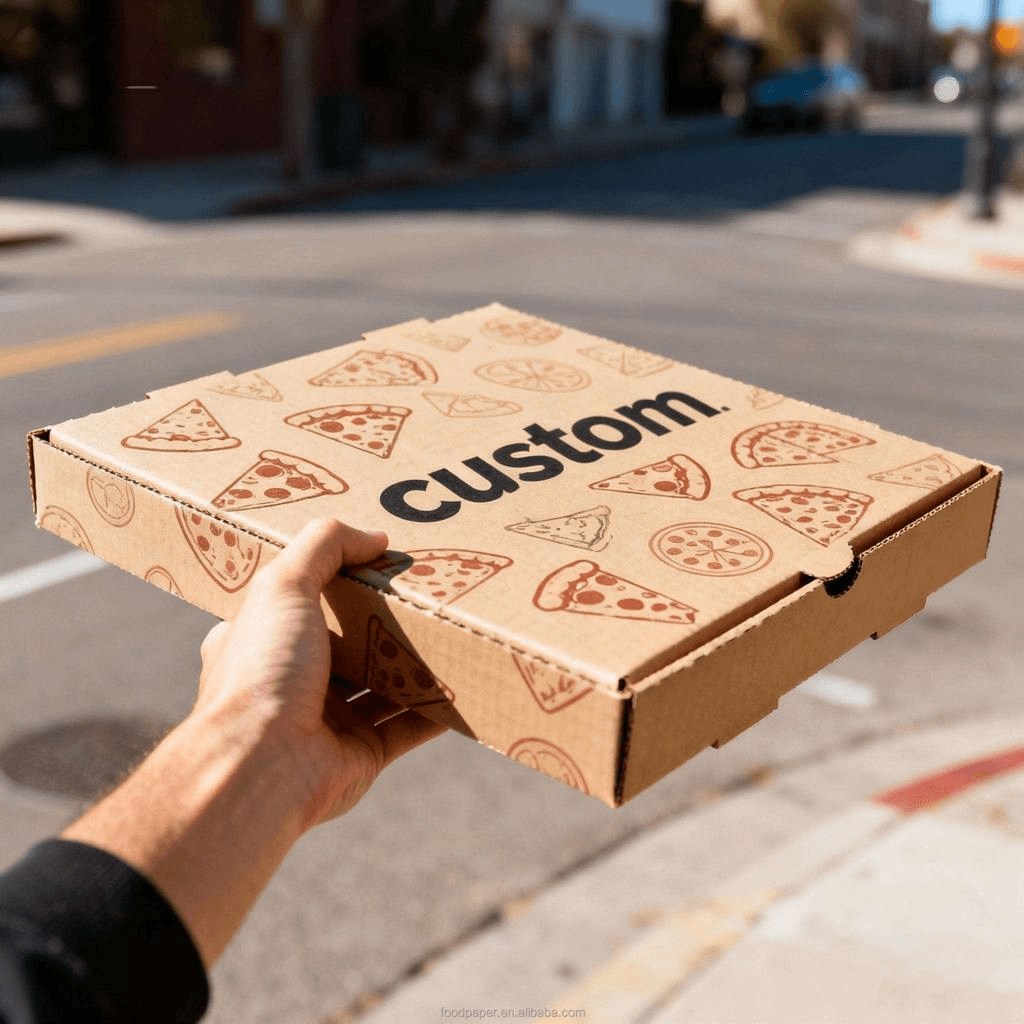
Clear design does more than crowded artwork. The goal is easy recognition, useful information, and a look that matches the food brand.
Clean placement and readable text leave a stronger mark on the customer than busy graphics.
Logo Placement
The logo should sit where people see it first, often on the lid top or front panel. A strong position helps the name register fast.
Too small and people miss it. Too crowded by other graphics and the brand loses focus.
Brand Colors
Color sets the mood of the box before the lid opens. Consistent colors make the packaging easier to link with the business.
A limited palette often works better than too many shades. Strong contrast also helps the print stay readable.
Typography
Text on the box should stay easy to read at a quick glance. Fancy letterforms often hurt clarity. Simple bold text works better on food packaging.
Product Information
Basic product information helps the box do a practical job. This may include store name, item notes, or handling details.
Keep the message short. Too much text makes the lid look busy.
QR Codes & Social Media
QR codes and social handles give customers one easy next step after the meal. They work best when placed neatly in one clear area.
The code shouldn't fight the main design. A small corner placement often keeps the layout clean.
Minimal vs Premium Designs
Minimal designs use less print and more open space. Premium designs use richer finish choices or denser visual styling.
The right route depends on the brand image. A simple box often feels modern, while a more detailed one feels more formal.
Selecting the Right Pizza Box Size
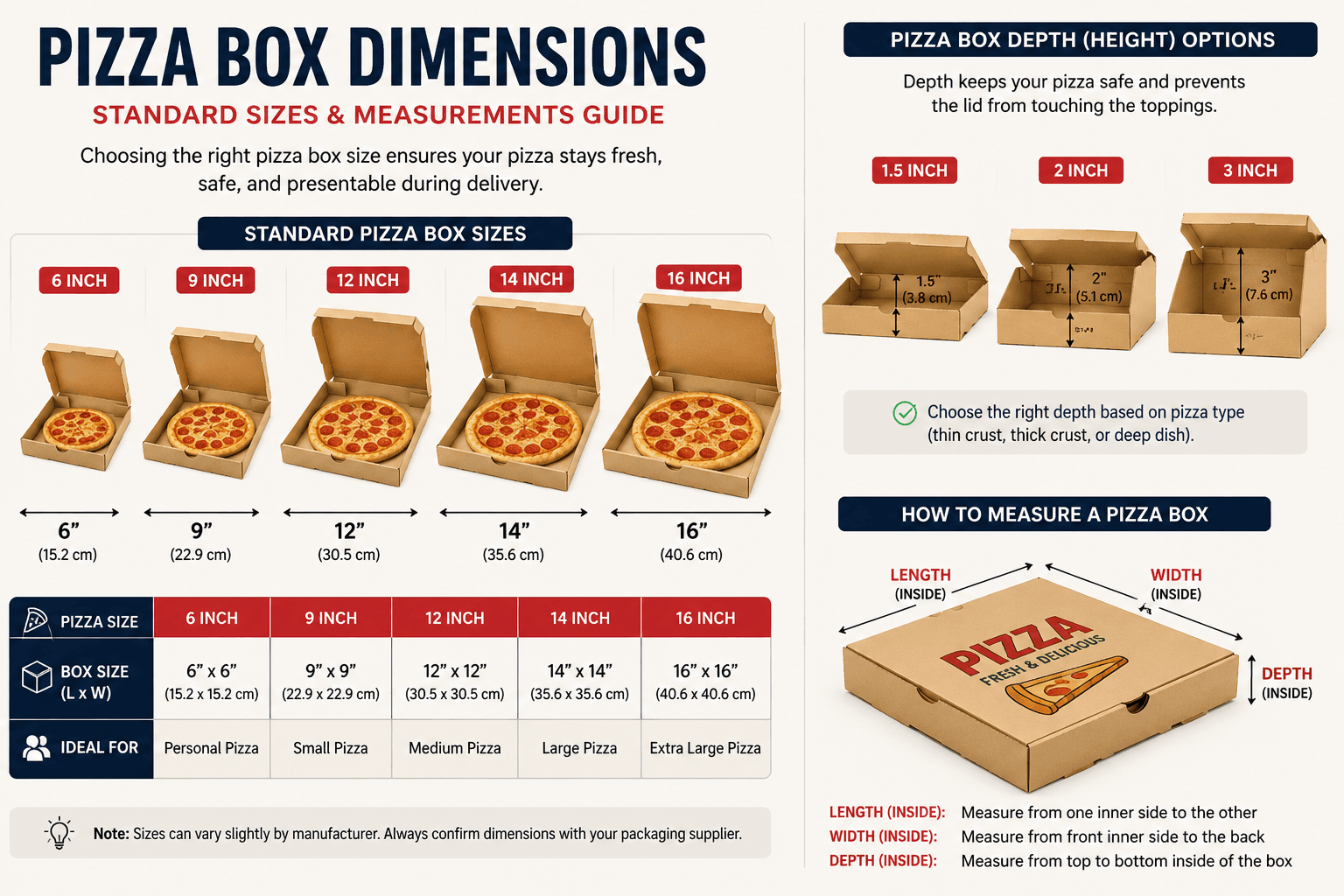
A poor fit leaves too much movement or too little space, and both create problems. Box size affects how well the pizza sits, travels, and reaches the customer.
Choosing the correct dimensions matters as much as picking the material. A close fit protects the crust shape and keeps toppings from shifting during delivery.
Size also changes shipping and storage costs. Bigger boxes take more room in stock areas and in transport loads. Over repeat orders, that cost adds up.
A box that matches the pie feels cleaner and more professional at opening. For size planning, many buyers start with a Pizza Box Dimensions Guide to avoid ordering boxes that don't match the actual product.
Features to Consider When Ordering Custom Pizza Boxes
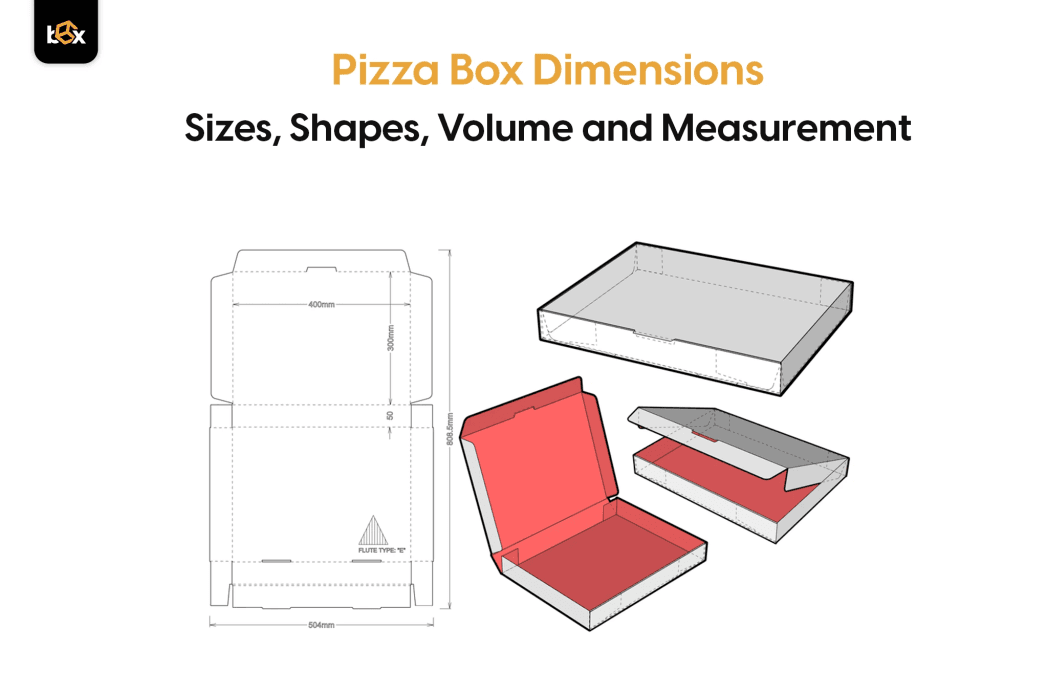
Beyond print and size, functional details affect food safety, handling speed, and delivery performance. The right features support daily service, not just shelf appearance.
Food-Grade Materials
Any box used for pizza should be safe for direct contact with hot food from the start. Food-grade materials help lower safety concerns during packing and delivery. This is a basic requirement, not an extra feature.
Ventilation Holes
Small openings in the box let steam escape after the pizza is packed hot. Ventilation holes help cut moisture buildup inside.
Less trapped steam means the crust holds better texture. That matters most on longer delivery runs.
Stackability
High-volume kitchens need boxes that sit firmly on top of each other without slipping or crushing. Stackability matters during rush periods when orders line up fast.
Stable stacks also lower the chance of damaged lids during transport prep.
Easy Assembly
Staff should be able to fold and close the box with little effort. Easy assembly helps speed up packing during busy service windows.
A hard-to-fold box slows the line. Quick setup keeps order flow smoother.
Durability During Delivery
Orders that travel by bike, car, or third-party courier put stress on box structure. Durability during delivery means the box keeps its shape from store to customer.
Weak corners or soft walls lead to crushed edges. A stronger build helps the order arrive in better condition.
How to Choose the Right Packaging Supplier
A packaging supplier should match the product needs, print goals, and order volume of the business. The right choice comes from checking practical areas, not just price.
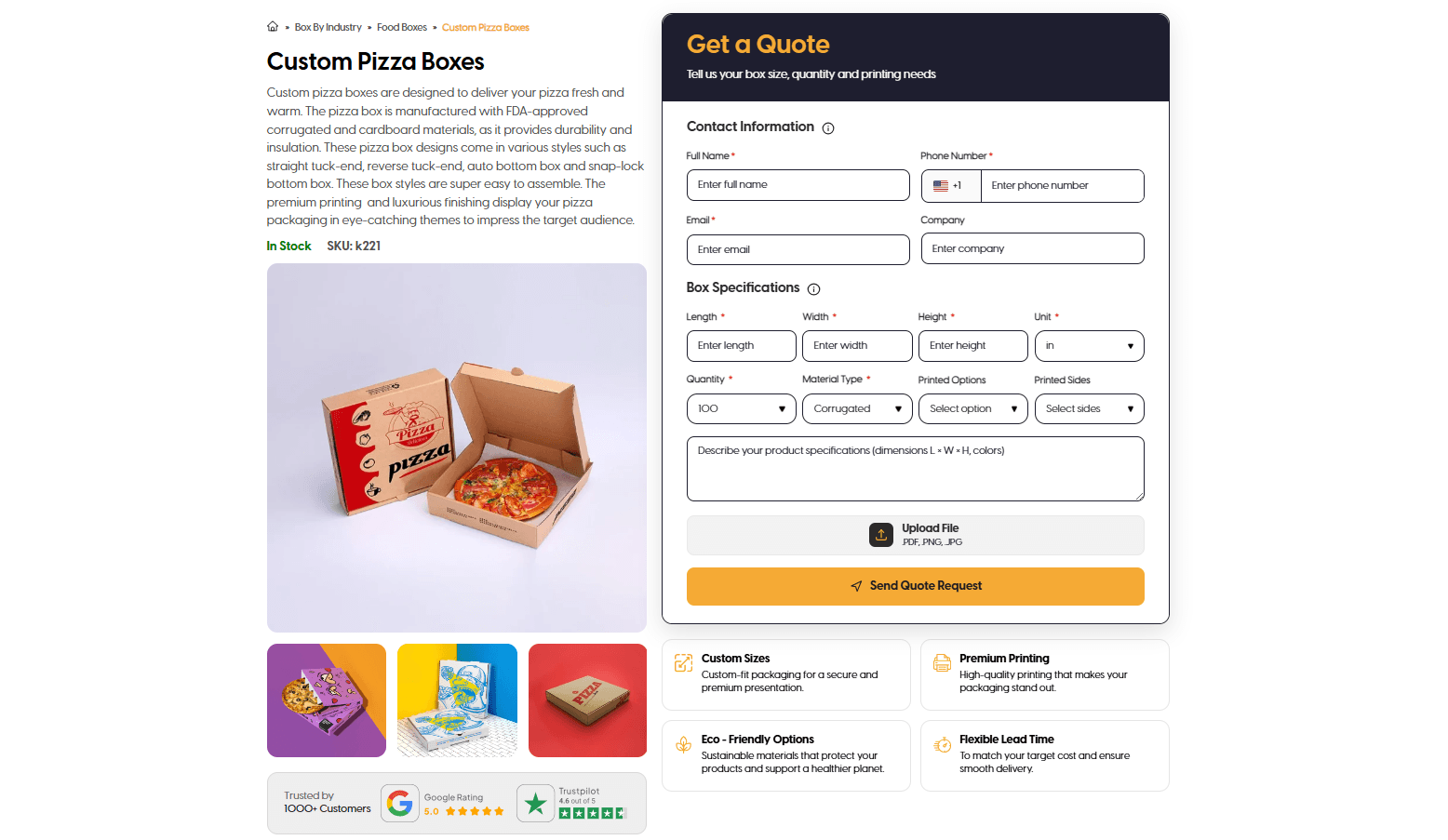
Experience matters. The packaging for food products has needs for everyday that not all suppliers know well. A supplier experienced in pizza boxes is more likely to get the grease resistance, box fit and production limits right. Also check the quality of the material early, a clean sample is worth more than a promise. Buying flexibility – Minimum order quantity. Lower MOQs for smaller shops means you can experiment with the design without the worry of excess inventory. Printing capabilities are also important as a supplier must be able to support the style of artwork a business intends to use. Customization should be obvious before production starts. Lead times also require simple confirmation, particularly for repeat service. For a business seeking recyclable or assured paper options, certifications are important. Quick replies make proofing, changes and dealing with issues easier. If a business is weighing options, Get a Quote is an easy next step to gauge speed, clarity, and fit. “Some buyers are also looking for additional service value in the final phase. For companies looking for help with setup and sourcing, one supplier in the market offers free graphic designing and low minimum order quantity and FSC certified packaging options.


