
Trading Strategies & Tech, Markets & Investing, Crypto & Digital Assets
Mastering the Markets: Your Ultimate Guide to Day Trading Live Streams
03 Apr 2026

So, you’re looking to get into day trading and heard about live streams. It’s like watching a pro cook in real-time, but for stocks. Instead of just reading books or watching old videos, you can see actual trades happening live, with someone explaining their moves. It sounds pretty neat, right? It’s a way to learn by seeing what works, and maybe more importantly, what doesn’t, as it unfolds. We’ll break down how to use these day trading live stream sessions to your advantage.
Key Takeaways
- Watching a day trading live stream lets you see real-time decision-making, which is different from just reading about it.
- Picking the right stream means finding someone whose style matches how you want to trade, not just who has the most followers.
- You still need to learn the basics yourself, like chart reading, and not just copy what you see on a day trading live stream without thinking.
- It’s smart to practice what you learn from a day trading live stream in a simulator before risking real money.
- Don’t forget that the goal is to trade on your own eventually, using the stream as a stepping stone, not a crutch.
Laying the Foundation: Understanding Day Trading Live Streams
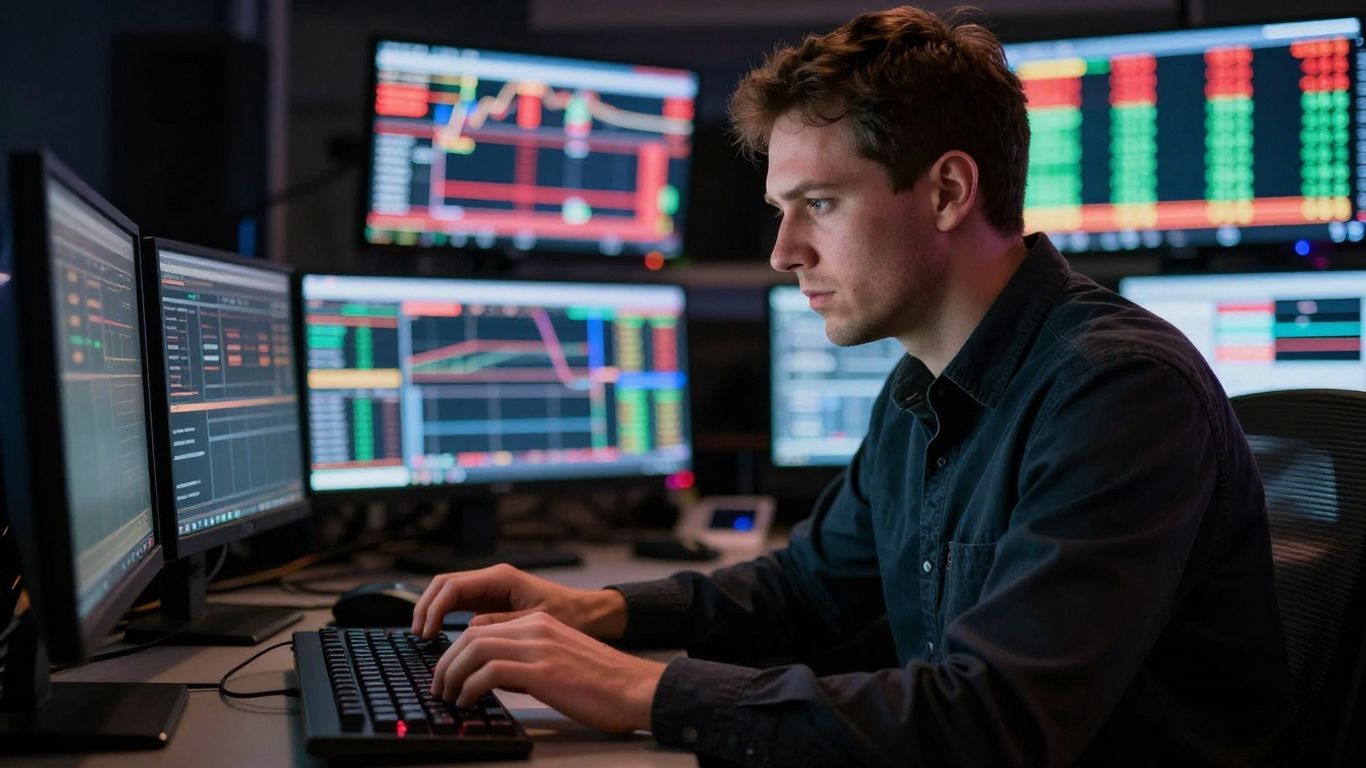
Getting started with day trading live streams isn’t just about clicking on a YouTube link and hoping for the best. If you want to actually learn and not just be entertained, it helps to know what makes these streams different, where to find them, and why you should even care in the first place.
What Sets Day Trading Live Streams Apart
Unlike prerecorded tutorials, day trading live streams showcase real trades happening in actual market conditions, warts and all. When you watch a trader making split-second decisions—right or wrong—you see the unpredictability of the market close up.
Some ways these live sessions stand apart:
- Raw, unscripted commentary as trade decisions happen
- Unfiltered access to the trader’s screen and tools
- Real-time reactions to market news, price swings, and unexpected events
- The chance to interact via chat and actually ask questions
Sitting in on a live stream feels a lot less like a lecture and more like being alongside someone on the trading floor, with all the pressure, noise, and excitement that comes with it.
Common Platforms for Streaming Stock Trading
Live trading content isn’t stashed away in one place. Instead, you’ve got a growing list of spaces traders use to broadcast their screens and walk viewers through the moves they’re making. Here’s a quick look at the most popular options:
| Platform | Notes |
|---|---|
| YouTube | Widest audience, lots of free content |
| Twitch | Interactive features, strong community vibe |
| Discord | Private groups, in-depth chat, notifications |
| Easy sharing, but smaller trading communities | |
| Proprietary | For example, Trade Ideas, Warrior Trading |
Some traders also combine multiple platforms for broader reach, so you might find them simultaneously on YouTube and Discord.
Benefits of Watching Live Streamed Trades
There’s more to these streams than just killing time. Watching experienced traders in action gives you:
- Instant exposure to various trading styles and technical setups
- Tips on handling losses and wins in real time—not just theory
- The reality check that making money as a day trader isn’t all green days
- The opportunity to see how pros manage risk, avoid chasing bad trades, and stick to a plan
- Direct answers to your questions when you’re stumped by a chart or strategy
For people who learn by seeing and doing, live streams can flip the lightbulb on in ways books and static courses just can’t.
In summary, understanding live streams is your entry to experiencing the markets right as things happen. You get a front-row seat to how traders think, falter, succeed, and keep adapting—all of which you can’t fully appreciate through edited highlight reels or books alone.
Choosing the Best Day Trading Live Stream for Your Needs
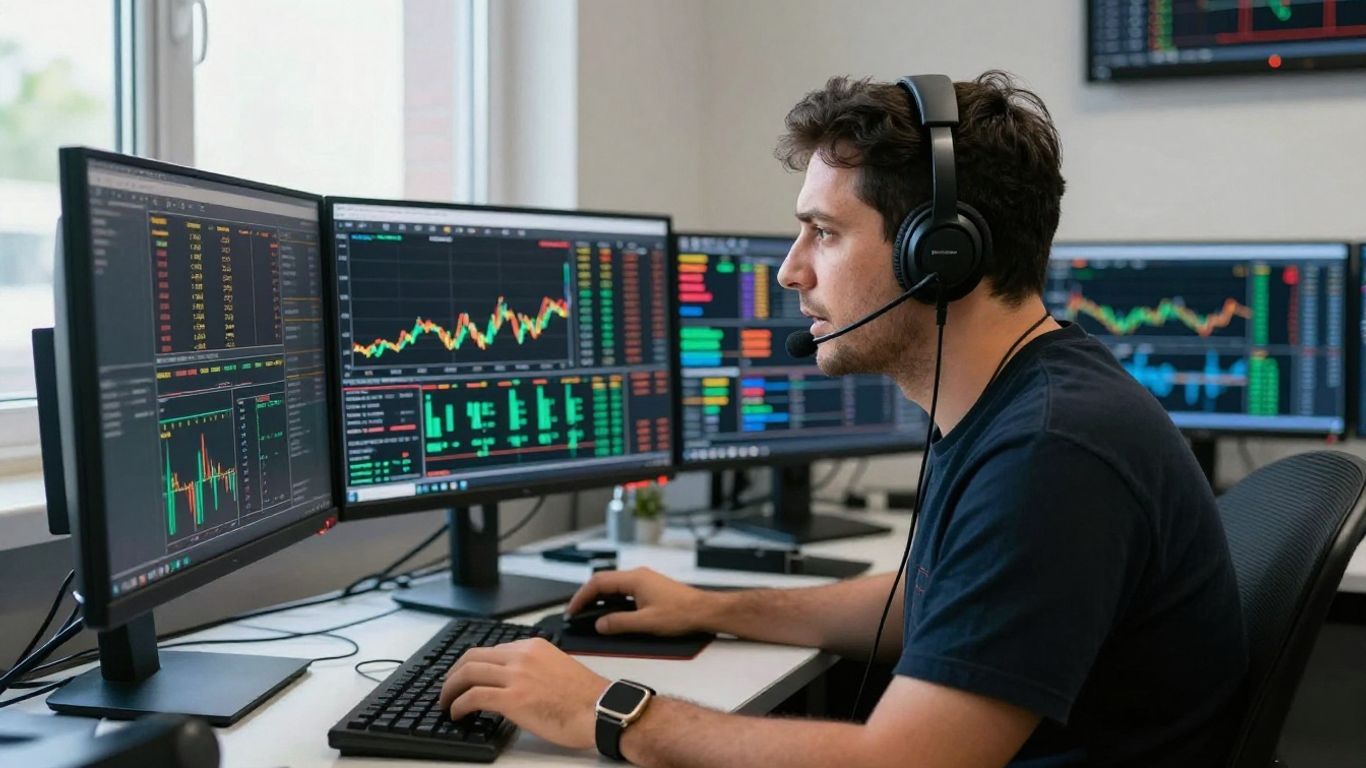
So, you’ve decided to check out live trading streams. That’s a smart move. But with so many out there, how do you pick the right one? It’s not just about finding someone who makes money; it’s about finding someone whose style clicks with you and helps you learn.
Popular Day Trading Live Stream Channels and Educators
There are a bunch of folks out there sharing their trading screens. Some are really well-known, like Rayner Teo, who’s great at breaking down price action and technical analysis in a way that makes sense, even for beginners. Then you’ve got channels like Warrior Trading, run by Ross Cameron, which are more about high-energy, fast-paced day trading, focusing on momentum and scalping. They often have live sessions where you can see trades happen in real-time.
Other popular names include Trader Nick, who focuses on real-time market guidance and emotional control, and Adam Khoo, who mixes technical and fundamental analysis with a strong emphasis on trading psychology. The Trading Channel is another one, often geared towards Forex traders.
Key Criteria for Evaluating Live Streams
When you’re looking at these streams, don’t just watch the wins. Think about these things:
- Teaching Style: Does the educator explain things clearly? Do they break down their thought process, or just show trades? You want someone who teaches, not just performs.
- Strategy Focus: What kind of trading do they do? Momentum, swing, scalping, Forex? Make sure it aligns with what you want to learn.
- Risk Management: Do they talk about stop losses, position sizing, and managing losses? This is super important.
- Community Interaction: Is there a chat where you can ask questions? Is the community helpful, or just a bunch of hype?
- Consistency: Do they trade regularly? Do they show both good and bad trades, or only the winners?
It’s easy to get caught up watching someone else trade and think, ‘I could do that!’ But remember, you’re seeing their screen, their setup, and their decisions. Your job is to learn why they make those decisions, not just copy them.
Matching a Stream to Your Trading Style
Think about how you like to learn and how you want to trade. Are you a patient person who likes to plan trades out? Maybe Rayner Teo’s structured approach to price action would be a good fit. Or are you someone who thrives on quick decisions and fast markets? Warrior Trading’s momentum strategies might be more your speed.
Here’s a quick look at what some popular channels focus on:
| YouTuber | Primary Focus | Best For | Key Features |
|---|---|---|---|
| Rayner Teo | Price action, swing trading | Beginners, swing traders | Tutorials, webinars, forums |
| Warrior Trading | Day trading, momentum, scalping | Fast-paced traders | Live sessions, simulators, chat rooms |
| Trader Nick | Real-time guidance, psychology | Emotional discipline, live trading | Live sessions, eBooks, private groups |
| Adam Khoo | Multi-strategy, psychology | Psychology-focused traders | Tutorials, live examples, webinars |
| The Trading Channel | Forex, chart patterns | Forex beginners, strategy learners | Tools, Q&A, webinars |
It’s also totally fine to watch a few different people. You might get technical analysis tips from one, psychology advice from another, and see how a third person applies it all in real-time. The goal is to build your own trading plan, not just follow someone else’s blindly.
Essential Skills for Success When Watching Day Trading Live Streams
Watching day trading live streams can feel like you’re getting a front-row seat to the action, but just observing isn’t enough. To really get something out of it, you need to build some skills. It’s not just about seeing someone else trade; it’s about learning how they trade and why.
Developing Technical Analysis Competency
Day traders rely heavily on charts and patterns to make quick decisions. You’ll see a lot of talk about indicators, support and resistance levels, and chart formations during live streams. To follow along effectively, you need to get comfortable with these tools yourself. It’s like trying to understand a foreign language without knowing the alphabet. Start by learning what common indicators like Moving Averages or RSI actually do. Then, try to spot them on charts yourself. Many educators in live streams will explain their reasoning, but you need a baseline knowledge to truly grasp it. You can find good resources to learn trading online, covering everything from basic chart reading to more complex patterns.
Managing Emotions and Avoiding FOMO During Streams
It’s easy to get caught up in the excitement of a live stream. When a trader is on a winning streak, you might feel a strong urge to jump in, even if it wasn’t part of your plan. This is often called FOMO, or Fear Of Missing Out. It’s a big trap for new traders. You might see a trader make a quick profit on a trade, and suddenly you feel like you have to make that trade too, right now. This can lead to impulsive decisions and losses.
Here are a few ways to keep your emotions in check:
- Stick to your own trading plan: Before the stream even starts, know what you’re looking for and what your risk tolerance is. Don’t let the streamer’s actions override your own strategy.
- Remember it’s their trade, not yours: The streamer has a different account, different risk limits, and a different strategy. What works for them might not work for you.
- Take breaks: If you start feeling overwhelmed or too excited, step away from the stream for a bit. Come back with a clear head.
The fast-paced nature of live trading can be intense. It’s vital to maintain emotional control. Impulsive trades driven by excitement or fear rarely end well. Focus on your own process and discipline, rather than getting swept up in the moment.
Keeping a Trading Journal While Following Live Sessions
This is where you turn observation into learning. A trading journal is your personal record of trades, but it’s also a place to note down what you’re seeing and learning during live streams. When you watch a streamer make a trade, jot down:
- The stock symbol.
- Why they entered the trade (their reasoning, the pattern they saw).
- Their entry and exit points.
- The outcome of the trade.
- Your own thoughts or questions about the trade.
This practice helps solidify what you’re learning. You can later review your journal to see which strategies or setups are being discussed most often, and how they perform. It’s a great way to track your progress and identify areas where you need more practice or understanding. You can even use this information to refine your own trading strategy.
Building Effective Strategies from Day Trading Live Streams
When you tune into daily live streams to learn futures trading, you get more than just entertainment; you see real trades, actual mistakes, and quick thinking in action. That’s your chance to study how experienced traders spot patterns, react to news, and manage risky moves — all in real time. But watching isn’t enough. If you want to level up, you’ll need to turn what you observe into habits and routines that make sense for you.
Translating Stream Insights into a Rule-Based Plan
Anyone can watch a streamer snag a big win, but it’s another story to capture those lessons and set up a repeatable plan for yourself. Borrowing ideas is only smart if you adapt them to fit your style and risk limit. Here’s a quick way to take what you see and make it work:
- Write down setups, entry triggers, and exit rules you notice on the stream.
- Adjust position sizes and risk management to match your own limits.
- Set reminders to review and tweak your plan after real trades or simulations.
Even seasoned streamers stress how written rules keep you from impulsive decisions. Over time, you’ll spot which patterns show up again and again — and which ones burn out fast.
Practicing with Simulators Before Trading Live
There’s zero shame in using a demo account or market replay tool. In fact, treating fake money like the real deal is one of the best ways to avoid expensive mistakes when you finally jump into the market. Practice sessions give you a no-pressure space to test your version of what you’ve picked up from live streams.
| Popular Simulator Drills | Why It Works |
|---|---|
| Opening Range Breakout | Teaches discipline and pattern recognition in volatile opens |
| Trend Pullback | Helps you spot clean entries during a trend |
| Disaster Day Management | Shows how to handle major losses and protect your account |
Working through the same drill more than once will reveal little behaviors and mistakes you can’t catch in a single session.
Adapting Strategies from Real-Time Examples
Active streams expose you to a mix of fast wins, missed chances, and tough lessons. Don’t shrug off losses or awkward trades — they show the cracks in a plan. To get the most out of your time, try this:
- Take notes on what a streamer did right and what went wrong.
- Ask yourself why a trade worked: Was it the setup, timing, or just luck?
- Notice if the markets, assets, or news moments shown in the stream line up with your trading hours and personality.
Every trader’s plan should be slightly different. Streams are a goldmine, but your edge comes from sifting the good stuff out and shaping it for how you work best.
Tools and Technology Powering Day Trading Live Streams
Watching day trading live streams isn’t just about the educator talking; it’s about the tech that makes it all happen. Think of it like watching a chef cook – you see the final dish, but the tools they use are just as important. For day traders, these tools are their digital kitchen.
Choosing the Right Charting and Trading Platforms
This is where the action happens. Your charting platform is where you’ll see the price movements, and your trading platform is where you actually place your orders. The speed and reliability of these platforms can make or break a trade. Many live streamers use platforms that offer advanced charting tools, real-time data feeds, and fast order execution. Some popular choices include platforms that are known for their low costs and quick trade fills, which are super important when you’re trying to catch fast-moving opportunities. It’s worth checking out different online trading platforms to see what fits your needs and budget.
Utilizing Real-Time Data and News Alerts
Markets move fast, and information is key. Live streamers often have systems set up to get instant news alerts and real-time data. This means they know about a major announcement or a sudden price jump the second it happens. Having these alerts can help you understand why a stock is moving and potentially spot opportunities alongside the streamer. It’s like having a direct line to market sentiment.
Advantages of Micro Accounts and Market Replay Tools
For those just starting out or wanting to practice what they see in the streams without risking a lot of money, micro accounts are a game-changer. They let you trade with very small amounts, so you can get a feel for live trading without the big financial pressure. Market replay tools are also super helpful. They let you go back and watch how a market moved at a specific time, allowing you to analyze trades or practice strategies in a simulated environment. It’s a great way to learn from past events without real-time risk.
The technology behind live trading streams is designed to give viewers a clear, real-time look at market action. From the charts displaying price data to the alerts that signal important news, every piece of tech plays a role in replicating the experience of being in the trading pit, but from the comfort of your own home. Understanding these tools helps you appreciate the streamer’s process and apply what you learn more effectively.
Creating a Sustainable Growth Path as a Day Trading Live Stream Follower
Building a strong, lasting routine as you follow day trading live streams isn’t easy, but it’s totally doable with the right steps. Consistency and realistic expectations are way more important than instant wins. Follow a slow and steady path—you want progress that sticks, not just lucky streaks that fade.
Starting Small and Scaling Up Safely
Jumping head-first into big trades is a common trap. Instead, try this:
- Begin trading with small amounts, even if it feels slow at first.
- Test ideas or strategies from live streams with demo accounts before committing real money.
- If your trades show a steady profit over several weeks, only then consider increasing your position size.
- Always review your results so your next step is based on what really works, not just a hunch.
Most folks who last in day trading started tiny and gave themselves room to make mistakes without blowing up their account.
Setting Milestones for Live Trading Progression
You need clear checkpoints to track if things are working or if it’s time to pause and rethink. A milestone doesn’t have to be fancy—it could just be hitting a certain win rate or trading a set number of days without breaking your rules.
| Milestone | Goal | Review Period |
|---|---|---|
| First 20 trades | Stay disciplined, small size | 1-2 weeks |
| Consistent profit | 3 profitable weeks in a row | 1 month |
| Strategy review | Test a new method safely | Ongoing |
| Scale up | Increase size 10-20% if goals met | After 2+ months |
Small goals keep you on track. Focus on proving you can stick to your process before worrying about making more money.
Leveraging Community Interaction for Learner Support
No one really figures out day trading alone. Engaging with active trading communities (like stream chats or forums) can help in these ways:
- Ask about setups you don’t understand or want explained in plain English.
- Share both wins and losses—others have been there, and might have tips for handling tough days.
- Find trading buddies to compare notes or even set up a daily check-in.
Regular interaction keeps you honest and helps you see mistakes before they get too expensive. It also makes trading feel less isolated, which helps you stick with your plan even when things get tough.
In the end, your growth in day trading is all about small, deliberate steps, steady review, and staying connected with folks on the same journey. Patience doesn’t just help you survive—it’s what lets you actually improve.
Wrapping It Up
So, we’ve covered a lot of ground, from finding the right live streams to understanding how to actually use the information you get. Remember, watching others trade is a great way to learn, but it’s not a magic ticket. You still need to put in the work, test strategies, and manage your own risk. Don’t just copy what you see; use these streams as a guide to build your own plan. Keep learning, keep practicing, and most importantly, trade smart.
Frequently Asked Questions
What exactly are day trading live streams?
Think of day trading live streams like watching a pro gamer play a video game, but instead, they’re trading stocks in real-time. You can watch experienced traders make buy and sell decisions as they happen, explaining their moves so you can learn from them.
Why should I watch someone trade live instead of just reading about it?
Watching live streams is like getting a front-row seat to the action. You see how traders react to fast-changing markets, understand their thought process when things get tricky, and can even ask questions. It’s much more engaging and often clearer than just reading a book.
Can I really learn to trade by just watching streams?
Watching streams is a great way to learn, but it’s just one piece of the puzzle. You’ll pick up on strategies and see how they’re used, but you still need to practice a lot on your own, maybe using a simulator, to get good at it yourself.
What if I see a trader making a lot of money and want to copy them exactly?
It’s tempting to copy, but remember everyone’s trading style is different. What works for one person might not work for you. It’s better to watch, learn the reasons behind their trades, and then adapt those ideas to your own plan and risk tolerance. Don’t just blindly follow.
Are there specific times or platforms where I can find these live streams?
Yes! Many trading platforms and popular video sites like YouTube have channels dedicated to live trading. You can often find streams running during the main stock market hours. Some educators also run their own live sessions on their websites or specific community platforms.
What’s the best way to use what I learn from live streams?
After watching, take notes! Think about why the trader made a certain move. Then, try to practice that strategy in a safe environment, like a trading simulator. Once you feel comfortable and understand it well, you can start using it with small amounts of real money.


