


smart city, resources
Designing the Future: How Los Angeles’ Manufacturing Renaissance Inspires Smarter Cities
13 Sept 2025

Los Angeles is known worldwide for its creative energy — Hollywood, music, and design set cultural trends that ripple across the globe. Yet behind the glitz, another force has quietly re-emerged: advanced manufacturing. Apparel, in particular, is Los Angeles’ second-largest industry, employing more than 40,000 people and producing the majority of garments cut and sewn in the United States. Far from being a relic of the past, LA’s apparel sector is experiencing a modern renaissance — redefining resilience and competitiveness for cities in today’s digital economy.
For global readers of CitiesABC, this story is about more than fashion — it’s about how local manufacturing anchors smarter, adaptive cities.
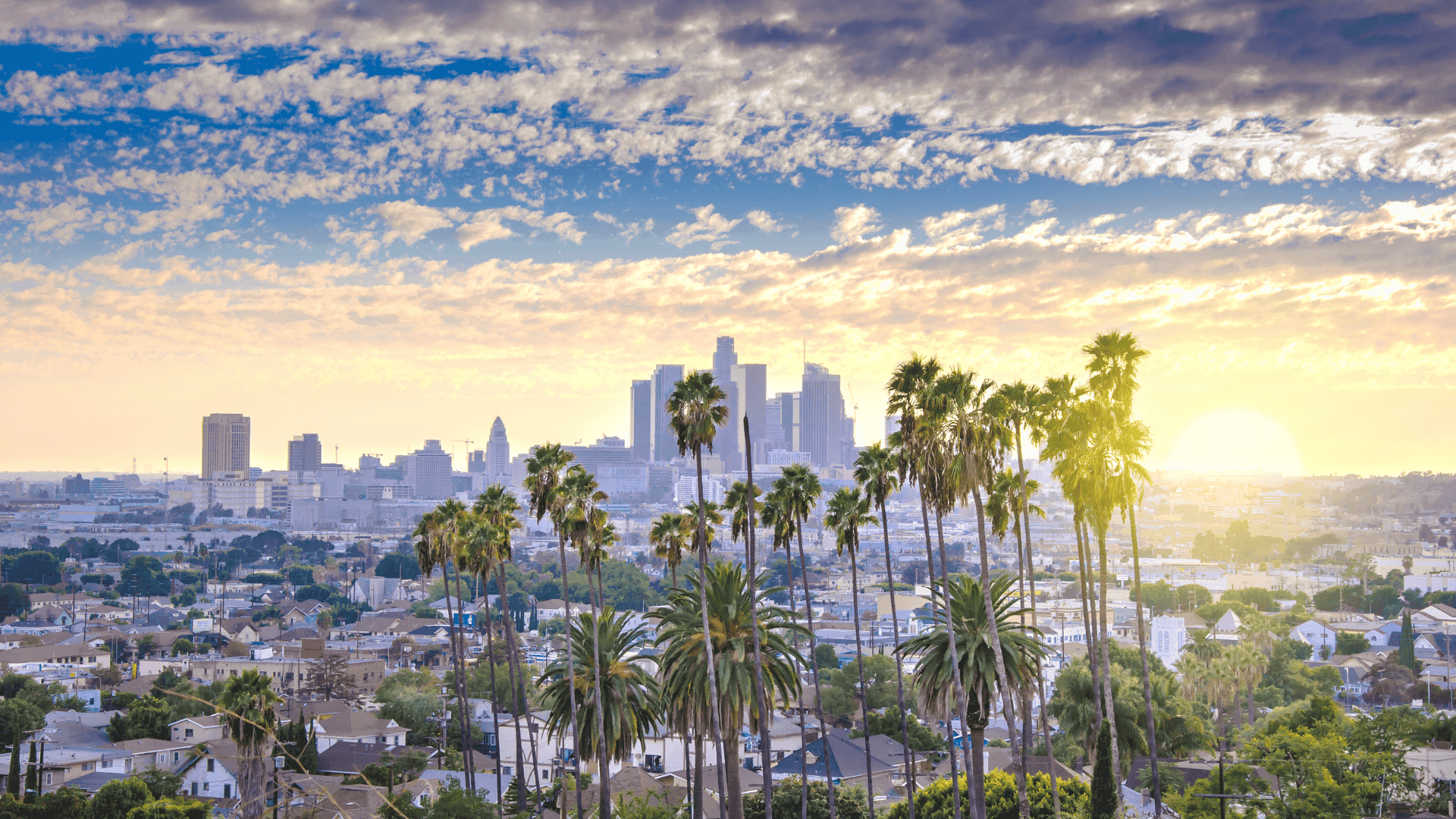
The Manufacturing Renaissance in Los Angeles
For decades, U.S. apparel production declined as brands outsourced to cheaper overseas markets. Los Angeles bucked the trend, maintaining a dense ecosystem of fabric suppliers, wash houses, cutters, and sewing operations clustered in its downtown Fashion District.
The pandemic accelerated a new chapter. Supply chain disruptions exposed the risks of offshore dependence, while consumer demand shifted toward speed, customization, and transparency. As a result, brands began reshoring and nearshoring, and LA’s skilled workforce was once again in demand.
According to state data, apparel manufacturing in Los Angeles had added more than 600 jobs compared to pre-pandemic levels by 2022. City officials also moved to protect 20,000 garment jobs in the downtown district by requiring new developments to include manufacturing space. Major investments have followed: Saitex, a globally recognized denim innovator, opened a state-of-the-art factory in LA that employs over 200 people and features laser cutting, robotic finishing, and water-recycling systems. This kind of investment signals not a return to yesterday’s sweatshops, but the rise of clean, high-tech, and agile manufacturing in Los Angeles.
Why Manufacturing Matters to Smarter Cities
Smarter cities thrive on resilient supply chains, diversified economies, and innovation ecosystems. Manufacturing sits at the intersection of all three.
Local production strengthens resilience by reducing exposure to geopolitical shocks and logistical breakdowns. Each factory job supports families and stimulates local service industries. And manufacturing hubs like Los Angeles drive knowledge transfer between design, logistics, technology, and digital commerce.
In LA, this synergy is especially powerful. Hollywood storytelling meets cutting-edge fashion design; tech startups collaborate with manufacturers; and immigrant workforces provide both skill and cultural vibrancy. Manufacturing here is not just about garments — it’s about creating an urban ecosystem that fuses creativity and industry into a smarter, future-ready city.
Bomme Studio: A Case Study in Modern Manufacturing
At the heart of this renaissance is Bomme Studio, a Los Angeles–based apparel manufacturer that represents the city’s modern identity as a hub of ethical, agile, and globally connected production.
Founded with a mission to transform how apparel is made, Bomme Studio has become a trusted partner for high-growth direct-to-consumer brands and global fashion companies. The studio offers precision manufacturing with a white-glove service model, managing every stage of production from first sample to final delivery. Its expansion beyond Los Angeles into Berlin, Mexico, and Vietnam reflects the hybrid nature of today’s supply chains: rooted locally, connected globally.
Bomme Studio is also known for its leadership in shaping fairer industry practices. CEO Bo Metz was a co-sponsor and outspoken advocate of California’s SB62 Garment Worker Protection Act, which ended decades of exploitative piece-rate pay and established stronger wage protections in Los Angeles. By championing this landmark bill, the company not only stood with garment workers but also helped level the playing field for ethical manufacturers investing in fair labor and quality.
This combination of values and operational excellence positions Bomme Studio as a model of what urban manufacturing can be: modern, connected, and competitive. More information is available at bommestudio.com.
Los Angeles on the Global Stage
Today, Los Angeles stands alongside global fashion powerhouses like Milan, Shanghai, and Paris — but with a distinct advantage. Unlike New York, where large-scale apparel production has largely vanished and the industry is now centered on design, prototyping, and showrooms, LA retains significant volume capacity alongside creativity. Unlike offshore hubs, LA offers speed-to-market and direct integration with the world’s largest consumer economy.
Berlin, while not a traditional fashion powerhouse, has established itself as a creative capital with a strong emphasis on sustainability and innovation. Backed by millions in public funding for Berlin Fashion Week and initiatives such as Berlin Contemporary and Studio2Retail, the city supports emerging designers while fostering forward-thinking approaches to fashion. With more than 25,000 people employed in its fashion industry and revenues nearing €5 billion annually, Berlin illustrates how second-tier fashion cities are investing in design ecosystems that complement the global heavyweights.
Together, these examples highlight how local manufacturing, paired with global connectivity, is becoming a defining feature of smarter cities.
The Blueprint for Smarter Cities
Los Angeles’ manufacturing resurgence is more than a comeback story — it is a blueprint for how cities reinvent themselves in a global digital economy. By investing in ethical labor, advanced production technology, and urban planning that preserves industrial jobs, LA demonstrates that manufacturing can be a cornerstone of a smarter, fairer city.
Bomme Studio is a powerful example of this transformation. As an apparel manufacturer deeply embedded in Los Angeles yet expanding globally, it shows how localized expertise can fuel not just fashion brands, but the future of cities themselves. For global brands, entrepreneurs, and city leaders, the lesson is clear: the smarter city of tomorrow is being stitched together in Los Angeles today.
Read More:


