
resources, healthcare sustainability
Dignity Restored: Incontinence Care for the Elderly
06 Sept 2025

In the world of caregiving, incontinence care for the elderly is one of the most delicate but vital subjects.
Many families hesitate to speak about it because the topic feels uncomfortable, yet it influences almost every part of daily life for older adults. Addressing it directly not only reduces accidents but also restores a sense of dignity that many fear they have lost.
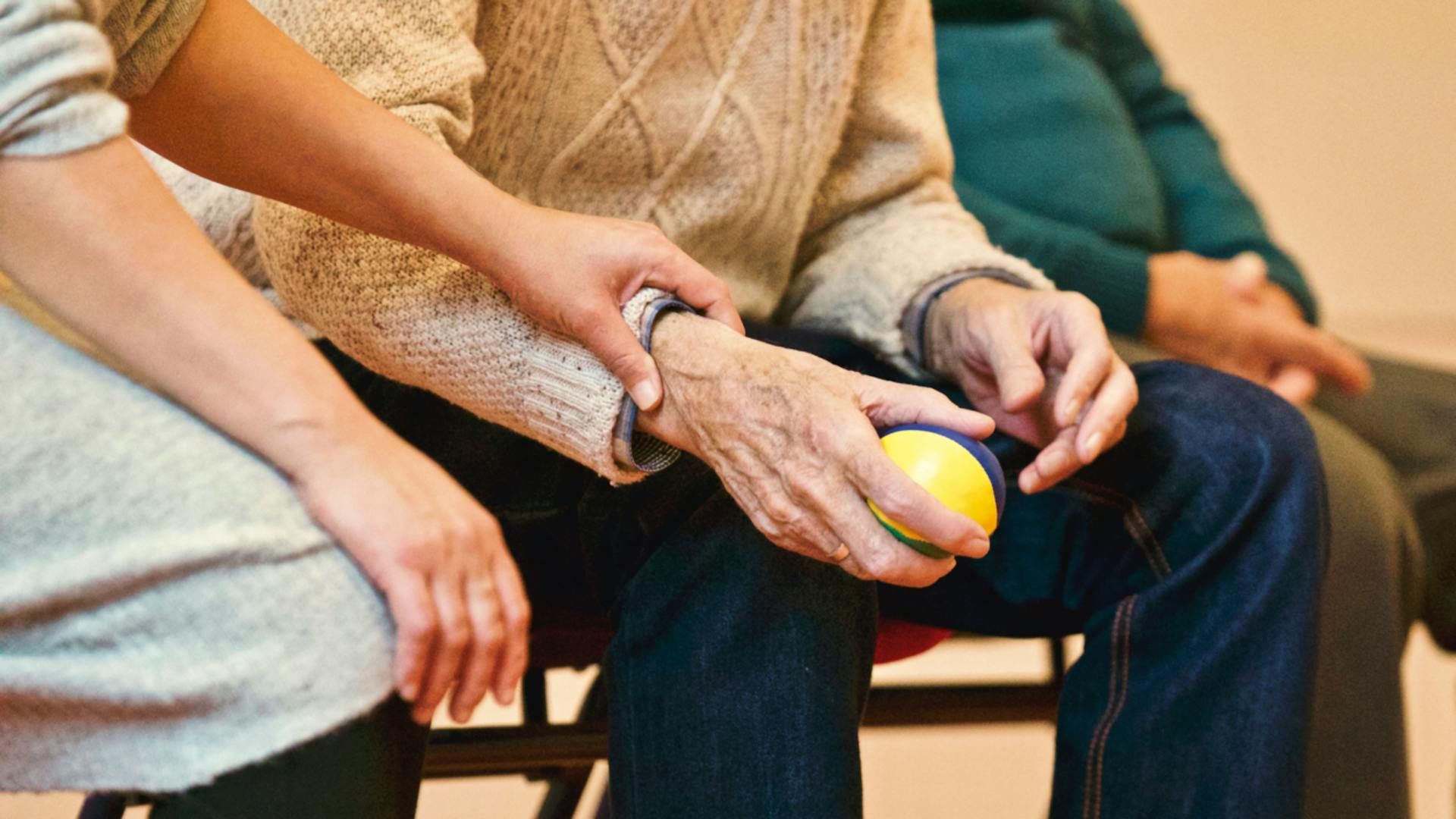
The Scope of the Problem and Why Silence Hurts
Incontinence is far more common than most families realize. A global review published in the National Library of Medicine found that 37.1% of older women live with urinary incontinence. In real terms, more than one in three mothers and grandmothers face this condition.
Despite how widespread it is, silence surrounds it. Older adults often hide their struggles, while families dismiss it as a normal part of aging. The result is neglect. Incontinence may be common, but it should not be accepted as untreatable.
When the subject remains unspoken, the consequences multiply. A person avoids outings for fear of embarrassment, caregivers grow frustrated with hidden laundry, and health declines because the underlying condition is never addressed. Breaking that silence requires honesty and reassurance. Acknowledging the problem gives both the older adult and the caregiver room to seek solutions rather than living with constant worry.
More Than a Physical Condition
The physical inconvenience is clear, but the emotional impact is often worse. Accidents strip away confidence.
Someone who once enjoyed family gatherings or church services may now refuse invitations. The simple pleasure of going to a park or taking a short trip turns into a source of stress. This withdrawal erodes mental health, leading to sadness, anxiety, or even depression.
Caregivers often face an exhausting load. They manage piles of laundry, middle-of-the-night disruptions, and frequent clothing changes, all while trying to protect the dignity of someone they love.
When support is missing, the pressure builds quickly, and what might have been handled with open communication and a clear plan, can instead lead to tension within the family.
Practical Approaches That Preserve Independence
Good care does not always come from complex medical solutions. Simple routines make a real difference. Guiding an older adult to the bathroom at regular times helps avoid accidents.
Adaptive clothing with easy fasteners allows them to dress more independently, while small changes in the home—such as raised toilet seats, secure grab bars, and soft lighting in hallways—add both safety and confidence. In many cases, exercises that strengthen the pelvic floor or changes in diet also improve bladder control.
The attitude of the caregiver plays a central role. Patience and respectful communication change the way the older adult experiences care. When incontinence is treated as a health condition rather than a personal flaw, shame eases.
Why Proactive Care Matters
Ignoring the problem has consequences. Wet floors put older adults at higher risk of falls, and constant moisture leads to skin breakdown and infection. These problems often end up needing hospital care, which brings extra expenses and stress for families.
Taking a proactive approach prevents those emergencies, protects health, and allows older adults to remain at home with greater confidence.
Restoring Dignity Through Honest Care
At its core, incontinence care is about dignity. Older adults need more than supplies or routines; they need to know that accidents do not take away their dignity. Families who confront the issue with honesty, seek professional guidance when needed, and create supportive routines give their loved ones the chance to live fully without constant fear.
Incontinence may be common, but silence should never be. With the right care and understanding, it is possible to protect both independence and confidence, even when the condition is challenging.


