
resources
Discover the Largest Cities in the UK by Population: A 2026 Snapshot
06 Mar 2026

Ever pondered which cities across the United Kingdom truly hold the title for being the largest? It’s quite fascinating how certain urban centers consistently expand, while others, though perhaps not growing at the same pace, still secure a prominent position. London, for instance, stands in a league of its own—a sprawling metropolis unmatched by any other. This article delves into the top 10 largest UK cities by population, drawing upon the most recent demographic projections. You may encounter some familiar names, and perhaps even a few delightful surprises. These figures offer a compelling insight into where people are choosing to reside, work, and build their lives in 2025. Let’s explore the data and uncover which urban areas are truly monumental.
Key Takeaways
- London retains its status as the UK's largest city, boasting a significant population margin.
- The top 10 largest UK cities feature prominent urban areas such as Manchester and Birmingham.
- Current population figures vividly illustrate preferred residential and professional locations in 2025.
- While some cities consistently maintain their high rankings, others demonstrate notable growth trajectories.
- This curated list highlights the most densely populated urban centers throughout the United Kingdom.
Understanding the UK's Largest Cities By Population
When discussing the biggest cities in the UK, it’s often instinctive to recall the names we encounter most frequently. Yet, what truly defines a city as 'large' in terms of its population? The answer isn't always as straightforward as one might initially presume. We're examining a demographic snapshot from 2026, and these figures narrate a compelling story about where individuals are choosing to live, work, and establish their lives across the nation.
Defining 'Largest City' in the UK Context
Pinpointing what truly constitutes the 'largest city' can, admittedly, become a bit intricate. Are we referring solely to the central business district, or does it encompass the broader conurbation where residents live and commute from? Various sources often employ different boundaries—some adhere to official administrative areas, while others consider the continuous built-up urban expanse. For the purposes of this overview, we are generally focusing on these broader urban agglomerations, which provide a more accurate sense of the actual population inhabiting and interacting within a major city’s sphere of influence.
Key Factors Driving Urban Population Growth
Why do certain cities experience significantly faster growth than others? Typically, it boils down to a few fundamental elements:
- Job Opportunities: Cities serving as robust economic hubs, with thriving industries and an abundance of job openings, consistently attract more people. Consider sectors like finance, technology, creative industries, and extensive service sectors.
- Quality of Life: This encompasses crucial aspects such as housing availability and affordability, the caliber of schools, access to healthcare, and a diverse range of recreational activities. People genuinely seek places that offer an optimal balance of these amenities.
- Infrastructure and Connectivity: Well-developed transport links, both for internal city travel and connections to other regions, make a substantial difference. Effortless commutes and strong national and international connections are undoubtedly a major draw.
- Education: Cities home to highly regarded universities and colleges often attract younger populations and students, many of whom subsequently choose to remain after graduation.
The Significance of Population Data for Urban Planning
Understanding which cities are expanding, and at what rate, is incredibly important for anyone involved in envisioning the future of these places. City councils and governmental bodies rely on this invaluable data to strategically determine where new homes, schools, and hospitals should be constructed. They also require it to meticulously plan public transport routes and ensure the preservation and creation of sufficient green spaces. Ultimately, comprehending these population trends helps ensure that cities can evolve in a sustainable manner that genuinely benefits all who reside there.
Population figures aren't merely abstract numbers on a page; rather, they represent real individuals making profound choices about where to live. These decisions intrinsically shape the character and future trajectory of our cities, influencing everything from burgeoning local businesses to overarching national policy.
London: The Unrivaled Population Center
London's Dominance in UK Population Figures
When we discuss the largest cities in the UK, London, frankly, occupies a category entirely of its own. It's not just the capital; it's a colossal urban expanse that genuinely sets the demographic and economic tempo for the entire nation. For 2026, projections indicate London will undoubtedly continue its reign as the UK's most populous city by a considerable margin. It's estimated that well over 9 million people will call the London agglomeration home—a figure that truly underscores its singular position. That’s, for context, more than three times the population of many other major UK cities combined, cementing its status as a truly unique global phenomenon.
Grasping the sheer scale of London’s population is absolutely fundamental to understanding the UK’s broader demographic landscape. The numbers, as you'll see, are quite striking:
| City | Population (2026 est.) |
|---|---|
| London | 9,000,000+ |
This remarkable figure unequivocally highlights London’s role not merely as a city, but as a preeminent global hub for finance, culture, and unparalleled opportunity. Its magnetic pull on both internal UK migrants and international arrivals is a significant factor contributing to its consistent growth.
London’s esteemed status as a major population center is by no means a recent development; its origins trace back many centuries. From its humble Roman beginnings to its pivotal role in the Industrial Revolution and its current standing as a global financial capital, the city has continuously adapted, transformed, and expanded.
Economic and Cultural Drivers of London's Growth
What accounts for London’s significantly larger size compared to other UK cities? Several interconnected factors contribute to this unparalleled dominance:
- Job Opportunities: London has historically been, and steadfastly remains, the economic engine of the UK, offering an expansive array of job prospects across incredibly diverse sectors. From finance and cutting-edge technology to the vibrant creative industries and essential public services, the sheer volume and variety of work available here are simply unmatched.
- Cultural and Educational Hub: The city proudly boasts world-class universities, revered museums, iconic theaters, and an incredibly dynamic cultural scene that attracts students, artists, and tourists alike—many of whom ultimately decide to settle. This rich, multifaceted tapestry of experiences makes London an exceptionally desirable place to live for individuals from all walks of life.
- Global Connectivity: As a preeminent international transport hub, featuring multiple major airports and extensive rail networks, London is remarkably accessible from virtually anywhere in the world. This ease of global travel further amplifies its appeal for international businesses and individuals.
Infrastructure Supporting London's Vast Population
Effectively managing such an immense population necessitates an exceptionally robust infrastructure. London's public transport system serves as a prime example of this necessity. The London Underground, famously the world's oldest underground railway, alongside an extensive bus network and overground rail services, is instrumental in connecting its vast urban area. While it frequently faces challenges due to sheer demand—a testament to its indispensable role—this intricate network is absolutely critical for enabling millions to commute daily. Furthermore, Heathrow Airport, one of the busiest international airports globally, plays an equally vital role in connecting London to the rest of the world, thereby reinforcing its standing as a truly global city.
Major Urban Hubs Beyond the Capital
While London certainly secures the top spot, the UK is home to several other massive cities that are profoundly important for both population distribution and economic vitality. These places aren't merely large; they serve as vibrant centers of culture, industry, and opportunity, consistently drawing people from across the country and beyond.
Birmingham's Position as a Key Population Center
Often affectionately dubbed the UK's "second city," Birmingham holds immense significance in the West Midlands. It's a locale steeped in a long history of manufacturing and innovation, with that industrial past intrinsically shaping its profound growth. Today, it stands as a bustling, diverse hub with a population that contributes substantially to England's overall demographic figures. It's not solely about the sheer number of residents, though; it’s equally about how the city is dynamically evolving and what specific attributes are attracting individuals to live and work within its thriving borders.
Birmingham consistently ranks as one of the most populous cities in England, typically following right behind London. Its expansive metropolitan area is home to well over 3 million people, firmly establishing it as a critically important center for the entire region.
Glasgow's Enduring Significance
Further north in Scotland, Glasgow emerges as the principal player when it comes to population density. It's a city that has undergone considerable transformation, evolving from its illustrious days as a global industrial powerhouse to its contemporary status as a vibrant cultural and economic nucleus. This rich history remains visibly etched into its architecture and ethos, contributing significantly to the city's distinctive character. Glasgow's population is a crucial element in Scotland's demographic mosaic, influencing everything from meticulous city planning to its famously lively social scene.
Here’s a concise overview of how Glasgow compares against other prominent Scottish cities:
| City | Estimated Population (2026) |
|---|---|
| Glasgow | ~635,000 |
| Edinburgh | ~525,000 |
| Aberdeen | ~212,000 |
| Dundee | ~152,000 |
Glasgow's remarkable ability to reinvent itself—transitioning adeptly from its shipbuilding heritage to its modern creative energy—truly underscores its lasting appeal.
Manchester's Growing Influence
Manchester is another powerhouse city that's undeniably making its mark on the national stage. Renowned for its groundbreaking music scene, its genuinely welcoming atmosphere, and a robust economy, it's attracting a considerable influx of people. The city has navigated a journey of significant transformation, particularly since its industrial heyday, and now stands as a major center for culture, media, and education. This ongoing, dynamic development means its population continues to be on a steady rise, unequivocally solidifying its importance within the UK's urban landscape.
Manchester's historical journey is quite compelling, wouldn't you agree?
- Roman Origins: Began as a modest settlement.
- Industrial Revolution: Ascended to become a global leader in textile manufacturing.
- Post-Industrial Era: Successfully reinvented itself as a vibrant hub for culture and burgeoning digital industries.
Current projections strongly suggest Manchester will continue its impressive growth trajectory, showcasing its enduring appeal as a prime location for living and working.
These major urban centers are far more than mere collections of people; they are dynamic engines of culture, innovation, and economic activity that profoundly shape the UK's national identity and future prospects.
Other Significant Population Centers
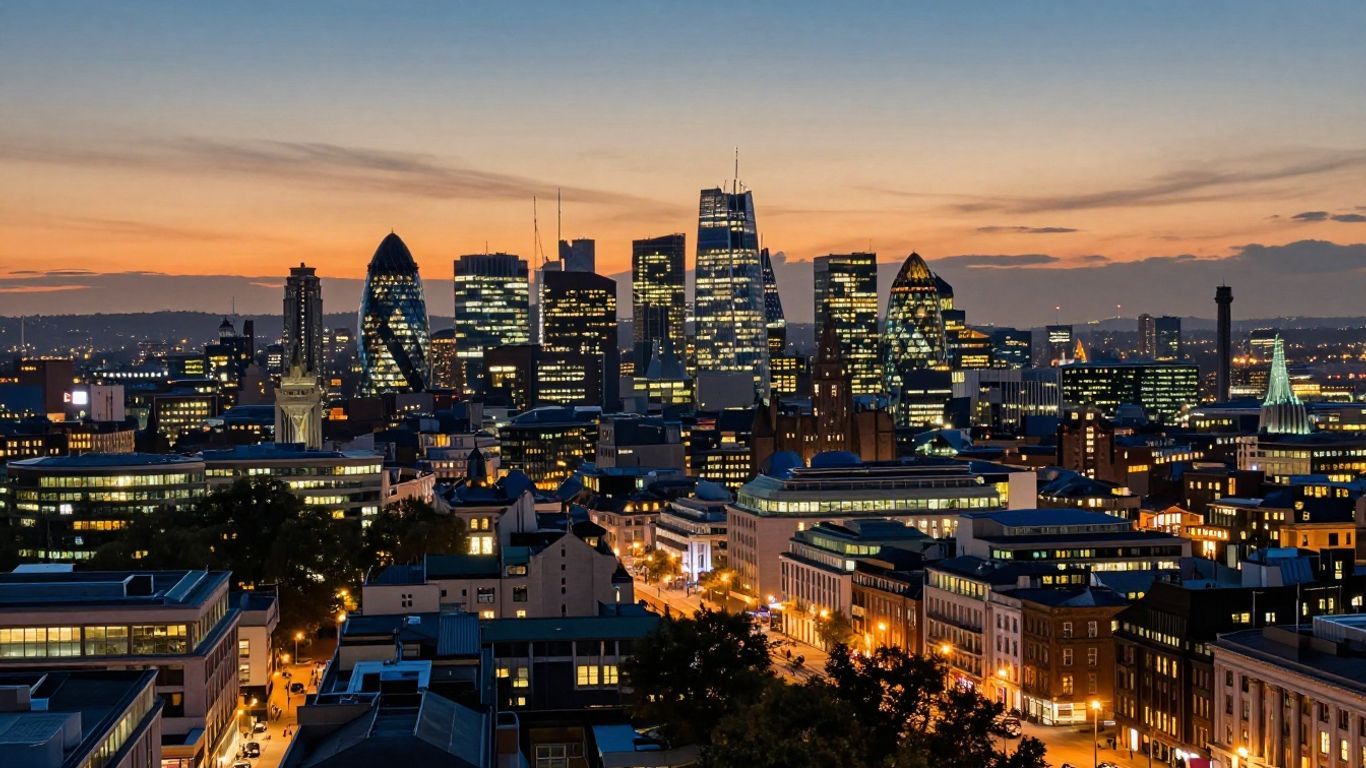
Beyond the top-tier cities, the UK is graced with numerous other urban areas that play a vital, often understated, role in its demographic and economic landscape. These places, while perhaps not reaching the sheer scale of London or Birmingham, are significant hubs in their own right, consistently attracting residents with their unique cultural offerings and compelling economic opportunities.
Liverpool's Role in the UK's Demographic Landscape
Liverpool, a city with a profoundly storied past inextricably linked to maritime trade and its groundbreaking musical heritage, continues to be a major population center. Its distinctive identity—a blend of history, humor, and artistic flair—consistently draws people in, and its ongoing regeneration projects are strategically designed to further bolster its widespread appeal. The broader city region, intelligently encompassing surrounding towns and commuter belts, forms a substantial and vibrant population cluster.
Sheffield's Urban Transformation and Population
Sheffield, historically recognized globally for its steel industry, has undergone a truly remarkable transformation. Today, it’s celebrated for its abundant green spaces, its esteemed universities, and a rapidly expanding digital and creative sector. This dynamic evolution has been instrumental in maintaining, and indeed fostering growth within, its population, thereby establishing it as a key city in the North of England.
Leeds and Edinburgh: Cultural and Economic Magnets
Leeds distinctly stands out as a major financial and commercial hub within Yorkshire, boasting both a youthful population and an incredibly vibrant cultural scene. Its robust economy consistently attracts professionals and students alike. Meanwhile, Edinburgh, Scotland's breathtaking capital, operates as a global center for finance, culture, and tourism. Its unparalleled historic beauty, seamlessly combined with its modern economic strength, makes it a perennially attractive place to live—a true jewel in the UK's crown.
Here's a concise look at some estimated populations for these significant urban centers:
| City | Estimated Population (2026) |
|---|---|
| Liverpool | 500,000 |
| Sheffield | 580,000 |
| Leeds | 800,000 |
| Edinburgh | 550,000 |
These cities, each possessing their own distinctive character and powerful economic drivers, contribute profoundly to the UK's overall population distribution and its national identity. They are not merely places where people reside, but active, dynamic centers of innovation, culture, and thriving community life.
The precise definition of a 'city' can sometimes be quite complex, often legitimately including surrounding towns and commuter belts that function as a cohesive single economic and social unit. These broader urban areas are, in fact, what truly reflect the intricate population dynamics we're observing and analyzing.
Population Dynamics and Future Trends
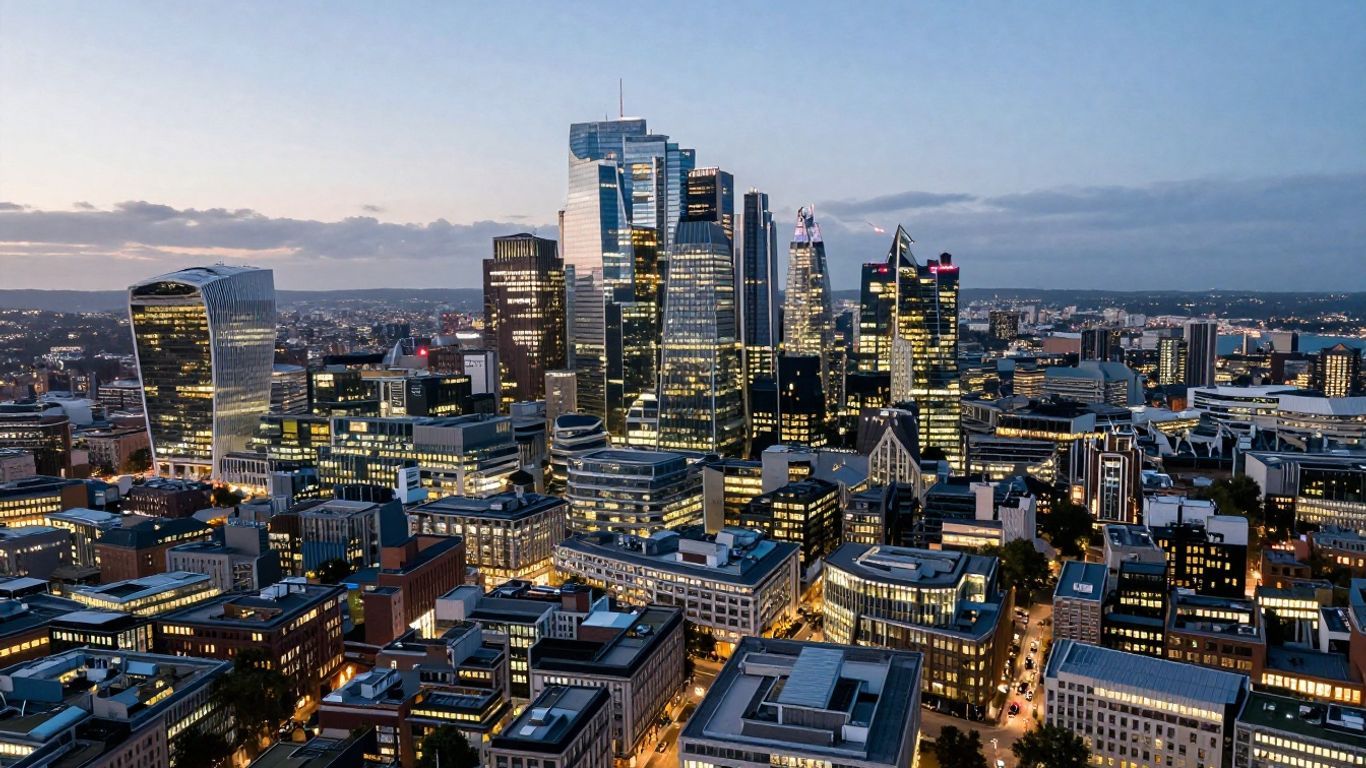
The UK's population isn't a static entity; it's perpetually shifting and evolving, and comprehending these ongoing changes is absolutely paramount for effective future planning. We're observing a general, albeit varied, increase in population across the entire country, though the pace of this growth has naturally fluctuated over the years. While the overarching trend points upward, the specific drivers and patterns often differ quite significantly from one city to another—a true patchwork of demographic stories.
Shifting Demographics Across UK Cities
Cities are inherently dynamic places, and their populations transform for a myriad of reasons. One primary factor is the intricate balance between births and deaths, commonly referred to as natural change. In areas characterized by younger populations—much like many parts of London, for example—there tends to be a surplus of births over deaths, thereby contributing significantly to population growth. Conversely, regions with older demographics, frequently found in coastal or more rural areas, might experience more deaths than births, leading to a natural population decrease.
International migration also plays a substantial role in this demographic dance. Over the past decade, net migration has, in fact, emerged as a larger contributor to overall population change than natural increase in the UK. This influx of people can profoundly alter the age structure and the overall size of urban populations. For instance, specific age groups might exhibit a noticeable widening in population pyramids, directly attributable to the impacts of migration.
The Impact of Job Opportunities on Population Distribution
Where job opportunities abound exerts an enormous influence on where people ultimately choose to establish their lives. Cities boasting robust economies and a diverse range of employment prospects invariably attract a greater number of individuals, both from within the UK and from overseas. This phenomenon explains why major urban centers so often experience consistent population growth. Consider this: if there are more viable job openings in a city, isn't it logical that more people will migrate there to seize those opportunities?
This dynamic can, in turn, create a fascinating cycle. An expanding population signifies a larger potential workforce, which can attract even more businesses, leading to further job creation and—you guessed it—more people choosing to move in. However, this growth also inevitably places considerable pressure on existing housing and vital infrastructure, issues we'll briefly touch upon next.
Challenges and Opportunities for Growing Cities
Rapid population growth in urban centers presents both exciting opportunities and complex challenges. On the upside, an expanding population often translates to a larger talent pool for businesses, fostering innovation, and contributes to an even more vibrant cultural scene. It can also stimulate increased demand for services, potentially creating more jobs and boosting the local economy.
However, cities must be prepared to keep pace. This entails strategically building sufficient homes, enhancing public transport networks, and ensuring there are adequate schools and healthcare facilities to serve the growing populace. Effectively managing this growth is ultimately about striking a delicate balance between the evolving needs of an increasing population and the inherent capacity of the city's infrastructure and available resources. It’s an ongoing, intricate balancing act, but one that is absolutely vital for the long-term health and sustainable success of any major urban area.
The manner in which populations are distributed across the UK is by no means random. Instead, it is intricately shaped by powerful economic forces, individual lifestyle choices, and the natural, relentless ebb and flow of births and deaths. Understanding these complex patterns helps us gain invaluable foresight into where the country is heading demographically.
Wrapping Up: The UK's Population Picture in 2026
So, we've embarked on a comprehensive exploration of the UK's largest cities based on their resident populations, and it's strikingly clear that London, undoubtedly, remains in a category entirely its own. Yet, this narrative isn't solely about the capital; observing how significant urban centers like Birmingham, Manchester, and Glasgow stack up provides us with a truly holistic sense of the country's diverse and dynamic urban landscape. Population figures are, by their very nature, always in flux, and these statistics offer a compelling snapshot of where individuals are choosing to put down roots and forge their lives in 2026. Whether you're contemplating a relocation or simply harboring a keen curiosity about the UK's most populated areas, grasping these overarching trends helps to paint a far clearer, more vibrant picture of the nation's remarkable cities.
Frequently Asked Questions
Which UK city has the most people?
London is, by a significant margin, the largest city in the UK. It's currently home to nearly 10 million people, making it substantially more populous than any other city in the country.
What are some other big cities in the UK?
Beyond London, other major cities with substantial populations include Birmingham, Manchester, and Glasgow. These urban centers represent key areas where a significant portion of the UK's population resides and works.
Do city populations stay the same?
No, city populations are dynamic and continually change over time. While some cities have historically been popular places to live, others have experienced considerable growth, evolving into larger, more bustling urban areas. This reflects the ongoing movement of people and their evolving residential choices.
How do we decide what 'biggest city' means?
For the context of this list, 'biggest city' generally refers to the wider urban areas or agglomerations where the most people live. This comprehensive approach includes significant city regions from across the entire United Kingdom, encompassing England, Scotland, and other constituent parts.
Where does the information about city populations come from?
The population figures we utilize are derived from recent demographic counts and carefully compiled estimates, often sourced from authoritative bodies like the Office for National Statistics. These vital statistics help us accurately understand where people are living and congregating in 2025.
Why do some cities grow faster than others?
Cities grow for a multitude of reasons! Most frequently, accelerated growth is attributed to a higher availability of job opportunities, which naturally attracts people to relocate there. Additionally, factors like excellent schools, a diverse array of engaging activities, and a vibrant cultural atmosphere also significantly enhance a city's overall appeal.


