
resources
Discover the Top 10 Largest Cities in the UK: A 2026 Population Update
01 Mar 2026

Curious about which urban centers truly dominate the United Kingdom's landscape? It's a common query, and frankly, the population figures can sometimes be quite surprising. While London's sheer size is a well-known fact, what about the many other vibrant metropolises across the nation? This article aims to meticulously break down the top 10 largest cities in the UK by population, drawing upon the latest available data for 2026. This comprehensive overview offers valuable insights into where the majority of people are choosing to reside and, indeed, thrive. Let's delve in and discover which urban areas are truly leading the pack.
Key Takeaways
- London is the most populous city in the UK by a large margin.
- The top 10 largest cities in the UK include major hubs like Birmingham, Glasgow, and Manchester.
- Population figures show where people are choosing to live and work in the UK.
- While London is in a class of its own, other cities are significant population centers.
- This list covers the most populated urban areas across the entire UK.
1. London
London, the venerable capital of England, undeniably stands as the undisputed titan among UK cities. More than just a city, it's a global nexus that has maintained immense importance for centuries, with its roots stretching back to Roman times. This profound history—combined with its pivotal role as a center for finance, culture, and education—consistently draws people and investment from every corner of the globe.
London's sheer scale and pervasive influence are truly unmatched within the United Kingdom. Its population is colossal, solidifying its position as one of Europe's most densely populated urban areas. This remarkable concentration of people serves as a testament to its enduring appeal, robust economic strength, and extraordinarily rich cultural tapestry.
Here's a concise overview of some key facets of London:
- Population: Home to over 8 million residents.
- Economic Powerhouse: Contributes a substantial portion of the UK's GDP, leading globally in finance, technology, and the arts.
- Global Connectivity: A primary destination for international business, tourism, and education, ensuring its worldwide relevance.
- Historical Significance: From its Roman origins to its profound role in the British Empire, history is indelibly etched into its very fabric.
The city's remarkable ability to constantly adapt and evolve—while simultaneously maintaining its global connections—is precisely what keeps it at the very pinnacle. It certainly faces the complex challenges of managing its immense size, from extensive transport networks to housing for millions, but these are integral to what makes it such an exceptionally dynamic place to live and visit.
2. Birmingham
Birmingham, gracefully positioned in the West Midlands, holds its own as a profoundly significant urban center in the UK. This is a city with a lengthy and fascinating history, having transformed from a quaint medieval market town into a colossal industrial powerhouse during the height of the Industrial Revolution. Indeed, this transformative period justly earned it the moniker "Workshop of the World," a nod to its skilled craftspeople and groundbreaking inventors.
Today, Birmingham presents itself as a diverse economic powerhouse. Its principal strengths now reside in sectors such as finance, cutting-edge technology, and professional services. Furthermore, the city proudly hosts several top-tier universities and boasts excellent transport connections, collectively making it a particularly dynamic and appealing place to live and pursue a career.
Birmingham's population, exceeding 1.1 million individuals, firmly establishes it as one of the most populous cities in the United Kingdom.
Here's a brief look at some key aspects of Birmingham:
- Region: West Midlands
- Population: Approximately 1.1 to 1.2 million
- Key Industries: Finance, Technology, Professional Services, Manufacturing
- Notable Attractions: Cadbury World, Birmingham Museum & Art Gallery, the historic Jewellery Quarter, and the modern Bullring Shopping Centre
The city's strategic geographical location and its impressive metamorphosis from a manufacturing base to a modern economic hub vividly underscore its adaptability and continued importance in the UK's bustling urban landscape. It's a testament to its forward-thinking approach.
3. Glasgow
Glasgow, affectionately known as Glaschu in Scottish Gaelic, proudly stands as Scotland's most populous city and a truly significant urban center within the wider UK. Beginning its life as a modest fishing village, it underwent an extraordinary transformation, burgeoning into an industrial powerhouse—particularly in shipbuilding and engineering—during the 19th and 20th centuries. At its zenith, Glasgow was responsible for an astonishing achievement: producing a remarkable half of Britain’s ships and a quarter of the world’s railway engines.
Today, Glasgow shines as a vibrant hub, celebrated for its rich cultural landscape, stunning Victorian architecture, and an undeniably lively arts scene. It is home to world-class institutions such as the esteemed University of Glasgow and the renowned Kelvingrove Art Gallery and Museum. The city consistently attracts visitors with its unique and compelling blend of history, culture, and palpable modern energy.
Key Facts about Glasgow:
- Region: Central Scotland
- Estimated Population (2026): Approximately 635,000
- Notable Attractions: Kelvingrove Art Gallery & Museum, Glasgow Cathedral & Necropolis, George Square, Riverside Museum.
Glasgow's remarkable journey from a modest village to an industrial giant, and now a thriving cultural hotspot, is a powerful testament to its enduring spirit and exceptional adaptability. Its profound historical contributions undoubtedly laid the essential groundwork for its current status as a major UK city.
While its industrial past remains a defining feature, Glasgow has, with considerable success, diversified its economy. It is now a significant center for creative industries, robust tourism, and exemplary education, solidifying its place as a dynamic and forward-looking urban environment.
4. Leeds
Leeds, nestled in West Yorkshire, is a city with a history that gracefully stretches back over a thousand years, originally taking root as a bustling market town. Its significant growth in the 17th and 18th centuries was largely propelled by the thriving wool trade. Today, Leeds has masterfully reinvented itself, evolving into a major financial and legal center that proudly boasts the largest regional financial district outside of London.
The city's vibrant retail scene, exemplified by the elegant Victoria Quarter, along with its highly respected universities, consistently draws people from far and wide.
Here's a concise overview of some key aspects of Leeds:
- Region: West Yorkshire
- Estimated Population (2026): Around 520,000
- Key Industries: Finance, Legal Services, Retail, Technology
- Notable Attractions: Royal Armouries Museum, the historic Leeds Kirkgate Market, and the expansive Roundhay Park
Leeds has truly and successfully reinvented itself, transitioning from its historical mercantile roots to become a dynamic modern hub for both business and culture. Its strong educational institutions, particularly the prestigious University of Leeds, also play a pivotal role in attracting both talent and investment, making it an exceptionally dynamic place to both live and forge a career.
5. Edinburgh
Edinburgh, the resplendent capital of Scotland, is a city that truly—and quite literally—captures the imagination. It’s a place where history doesn't just reside in museums; it feels palpably alive, weaving through its stunning medieval Old Town and the elegant Georgian New Town, both of which are proudly recognized as UNESCO World Heritage sites. Indeed, walking through its cobbled streets, one can almost feel the centuries of stories whispering in the air.
The city's distinctive skyline is majestically dominated by the iconic Edinburgh Castle, perched dramatically atop an ancient volcanic rock. Beyond the castle, Arthur's Seat offers a natural, invigorating escape with truly incredible panoramic city views, while the Palace of Holyroodhouse provides an intimate glimpse into centuries of royal history.
Edinburgh's impressive transformation—from its early days as a hub for printing and brewing to its current esteemed status as a bustling center for financial and business services—is quite a compelling narrative. It's a city that effortlessly manages to balance its incredibly rich past with a decidedly forward-looking economy.
Here's a quick look at some key aspects of Edinburgh:
- Population: Around 490,000 people proudly call Edinburgh home.
- Key Industries: Financial services, business services, tourism, and education form its economic backbone.
- Famous For: Its breathtaking historic architecture, hosting the Edinburgh Festival Fringe (the world's largest arts festival), and its vibrant cultural scene.
Edinburgh isn't merely about its ancient buildings and world-renowned festivals; it's a living, breathing city with a robust academic presence, owing much to prestigious institutions like the University of Edinburgh. This compelling blend of culture, profound history, and modern life undeniably makes it a unique and truly captivating place.
While the cost of rent can certainly be on the higher side—often starting around £1,200+—the city's inherent appeal is simply undeniable. It's a destination that consistently draws people in with its unparalleled beauty, deep history, and dynamic atmosphere.
6. Liverpool
Liverpool, a captivating city located on England's northwest coast, is gracefully situated on the east side of the Mersey River estuary. This is a place with an intrinsic, deep connection to the sea, having functioned as a major global port for an extensive period. During the zenith of the British Empire, Liverpool served as a bustling hub for international trade and the movement of people between continents, a role that profoundly shaped the city's unique character and identity even today.
The city's profound history is inextricably tied to its docks, with the very first commercial one having been constructed way back in 1715. This vibrant trade brought immense wealth through commodities like sugar, tobacco, and rum, and regrettably, also through the slave trade. Even now, Liverpool retains that wonderfully diverse feel, with people from all corners of the world proudly calling it home.
Here's a concise overview of some key details for Liverpool:
- Region: Merseyside
- Estimated Population (2026): Around 590,000
- Population Density: Approximately 4,000 people per square kilometer
- Average Rent: Over ₤700 per month
- Crime Rate Index: Around 101
Of course, Liverpool is celebrated worldwide as the undisputed birthplace of The Beatles. Visitors can readily immerse themselves in this incredible musical heritage at iconic locations like The Beatles Story and the legendary Cavern Club. Beyond the music, the city proudly boasts a UNESCO World Heritage waterfront and crucial cultural landmarks such as Tate Liverpool. Economically, Liverpool strategically focuses on areas like logistics, robust tourism, and innovative creative industries, thus perpetuating its long-standing tradition of being a dynamic urban center.
Liverpool's distinctive identity is powerfully linked to its maritime past, but it has, with remarkable foresight, successfully transitioned into a modern city with a keen focus on culture, tourism, and burgeoning new industries. This adaptability is truly its strength.
7. Sheffield
Sheffield, affectionately dubbed the "Steel City," stands as a major urban center in South Yorkshire. It's a place steeped in a rich industrial past, famously synonymous with its steel production, but it's also a city that has undergone profound transformation over the years.
Today, Sheffield is recognized as a leader in advanced manufacturing, precision engineering, and groundbreaking sustainable technologies—a remarkable evolution. It is also home to two highly regarded universities, the University of Sheffield and Sheffield Hallam University, both of which consistently inject a wealth of young talent and fresh ideas into the city's vibrant ecosystem.
Here's a concise overview of some key details for Sheffield:
- Region: South Yorkshire
- Estimated Population: Around 560,000
- Population Density: Approximately 1,500 people per square kilometer
- Average Rent: Starting from £700+
Beyond its considerable industrial and academic strengths, Sheffield is equally celebrated for its abundant green spaces. Conveniently situated right next to the stunning Peak District National Park, it offers unparalleled outdoor opportunities. The city itself proudly boasts over 250 parks, woodlands, and gardens, firmly establishing it as one of the greenest large cities in Europe. Visitors and residents alike can explore magnificent sites like the Winter Garden, one of the largest temperate glasshouses globally, or delve into local history at the engaging Kelham Island Museum. Moreover, it possesses a strong sporting heritage, notably being home to the world's oldest football club and nurturing thriving ice hockey and snooker scenes.
Sheffield's impressive transformation from a heavy industry hub to a pioneering center for innovation and green living vividly showcases its inherent ability to adapt and consistently grow. Its unique blend of robust urban development and striking natural beauty truly makes it an interesting place to both live and explore.
8. Manchester
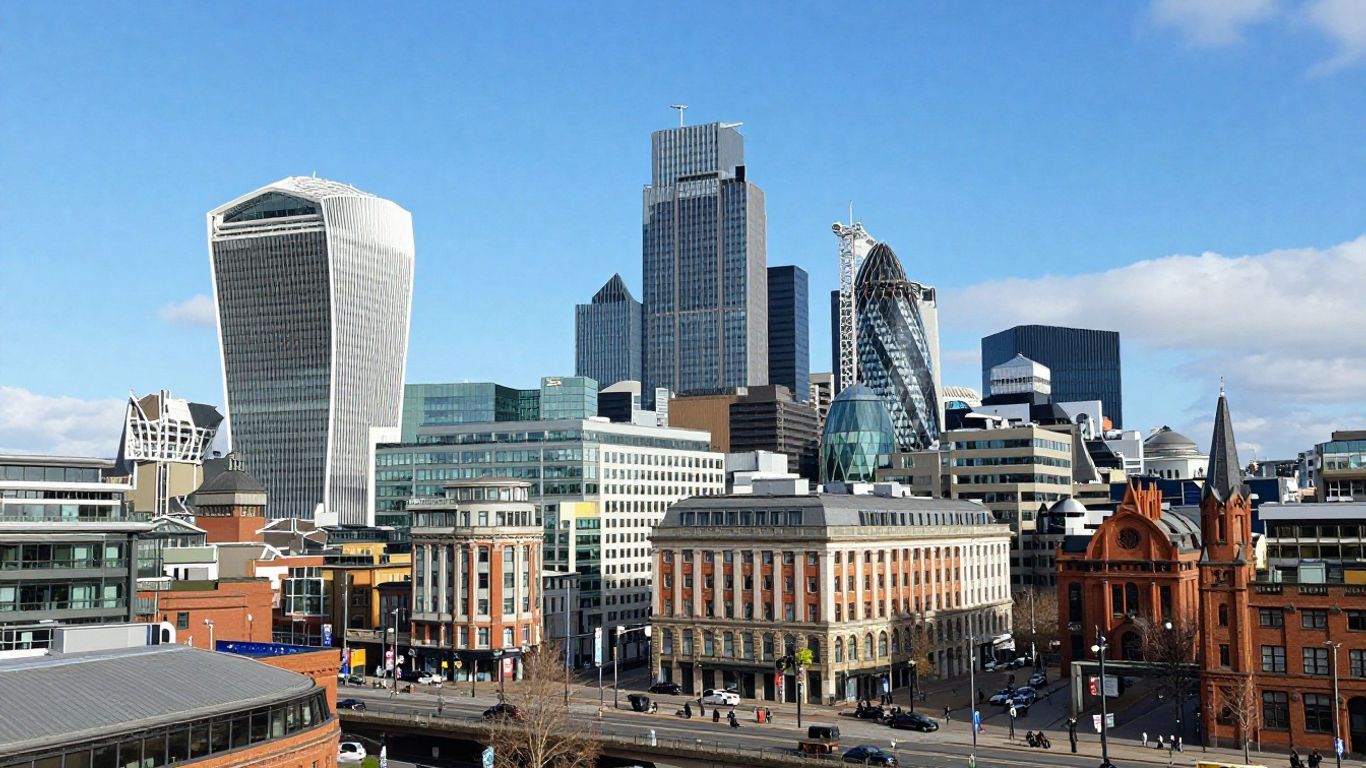
Manchester, a dynamic city boasting a population of approximately 570,000, occupies a truly significant place in the UK's urban landscape. It's a city that underwent a radical transformation during the Industrial Revolution, rapidly ascending to become a global center for manufacturing and vibrant trade. Indeed, during that era, it was famously known as the world's first industrial city, largely owing to its booming textile industry.
Today, Manchester's economic focus has perceptibly shifted. While manufacturing still certainly plays a part, the city has now firmly established itself as a hub for burgeoning industries such as music, media, advanced science, and engineering. It also proudly hosts major institutions including the prestigious University of Manchester and the BBC's impressive MediaCityUK, clearly demonstrating its continued importance in both innovation and cultural contributions.
Here's a concise overview of some key details for Manchester:
- Region: Greater Manchester
- Estimated Population (2026): 570,000
- Population Density: Approximately 4,300 people per square kilometer
- Key Attractions: Iconic Old Trafford, the engaging Science and Industry Museum, Manchester Art Gallery, and the trendy Northern Quarter
Manchester's profound influence extends far beyond its robust economy, with its world-class universities and globally recognized football clubs collectively contributing to its incredibly vibrant identity.
The city's impressive transformation from an industrial powerhouse to a modern center for media and technology stands as a powerful testament to its inherent adaptability and decidedly forward-thinking approach. This continuous evolution has been instrumental in maintaining its esteemed status as a major player in the United Kingdom.
9. Bristol
Bristol, gracefully situated in the South West of England, is a city that beautifully intertwines a rich, lengthy history with a remarkably dynamic present. Founded around 1000 CE, it swiftly blossomed into an exceedingly important port, particularly for vigorous trade with Ireland. Its strategic geographical position naturally positioned it as a key player in historical trade routes, including the complex transatlantic trade of the 1700s.
Today, Bristol operates as a thriving hub for several cutting-edge modern industries. Visitors and residents will discover significant activity in aerospace, innovative green technology, and dynamic media sectors. Moreover, it serves as a major center for both business and transport within its wider region.
| Industry Sector | Key Focus |
|---|---|
| Aerospace | Advanced manufacturing and design |
| Green Technology | Sustainable innovation and development |
| Media | Digital content creation and broadcasting |
Bristol's incredibly vibrant street art scene, famously and strongly associated with the enigmatic Banksy, adds a truly unique and compelling cultural layer to the city. Beyond its significant economic contributions, Bristol generously offers iconic attractions such as the breathtaking Clifton Suspension Bridge and the historic SS Great Britain ship. Intriguingly, the city also boasts a notable crime rate index of 74, which, it's worth noting, is on the lower side compared to some other major UK cities.
The city's remarkable transformation from a pivotal medieval port to a modern industrial and technological center vividly highlights its impressive adaptability and truly forward-thinking approach. Its compelling blend of profound historical significance and contemporary innovation undeniably makes it a noteworthy urban area in the UK.
10. Leicester
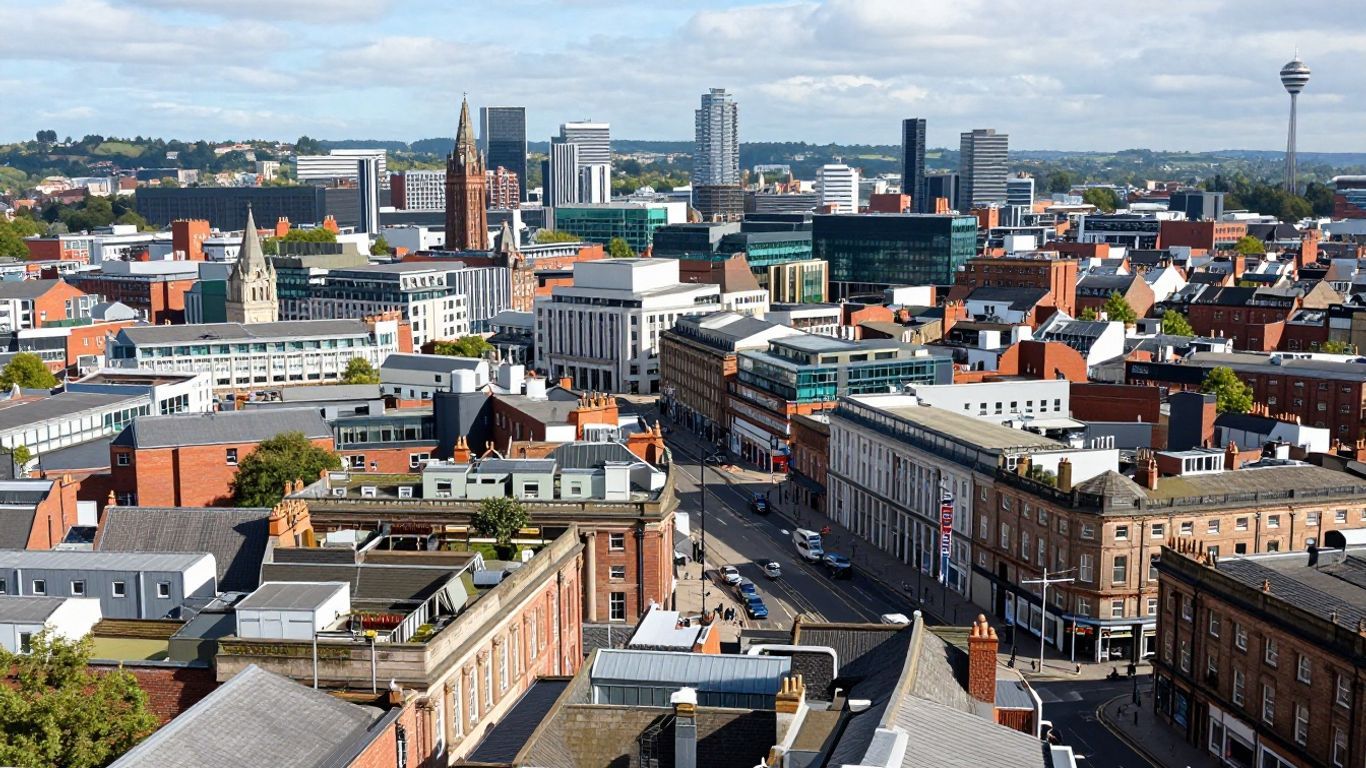
Leicester, a city whose roots stretch back over two millennia, holds a truly significant place among the UK's largest urban centers. Originally established as a Roman fort, its history is remarkably rich and deeply layered, contributing profoundly to its unique character today. The city has experienced substantial growth, particularly in the aftermath of World War II, driven by the development of extensive housing estates that significantly expanded its physical footprint.
Leicester notably stands out as one of Britain's most multicultural cities, with an impressive estimated 70 languages spoken within its boundaries—a vibrant testament to its diversity. This rich tapestry of cultures is beautifully reflected in its lively community and its wide array of cultural offerings. Economically, Leicester rests upon a strong foundation in retail, manufacturing, and logistics, solidifying its position as a key player in the region's overall economy.
Here's a concise overview of some key details for Leicester:
- Region: Leicestershire
- Estimated Population (2026): Approximately 420,000
- Population Density: Around 4,200 people per square kilometer
- Key Attractions: The fascinating King Richard III Visitor Centre, the engaging National Space Centre, and the historic Leicester Market, which holds the distinction of being the oldest in the UK.
The city's deep historical significance is, without a doubt, matched by its modern dynamism. From its ancient Roman origins to its present-day status as a vibrant hub of multiculturalism and robust economic activity, Leicester offers a compelling and truly unique blend of the old and the new.
Looking Ahead: The Evolving UK Cityscape
So, we've journeyed through the United Kingdom's most populous cities, examining who calls these vibrant places home. What's undeniably clear is that London occupies a category all its own, with millions more residents than any other urban area. However, the narrative isn't solely about London; cities like Birmingham, Manchester, and Glasgow also emerge as crucial population centers, each with its own distinct allure. What’s truly fascinating is observing the varied trajectories of growth among these different locations. Some expand rapidly due to burgeoning job markets, others thrive because of world-class universities, or perhaps simply because they offer a more accessible or attractive lifestyle. These dynamic figures consistently illustrate where people are choosing to lay down roots and construct their lives. It's a perpetual shift, and one that eloquently narrates the ongoing story of what individuals seek in a place they proudly call home.
Frequently Asked Questions
What makes London the biggest city in the UK?
London maintains its position as the UK's largest city by a considerable margin. It acts like a powerful magnet for people, primarily because of its historical importance, abundant employment opportunities, and its preeminent role as a global center for finance, culture, and business. Individuals from across the globe are drawn to live and work there, contributing to its exceptionally diverse and bustling atmosphere.
Are the populations of these big cities always the same?
No, city populations are inherently dynamic and consistently fluctuate! People frequently relocate for career advancements, educational pursuits, or family considerations. While some cities may experience steady, sustained growth, others might maintain a relatively stable size. The data we analyze offers a valuable snapshot of where people are actively choosing to reside at any given moment.
Why do some cities grow faster than others?
Cities grow for a multitude of reasons, often complex and interconnected. Sometimes, it's the proliferation of new job openings, especially in high-growth sectors like technology or business services, that draws people in. At other times, outstanding universities attract a steady stream of students, many of whom subsequently choose to remain and work there. Occasionally, a city simply becomes a more affordable or generally appealing place to live compared to its counterparts, driving its expansion.
How are city populations measured?
Population figures are typically derived from official counts, such as the national census, which occurs every few years. Additionally, demographic experts often produce estimates for the intervening years between censuses. It's important to understand that how a city's


