
resources
DIY Long Tail Mud Motor Kit: Build Your Own Mud Motor Today
22 Sept 2025

Welcome to the world of DIY long tail mud motor kits! If you've ever thought about building your own mud motor, you're in for a treat. Creating your mud motor isn't just about saving money; it's an exciting project that lets you customize your motor to perfectly suit your needs.
Building your own mud motor has several key advantages:
Cost Savings: Crafting your own mud motor can be much more affordable than buying one pre-made.
Customization: Tailor your motor to match your specific boating needs and preferences.
Learning Opportunity: Gain valuable mechanical skills and knowledge through the building process.
These benefits will come to life as we dive into the essential components of a mud motor and explore how to build one from a long tail mud motor kit.
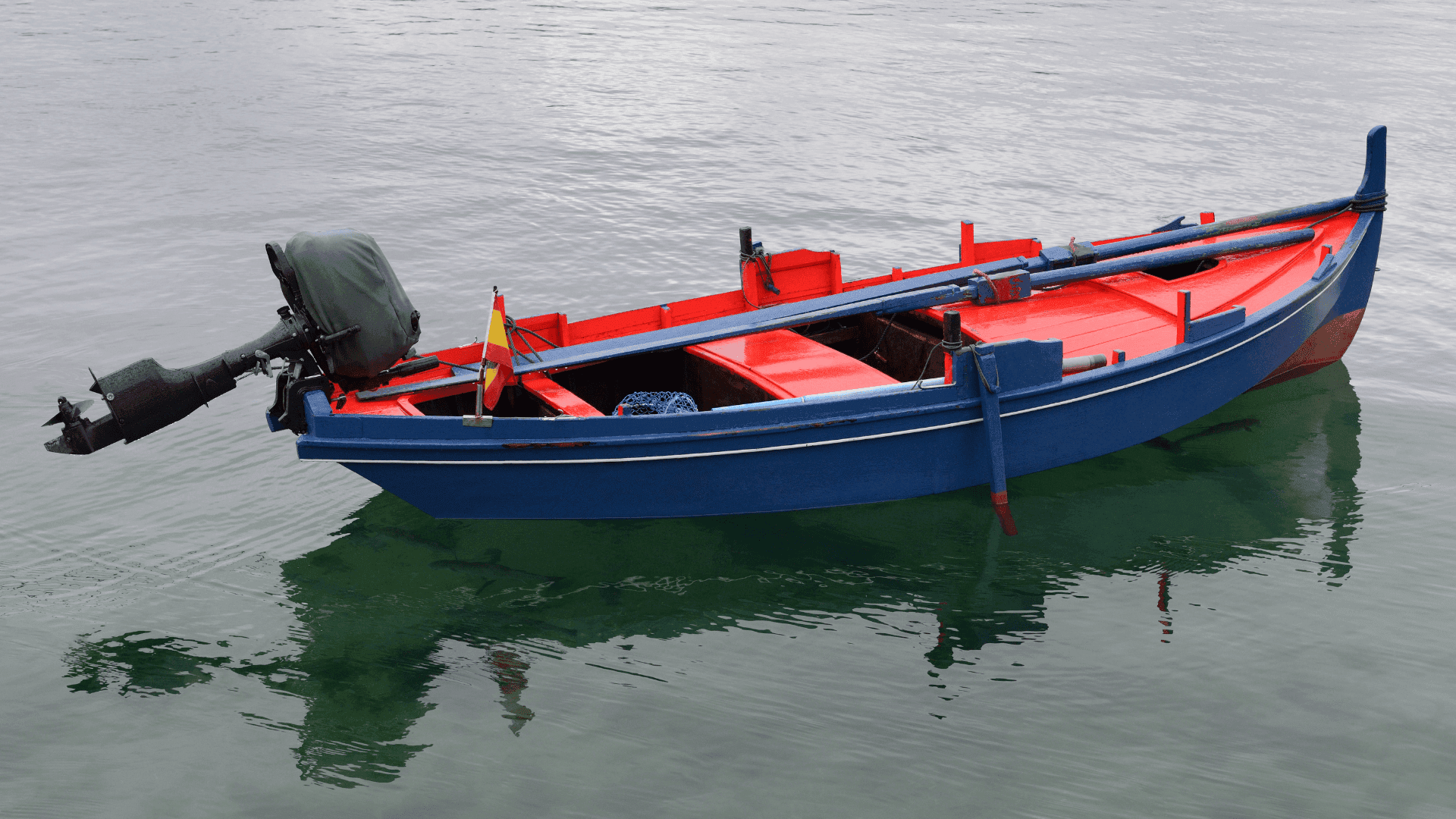
What is a Long Tail Mud Motor Kit?
Before you start building, it’s crucial to understand what a long tail mud motor kit is and what makes it unique. These kits are designed to transform a standard small engine into a fully functional mud motor, ideal for navigating shallow waters.
A typical long tail mud motor kit includes:
Shaft: The shaft connects the engine to the propeller, allowing for increased reach into the water.
Propeller: Helps propel the boat through difficult terrain like muddy waters and shallow areas.
Connection Hardware: Includes all needed brackets and fasteners that secure the shaft and engine together.
Long tail mud motors are especially popular because of their ability to handle challenging environments better than traditional motors. Their design allows for easy maneuverability in tight spots and over obstacles.
By understanding these key components and how they work together, you're well on your way to choosing the right kit and building a mud motor that suits your needs.
Choosing the Right Mud Motor Kit
Selecting the perfect mud motor kit for your needs is crucial. Here's what you need to consider:
Boat Size: Ensure that the kit matches the size and weight of your boat. Larger boats need more power.
Water Conditions: If you navigate through thick vegetation or shallow waters, consider kits designed for these conditions.
Desired Speed and Power: Decide how fast and powerful you want your motor to be. Long tail mud motors are great for power, while surface drive kits offer speed.
Additionally, different types like surface drive and beaver dam mud motor kits have distinct features. Surface drive kits allow for faster travel on open water, while beaver dam kits excel in swampy areas. You can check out the available options over at Beaver Dam Mud Runners.
Steps to Build Your Long Tail Mud Motor
Building your own mud motor can be a fun and rewarding project. Follow these steps to assemble your long tail mud motor kit:
Gather Your Tools and Materials: Before you start, make sure you have all the necessary tools like wrenches, screwdrivers, and lubricants ready.
Unpack Your Kit:
Check all components to ensure nothing is missing.
Familiarize yourself with the parts such as the shaft, propeller, and connection hardware.
Initial Assembly:
Connect the shaft to the motor carefully.
Secure the propeller at the shaft's end.
Attach the Motor to the Boat:
Use the connection hardware to fix the motor securely to your boat.
Ensure the motor is balanced to avoid instability.
Final Adjustments and Safety Checks:
Test the motor in a controlled environment.
Ensure all bolts are tight and the motor operates smoothly.
Safety Precautions:
Wear protective gear during assembly.
Follow each step accurately to prevent accidents.
By following these steps, you'll be on your way to enjoying the benefits of a custom-built long tail mud motor.
Importance of the Mud Motor Shaft Kit
When building your own mud motor, the mud motor shaft kit takes center stage for ensuring the overall performance and efficiency of your build. The shaft is a vital component that transmits power from the engine to the propeller, enabling your boat to navigate through challenging water conditions.
Key Functions of the Mud Motor Shaft:
Power Transmission: The shaft plays a crucial role in delivering the engine’s power to the propeller efficiently.
Integration: It seamlessly connects with other components such as the propeller and the engine mount.
Durability: A good shaft is designed to withstand stress and resist bending or breaking in tough environments.
Installation Tips for Optimal Performance:
Alignment: Ensure the shaft is perfectly aligned with the engine and propeller. Misalignment can lead to vibrations and reduce performance.
Lubrication: Regularly lubricate the shaft to minimize friction and prevent wear.
Secure Connections: Tighten all bolts and connections to prevent loosening during operation.
Benefits of a DIY Mud Motor Kit
Building your own mud motor kit comes with a host of advantages that can make it a rewarding project.
Key Benefits:
Educational Experience and Learning Opportunity: Gain valuable knowledge and technical skills that come in handy in future projects. This experience helps you understand the mechanics of motors more deeply.
Comparison with Pre-Assembled Motors:
Flexibility: DIY offers flexibility in terms of component selection, unlike pre-assembled options which are fixed.
Personal Satisfaction: The accomplishment of building something from scratch can be highly rewarding.
Pursuing a DIY mud motor project combines economics, creativity, and education, making it an excellent venture for enthusiasts.
Tips for Maintenance and Safety
Keeping your DIY mud motor in top shape is key to enjoying a safe and smooth boating experience. Proper maintenance ensures longevity and performance, while safety practices protect both you and your environment. Here are several tips for maintaining and safely operating your mud motor:
Routine Checks: Regularly inspect your mud motor for any signs of wear or damage. Pay attention to the propeller and shaft for bends or cracks, and check all connections and bolts for tightness.
Cleaning: After every use, clean your mud motor to remove mud, debris, and any saltwater residue. This will prevent corrosion and buildup that could affect performance.
Lubrication: Keep moving parts well-lubricated to reduce friction and wear. Refer to your kit's manual for the recommended type of lubricant.
Troubleshooting: Familiarize yourself with common issues and their solutions. This can range from engine sputtering to propeller vibrations. Being proactive can save you time and hassle on the water.
Safety Gear: Always wear life vests and keep a first-aid kit ready. Equip your boat with essential safety equipment, like a whistle or paddle, in case of engine failure.
Follow Best Practices: Ensure that all operators are properly trained in using the mud motor. Follow local boating laws and guidelines to ensure a safe experience for everyone.
Conclusion and Next Steps: Start Your Project
Embarking on your DIY long tail mud motor project can be both rewarding and fun. Here’s a quick recap of what we've covered:
Understanding the different components, like the mud motor shaft kit, is crucial for effective assembly.
Regular maintenance and safety precautions ensure optimal performance and long-term enjoyment.
Now that you're equipped with the essential knowledge, it’s time to start your journey. Get ready to explore new waters with your very own DIY long tail mud motor. Happy building!


