
business resources
Do New Build Homes Offer Crucial Long-Term Advantages?
24 Mar 2026

Choosing between a brand-new build and an older, established house can feel like a tough call. But new build homes bring some long-term advantages to the table that might not be immediately obvious. Beyond the modern features and that undeniable "new home smell," you're getting a clean slate that can genuinely simplify your life. So, let’s dig into why a new home might be the ideal move for you, focusing on the perks that really count in the long run.
Key Takeaways
- Today’s new builds are constructed to meet strict energy standards, a feature that translates directly into lower utility bills and a lighter environmental footprint. You’re looking at superior insulation and high-efficiency heating systems right from the get-go.
- Customization is arguably one of the biggest draws. You get a say in so many of the details—from paint colors to the actual floor plan—allowing you to mold the home to your lifestyle instead of trying to fit into someone else's old choices.
- Because everything is brand new, the chances of getting blindsided by a hefty repair bill right after moving in are slim. On top of that, most new homes come backed by warranties, which offers some incredibly valuable peace of mind.
- It's also common for builders to offer some pretty attractive incentives, like helping with closing costs or even securing lower interest rates. These kinds of financial perks can make a new home much more accessible right from the start.
- You'll often find that newer developments include built-in community amenities such as parks or fitness centers. Plus, the homes themselves are designed for modern living, typically featuring those open spaces and smart layouts we’ve come to expect.
Enhanced Energy Efficiency And Lower Running Costs
Modern Construction For Reduced Utility Bills
Today's new homes are built with energy performance front and center. Builders employ advanced techniques to create a "tight building envelope"—a fancy way of saying there are fewer drafts and less wasted energy. This focus on sealing the home, paired with better materials, means your heating and cooling systems simply don't have to work as hard. What does that mean for your wallet? Lower monthly utility bills. It’s a practical, month-after-month benefit that directly impacts your budget.
Superior Insulation For Year-Round Comfort
Proper insulation is the secret to a comfortable home, no matter the season. New builds almost always feature far more robust insulation in the walls, attics, and floors compared to their older counterparts. Think of this superior insulation as a thermal blanket for your home; it keeps the warmth in during winter and the cool air inside during summer. The result? You'll notice fewer temperature fluctuations and a more consistent feel throughout the house, which means you'll rely less on your HVAC system.
High-Performance Windows And Appliances
It's not just about insulation, though. New homes often come standard with windows designed for top-tier energy performance. We're talking double- or even triple-paned glass with special coatings that help regulate the indoor temperature. Many new homes also include energy-efficient appliances right off the bat. It's a good idea to look for those ENERGY STAR ratings on dishwashers, refrigerators, and washing machines—these units use less electricity and water, which further drives down your running costs and shrinks your environmental footprint.
Minimizing Unexpected Repair Expenses
When you buy a new build home, you're essentially stepping into a property where everything is pristine. This drastically lowers the odds of being hit with a sudden, costly repair bill in your first few years of ownership, unlike with many older homes. Just think about it for a moment: the plumbing, electrical systems, the roof, the HVAC unit—they're all brand new and installed to the latest standards. This provides a welcome layer of financial predictability that's incredibly reassuring.
New Systems And Appliances With Warranties
One of the standout advantages here is that all your major appliances and home systems come with manufacturer warranties. But that's not all; the builder typically provides their own warranty, often covering structural elements and major systems for a set time, sometimes for as long as ten years. This "safety net" means that if a covered item goes haywire, the cost of repair or replacement usually falls on the warranty provider, not your wallet. It’s a massive relief not having to stress about a furnace giving out in the dead of winter or a roof springing a leak during a downpour, knowing these potential budget-breakers are covered.
Reduced Likelihood Of Costly Immediate Repairs
Let's face it, older homes often have a hidden history of wear and tear that can lead to some nasty surprises. Corroded pipes, outdated wiring, or aging appliances can fail without warning, triggering costly emergency repairs. With a new build, however, these components are fresh out of the box and installed according to current building codes. This simple fact drastically reduces the odds of running into these expensive, immediate issues. You’re not inheriting someone else's potential problems—you're starting fresh.
Peace Of Mind Through Predictable Expenses
Ultimately, the combination of new, warrantied systems and the reduced risk of immediate breakdowns delivers something invaluable: peace of mind. Instead of constantly salting away funds for potential major repairs or worrying about what might fail next, you can budget your finances with much more confidence. This predictability lets you focus on actually enjoying your home and your life, rather than being on high alert for the next maintenance emergency. It really shifts the focus from problem-solving to simply living.
The lack of immediate, large-scale repair needs in a new construction home presents a clear financial advantage. This predictability empowers homeowners to manage their budgets more effectively and dials down the stress that often comes with unexpected home maintenance costs—especially during those crucial first few years of ownership.
Adherence To Current Safety Regulations
When you purchase a new build, you're not just getting a house; you're getting a structure built to the very latest rules and guidelines. And these aren't mere suggestions—they're strict legal requirements that builders must adhere to. This means that from the foundation up, your home is designed with safety as a core principle, using materials and methods that meet today's rigorous standards for durability and protection.
Compliance With Latest Building Codes
Building codes are constantly evolving to incorporate new knowledge about construction, materials, and potential hazards. A new home is built to the most current version of these codes, which dictate everything from how the foundation is poured to how the roof is framed. This proactive approach ensures that common issues found in older homes—such as structural weak points or outdated systems—are addressed right from the start. It provides a truly solid foundation for your security.
Advanced Structural Integrity And Fire Safety
Modern construction techniques and materials are selected specifically for their resilience. This includes improved methods for building walls, roofs, and foundations that can better withstand environmental stresses like high winds or, depending on your region, seismic activity. Fire safety is another huge area of focus. Builders today use materials that are more fire-resistant, and designs often include features that can slow the spread of flames, which can give occupants precious extra time to evacuate. This built-in attention to structural integrity and fire prevention is a major leg up over older properties.
Safer Electrical And Plumbing Systems
Now, let's think about the systems hidden within the walls: the wiring and the pipes. New builds feature completely new electrical and plumbing. This means they are designed to handle the demands of modern appliances and gadgets, with better circuit protection and plenty of outlets. The plumbing uses up-to-date materials that are far less likely to leak or corrode. Critically, these systems are installed by professionals who follow strict safety protocols, minimizing the risk of problems like electrical shorts or water damage. It’s all about having reliable systems built for today's world, offering a level of safety and performance that older homes often can't match without major upgrades. For complex projects involving embedded systems, working with companies that adhere to stringent industry standards like ISO 26262 is important for safety and compliance.
Building to current standards means that a host of potential issues that often plague older homes are dealt with proactively. This applies to everything from the foundation to the roof, with a core focus on durability and safety that gives homeowners a fantastic starting point.
The Advantage Of Customization
Selecting Your Ideal Lot and Floor Plan
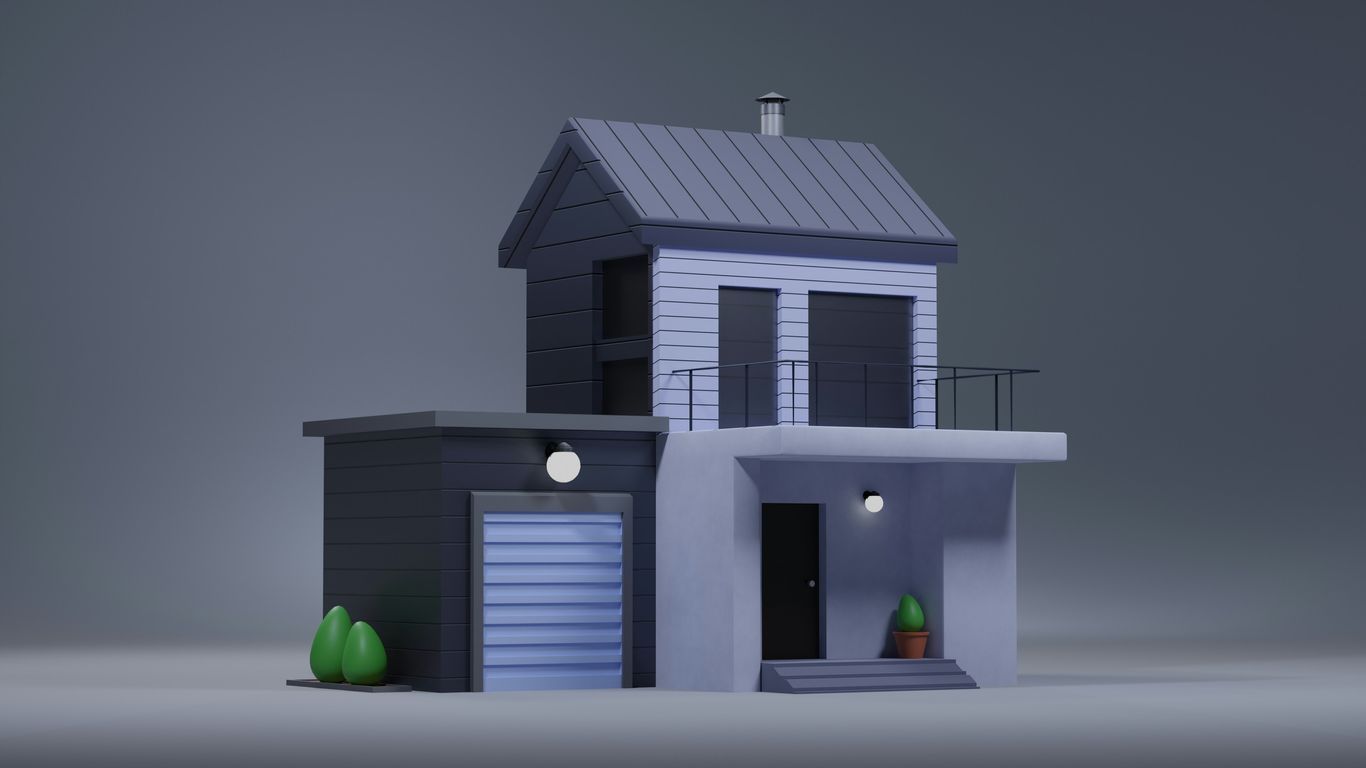
Perhaps one of the most exciting benefits of choosing a new build is the power to select your ideal lot and floor plan. This initial decision is crucial, as it sets the stage for a home that genuinely fits your lifestyle. When picking a lot, you can weigh factors like proximity to amenities, the amount of yard space you want, or even which way the home faces to catch the best natural light. Then comes the floor plan, where you get to dictate the internal layout. Do you dream of an open-concept living area for entertaining, or do you need a dedicated home office? You can choose a plan—and sometimes even tweak it—to meet those exact needs. This foundational step ensures your home is designed around your life from day one.
Personalizing Finishes and Features
Beyond the basic structure, new builds open up a world of personalization when it comes to aesthetic details. This is where you really get to make the house your own. You're in the driver's seat for choosing everything from flooring materials—be it hardwood, tile, or carpet—to the style of cabinetry in your kitchen and bathrooms. Countertop options, paint colors, and even the hardware on doors and fixtures are typically yours to decide. This level of control means you don't have to plan for immediate renovations to match your taste. You're moving into a space that already reflects your personal style, which saves both time and money down the line. It's an engaging process that lets you take part in the creative vision of your home.
Designing a Space That Fits Your Lifestyle
At the end of the day, the customization offered with new construction allows you to create a living environment that's perfectly tailored to your unique needs and tastes. It’s about so much more than just picking colors; it's about building a space that is both functional and comfortable. You can adapt elements to support your hobbies, family activities, or work-from-home setup. This proactive design approach means the final product isn't just a structure, but a personalized sanctuary. It fosters a deep sense of ownership and pride, turning the homebuying process into a creative journey. Such thoughtful planning paves the way for greater satisfaction and comfort for years, helping you make the most of your investment in modern home design.
The chance to shape the design and features of a new home from the very beginning offers a unique opportunity. It allows you to create a living space that is not only aesthetically pleasing but also highly functional, directly catering to your specific requirements and preferences as the homeowner.
Modern Amenities For Contemporary Living
New homes are designed with a keen eye on how we actually live today. This means you'll often discover layouts that are intuitive for daily life, representing a clear departure from the more rigid, compartmentalized structures of older houses. Builders are actively considering how families interact, the need for both communal and personal space, and how to make everyday tasks just a little bit easier.
Open Layouts And Spacious Kitchens
One of the most noticeable shifts in modern home design is the move toward open-concept living. Gone are the days of tiny, walled-off kitchens. New builds typically feature expansive, airy areas where the kitchen flows seamlessly into the dining and living spaces. This design not only makes the home feel larger and more connected but is also perfect for entertaining or simply keeping an eye on things while you cook. The kitchens themselves are often the centerpiece, boasting generous counter space, large islands for prep or casual meals, and abundant storage. It’s a layout that truly supports modern family life.
Smart Home Technology Integration
A lot of new construction today comes with the groundwork for smart home technology already laid. This is more than just a few cool gadgets; it's about creating a more connected, efficient living environment. We're talking about features like programmable thermostats that learn your routine to save energy, smart lighting you can control from your phone, and even integrated security systems. Some homes might even come with built-in speakers or pre-wired for a home theater. These technologies are designed not just for convenience—they can also help lower your utility bills by optimizing energy use.
Convenient Features For Daily Life
Beyond the major design choices, new homes often incorporate thoughtful little details that make a huge difference in daily life. For instance, you’ll frequently find dedicated laundry rooms—often conveniently located upstairs near the bedrooms, which saves you from hauling baskets up and down stairs. Storage is another key priority, which means larger closets and well-designed pantries. On a larger scale, many new developments also offer community amenities like parks, playgrounds, or fitness centers, giving you access to recreation right outside your door. These practical additions are all geared toward making your home life smoother and more enjoyable.
Long-Term Value And Investment
Fewer Immediate Maintenance Headaches
Moving into a new build means stepping into a home where everything is pristine. The great thing about this? The odds of facing those dreaded, budget-busting repairs that so often plague older properties are incredibly low. You won't be up at night worrying about aging plumbing, outdated electrical systems, or a roof that's seen better days. This lack of immediate, expensive fixes translates directly into savings and—perhaps more importantly—peace of mind. Instead of having to build a hefty emergency fund for surprise issues right away, you can focus on settling in and actually enjoying your new home. This predictability is a massive advantage for anyone hoping to avoid the financial stress of inheriting a house that needs immediate work.
Potential For Lower Overall Ownership Costs
While the sticker price of a new build can sometimes seem higher, it's crucial to look at the total cost of ownership over the long haul. As we've touched on, the superior energy efficiency of modern construction leads to lower utility bills every single month. When you add in the reduced need for major repairs and the peace of mind from builder warranties covering key systems, the long-term financial picture starts to look very attractive. These combined factors can easily offset the initial investment, making a new build a very sound financial decision over the life of the home.
A Fresh Start With Modern Standards
Choosing a new build means you’re getting a home that meets the very latest building codes and standards. This isn't just about safety; it also speaks to the overall quality and longevity of the house itself. You're not inheriting the shortcuts or outdated methods of a bygone era. This modern foundation ensures the home is better equipped to handle today's lifestyle and is far less likely to need significant upgrades anytime soon. It's truly about starting with a clean slate, built with today's best practices, which contributes to its lasting value and your long-term happiness as a homeowner.
Often, the initial investment in a new construction home pays dividends down the road through reduced maintenance, lower utility expenses, and fewer surprise repair costs. This all contributes to a more predictable and manageable long-term financial outlook for the homeowner.
- Reduced Repair Costs: New homes generally sidestep the immediate, costly repairs that are so common with older properties.
- Energy Savings: Modern building methods and materials naturally lead to lower monthly utility bills.
- Warranty Protection: You get a built-in safety net from builder warranties that cover early system and appliance failures.
- Predictable Budgeting: With fewer surprises on the horizon, financial planning becomes much more straightforward for homeowners.
Wrapping Up: Is a New Build Right for You?
So, when you take everything into account, it's pretty clear that new construction homes offer some compelling long-term benefits. You're getting a home built to today's high standards, which usually means better energy efficiency and fewer surprise repair bills right off the bat. The opportunity to select your own finishes and the comfort of knowing that major systems are brand new and under warranty can be a huge weight off your shoulders. Yes, they might have a higher initial price tag, and patience is sometimes required during the build, but for many, the peace of mind and the chance to create a truly personal space make it an incredibly smart choice. Ultimately, the decision comes down to what you value most in a home and what best fits your life.
Frequently Asked Questions
What are the main benefits of choosing a newly built home?
Newly built homes come with several fantastic advantages. They’re constructed using modern techniques, making them highly energy-efficient and leading to lower utility bills. Because everything is brand new, you're far less likely to get hit with unexpected repair costs right after you move in. Plus, the warranties that come with new homes provide invaluable peace of mind. On top of all that, you often get to personalize finishes and features, so the home feels like yours from day one.
How do new homes help save money on energy costs?
New homes are specifically designed with energy savings in mind. They use the latest building materials and techniques that excel at keeping your home warm in the winter and cool in the summer. This is thanks to superior insulation, high-performance windows, and more efficient heating and cooling systems. When you add it all up, it usually means significantly lower monthly utility bills compared to an older house.
Can I make changes to the design of a new construction home?
Absolutely! Customization is one of the biggest perks of buying a new build. Most builders give you the opportunity to choose many of the home's details. This can range from paint colors and flooring types to kitchen cabinet styles and countertops. Some builders may even allow for minor adjustments to the floor plan, helping you create a space that perfectly suits your lifestyle.
What kind of warranties can I expect with a new home?
Typically, new homes come with a package of warranties for your protection. You can expect a builder's warranty that covers major systems like plumbing and HVAC for the first couple of years. There's also usually a longer structural warranty, often up to 10 years, that covers the home's foundation and frame. And don't forget, individual appliances will also have their own warranties directly from the manufacturer.
Are new homes safer than older homes?
Generally speaking, yes. New homes are constructed to meet the most current safety regulations and building codes. This translates into stronger structural designs, enhanced fire safety features (like hardwired smoke detectors), and more reliable electrical and plumbing systems. These modern standards are designed to minimize the risks that can sometimes be present in older homes that haven't undergone significant updates.
Do new builds have fewer repair problems right away?
Yes, that’s one of their biggest selling points. Because every component in a new home—from the roof and HVAC system to the water heater and appliances—is brand new, you are far less likely to face a costly, unexpected repair soon after you move in. Everything is fresh and typically covered by a warranty, which gives you a significant financial advantage over buying an older home that might come with immediate (and expensive) surprises.


