
circular economy business
Employees Want To Stay At Home For Good, Says New Study

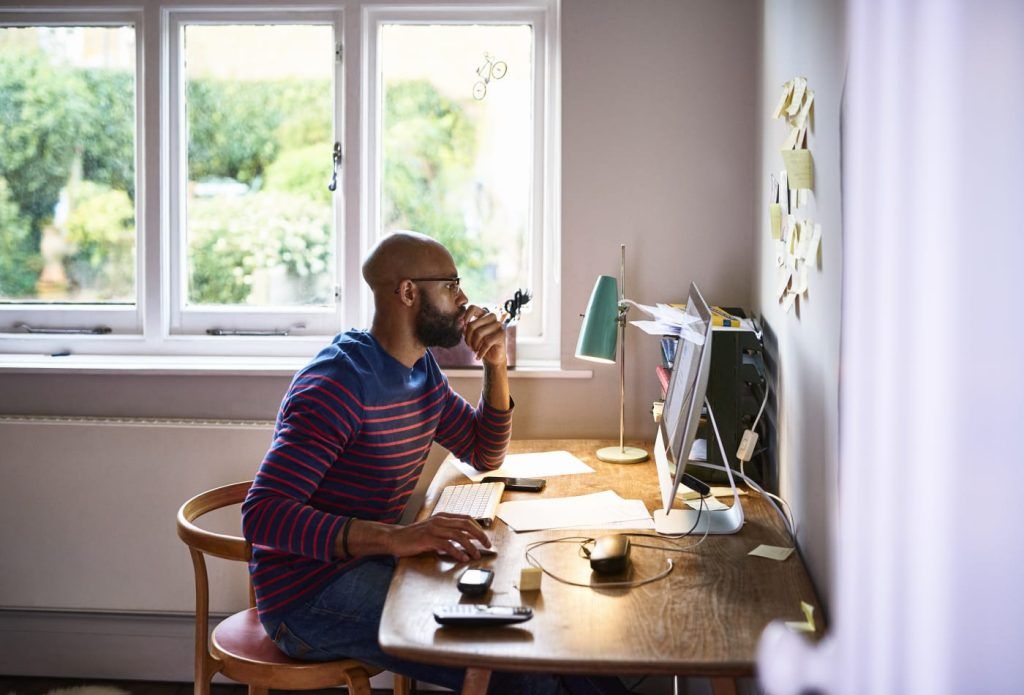
- 62% of employees that can work from home would be happy for their office to close so they can work permanently from home
- 46% of HR decision makers believe flexible working impacts on productivity compared to just 18% of employees
- 24% of employees believe working from home long-term will have a negative impact on their mental health well-being
More than three in five (62%) UK employees who can work from home would be happy if their office remained closed indefinitely after lockdown measures are lifted, despite a sustained drop in Covid-19 cases. One in five (21%) claimed to be ‘extremely happy’ at the prospect of working permanently from home according to a new study commissioned by Winckworth Sherwood, the leading full-service UK law firm.
UK businesses appear to be listening, with the research revealing that nearly a third (31%) of HR decision makers saying they intend to close or at least reduce their office space capacity, arguably signalling the biggest shift in working life since the Second World War.
The survey, which included employees and HR decision makers from across a range of industry sectors, took place after 13 weeks of lockdown and was conducted exclusively by YouGov on behalf of Winckworth Sherwood.
The firm also carried out a similar survey in January 2020 to gauge and compare the views of HR decision makers and employees. An overwhelming 72% of HR decision makers believed that offering flexible working was important for the recruitment and retention of employees, despite at the time nearly two in five (39%) fearing flexible working impacts upon an employee’s ability to carry out their job effectively. Since then that fear amongst HR decision makers has increased to almost half (46%) and was cited as the biggest barrier to employees working flexibly.
In stark contrast to HR decision makers, the research carried out in June showed that less than one in five (18%) of employees believe that flexible working would impact on their ability to carry out their job effectively and over a third of employees (36%) felt there was no barriers to them working flexibly.
Although the research showed that both employers and employees intend to have more flexible working in the long-term, the research also highlighted the concerns which employees have regarding the possibility of working from home all or most of the time. Worryingly, a quarter (24%) believe it will have a negative impact on their well-being. To help combat this, 26% of employees who can work from home believe that employers could implement well-being initiatives (e.g. Team video calls involving activities, yoga or exercise classes, the introduction of mental health first aiders, and free counselling sessions).
Louise Lawrence, Partner, Employment Team at Winckworth Sherwood, said: “Despite much talk of offices re-opening and returning to ‘normal’, it appears that our time in lockdown has had a lasting impact upon the way we will approach working life and the changing expectations of employees that companies must now take into consideration.
“For businesses to recruit and retain key talent and remain competitive, they need to listen to their employees and embrace flexible working. As well as looking at home working, 50% of employees who are able to work from home said that they wanted their employer to be flexible around working hours and 25% said that their employer should measure their output rather than time spent. Whatever flexible working arrangements are offered in the longer term, employers need to consider their responsibilities towards employees when they implement their flexible working practices such as ensuring a safe work set up at home and effective engagement, and looking after their employees’ wellbeing. Flexible working and mental health at work policies, which are embedded in an open culture of good communication are essential.”


