
resources
Explore Florida Maps of Cities: Navigate the Sunshine State
22 Jan 2026

Thinking about a trip to Florida? It’s a vast, diverse state, offering everything from vibrant, bustling cities to tranquil, sun-drenched beaches. Leveraging Florida maps of cities is an incredibly astute approach to pinpointing your destinations and outlining your itinerary. These invaluable tools help you visualize how places connect, making it easier to discover those captivating spots you might otherwise overlook. Let's delve into how these maps can significantly enhance your Florida adventure.
Key Takeaways
- Florida maps of cities are truly your best companion for planning a memorable trip, providing both a comprehensive overview and the precise details needed for specific locations.
- Mastering map interpretation is crucial: understand what symbols signify, how map scale translates to real-world distances, and the distinctions between major highways and more localized routes.
- Florida boasts an impressive array of locales, ranging from expansive metropolitan areas like Miami and Orlando to quaint, undeniably charming towns. Maps are instrumental in uncovering them all.
- Don't limit yourself solely to the primary thoroughfares. Exploring smaller, less-traveled routes can reveal picturesque views, serene state parks, and unique towns you might easily miss otherwise.
- Utilize maps to craft an efficient route, accurately estimate driving durations, and importantly—leave ample room for those delightful, spontaneous detours.
Understanding Your Florida Maps of Cities
Possessing a reliable map of Florida's cities is truly the foundational step to confidently navigating and fully appreciating what the Sunshine State has to offer. It's far more than just lines on paper; it serves as your essential guide for crafting a well-conceived trip, potentially even leading you to some remarkable hidden gems you might never have stumbled upon otherwise. Consider it your trusted travel companion, helping you grasp the grand scope while also allowing you to zoom in on the finer points.
Deciphering Map Legends and Symbols
Every well-designed map features a key, or legend, and understanding its intricacies is absolutely paramount. This vital section reveals the meaning behind all those diminutive images and lines you see. For instance, does that particular blue line represent a meandering river or a bustling highway? Does the small tree symbol denote a state park or merely a forested area? Acquiring the skill to interpret the legend swiftly will undoubtedly spare you a great deal of confusion—it's essentially like unlocking the map's secret code.
Here’s a concise overview of common symbols you're likely to encounter:
- Cities: Often indicated by larger text or a distinct dot.
- Highways: Typically depicted as thick lines, frequently accompanied by numbers (such as I-75 or US-1).
- Parks/Recreation Areas: May feature a tree, a tent, or a shaded green expanse.
- Airports: Usually represented by a small airplane icon.
- Points of Interest: This could encompass anything from a museum to a historical marker, often shown with a star or a specific, recognizable icon.
Never merely assume you comprehend what a symbol signifies. Always take a moment to consult the map's legend. It's typically located in a corner of the map and remains your most reliable resource for accurate interpretation.
Understanding Map Scale for Accurate Distances
Map scale provides insight into the real-world distance depicted by a given measurement on the map itself. It's commonly presented as a ratio or a bar. For instance, a scale might state '1 inch = 10 miles', meaning that every inch you measure on the map actually corresponds to 10 miles in Florida. This information is incredibly useful for estimating how long a drive might realistically take. After all, you wouldn't want to plan a trip where you're inadvertently spending your entire day behind the wheel, would you?
Here's precisely how map scale proves beneficial:
- Estimating Travel Time: Knowledge of the scale enables you to roughly calculate the distances between various cities or attractions. Naturally, a greater distance on the map implies a longer drive.
- Planning Your Route: It allows you to discern whether two locations are sufficiently close to visit on the same day or if they necessitate separate travel days.
- Avoiding Surprises: This crucial aspect prevents you from underestimating travel durations, ensuring you don't mistakenly perceive a lengthy journey as a brief excursion.
Navigating Different Road Classifications
Not all roads are created equal, and maps skillfully illustrate this distinction. Understanding the various categories of roads will empower you to select the most efficient and enjoyable path to your destination.
- Interstates: These are the major, high-speed highways (like I-95 or I-75). They're ideal for traversing significant distances quickly between prominent cities.
- US Highways and State Routes: Generally smaller than interstates, these roads are still excellent for inter-town travel. They often wind through more localized areas, potentially offering a richer tapestry of scenery and encounters with local businesses.
- Local Roads: These comprise the smaller streets found within towns and cities. They are perfect for reaching specific addresses once you've arrived in a particular neighborhood, though they aren't designed for long-distance journeys.
Exploring Florida's Diverse Urban Landscapes
Discovering Prominent Metropolitan Centers
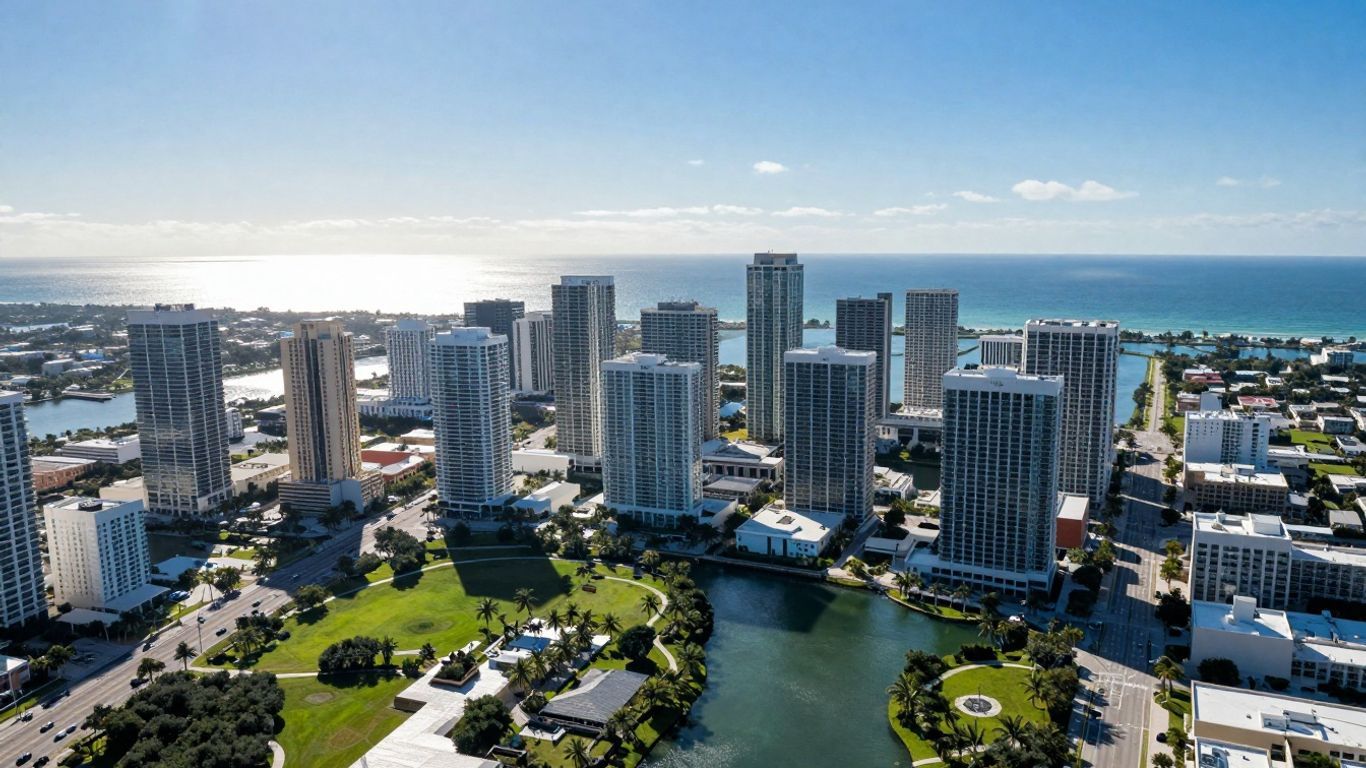
Florida, you see, isn't solely about its celebrated beaches and expansive theme parks, though it certainly offers an abundance of both. The state is, in fact, punctuated by an array of major cities, each possessing its own distinctive ambiance and a wealth of attractions. Consider Jacksonville in the northern reaches—a sprawling urban center bisected by a significant river and boasting close proximity to the Atlantic coast. Then there’s Miami, a city that virtually stands as a global capital for vibrant culture and dynamic nightlife. Orlando, of course, is world-renowned for its entertainment offerings, drawing visitors from every corner of the globe. And on the west coast, Tampa presents a compelling blend of commercial enterprise and artistic pursuits. These aren't merely places to transit through; they are destinations brimming with their own unique narratives and opportunities for exploration.
- Jacksonville: As Florida's most populous city, it anchors the northeast. It benefits from the majestic St. Johns River flowing through its heart and convenient access to the Atlantic. Here, you'll discover a burgeoning culinary scene, a revitalized downtown, and extensive natural preserves such as the Timucuan Ecological and Historic Preserve.
- Miami: Nestled in the south, this city is a dynamic melting pot of cultures. It's celebrated for its iconic Art Deco architecture, a pulsating music scene, and, notably, incredible Cuban cuisine. Its beaches are undeniably famous, yet the city offers so much more beyond the sand.
- Orlando: While globally recognized for its theme parks, Orlando also features a growing downtown district, a vibrant arts community, and is gracefully surrounded by numerous lakes. It’s a hub for amusement, but quiet, charming spots are also readily available if you know where to look.
- Tampa: Situated on the Gulf Coast, Tampa skillfully combines rich history—particularly in areas like Ybor City—with modern attractions. It boasts an excellent food scene and serves as a significant center for both business and culture.
These major cities serve as excellent starting points for any Florida excursion. They present a remarkable diversity, from the thrill of big-city excitement to convenient access to natural beauty, and are typically well-connected by extensive road networks and airports.
Uncovering Charming Small Towns and Villages
Beyond the bright lights of the major cities, Florida reveals an entirely different facet of its character—its enchanting smaller towns and villages. These locales frequently exude a more unhurried pace and boast a unique charm that simply isn't found in the bustling urban centers. Maps prove exceptionally helpful here, as they can highlight these quaint spots that might not appear on every tourist's primary radar. You might uncover a town featuring a truly old-fashioned main street, a community celebrated for its local crafts, or a serene coastal village where fishing traditions remain strong. Indeed, it's these types of places that can imbue a trip with a more personal and deeply memorable quality.
- St. Augustine: As the oldest continuously inhabited European-established settlement in the United States, it's steeped in history. Picture cobblestone streets, venerable forts, and an unmistakable Spanish colonial atmosphere.
- Mount Dora: Located in Central Florida, this town is celebrated for its picturesque downtown, eclectic antique shops, and scenic vistas of the surrounding lakes. It's a particularly popular venue for various art festivals.
- Key West: Although technically a city, it undeniably possesses a small-town charm. As the southernmost point of the continental U.S., it offers a distinctive, relaxed atmosphere, vibrant architecture, and a lively arts and music scene.
Identifying Unique Local Events and Surprises
Occasionally, the most rewarding aspect of exploring Florida is simply stumbling upon something utterly unexpected. Your city map can subtly guide you towards areas where local events might be unfolding. Perhaps there's a small town renowned for a particular festival—say, a citrus celebration in the winter or a vibrant seafood festival in the summer. Or perhaps you'll happen upon a farmers market that has thrived for generations. These community events offer a fantastic opportunity to immerse yourself in the local culture firsthand. Make sure to keep an eye out for signs or consult local listings when you're in a new area; you genuinely never know what intriguing traditions or festivities you might uncover.
- Food Festivals: Many towns proudly host events dedicated to celebrating local produce, seafood, or specific regional dishes. These are superb occasions for sampling authentic regional specialties.
- Arts and Crafts Fairs: Florida is home to a thriving community of artists, and smaller towns frequently showcase their creations in local fairs, particularly during the cooler months.
- Historical Celebrations: Towns with significant historical legacies often feature reenactments or special events to commemorate important dates or pivotal periods.
Discovering these smaller, invaluable gems often demands a bit more diligent searching than merely adhering to the main highways. A comprehensive city map, especially one that delineates smaller roads and towns, can prove to be your indispensable ally in unearthing these hidden locales and engaging local happenings.
Key Cities and Their Unique Offerings
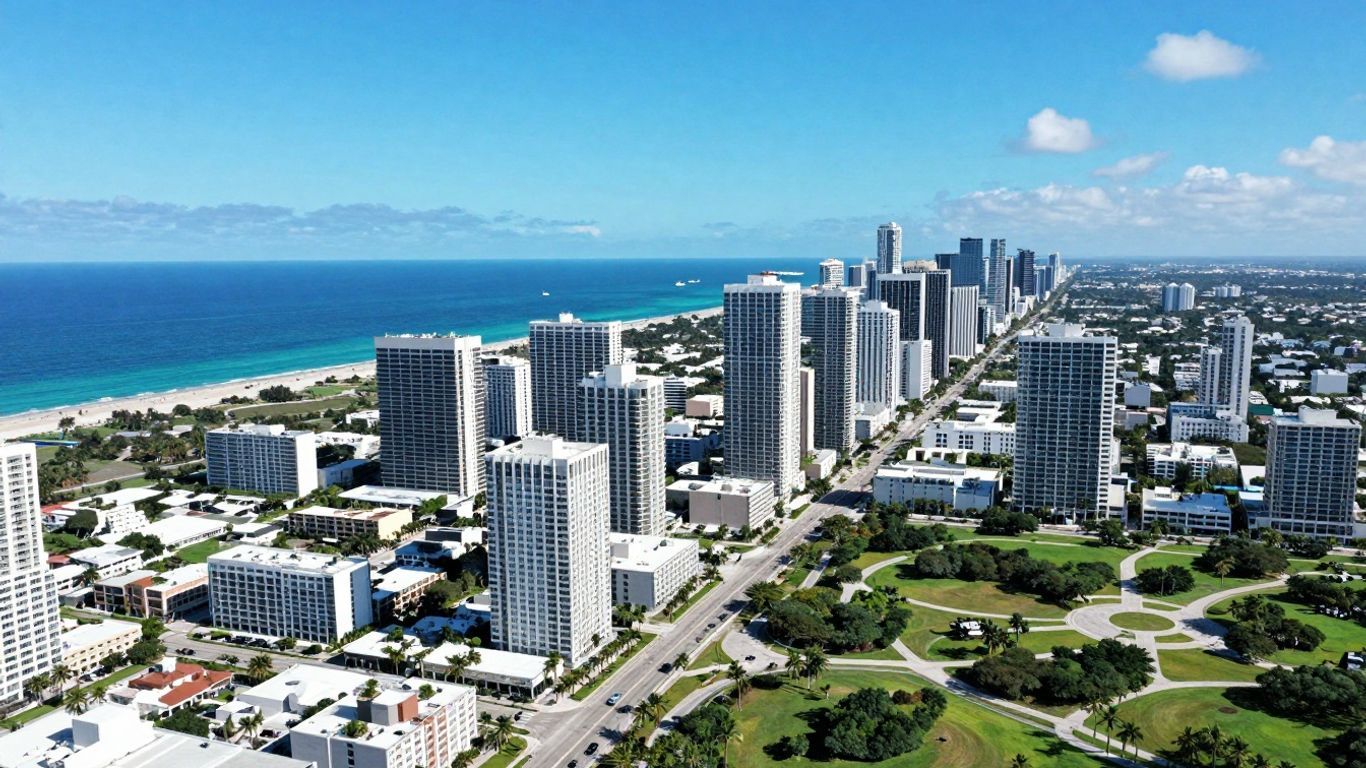
Florida is undeniably a state brimming with an extraordinary array of places to experience, and its major cities play a pivotal role in this rich tapestry. Each one possesses its own distinct personality and an offering of attractions that render it truly special. A closer look at a map of Florida's cities readily illustrates just how remarkably varied these urban centers truly are.
Jacksonville: A Gateway to the Northeast
As Florida's most populous city, Jacksonville is strategically situated in the northeastern quadrant of the state. It's a vast urban expanse, deeply connected to the mighty St. Johns River, which gracefully meanders right through its heart. Jacksonville adeptly combines the vibrancy of city life with convenient access to the Atlantic coast. Visitors will discover a burgeoning culinary landscape, a significantly revitalized downtown district, and an abundance of green spaces, including the expansive Timucuan Ecological and Historic Preserve.
- Riverfront Fun: Consider a tranquil boat excursion on the St. Johns River or simply unwind in one of the inviting parks gracing its banks.
- Beach Access: Jacksonville Beach, Atlantic Beach, and Neptune Beach are all conveniently nearby, offering that quintessential Florida beach experience.
- Arts and Culture: Immerse yourself in the collections at the Cummer Museum of Art & Gardens or catch a captivating performance at the historic Florida Theatre.
Miami: A Vibrant Cultural Metropolis
Further south, Miami pulses with an unmistakable energy. It's justly celebrated for its breathtaking beaches and a rich cultural tapestry woven from diverse influences, particularly those from Latin America and the Caribbean. This confluence means you'll encounter spirited music, intriguing art installations, and undeniably fantastic food. From the distinctive Art Deco structures adorning South Beach to the lively thoroughfares of Little Havana, Miami truly feels alive. It's a place where international flair seamlessly meets a captivating tropical setting.
Miami genuinely stands as a city that offers something engaging around the clock, boasting exceptional dining venues, exhilarating nightlife, and historic districts that eloquently narrate its remarkable evolution.
Orlando: The Entertainment Capital
Orlando enjoys global renown as the preeminent destination for theme parks, drawing millions of visitors annually. Yet, this dynamic city offers far more than just thrilling rides and beloved characters. If one ventures beyond the perimeter of the major parks, intriguing neighborhoods such as Thornton Park and Mills 50 await discovery, celebrated for their independent shops, artisan craft breweries, and burgeoning art scenes. Lake Eola Park provides a serene oasis right within the city, ideal for a leisurely stroll or enjoying a meal from a local food truck. Orlando masterfully balances its colossal entertainment attractions with a steadily flourishing local culture.
Tampa: A Hub of Culture and Commerce
The Tampa Bay area, an expansive region encompassing Tampa, St. Petersburg, and Clearwater, presents a delightful fusion of coastal living and diverse cultural activities. Tampa itself boasts a bustling downtown and the historically rich Ybor City, which proudly preserves its Cuban heritage. St. Petersburg is widely recognized for its thriving art scene—most notably the Salvador Dalí Museum—and its inviting waterfront parks. Clearwater, meanwhile, is famed for its exquisite beaches and abundant opportunities for marine life observation.
| City | Key Attractions |
|---|---|
| Tampa | Ybor City, Florida Aquarium, Busch Gardens |
| St. Petersburg | The Dalí Museum, St. Pete Pier, Tropicana Field |
| Clearwater | Clearwater Beach, Marine Aquarium, Caladesi Island |
Navigating Beyond the Major Destinations
Florida’s expansive map is adorned with more than just its universally acclaimed cities. Sometimes, the true enchantment unfolds when one chooses to venture off the primary roadways. These less-traveled paths can lead to genuinely extraordinary places that might otherwise remain unseen. Indeed, it’s often about discovering those distinctive spots that truly personalize your journey.
Identifying Scenic Byways and Routes
Florida is home to some truly picturesque roads that, while not always the swiftest route to a destination, are undeniably beautiful. Imagine routes that meander through fragrant citrus groves, trace quiet coastlines, or pass by historic farmlands. These designated byways are perfect for a leisurely drive, allowing you to actually absorb the scenery rather than just observing the rear of the vehicle ahead. Look for indicators of these scenic routes on your map; they’re often marked with a specialized symbol.
Discovering State Parks and Natural Areas
Many of Florida’s most exquisite natural treasures are subtly tucked away, often accessible via smaller, less-trafficked roads. Maps prove invaluable in helping you identify these verdant expanses, which are frequently labeled as state parks, forests, or preserves. These are magnificent locations to stretch your legs, savor a picnic lunch, or simply immerse yourself in the profound natural beauty. You might find yourself beside a tranquil spring, a prime bird-watching locale, or a trail perfectly suited for a brief hike.
Exploring Quaint Towns Off the Beaten Path
Beyond the vibrant major cities, Florida harbors an abundance of charming small towns, each possessing its own distinct character. Your map might represent these as mere small dots, but do not let their size mislead you. These towns frequently boast inviting downtown areas with unique boutiques, local diners serving up regional delicacies, and a notably more relaxed pace of life. Stopping in one of these communities can easily become a highlight of your trip, offering an authentic glimpse into everyday Floridian existence.
Occasionally, the most delightful discoveries happen quite unexpectedly. A simple sign for a local festival or a humble roadside stand offering fresh fruit can transform into a truly memorable segment of your journey. Do not hesitate to take a detour if something genuinely captures your interest.
Here’s a straightforward approach to uncovering these hidden gems:
- Look for smaller place names: Towns not prominently highlighted in large print often exude local charm.
- Check the legend: Symbols can expertly guide you to parks, historical markers, or specific points of interest.
- Consider routes that aren't interstates: US highways and state roads frequently traverse more engaging and scenic regions.
- Don't ignore local signage: Roadside signs can alert you to attractions that may not always appear on digital maps.
Leveraging Florida Maps of Cities for Trip Planning
Utilizing a comprehensive map of Florida's cities is akin to possessing a strategic advantage when orchestrating your trip. It empowers you to visualize the grand scope and meticulously plan your journey from one point to another without any unnecessary delays. Think of it as your personalized navigational blueprint, meticulously designed to help you extract the utmost from your Florida adventure.
Visualizing Connectivity and Estimating Travel Times
When you truly immerse yourself in a map, the interconnections between different cities become remarkably apparent. This clarity is extraordinarily beneficial for accurately estimating the actual driving duration between various locations. After all, you certainly wouldn't wish to construct an itinerary that condemns you to an entire day cooped up in the car, would you? A well-detailed map effectively illustrates the primary highways, such as I-75 or I-95, which are optimal for traversing significant distances with speed. It also highlights smaller state roads that, while potentially taking longer, often present a far more scenic alternative. By scrutinizing these connections, you can gain a much clearer understanding of travel times, thereby circumventing unwelcome surprises.
Planning Efficient Routes to Minimize Backtracking
No one relishes the thought of superfluous back-and-forth driving. A map empowers you to devise a route that is geographically logical and efficient. You can effectively group your desired destinations, ensuring you avoid zigzagging haphazardly across the state. For instance, if you intend to visit both Jacksonville and St. Augustine, it makes eminent sense to combine them on the same day or on consecutive days, given their relative proximity. Planning in this manner conserves fuel and, perhaps even more crucially, your invaluable vacation time.
Here's a straightforward methodology for planning your route:
- Prioritize: Determine which locations are non-negotiable must-sees for your specific trip.
- Sequence: Arrange your essential stops in a logical progression that actively minimizes overall travel distance.
- Buffer: Intentionally allocate some additional time within your schedule to accommodate unforeseen stops or potential delays.
Incorporating Flexibility for Spontaneous Discoveries
While meticulous planning is undoubtedly important, it's equally prudent to preserve some margin for the unexpected. Sometimes, the most cherished moments of a trip arise from places you encounter entirely by chance. Perhaps you spot a sign for an intriguing local festival or a charming roadside diner. A map can subtly guide you towards smaller towns or picturesque routes that might lead to precisely these kinds of serendipitous discoveries. Therefore, do not be apprehensive about diverging from your initial plan if something genuinely captivating catches your attention. That, quite often, is where the genuine magic of travel truly manifests.
Maps are far more than mere lines on paper; they serve as compelling invitations to explore. They delineate the familiar paths but also subtly hint at the myriad possibilities awaiting just off the main thoroughfare. Embrace your well-laid plans, but remain ever ready to meander a little. You truly never know what hidden gems you might unearth when you allow for a touch of spontaneity.
The Panhandle's Coastal Charms and Beyond
Exploring Pensacola and Destin's Beaches
Florida’s Panhandle represents a distinct stretch of coastline that genuinely feels quite different from the rest of the state. Imagine sugar-white sands meeting waters so exceptionally clear and blue they might evoke memories of the Caribbean. Pensacola, with its historic naval aviation base, offers much more than just beautiful beaches; here, you can explore ancient forts before unwinding by the shore. Destin, conversely, is celebrated for its world-class fishing and its stunning emerald-hued waters. It’s a locale where you can effortlessly spend your morning delving into local history and your afternoon basking in the sun on a truly magnificent, world-class beach. The overall ambiance here is undoubtedly more relaxed than in the bustling southern regions of Florida.
Discovering Historic Downtowns and Culinary Scenes
Beyond the immediate shoreline, the Panhandle's towns possess a unique charm all their own. Many feature quaint, historic downtown areas characterized by venerable buildings and a welcoming, distinctly Southern feel. You'll uncover an assortment of local shops and eateries that proudly serve up regional favorites. The culinary landscape here is steadily evolving, with chefs thoughtfully incorporating fresh, innovative twists on classic Southern cooking and, naturally, an abundance of fresh seafood. It's an ideal setting to wander aimlessly, grab a delicious bite, and simply savor the slower pace of life. You might just stumble upon a charming small cafe or a distinctive boutique that becomes an unexpected highlight of your journey.
Experiencing a Relaxed Coastal Pace
What truly distinguishes the Panhandle is its pervasive atmosphere. It’s a region where genuine unwinding is not just possible, but actively encouraged. The pace of life is perceptibly slower, and people tend to exude a more relaxed demeanor. This makes it an absolutely ideal destination if you're seeking to escape the incessant hustle and bustle. You can comfortably spend your days exploring tranquil beaches, indulging in freshly caught seafood, and immersing yourself in the local culture without ever feeling rushed. It's all about embracing the simpler pleasures and the inherent natural beauty of the coast.
The Panhandle offers a compelling blend of natural splendor and genuine Southern hospitality, rendering it a truly distinctive destination within Florida. Its unhurried pace and inviting atmosphere warmly encourage visitors to relax and genuinely immerse themselves in the local culture and pristine coastal environment.
Your Florida Adventure Awaits
So, we've explored just how a well-utilized map of Florida's cities can truly unlock a myriad of experiences throughout this remarkable state. From the expansive, energetic hubs like Miami and Orlando to those charming, lesser-known towns you might not have yet discovered, Florida undeniably offers a rich tapestry of sights and sounds. There's no compulsion to cram every single attraction into your itinerary, however. Often, the most cherished moments of a trip are those spontaneous detours—perhaps stumbling upon an exceptional local diner or finding a serene spot by the water. Therefore, arm yourself with your map, select a few destinations that pique your interest, and simply allow your journey to unfold naturally. You might just unearth your new favorite Florida gem precisely when you least expect it.
Frequently Asked Questions
What are the biggest cities in Florida that most people visit?
Some of Florida's most sought-after cities, which consistently attract a substantial number of visitors, include Miami, Orlando, Tampa, and Jacksonville. Each of these vibrant locales possesses its own unique character and a plethora of engaging activities and attractions to explore.
Are there any neat small towns in Florida worth checking out?
Absolutely! Florida is home to numerous delightful small towns, such as Mount Dora, Sebring, and Arcadia, all of which are truly worth your time. These communities typically offer a more relaxed lifestyle, genuinely friendly residents, and unique local events that you won't encounter everywhere else.
How can I use a map to plan my trip to Florida?
A well-detailed map is an incredibly valuable asset for visualizing the precise locations of cities, towns, and attractions. You can strategically employ it to chart the most efficient routes, pinpoint intriguing stopping points along your journey, and uncover those captivating spots that many travelers tend to overlook.
What outdoor activities can I do in Florida's cities?
You'll find a wide array of enjoyable outdoor activities available within Florida's cities! Many boast scenic paths ideal for walking or cycling, opportunities for kayaking or paddleboarding, and you might even be fortunate enough to spot dolphins or various bird species within urban parks.
What are some important places in Florida for culture or history?
To truly immerse yourself in Florida's rich culture and history, consider visiting St. Augustine with its ancient architecture, Miami Beach renowned for its iconic Art Deco style, and Tampa for its exceptional museums. These destinations collectively offer significant insights into Florida's fascinating past.
What's the best way to find local food and events when I'm traveling in Florida?
To savor authentic Floridian cuisine and soak in the local atmosphere, we recommend exploring farmers markets, embarking on a dedicated food tour, or attending local festivals. These avenues provide wonderful opportunities to sample regional dishes and connect with the community.


