
resources
Explore Italy: Your Interactive Cities Map Guide
17 Nov 2025

Considering a trip to Italy can often feel like quite an undertaking, can't it? With such an abundance of incredible places to explore, navigating your options is crucial. This guide aims to streamline your planning process, utilizing a practical cities Italy map to visually pinpoint key locations. We'll delve into both the iconic must-see destinations and a selection of enchanting hidden gems, ensuring your Italian adventure becomes a truly memorable experience. Let's embark on charting your perfect Italian itinerary.
Key Takeaways
- Employ a detailed cities Italy map to gain a clear understanding of major destination placements and their geographical relationships.
- Iconic urban centers such as Rome, Florence, and Venice maintain their popularity for compelling reasons, offering profound historical and cultural immersion.
- Italy's remarkable regional diversity guarantees distinct culinary traditions, dialects, and experiences, imbuing each area with a unique charm.
- Trains present a highly convenient and efficient mode of intercity travel throughout Italy, frequently delivering passengers directly into the heart of historic centers.
- Remember to venture into smaller towns and rural landscapes for a more authentic Italian experience, complete with delectable local cuisine.
Navigating Italy's Cities: An Interactive Map Guide
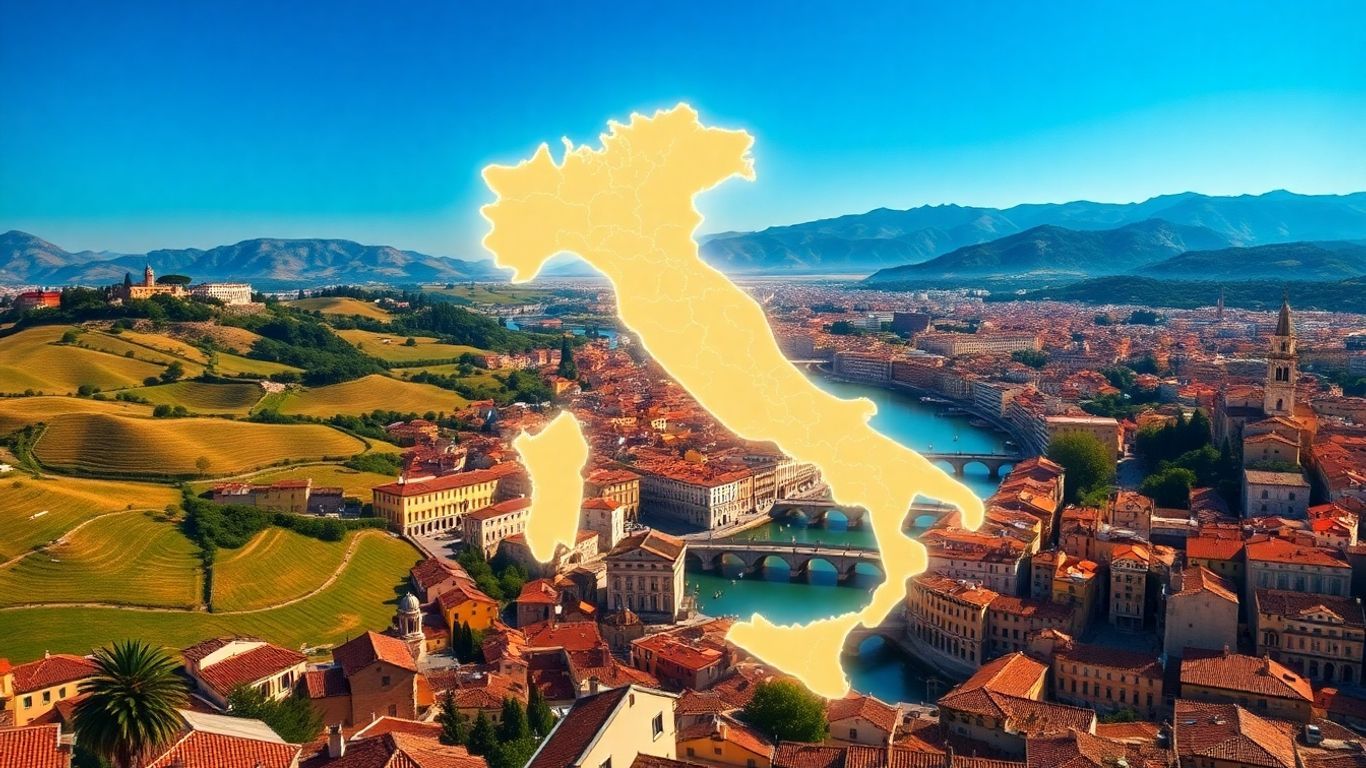
Planning an Italian sojourn can indeed feel like orchestrating a grand treasure hunt across a country simply overflowing with history, vibrant culture, and unparalleled gastronomy. Given the sheer multitude of captivating places to discover, acquiring an effective map is undeniably your pivotal first step. This guide leverages an interactive map to provide an intuitive understanding of Italy's layout, spanning from its bustling metropolises to its quainter, charming small towns. Grasping Italy's geographical arrangement is absolutely fundamental to crafting your ideal itinerary.
Understanding the Italian Cities Map
Italy, in essence, is a nation composed of distinct regions, each boasting its own unique character, celebrated cuisine, and even subtle dialectal variations. It's often more helpful to conceptualize it not as a single homogenous country, but rather as a mosaic of unique territories. Our interactive map assists you in visualizing these diverse regions and the cities nestled within them. You'll observe the strategic positioning of major urban hubs like Rome, Florence, and Venice, and how they relate to the numerous smaller towns and picturesque rural areas. This visual aid serves as your initial reference point for estimating travel durations and devising logical routes. It's truly an invaluable resource for familiarizing yourself with the geography before you finalize any bookings. You can also utilize this practical tool to organize your entire Italian trip with a dedicated vacation planner that meticulously stores your chosen destinations, reservations, and daily schedules, all accessible on both web and mobile devices. To start plan your trip now.
Key Cities for Your Italian Itinerary
When thoughts turn to Italy, a handful of iconic cities almost invariably spring to mind. Rome, with its ancient ruins dramatically juxtaposed against vibrant modern life; Florence, famously the cradle of the Renaissance; and Venice, that peerless city afloat on water, typically top most travelers' lists. Naples, serving as the dynamic gateway to southern Italy, offers a distinctively different—and arguably more intense—cultural immersion. These cities are excellently interconnected and present an astonishing array of attractions. However, it's worth remembering that Italy encompasses so much more than just these celebrated locations. Our map judiciously highlights these primary hubs, while also subtly directing your attention towards other equally intriguing spots.
Regional Diversity on the Map
Italy is elegantly segmented into 20 distinct regions, and each one consistently offers something truly special. The map clearly delineates these divisions, providing you with an inherent sense of the country's varied topographies and rich cultural enclaves. For instance, the northern regions are characterized by the majestic Alps and stunning lakes, while the south proudly showcases breathtaking coastlines and ancient historical sites. Journeying between these regions frequently entails a discernible shift in culinary traditions, architectural styles, and local customs. This incredible diversity is precisely what renders Italy so endlessly captivating—it's akin to experiencing multiple countries within the span of a single trip.
The sheer variety across Italy means that what you experience in Sicily will be vastly different from what you find in the Dolomites. Embracing this regional difference is what makes a trip truly memorable.
Exploring Major Italian Destinations
Italy is positively brimming with cities that consistently draw visitors from across the globe, each possessing its own unique character and profound history. When meticulously planning your excursion, concentrating on a select few key locations can render your journey far more manageable and ultimately, more gratifying. While our interactive map adeptly illustrates how these major destinations interlink, let's take a more in-depth look at some of the most frequently visited ones, while considering what compliments these visits such as the residence in Italia.
Rome: The Eternal City
Rome is, without a doubt, an absolutely essential stop. It's a city where millennia of ancient history seamlessly converge with the pulse of modern life at virtually every turn. You could easily devote days to wandering amidst breathtaking ruins such as the Colosseum and the Roman Forum, only to round a corner and discover yourself in a bustling piazza adorned with a magnificent Baroque fountain. Vatican City, home to the awe-inspiring St. Peter's Basilica and the expansive Vatican Museums, stands as another paramount attraction, preserving an unparalleled collection of art and possessing immense religious significance.
- Must-see historical sites: The iconic Colosseum, the venerable Roman Forum, and the remarkably preserved Pantheon.
- Art and culture hubs: The world-renowned Vatican Museums and the exquisite Borghese Gallery.
- Iconic landmarks: The magnificent Trevi Fountain and the elegant Spanish Steps.
Rome offers a layered experience; the more you explore, the more you uncover. It's a place that truly lives up to its 'Eternal City' nickname.
Florence: Cradle of the Renaissance
For aficionados of art and history, Florence is nothing short of paradise. This illustrious city in Tuscany is precisely where the Renaissance truly flourished, and its very streets function as a sprawling open-air museum. The Uffizi Gallery and the Accademia Gallery—which famously houses Michelangelo's David—are institutions of global renown. And do make sure to ascend to the summit of Brunelleschi's Dome atop the Duomo for truly breathtaking panoramic vistas of the city and the rolling Tuscan hills beyond.
- Artistic treasures: The unparalleled Uffizi Gallery and the distinguished Accademia Gallery.
- Architectural marvels: The grand Florence Cathedral (Duomo) and the historic Ponte Vecchio.
- Panoramic views: The scenic Piazzale Michelangelo.
Venice: The Floating City
Venice stands apart as a destination unlike any other on Earth. Constructed upon a lagoon, its intricate network of canals serves as its primary thoroughfares, with traditional gondolas acting as the quintessential mode of transport. The very act of losing oneself within its labyrinthine narrow alleyways and traversing its countless graceful bridges constitutes an integral part of its unique allure. St. Mark's Square, dominated by its majestic basilica and the imposing Doge's Palace, forms the vibrant heart of the city; however, venturing into the quieter canals and exploring smaller, enchanting islands like Murano and Burano invariably offers a fresh and compelling perspective.
- Key attractions: St. Mark's Square, the impressive Doge's Palace, and the iconic Rialto Bridge.
- Unique experiences: An unforgettable gondola ride and the sheer joy of exploring the intricate canals.
- Island excursions: Visits to Murano (renowned for glassmaking) and Burano (famed for its vibrantly colored houses).
Naples: Gateway to Southern Italy
Naples is a wonderfully vibrant and energetic city, serving as the ideal entry point to the captivating landscapes of southern Italy. It's celebrated globally as the birthplace of pizza, and here you can savor the unparalleled taste of authentic Neapolitan pizza. The city also acts as a superb base for venturing out to explore nearby historical marvels like Pompeii and Herculaneum, alongside the breathtaking Amalfi Coast and the idyllic island of Capri. Naples itself is steeped in a rich history, which is profoundly evident in its ancient city center and its numerous historic churches.
- Culinary highlight: Indulging in truly authentic Neapolitan pizza.
- Historical significance: Discovering the National Archaeological Museum and exploring Naples Underground.
- Day trip potential: Excursions to Pompeii, Mount Vesuvius, and the stunning Amalfi Coast.
These four cities, though magnificent, truly represent just a mere starting point for uncovering Italy's extraordinary diversity. Each offers a distinctive window into the nation's storied past, vibrant present, and promising future.
Beyond the Tourist Trail: Discovering Italy's Charm
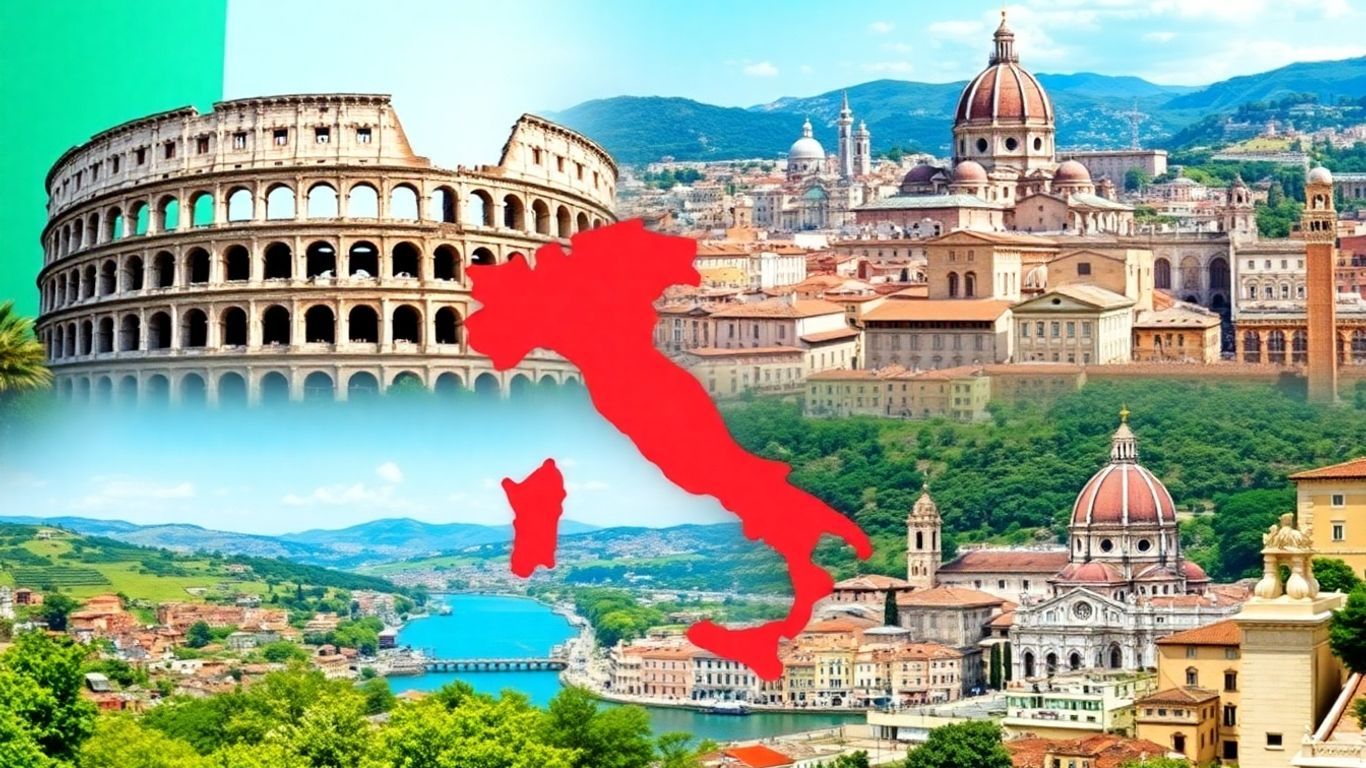
While Italy's famous cities understandably garner significant attention, the country truly has so much more to unveil if one is willing to look a little deeper. Imagine picturesque villages gracefully tucked away in rolling hills, rugged coastlines adorned with vibrantly colored houses, and ancient sites that quietly echo stories from millennia past. These lesser-known locales frequently provide a far more authentic and intimate glimpse into genuine Italian life and culture.
The Enchanting Cinque Terre Villages
These five distinctive villages—Monterosso al Mare, Vernazza, Corniglia, Manarola, and Riomaggiore—clinging dramatically to the Ligurian coastline, are a sight to behold. Interconnected by scenic hiking trails, convenient trains, and charming ferries, they offer spectacular sea views and an atmosphere that's simply unparalleled. Each village possesses its own unique personality, from Monterosso's inviting beaches to Vernazza's postcard-perfect harbor. Exploring these villages feels genuinely like stepping back in time.
Exploring Rural Italy and Its Villages
Italy's expansive countryside is lovingly dotted with countless small towns and villages, each preserving its own distinct traditions and celebrating unique local flavors. Regions such as Tuscany, Umbria, and Puglia are widely celebrated for their picturesque landscapes and rich agricultural heritage. Here, you'll discover truly incredible food crafted from the freshest, locally sourced ingredients, all while experiencing a wonderfully slower, more contemplative pace of life. For an even less crowded, perhaps more profoundly genuine experience, consider venturing into regions like Le Marche or Abruzzo.
- Agriturismo Stays: Many rural areas proudly offer farm stays, known as agriturismo, where you can immerse yourself in country living and savor delightful home-cooked meals.
- Local Markets: Visiting the vibrant weekly markets provides an excellent opportunity to observe local produce and engage authentically with residents.
- Artisan Workshops: Seek out small workshops where traditional crafts continue to flourish, encompassing everything from intricate ceramics to exquisite leather goods.
UNESCO World Heritage Sites on the Map
Italy proudly boasts more UNESCO World Heritage Sites than almost any other nation globally—a testament to its profound historical and cultural richness. Beyond the major urban centers, a significant number of these sites are conveniently situated in areas less frequented by typical tourists. Their diversity is remarkable, ranging from ancient ruins and meticulously preserved historical city centers to natural landscapes of truly exceptional beauty.
Italy's unwavering commitment to preserving its cultural and natural heritage means that many of these sites offer a unique window into the country's long history and diverse environments, often in stunning, less-traveled locations.
Below are a few compelling examples of UNESCO sites that purposefully lie off the well-trodden tourist path:
- Valcamonica Rock Drawings: Located in Lombardy, these prehistoric petroglyphs provide a truly fascinating glimpse into ancient human life and artistry.
- Cilento and Vallo di Diano National Park: In Campania, this expansive park encompasses ancient Greek ruins and boasts breathtaking coastal scenery, much of which remains admirably protected from overdevelopment.
- Matera: Famed for its ancient cave dwellings, known as Sassi, Matera in Basilicata offers an utterly unique and profoundly historical experience.
Transportation and Connectivity Across Italy
Navigating Italy is, for many, an integral part of the adventure itself, and fortunately, the country offers a robust array of options to connect its charming cities and picturesque landscapes. The extensive national rail network often emerges as the most efficient and indeed, enjoyable, method of traveling between major urban centers.
Navigating by Rail: City to City
Italy's train system is truly a superb way to experience the country. High-speed trains, such as those in the Frecce series, seamlessly link major cities like Rome, Florence, and Naples at impressive velocities, frequently exceeding 150 km/h. This means you can traverse between cities more swiftly than by driving, all while circumventing the frustrations of traffic and toll charges. Crucially, trains typically deliver you directly into the city center—which, as you'd expect, is usually where you'll find the historic heart of your destination. For shorter journeys and travel to smaller towns, regional trains remain a dependable and cost-effective option. Generally, you can simply arrive at the station, consult the departures board for your 'binario' (track), and board your train with minimal fuss. It undeniably offers a far more relaxed and scenic experience than air travel.
- High-Speed Trains (Frecce): The optimal choice for swift intercity travel between significant hubs such as Rome, Milan, Florence, and Naples.
- Intercity Trains: Connect a broader range of larger cities and some smaller towns, providing a balanced blend of speed and comprehensive coverage.
- Regional Trains (Regionale): Primarily serve smaller towns and local routes, offering invaluable access to Italy's less-visited, authentic areas.
Understanding Italy's Road Network
While the trains are certainly exceptional, Italy also boasts a well-developed road network, including the efficient 'autostrade' (toll highways). These thoroughfares are generally well-maintained and can prove an excellent choice if you appreciate the flexibility of driving or wish to explore Italy's enchanting rural areas at your own pace. Many prospective travelers express apprehension about driving in Italy, but rest assured, the road system accommodates various driving styles, and ample resources are available to help you understand local rules and expectations should you choose to rent a car. The Milan Metro, for example, stands as Italy's most extensive metro system and is a cornerstone of urban transit within that bustling northern region.
Driving in Italy offers a distinct perspective on the landscape, providing the freedom for spontaneous stops in quaint villages or at breathtaking scenic viewpoints not readily accessible by train. Just ensure you're familiar with local driving customs and road signs.
Ferry Travel for Island Exploration
For those eager to discover Italy's magnificent islands, such as Sicily and Sardinia, or its captivating coastal regions like the famed Amalfi Coast, ferry travel presents a popular and inherently scenic alternative. Daily ferry services operate from key mainland ports, notably Naples, connecting to a variety of island destinations and charming coastal towns. It's an economically sensible and thoroughly enjoyable method to experience Italy's maritime heritage and reach stunning island getaways, all while soaking in the beautiful sea vistas.
- Island Hopping: Facilitates connections to Sicily, Sardinia, and various smaller archipelagos.
- Coastal Routes: Allows for travel along picturesque coastlines, exemplified by the popular journey from Naples to Sorrento.
- Scenic Views: Provides abundant opportunities to savor beautiful sea panoramas and approach islands from a truly unique vantage point on the water.
Planning Your Italian Adventure
Utilizing the Interactive Cities Italy Map
Initially, comprehending Italy's distinct geography, with its iconic boot shape and numerous islands, can feel a bit like solving a complex puzzle. That's precisely where our intuitive interactive map proves incredibly useful. It's meticulously designed to furnish you with a crystal-clear visual of every location, from Rome's bustling thoroughfares to the serene charm of smaller, quieter towns. Consider it your crucial first step in conceptualizing your entire trip. You'll gain an immediate understanding of how cities relate to one another, which is immensely helpful when you're calculating travel times and devising efficient routes. This map is truly your visual foundation for constructing a practical and realistic itinerary. It meticulously displays the principal cities and even some of the more sought-after rural locations, providing you with a tangible sense of scale and distance. For instance, seeing Rome, Florence, and Venice logically laid out aids in determining whether a swift visit to all three within a limited timeframe is genuinely feasible. Furthermore, it allows you to identify unexpected connections between places you might not have initially considered, such as Naples' close proximity to the breathtaking Amalfi Coast. Ultimately, it's all about making the vastness of Italy feel considerably more manageable and approachable.
Best Times to Visit Italian Cities
The timing of your visit can profoundly influence your overall experience. Italy, blessed with distinct seasons, ensures that each period offers something uniquely appealing.
- Spring (April-May): This period represents a truly sweet spot. The weather is generally delightful—pleasantly warm but not excessively hot—and the major summer crowds have yet to descend. Flowers are in full bloom, making it ideal for leisurely city strolls and exploring outdoor historical sites.
- Summer (June-August): Expect consistently warm to hot temperatures, particularly in the southern regions. This is peak tourist season, meaning cities will be bustling, and prices for accommodation and flights tend to be at their highest. It's a fantastic time for beach holidays and relishing long, sunny days, but do prepare for the heat and the crowds.
- Autumn (September-October): Much like spring, autumn delivers mild, agreeable weather and noticeably fewer tourists than the summer months. The changing fall colors can be absolutely stunning, and it's an exceptional period for food and wine festivals, as the harvest season is in full swing.
- Winter (November-March): This is typically the quietest time, characterized by cooler temperatures. Major cities, however, remain lively, especially during the holiday period, and you'll benefit from lower prices and considerably smaller crowds. It's perfect if you prefer a more relaxed pace and don't mind bundling up a bit.
The shoulder seasons—specifically spring and autumn—often provide the optimal balance of favorable weather, manageable crowds, and reasonable prices for most travelers eager to explore Italy's magnificent cities.
Resources for Italian Travel Planning
Beyond the utility of our map, a wealth of resources exists to help you meticulously fine-tune your travel plans. Wondering about the ideal duration for each stop? Many popular itineraries suggest allocating at least 2 to 3 full days to major Italian cities such as Rome, Venice, and Florence to truly absorb their essence, rather than merely rushing through. You'll also need to consider your chosen modes of transportation. Italy's well-regarded train system is exceptionally efficient for intercity travel, and comprehensive rail maps and detailed transportation guides are readily available online. Should you contemplate driving, numerous resources are designed to explain Italian road rules and what to anticipate when arranging a car rental. For those seeking distinctive lodging experiences, curated lists of charming apartments and inviting vacation houses are widely accessible. And of course, never overlook the culinary aspect! Thoroughly researching regional cuisines and local flavors can introduce an entirely new dimension to your journey. Consulting guides on Italian food and dining etiquette will undoubtedly help you maximize your gastronomic adventures. Furthermore, when booking accommodations and tours, many reputable companies now offer flexible booking and straightforward cancellation policies, which can provide invaluable peace of mind during your planning phase.
The Rich Tapestry of Italian Culture and Cuisine
Italy is a place where virtually every meal transcends mere sustenance to become a cherished event, and where history is intricately woven into the very fabric of daily life. It extends far beyond simply visiting famous landmarks; it's about savoring regional specialties, comprehending local customs, and deeply appreciating the pervasive art that envelops you. The nation's diverse geography, characterized by its towering mountains and extensive coastlines, has profoundly shaped distinct culinary traditions, effectively rendering each region a unique and unforgettable gastronomic adventure.
Regional Cuisines and Local Flavors
Italy's food scene is incredibly diverse, largely due to its varied landscape and history. You won't find a single
Your Italian Adventure Awaits
So, you've meticulously explored the map and perhaps now fully appreciate the incredible variety Italy has to offer—from the vibrant, bustling cities like Rome and Florence to its charming, serene villages and breathtaking coastlines. Whether your preference is to swiftly traverse between major urban centers via the efficient train system or to uncover genuine hidden gems off the well-trodden path, this guide has, we trust, provided you with a robust starting point for orchestrating your very own unforgettable Italian journey. Always remember, Italy encompasses much more than just its iconic sights; it's a vibrant collection of diverse regions, each proudly boasting its distinct character, culinary traditions, and unique customs. Use this comprehensive map as your foundational guide, and prepare yourself to create memories that will truly last a lifetime. Buon viaggio!
Frequently Asked Questions
What are the main cities to visit in Italy?
The most perennially popular cities for travelers generally include Rome, Florence, and Venice. Naples also stands as a significant urban center, especially if you're keen to explore southern Italy. These cities are, without question, replete with extraordinary sights and profound history.
How do I get around between Italian cities?
Utilizing the train system is an exceptionally effective and pleasant way to travel between Italy's major cities. Trains are commendably fast and frequently deliver you directly into the city center, placing you conveniently close to the main attractions. While Italy also possesses a well-developed road network, driving can sometimes prove a bit more challenging or hectic, particularly in urban areas.
Is Italy very different from region to region?
Indeed, Italy exhibits an incredible degree of diversity! It is composed of 20 distinct regions, and each one proudly maintains its own unique culinary traditions, specific customs, and sometimes even localized variations in the Italian language. It truly feels akin to visiting a multitude of different countries all within the scope of a single trip.
What kind of food should I expect in Italy?
Italian food enjoys worldwide renown for excellent reasons! Each region boasts its own distinctive dishes and unique local flavors, almost always crafted using the freshest, seasonal ingredients. Lunch, traditionally known as 'pranzo,' is typically the most substantial meal of the day and can quite rightly be considered a veritable feast.
Are there beautiful places to see besides the big cities?
Absolutely! Italy is blessed with stunning natural beauty, exemplified by the picturesque Cinque Terre villages, the serene Italian lakes, and magnificent islands like Sardinia. Beyond these, you'll discover countless smaller towns and charming rural areas, each with its own special allure, and a plethora of locations recognized as UNESCO World Heritage Sites.
When is the best time to plan a trip to Italy?
The optimal time to visit Italy largely hinges on your specific preferences and planned activities. Generally, spring (from April to June) and fall (from September to October) tend to offer the most pleasant weather for sightseeing, without the overwhelming crowds typical of the peak summer season. Summer, especially in the south, can be quite hot, so plan accordingly if you visit then.


