
resources-malaysia
Exploring the Historic Church of Saint Paul in Malacca: A Journey Through Time
08 Nov 2025

A recent visit to the Church of Saint Paul in Malacca left a lasting impression. Perched atop its namesake hill, the site exudes an ancient ambiance that truly transports you to another era. It has witnessed so much—from its Portuguese origins to its Dutch modifications—and you can feel the weight of that history in its weathered stones. What’s more, the panoramic views from the summit, looking out across the city, are simply breathtaking. It's one of those special places that vividly illustrates the depth of Malacca's storied past.
Key Takeaways
- St. Paul's Church holds the distinction of being the oldest church building in Southeast Asia, with its foundations laid in 1521.
- As a historic landmark on St. Paul's Hill, it offers a fascinating glimpse into Portuguese, Dutch, and British colonial influences.
- Visitors have the opportunity to explore the evocative ruins, which include ancient tombstones and the famous statue of St. Francis Xavier.
- Its prime hilltop location provides stunning panoramic views over the entirety of Malacca City.
- A visit to the church is a complimentary activity, offering a direct and meaningful connection to the region's rich heritage.
Discovering The Church Of Saint Paul Malacca
A Glimpse Into Southeast Asia's Oldest Church
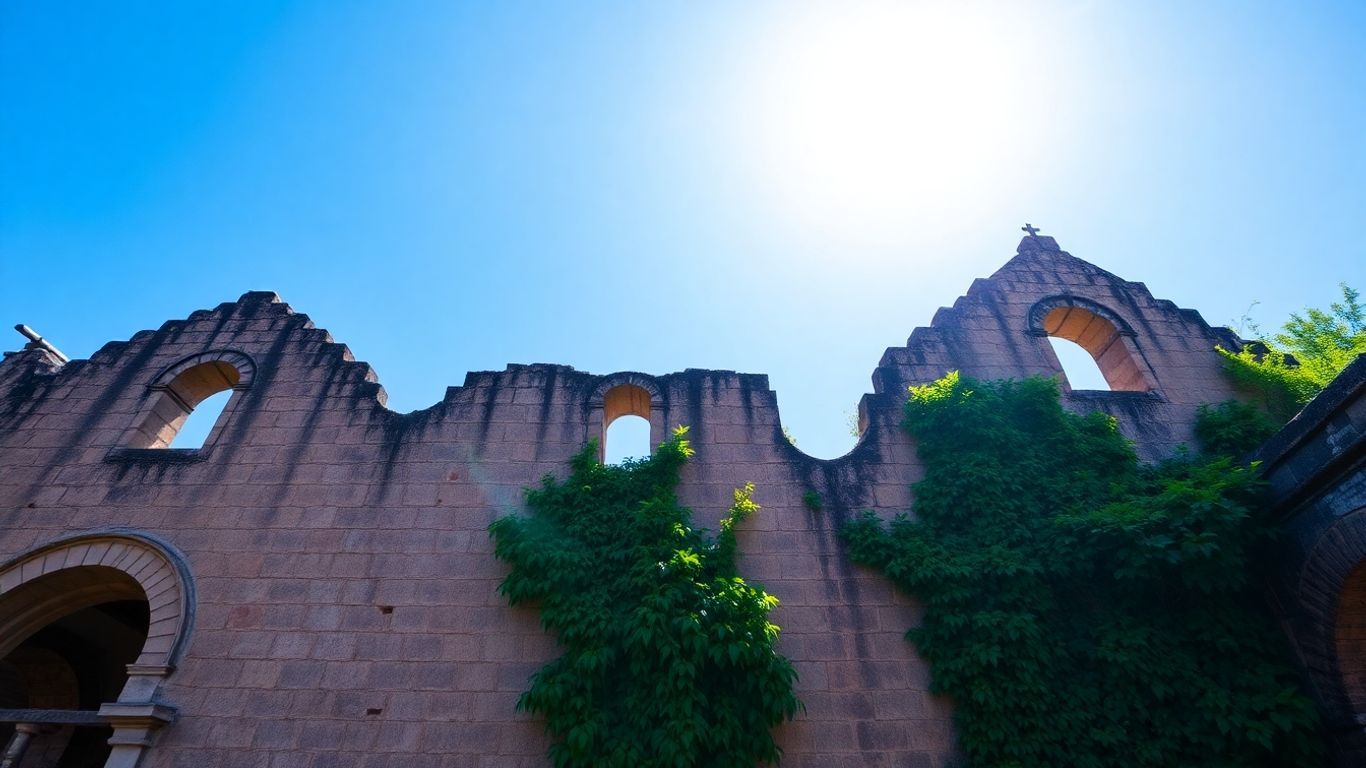
Stepping onto the grounds of St. Paul's Church in Malacca feels very much like walking through the pages of a history book. This is no ordinary structure; it is, in fact, the oldest church building in all of Southeast Asia, a silent witness to centuries of change. Originally established as a humble chapel way back in 1521, one can only imagine the stories these walls would tell if they could speak. It’s a location that truly encourages you to pause and contemplate the layers of history just beneath your feet.
The Historic Hilltop Landmark
Sitting majestically atop St. Paul's Hill, this church is far more than just a historical site—it's a landmark that naturally commands attention. Its elevated position offers a unique vantage point, not only of the surrounding cityscape but also of the ebb and flow of colonial powers that shaped this region. The ascent up the hill is an integral part of the experience, leading you to a place where the past and present gracefully converge.
A Testament To Melaka's Diverse Heritage
St. Paul's Church stands as a powerful symbol of Melaka's incredibly diverse history. It has seen the Portuguese, the Dutch, and the British all leave their indelible mark. This structure wasn't merely a place of worship; over the centuries, it served various purposes that mirrored the shifts in power and culture. It remains a physical reminder of how numerous peoples and traditions have converged here, weaving the unique tapestry that is Melaka today.
Here’s a brief overview of its historical journey:
- 1521: Construction begins as a small chapel, commissioned by Portuguese nobleman Duarte Coelho.
- Mid-16th Century: The building was expanded and became known as Igreja de Madre de Deus (Church of the Mother of God).
- 1641: Following the Dutch conquest, it was converted and consecrated for their use.
- British Era: It served various secular functions, including as a powder magazine, which contributed to its eventual deterioration.
This site stands as a quiet observer of history, a profound testament to the complex colonial past of Malacca and its enduring cultural significance.
A Journey Through The Church's Rich History
Portuguese Origins And Early Chapel
The story of St. Paul's Church begins in 1521. It was first built as a modest chapel by a Portuguese nobleman, Duarte Coelho, who commissioned its construction as an act of gratitude for surviving a perilous journey at sea. At the time, it was dedicated to the Virgin Mary and known as Nossa Senhora da Annunciada (Our Lady of the Annunciation). While a simple structure initially, it marked the very first European church to be built in what is now Malaysia.
Expansion Under The Society Of Jesus
The chapel's significance grew considerably in the mid-1500s when the Society of Jesus, more commonly known as the Jesuits, took over its administration. They undertook a major expansion, transforming it into a more substantial building. It was during this period that St. Francis Xavier, the renowned missionary, used this very church as his base. He is known to have preached here before embarking on his own missionary travels. A bell tower was added in 1590, which must have been an impressive sight. The church was then renamed Igreja de Madre de Deus, or the Church of the Mother of God.
The Dutch Era Transformation
When the Dutch captured Melaka in 1641, the church underwent another significant change. Rather than demolishing it, they repurposed the building for their own use. It was reconsecrated as a Dutch Reformed church and given its present name, St. Paul's Church, though it was also referred to as the Bovernkerk (High Church). It served as their primary place of worship for over a century, right up until they completed their new church, Christ Church Melaka, in 1753. After that, St. Paul's gradually fell into disuse as a religious site.
British Rule And Later Deterioration
Following the Dutch, the British assumed control of Melaka. Under their administration, the old church building was repurposed yet again—this time for a purely military function. For a period, it was used as a gunpowder storehouse. Storing explosives in a former house of worship must have been quite a statement. Due to this use and general neglect over the years, the structure began to decay. It was no longer maintained, and the forces of nature took their toll, leaving it in the ruined state we see today—a shadow of its former glory, but still profoundly significant.
Exploring The Ruins And Surroundings
Wandering Through Ancient Tombstones
As you ascend St. Paul's Hill, you'll find the grounds surrounding the church ruins are adorned with historic tombstones. These aren't just decorative stones; they are the final resting places for individuals who lived and died here centuries ago. Many of these grave markers date back to the 1600s, when the Dutch repurposed the area as a burial ground. It’s akin to walking through an open-air museum, where each inscription tells a silent story. While time and the tropical climate have worn many of them down, they still possess a certain gravitas. This part of your visit invites quiet reflection and offers a tangible link to the past inhabitants of Malacca. It’s wise to tread carefully, as the ground can be uneven.
The Poignant Statue Of St. Francis Xavier
Standing sentinel near the church ruins is a marble statue of St. Francis Xavier, erected in 1953 to commemorate the famous missionary's connection to the site. You will notice that it is missing its right hand, a curious detail that adds a somber feel to its presence. This very spot served as the temporary burial place for St. Francis Xavier before his remains were eventually relocated to Goa, India. The statue serves as a powerful focal point, bringing home the historical and religious significance of this historical landmark.
Ascending St. Paul's Hill For Panoramic Views
Making the climb to the summit of St. Paul's Hill is an effort that pays off handsomely. Once you arrive, the view is nothing short of spectacular. You're treated to a sweeping vista over Malacca City and out towards the Strait of Malacca. It becomes immediately clear why this strategic location was so vital historically—from here, you can survey the entire area. The climb isn't overly strenuous, but it can get quite warm, particularly midday. Planning your visit for the early morning or late afternoon is a great strategy to avoid the peak heat and the largest crowds. As a bonus, the light is much more favourable for photography then.
Here’s a quick guide to what you can expect on your way up:
- Terrain: The path consists mainly of paved walkways and some flights of stairs.
- Duration: The climb typically takes about 10-15 minutes, depending on your individual pace.
- Atmosphere: You’ll often find local musicians performing, which adds a wonderfully lively ambiance to the historic setting.
The blend of ancient ruins, weathered tombstones, and the expansive view creates a truly unique atmosphere. It's a place that encourages contemplation on the passage of time and the diverse peoples who have shaped Malacca.
The Cultural And Architectural Significance
A Symbol Of Shifting Colonial Powers
This venerable church is more than just stone and mortar; it’s a living chronicle written in architecture. It began its life as a Portuguese Catholic chapel in 1521. Then, following the Dutch conquest in 1641, it was transformed into a Dutch Reformed church. Later still, under British rule, it was pragmatically repurposed as a gunpowder magazine. Each of these transformations tells a compelling story about who was in power and what their priorities were at the time. It vividly illustrates Malacca's role as a historical crossroads for competing empires.
Architectural Evolution Over Centuries
As you wander through the ruins, you can identify elements from different historical periods. While the original Portuguese design is now difficult to discern, the impact of Dutch renovations is still evident. The sheer scale of the remaining walls and their construction methods speak volumes about the craftsmanship of the era. Even in its current state of ruin, the structure hints at a much grander past, with visible remnants of carvings and the foundational layout of the nave and altar.
The Church As A Burial Ground
For a significant period, St. Paul's Church also served as the final resting place for many notable figures. The tombstones that dot the grounds, some dating back to the 1600s, are a solemn reminder of this history. Many of these graves belong to individuals who passed away at a young age, often before reaching their thirties. It's a poignant aspect of the site's story, connecting us directly to the lives and hardships of those who lived here centuries ago.
- Portuguese Era: Marked by its initial construction and use as a Catholic chapel.
- Dutch Era: Characterised by its conversion to a Protestant church and significant structural modifications.
- Later Periods: Saw its use as a powder magazine, which ultimately led to its decline into disrepair.
The layers of history here are truly remarkable. You can almost feel the echoes of different languages, prayers, and rulers just by standing within this space. It's a place that provokes thought on the passage of time and the rise and fall of great powers.
Planning Your Visit To The Church Of Saint Paul Malacca
Best Times To Ascend St. Paul's Hill
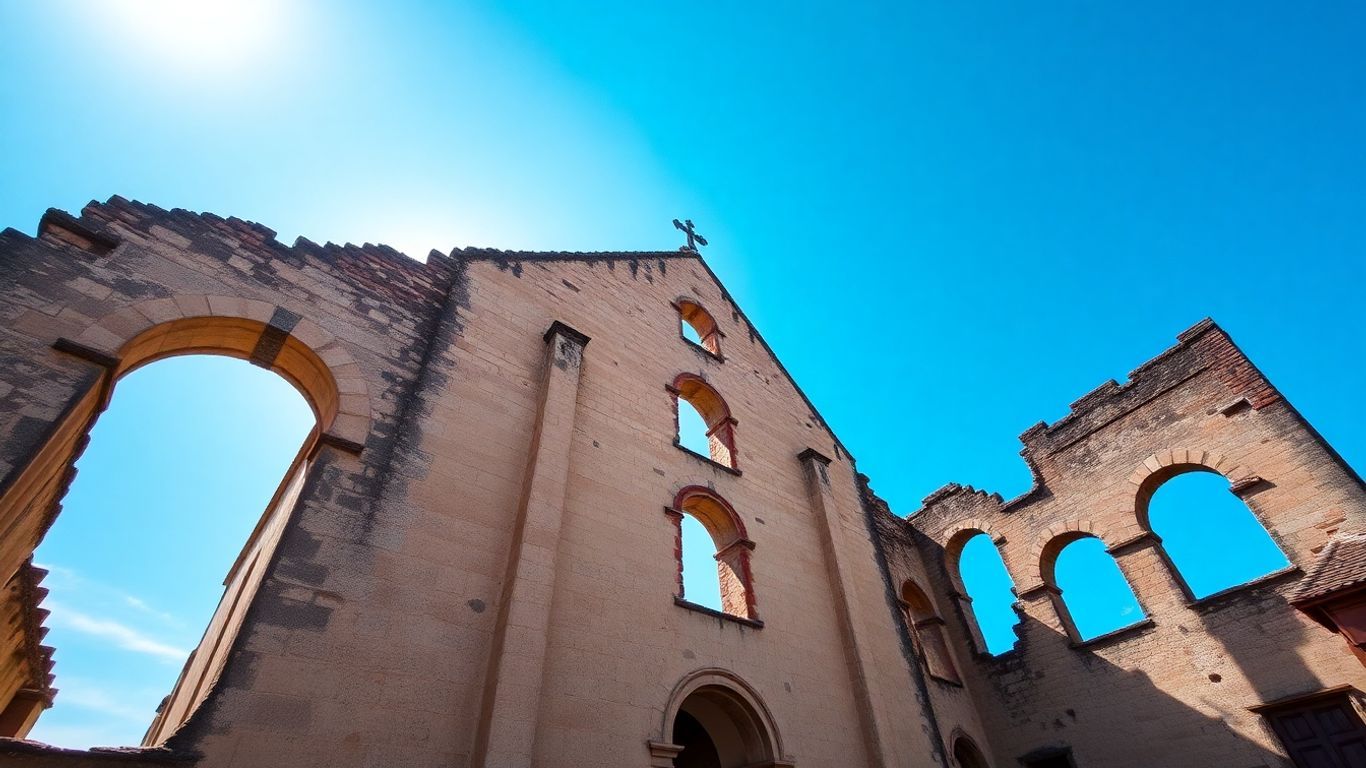
Wondering about the best time to make your way up St. Paul's Hill? The timing of your visit can genuinely shape your entire experience. The early morning or late afternoon hours are undoubtedly your best options. The midday Malaccan heat can be quite intense, and climbing the steps during that time can feel more like a strenuous workout than a pleasant stroll. Moreover, the light during these cooler periods is much softer, casting a beautiful glow on the ancient stones and enhancing the site's atmospheric quality. You'll likely encounter fewer crowds, too, giving you more space to explore and absorb the history.
Essential Tips For Exploration
Before you set off, keeping a few practical tips in mind will ensure a smoother visit:
- Footwear is key: This is not the place for slippers or high heels. The path is uneven in places, and there are stairs to navigate. A pair of comfortable walking shoes or sturdy trainers is essential for exploring the ruins safely and comfortably.
- Stay hydrated: Malacca's climate is warm and humid year-round. It’s a smart move to bring a bottle of water, especially if your visit falls during the hotter part of the day. You’ll be glad you did.
- Sun protection: A hat, sunglasses, and perhaps some sunscreen can be your best friends, particularly when you’re exposed to the sun at the top of the hill.
- Allow ample time: While you could technically do a quick run-through, to truly appreciate the history, architecture, and views, it’s best to set aside at least an hour or two. There is a lot to see and contemplate here.
Accessibility And Nearby Attractions
Reaching St. Paul's Church is part of the overall adventure. The primary route involves a walk up St. Paul's Hill, which includes a bit of a climb but is generally manageable for most visitors. Due to the terrain and numerous steps, it is unfortunately not wheelchair accessible. The great news is that once you're at the top, you are perfectly situated in the heart of historical Malacca. The ruins of the A Famosa fort are just a short walk away, while the iconic red buildings of Dutch Square—including the Stadthuys and Christ Church—are located right at the bottom of the hill. It’s an ideal starting point for a wider exploration of the city's UNESCO World Heritage sites.
Visiting St. Paul's Church is about more than just seeing an old building; it's an opportunity to connect with centuries of Malaysian history. From its Portuguese genesis to its transformations under Dutch and British rule, the site tells a compelling story of shifting powers and enduring heritage. Take your time, look closely, and imagine the lives that unfolded right here.
Experiencing The Views And Atmosphere
Breathtaking Vistas Of Malacca City
The climb up St. Paul's Hill is rewarded tenfold by the incredible views from the summit. From this vantage point, you get a stunning perspective of Malacca City spread out before you. It’s the perfect spot to get your bearings and appreciate how the modern city has developed around this historic core. You can easily pick out famous landmarks like the Dutch Square and even see the Malacca Strait in the distance—a poignant reminder of the waterway's crucial role in centuries of trade.
The Atmospheric Ruins
Wandering through the roofless shell of St. Paul's Church is a truly moving experience. These are not just lifeless ruins; they possess a palpable sense of history that feels like a journey back in time. The combination of weathered walls, open sky, and the ancient tombstones scattered about creates a unique and contemplative atmosphere. It’s a peaceful, almost somber place that invites you to reflect on the generations of people who have passed through these grounds.
Vibrant Hilltop Ambiance
Despite its age and historical weight, the top of St. Paul's Hill is far from being a silent relic. It’s not uncommon to hear the sounds of local musicians playing, which adds an unexpectedly vibrant and soulful layer to the experience. This blend of the ancient and the contemporary, of quiet reflection amidst the hum of life, is what makes the atmosphere here so memorable. It’s a place where you can simply wander, absorb the scenery, and feel a deep connection to history.
Here are a few things to keep in mind to make the most of your visit:
- Wear comfortable shoes: There is a fair bit of walking and climbing involved, so practical footwear is a must.
- Stay hydrated: The Malaysian climate can be quite warm and humid. Be sure to bring water, especially for a daytime visit.
- Visit during cooler hours: For a more comfortable experience, plan your exploration for the early morning or late afternoon.
The feeling you get up here is quite special. You are standing amidst ancient church remnants and Dutch tombstones, all while overlooking a bustling modern city. It’s a place that truly makes you pause and reflect on the passage of time and the rich layers of history that define Malacca.
A Lasting Impression
And so, our exploration of St. Paul's Hill concludes. It’s quite remarkable to contemplate the sheer volume of history concentrated in this single location. From its Portuguese founders to the Dutch who repurposed it and the British who followed, this church has truly seen it all. Although it now stands in ruins, the presence of the past is palpable as you walk among its stones. And the view from the top? It’s absolutely worth the climb, even on a warm Malaccan day. This is a place that stays with you—a powerful reminder of the deep and layered history that has unfolded right here. It is, without a doubt, a must-visit for anyone in Malacca.
Frequently Asked Questions
What is the Church of Saint Paul in Malacca?
The Church of Saint Paul is a historic church ruin located at the summit of St. Paul's Hill in Malacca. It holds the distinction of being the oldest church building in Southeast Asia, originally constructed in 1521. While now roofless, it remains a profoundly important landmark that tells the story of Malacca's colonial past.
Who built the church and why?
It was first built by a Portuguese nobleman named Duarte Coelho as a small chapel. The act was one of gratitude to the Virgin Mary for his survival during a violent storm at sea. Over the centuries, it was expanded and used by different colonial powers, reflecting Malacca's changing history.
What can I see at the Church of Saint Paul today?
Today, you can explore the open-air ruins, walk among the ancient stone walls, and view the many old Dutch tombstones that lean against them. A key feature is the prominent statue of St. Francis Xavier, a famous missionary who was once temporarily interred at this site.
Is it hard to get to the top of St. Paul's Hill?
It involves a short climb up the hill via a series of steps, which can be tiring in the midday heat. It is highly recommended to wear comfortable shoes and carry some water. The church is easily accessible by foot from the main historical area of Malacca, such as the Dutch Square.
What's the best time to visit?
The most pleasant times to visit are in the early morning or late afternoon. Not only is the weather cooler, but these times are also less crowded. The soft lighting during these periods is also ideal for taking beautiful photographs of the ruins and the panoramic view.
Does it cost anything to visit?
No, admission to the Church of Saint Paul and the St. Paul's Hill area is completely free. You can freely explore the historical ruins and enjoy the magnificent views without any entrance fee, though you might want to bring some cash for drinks or souvenirs sold by nearby vendors.
Share

Peyman Khosravani
Industry Expert & Contributor
Peyman Khosravani is a global blockchain and digital transformation expert with a passion for marketing, futuristic ideas, analytics insights, startup businesses, and effective communications. He has extensive experience in blockchain and DeFi projects and is committed to using technology to bring justice and fairness to society and promote freedom. Peyman has worked with international organisations to improve digital transformation strategies and data-gathering strategies that help identify customer touchpoints and sources of data that tell the story of what is happening. With his expertise in blockchain, digital transformation, marketing, analytics insights, startup businesses, and effective communications, Peyman is dedicated to helping businesses succeed in the digital age. He believes that technology can be used as a tool for positive change in the world.


