


resources
Exploring the Innovations of smart tecs in Gate Automation
19 Dec 2025

Gate automation, it seems, has truly entered an era of sophisticated transformation. It’s no longer confined to the rudimentary act of merely opening and closing barriers. Indeed, we are witnessing the emergence of advanced technologies—often termed ‘smart tecs’—that are fundamentally reshaping the operational landscape across various sectors. Consider the sophisticated demands of factories, the complex logistics of construction sites, or even the enhanced security needs of modern apartment buildings; all are progressively integrating these intelligent solutions. The primary objective, quite rightly, is to bolster efficiency and, crucially, to significantly enhance safety protocols. Let’s delve into these innovations and explore the intricate workings behind this remarkable evolution.
Key Takeaways
- Smart technologies are elevating gate automation beyond simple access control, introducing advanced features for heightened efficiency and safety.
- These burgeoning innovations facilitate task automation and empower businesses with superior, real-time control over their diverse operations.
- Safety remains a paramount concern, with smart tecs offering sophisticated sensors and the ability to anticipate maintenance needs proactively, averting potential issues.
- The application of these smart technologies is widespread, spanning from expansive factories and warehouses to active construction sites and even residential properties.
- While the adoption process presents challenges such as integration complexities and security concerns, the compelling benefits of smart technologies in gate automation are unequivocally propelling industries forward.
The Evolving Landscape of Smart Tecs in Gate Automation
Understanding the Core Innovations
While gate automation itself is hardly a new concept, our approach to it is rapidly undergoing a profound metamorphosis. For decades, gates essentially fulfilled a singular function: opening and closing. However, we're now experiencing a definitive shift toward 'smart' systems that offer far more than this basic utility. These are certainly not the rudimentary barriers of yesteryear. Instead, they are becoming intricately integrated components of a broader operational framework, with a keen focus on safety, operational efficiency, and even informing strategic decision-making.
The most significant paradigm shift lies in the transition from purely mechanical operations to intelligent, interconnected systems. This evolution means gates can now seamlessly communicate with other devices, meticulously gather information, and respond to their immediate environment in ways that, until quite recently, were the stuff of science fiction. Ultimately, it’s all about optimizing performance and ensuring a safer operational milieu.
Key Technological Advancements
Several pivotal technologies are spearheading this evolution. We are, for instance, observing a pervasive adoption of advanced sensors. These aren't merely basic motion detectors; rather, they possess the capability to identify individuals, vehicles, and even specific categories of objects. This allows for far more precise control and, naturally, considerably enhanced safety measures.
- Advanced Sensors: Technologies such as infrared, lidar, and even AI-powered cameras are becoming increasingly commonplace. They are instrumental in enabling gates to discern and interpret their surroundings effectively.
- Connectivity: The integration of Wi-Fi and cellular communication empowers remote monitoring and control of gates. This means you can conveniently oversee your gate's status from virtually any location.
- Automation Software: Sophisticated software platforms are endowing gates with greater intelligence. They can be meticulously programmed for specific schedules, respond to designated access codes, and seamlessly integrate with other comprehensive building management systems.
- Durable Materials: Though not strictly 'smart' in a digital sense, the judicious use of materials like reinforced steel and corrosion-resistant aluminum is absolutely critical for the demanding conditions of industrial settings. Furthermore, plastics and composite materials are gaining traction for their lighter weight and cost-effectiveness in particular applications.
The seamless integration of these diverse technologies signifies that gates are no longer isolated pieces of equipment. They are, in fact, evolving into vital nodes within an interconnected network, contributing valuable data and receiving precise commands to optimize overall operations.
Impact on Industrial Safety
This remarkable technological leap has a profound and far-reaching impact on safety, particularly within demanding industrial environments. Consider, if you will, manufacturing plants or bustling construction sites where accidents can unfortunately transpire with alarming swiftness. Smart gates are engineered to proactively prevent unauthorized access, meticulously stop gates from closing on personnel or vehicles, and promptly alert staff to any nascent potential hazards.
- Reduced Accidents: By utilizing sophisticated sensors to detect movement, smart gates can automatically halt or reverse their operation, thereby effectively preventing collisions.
- Controlled Access: They stringently ensure that only authorized personnel or designated vehicles can enter specific areas—a critical feature for maintaining security and averting accidents often precipitated by unauthorized entry.
- Real-time Alerts: Should a gate be tampered with or experience a malfunction, the intelligent system is capable of dispatching immediate alerts to relevant security or maintenance teams.
This unwavering focus on safety extends beyond merely preventing injuries; it is also intrinsically linked to adhering to increasingly stringent regulations and fostering superior overall workplace conditions. The discernible trend towards industrial automation, marked by a projected compound annual growth rate of approximately 25% within the automation sector, directly underpins and accelerates the imperative for these advanced safety measures.
Integrating Smart Tecs for Enhanced Operational Efficiency
Automation and Workflow Optimization
Smart technology is, without a doubt, profoundly transforming the operational dynamics of gate management. Picture this: instead of relying on manual checks and interventions, intelligent systems can now shoulder a significant portion of the workload. This not only minimizes the potential for human error but also ensures a far smoother and more expedited flow of traffic. For example, Vehicle Booking Systems (VBS) can automatically schedule appointments for incoming trucks. What does this achieve? It effectively eliminates those frustrating, costly traffic jams at the gate and ensures that all parties are precisely informed of arrival times. It's akin to having a meticulously organized, yet entirely digital, traffic controller at your disposal.
- Automated Appointment Scheduling: Trucks are assigned specific, optimized time slots, thereby substantially reducing irritating wait times.
- Data Synchronization: By seamlessly connecting your existing operational systems (such as TMS or ERP) with the gate management system, you can effectively eradicate manual double-entry. Information flows automatically and accurately, saving invaluable time and significantly cutting down on errors.
- Real-time Updates: Drivers and operators receive instant notifications regarding gate status, any unforeseen delays, or schedule modifications, empowering them to adjust their plans dynamically and efficiently.
The strategic integration of these smart systems isn't solely about accelerating processes; it’s fundamentally about instilling greater predictability. When you have a clear understanding of what to anticipate, you are inherently better equipped to plan and deploy your resources more judiciously. This enhanced predictability represents a significant advantage for businesses whose very operations hinge upon the swift and efficient movement of goods.
Real-time Monitoring and Control
Possessing the capability to observe precisely what is unfolding at your gates at this very moment is, quite frankly, a game-changer. Smart technology provides an omnipresent set of eyes and ears. You can meticulously monitor traffic flow, ascertain the live status of individual gates, and even track how long trucks are experiencing delays. This unparalleled level of visibility empowers you to identify potential issues before they escalate into major disruptions. Should one gate become unexpectedly backed up, for instance, you can swiftly redirect traffic or appropriately adjust staffing levels. It’s ultimately about wielding the power to make agile, informed decisions based on concrete, real-time data, rather than relying on mere conjecture.
| Metric | Current State (Manual) | Smart Tecs Enabled | Improvement |
|---|---|---|---|
| Average Truck Wait Time | 45 minutes | 15 minutes | 67% |
| Gate Throughput | 30 trucks/hour | 50 trucks/hour | 67% |
| Error Rate (Data Entry) | 5% | <1% | >80% |
This granular, real-time data enables managers to gain an intrinsic understanding of the operational pulse. They can proactively spot emerging bottlenecks and respond instantaneously, rather than discovering a problem hours later when it has already inflicted considerable delays. This truly exemplifies proactive management, eschewing mere reactive fixes.
Data-Driven Decision Making
Smart gate systems are designed to meticulously collect a vast array of data. We're talking about crucial metrics like the duration trucks spend on-site, which gates experience the highest traffic volumes, and even the specific types of vehicles traversing the entry points. When this wealth of information is rigorously analyzed, distinct patterns inevitably begin to emerge. Perhaps Tuesdays consistently prove busier than Thursdays, or a particular category of truck is consistently linked to longer delays. This invaluable data serves as the foundation for making more intelligent, evidence-based choices regarding staffing allocations, optimal resource deployment, and even the strategic design of gate infrastructure.
- Predictive Analytics: Leveraging historical data to accurately forecast future traffic volumes and plan accordingly.
- Performance Benchmarking: Systematically comparing gate performance over defined periods or against established industry standards.
- Resource Optimization: Strategically allocating staff and equipment based on predicted demand, moving beyond mere guesswork.
By meticulously examining the numbers, businesses can transcend reliance on intuition alone, making decisions that are robustly supported by solid evidence. This, in turn, cultivates more efficient operations, yields quantifiable cost reductions, and ultimately fosters a superior experience for all stakeholders involved, from dedicated drivers to discerning logistics managers.
Safety Features Driven by Smart Tecs
Smart technology is, in fact, revolutionizing our perspective on safety, particularly within the realm of gate automation. It transcends the mere act of restricting entry; it fundamentally concerns ensuring that all operations proceed seamlessly and without incident. These sophisticated systems are meticulously engineered with safety as an overarching priority, employing ingenious technology to preempt problems long before they manifest.
Advanced Sensor Integration
Sensors are, in essence, the vigilant eyes and ears of intelligent gate systems. They possess the critical ability to detect individuals, vehicles, or any other objects situated within the gate's operational path. Consider this scenario: if a vehicle approaches too closely as the gate is closing, the integrated sensors promptly instruct the gate to halt its movement or even reverse. This crucial intervention not only prevents potential damage to the vehicle but, more importantly, averts injuries. Various types of sensors collaborate synergistically to provide comprehensive coverage:
- Photoelectric Sensors: These operate by emitting a beam of light; if something interrupts this beam, it signals an obstruction, triggering a safety response.
- Inductive Loop Detectors: Strategically embedded in the ground, these detectors sense metallic objects, such as vehicles, as they pass over them.
- Radar and Lidar Sensors: These represent a more advanced tier of detection, meticulously mapping out the area surrounding the gate for precise object identification and dynamic movement tracking.
The sophisticated combination of these diverse sensors thus constructs a robust and comprehensive safety net around any automated gate system.
Predictive Maintenance Capabilities
Few things are as disruptive or as potentially hazardous as unexpected breakdowns, especially when they involve critical safety equipment. Smart gate systems cleverly employ sensors and rigorous data analysis to anticipate precisely when a component might be nearing failure. This invaluable foresight means that essential maintenance can be judiciously scheduled before a problem ever arises, rather than merely reacting to an unforeseen breakdown. This proactive methodology ensures that gates consistently operate reliably and safely. It's rather like receiving an early notification that your car is due for an oil change, allowing you to address it at your convenience—this kind of foresight is a truly significant asset for industrial environments where downtime can be both costly and perilous.
Compliance with Safety Standards
Ensuring that gate automation systems rigorously adhere to stringent safety regulations is, admittedly, a substantial undertaking. Here, smart technology offers considerable assistance. These systems can be meticulously programmed to conform to specific operational parameters, such as the maximum allowable speed for gate closure or the particular safety features that must remain actively engaged. This greatly simplifies the process for businesses to demonstrably prove their adherence to all requisite guidelines. For example, numerous industrial gates are mandated to meet specific standards to operate safely in close proximity to heavy machinery. Smart systems can meticulously log their operations and safety checks, thereby providing an unassailable record for audits. This not only assists companies in maintaining compliance and avoiding punitive penalties but also—and most importantly—safeguards their invaluable workforce and visitors. It is, ultimately, about embedding trust and unwavering reliability into the very fabric of the system, ensuring it performs exactly as intended, every single time. This pervasive emphasis on safety is a primary driver behind the increasing number of businesses exploring advanced gate solutions for their facilities.
Smart gate technology is far more than a mere convenience; it represents a fundamental strategic shift towards cultivating inherently safer operational environments. By seamlessly integrating intelligent sensors and advanced predictive analytics, these systems actively endeavor to avert accidents and ensure continuous, fully compliant operation.
Smart Tecs in Gate Automation: Industry Applications
Manufacturing and Warehousing Solutions
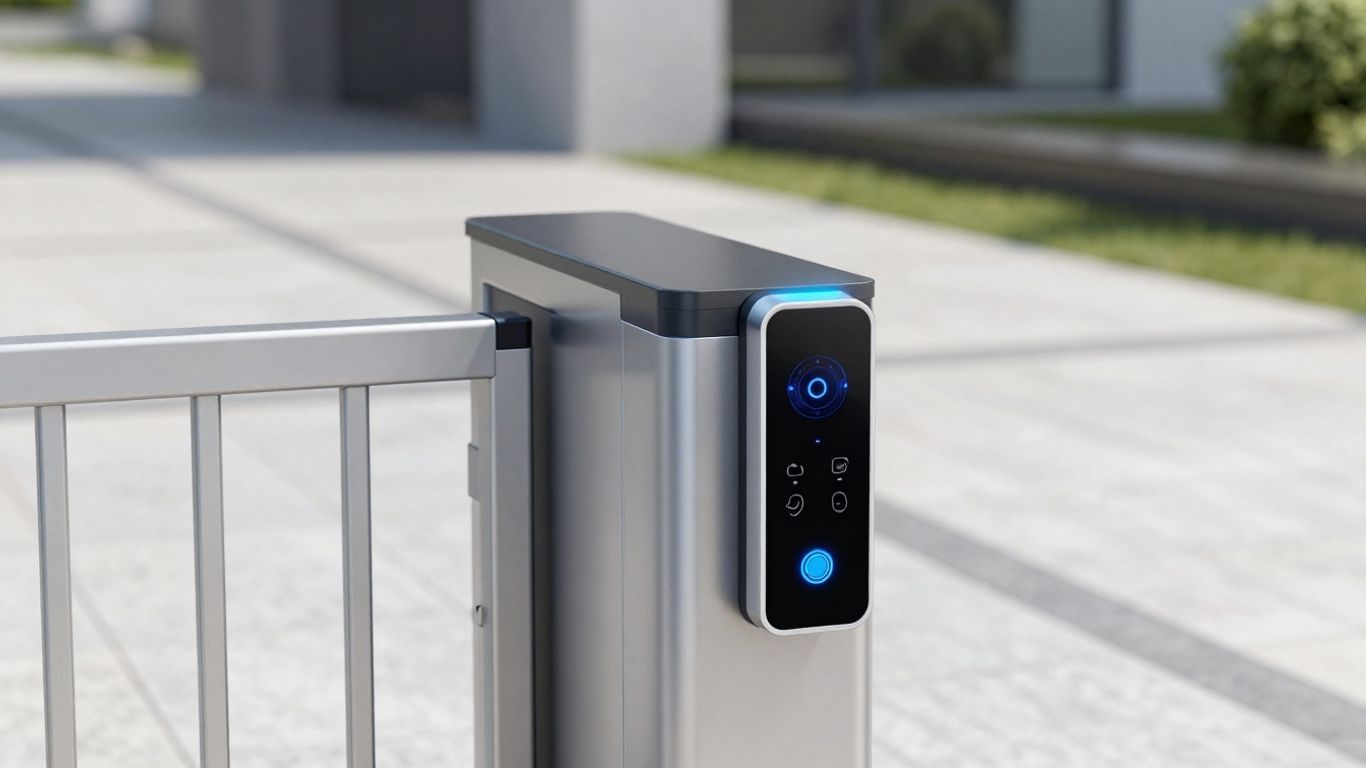
Within the dynamic environments of manufacturing plants and bustling warehouses, maintaining seamless operational flow while simultaneously upholding rigorous safety standards is an absolutely critical imperative. Smart gate technology, therefore, plays an enormously significant role here. Consider automated production lines or areas where forklifts are in constant, rapid motion—you require gates capable of swift opening and closing, yet also possessing the unwavering reliability to prevent any unauthorized entry when safety protocols deem it necessary. These intelligent gates frequently employ advanced sensors to detect approaching vehicles or personnel, opening automatically for verified access and closing immediately thereafter. This sophisticated functionality is instrumental in preventing accidents, such as collisions between forklifts and workers, or inadvertent damage to valuable goods. Indeed, the manufacturing sector stands as a pivotal driver for the adoption of these solutions, characterized by a substantial market value and robust projected growth.
Here’s a concise overview of how they contribute:
- Access Control: Meticulously restricting entry to specific zones for only authorized personnel or designated vehicles.
- Collision Prevention: Sensors vigilantly detect movement, thereby preventing gates from closing on individuals or equipment.
- Workflow Continuity: Automated opening and closing mechanisms sustain uninterrupted operations, eliminating the need for manual intervention.
- Zone Separation: Clearly delineating safe and hazardous areas within the confines of a facility.
The profound integration of smart gates within industrial settings transcends mere convenience; it constitutes a critical strategic step towards mitigating workplace injuries and substantially enhancing overall operational fluidity. Companies are increasingly discerning the value of these systems as a powerful means to boost productivity while simultaneously adhering to rigorous safety regulations.
Construction Site Security
Construction sites are inherently dynamic and frequently hazardous environments. Smart gates, in this context, are fundamentally centered on bolstering both security and safety. They meticulously control access to the site, rigorously ensuring that only authorized workers and designated vehicles are permitted entry. This capability is paramount for preventing the theft of valuable materials and equipment, and equally vital for safeguarding unauthorized individuals, particularly children, from potential harm. Some of the more advanced systems can even integrate seamlessly with site management software, providing detailed tracking of who enters and exits, and precisely when. This granular data proves invaluable for optimizing site logistics and enhancing overall accountability.
Commercial and Residential Access Control
Beyond the demanding industrial landscapes, smart gate technology is also making a significant imprint within commercial properties and residential communities. For businesses, intelligent gates can efficiently manage access to parking facilities, employee entrances, or sensitive areas located within an office building. They possess the programmability to open exclusively during specific hours or for particular individuals, often seamlessly linked to advanced key card systems or sophisticated facial recognition technology. In residential settings, such as exclusive gated communities, smart gates provide an additional layer of security complemented by unparalleled convenience for residents. They can be controlled remotely via intuitive smartphone applications, empowering residents to grant access to visitors or delivery personnel even when they are away from home. This potent amalgamation of enhanced security and effortless usability is rapidly gaining widespread popularity.
The Role of Leading Smart Tecs Providers
Innovations from Key Industry Players
When our discussion turns to smart technology in gate automation, it is truly the inventive companies operating behind the scenes that orchestrate this entire transformation. These leading providers are perpetually pushing the frontiers of what's possible, diligently developing novel methods to render gates smarter, swifter, and undeniably more secure. They aren't simply vending hardware; rather, they are furnishing integrated solutions capable of interacting with other systems, extracting insights from data, and even anticipating future occurrences. Consider, for instance, companies that are meticulously crafting advanced AI algorithms specifically tailored for complex logistics and port operations. These are not generic, off-the-shelf tools; they are bespoke creations designed to analyze intricate container flows, accurately predict truck turnaround times, and optimize yard stacking strategies. It's all about guaranteeing that upon a truck's arrival, every conceivable preparation has been made, ensuring the entire process unfolds with utmost smoothness.
Strategic Partnerships and Market Growth
These vanguard providers frequently engage in collaborative efforts, forging strategic partnerships that are instrumental in expanding their collective reach and enhancing their capabilities. It functions much like a vast ecosystem where diverse companies contribute their unique strengths to the common good. For example, one company might specialize exquisitely in sophisticated AI software, while another might excel in the engineering of physical hardware such as advanced sensors and high-resolution cameras. By pooling their expertise, they can present a more comprehensive and compelling package to businesses. This spirit of collaboration is a primary catalyst behind the rapid expansion of the smart gate automation market. Businesses are acutely recognizing the tangible benefits—reduced waiting times, diminished error rates, and more judicious resource utilization—and this, in turn, fuels an escalating demand. It is, in essence, a virtuous cycle where innovation precipitates adoption, which subsequently ignites further innovation.
Future Outlook for Smart Tecs
Peering into the future, the prospects for smart technology in gate automation appear exceptionally promising. We are poised to witness an even deeper level of integration with other critical business systems, such as your warehouse management or enterprise resource planning software. Can you imagine a gate that not only opens flawlessly for the correct truck but also automatically updates your inventory and schedules your subsequent delivery, all without requiring any human intervention? Predictive maintenance is also destined to become a standard feature, meaning gates will proactively alert you when servicing is required before a mechanical failure occurs. And with the accelerating ascent of AI, we can confidently anticipate systems capable of adapting autonomously to shifting conditions in real-time, rendering operations more efficient and secure than ever before. The overarching objective is to forge a fully interconnected and intelligently managed flow of goods and vehicles.
The ongoing development of smart technologies within gate automation is extending far beyond rudimentary access control. The strategic emphasis is decidedly shifting towards cultivating intelligent systems that can actively manage and optimize complex logistical processes. This encompasses a broad spectrum, from accurately predicting traffic flow to fully automating administrative tasks, ultimately striving for operations that are both significantly more efficient and demonstrably more cost-effective.
Addressing Challenges in Smart Tecs Adoption
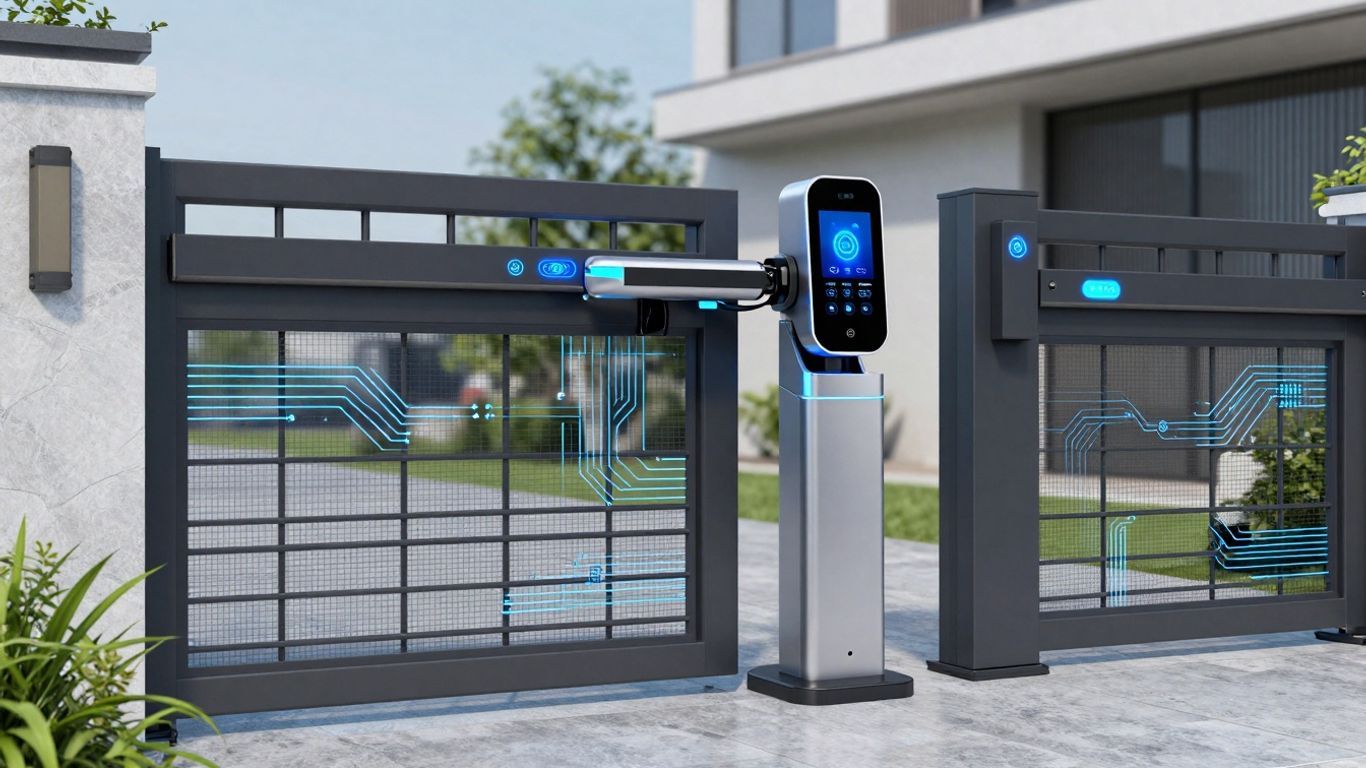
Implementing smart technology into gate automation isn't always a straightforward endeavor. Businesses frequently encounter a few identifiable hurdles when they contemplate upgrading their existing infrastructure. It’s not merely about acquiring the latest gadget; it fundamentally involves ensuring seamless integration with legacy systems, rigorously maintaining security, and, of course, justifying the financial investment.
Integration with Existing Systems
One of the most significant complexities often lies in compelling new smart technology to seamlessly interface with older, established systems. Consider, for a moment, a factory that has been operational for years with a specific, ingrained setup; now, the objective is to introduce a sophisticated new automated gate system. It can be akin to attempting to connect a brand-new smartphone to a vintage flip phone—sometimes, the connection simply isn't straightforward. Companies must meticulously assess whether their current software, such as a Warehouse Management System (WMS) or Enterprise Resource Planning (ERP), can effectively communicate with the new gate controls. Frequently, this necessitates exploring Application Programming Interfaces (APIs) or other robust data exchange methodologies. Achieving smooth communication between these disparate systems is absolutely paramount to eliminating manual data entry and substantially reducing errors. Without proficient integration, one might paradoxically find themselves with an increased workload, rather than the anticipated efficiencies.
Cybersecurity Considerations
When gates are connected to the internet or an internal network, they inherently become susceptible to potential cyber threats. It’s a bit like inadvertently leaving your front door unlocked. Smart gates, particularly those responsible for controlling access to sensitive areas such as manufacturing plants or critical warehouses, emerge as appealing targets. Malicious actors could potentially attempt to gain unauthorized access, disrupt vital operations, or even exfiltrate sensitive data. Businesses, therefore, must prioritize robust cybersecurity measures, including implementing strong authentication protocols, ensuring regular software updates, and deploying comprehensive network security safeguards. The concern extends beyond merely maintaining gate functionality; it encompasses safeguarding the integrity of the entire operation.
Cost-Benefit Analysis for Businesses
Let's be frank: smart technology often entails a substantial upfront capital expenditure. The installation of new gates, sophisticated sensors, and advanced control systems represents a considerable financial outlay. Consequently, businesses are compelled to critically ask themselves: is this investment truly worthwhile? They must rigorously evaluate the prospective savings. Will the new system genuinely reduce labor costs? Will it enhance efficiency sufficiently to recoup the initial investment? In some instances, the benefits are unequivocally clear, such as a marked reduction in accidents or demonstrably faster processing times. In other cases, quantifying these benefits can prove more challenging. A thorough cost-benefit analysis empowers companies to make informed decisions regarding whether the investment aligns with their specific operational context and if the anticipated long-term gains demonstrably outweigh the initial expenditure.
Looking Ahead: The Future of Smart Gate Automation
So, we have thoroughly explored how smart technology is truly redefining the landscape of gate automation. It has, quite plainly, transcended the elementary function of mere access restriction; instead, it is about making access fundamentally smarter, unequivocally safer, and significantly more efficient. With an increasing number of companies embracing these advancements and a steady stream of innovations continually emerging—such as more sophisticated sensors and highly automated systems—it is abundantly clear that this trend is not only here to stay but is poised for continued growth. As industries persistently strive for safer working environments and ever-smoother operations, these intelligent gate systems are destined to assume an even more pivotal role. It is certainly exciting to contemplate the forthcoming developments as technology continues its relentless evolution and deepens its integration into these crucial everyday systems.
Frequently Asked Questions
What are smart technologies in gate automation?
Smart technologies in gate automation essentially equip gates with advanced intelligence! They leverage sophisticated components like sensors, cameras, and intricate computer programs to autonomously manage gate operations, including opening, closing, and controlling entry and exit. You can conceptualize them as highly intelligent security sentinels for your access points.
How do smart gates make things safer?
Smart gates incorporate specialized sensors capable of detecting if an obstruction—be it a person or a vehicle—is within the gate's path, thereby preventing it from closing and averting potential accidents. Furthermore, some systems can dispatch immediate alerts in the event of an issue, such as a forced gate opening, which significantly enhances site security.
Can smart gates help businesses work faster?
Absolutely! Smart gates can considerably expedite operations by automatically opening for authorized personnel or vehicles. This capability translates directly into reduced waiting times and a much smoother flow of goods or people, proving immensely beneficial for high-traffic environments like manufacturing facilities or logistics warehouses.
Are smart gates hard to set up with my current systems?
Occasionally, integrating novel smart technology with existing, older systems can present some complexities, rather like trying to connect a cutting-edge game console to an antique television. However, the manufacturers of these advanced gate systems frequently offer expert assistance to ensure a smooth and effective integration process.
What kind of places use smart gate technology?
Smart gate technology finds application in a diverse array of locations! You'll encounter them in large-scale factories, at construction sites for stringent access control, within apartment buildings, and even in some high-end residential properties. Essentially, any location requiring controlled entry and heightened security can significantly benefit from their implementation.
Is it expensive to get smart gates?
While the initial outlay for smart gates can indeed be higher compared to conventional gates, they often yield substantial long-term savings. Their benefits include potentially reducing the need for security personnel, preventing costly accidents, and fostering more efficient operational workflows. It's much like investing in a premium tool that offers superior performance and enduring value.


