
resources
Exploring the Top 10 Smart Cities in the World: Innovations and Future Trends
02 Jan 2026

As urban centers continue their rapid expansion and confront an array of contemporary challenges, the concept of a "smart city" has undeniably moved to the forefront of global discourse. These innovative locales adeptly harness technology to elevate the quality of life for their inhabitants, optimize resource management, and proactively address pressing issues like environmental pollution. Indeed, we're talking about cities that are genuinely striving to stay ahead of the curve, embracing foresight and cutting-edge solutions. This article delves into the top 10 smart cities worldwide today, illustrating their pioneering initiatives and offering a glimpse into what we can anticipate next. Ultimately, it’s all about cultivating urban environments that are more efficient and sustainably vibrant for everyone.
Key Takeaways
- Smart cities strategically employ technology to enhance residents' overall quality of life.
- Sustainability stands as a paramount focus, with concerted efforts aimed at reducing energy consumption and minimizing waste generation.
- Technology plays a crucial role in bolstering urban safety and facilitating swifter responses to emergencies.
- Fostering robust citizen participation in municipal decision-making is a cornerstone of effective smart city development.
- These leading cities serve as compelling blueprints, demonstrating how other urban areas can pursue significant improvements and foster innovation.
Related Contents: smart city project 2030 agenda
1. Singapore
Singapore consistently earns a top-tier spot on global smart city rankings, and it’s truly not difficult to understand why. The nation has placed an intensive, deliberate focus on integrating technology to uplift the daily lives of all who call it home. It's far more than just possessing the latest gadgets; it's about meticulously ensuring the city operates with unparalleled smoothness, demonstrating a profound commitment to environmental stewardship, and quite simply, becoming an even more delightful place to reside. Indeed, technology is intricately woven into the very fabric of daily existence here, influencing everything from how residents commute to how energy is efficiently consumed.
The ambitious "Smart Nation" initiative represents Singapore's overarching strategy to leverage technology across all sectors. Its vision is to cultivate a deeply connected, digital society that delivers tangible benefits to all its residents. This expansive undertaking spans a wide spectrum, encompassing advancements in transport, healthcare, and even the fundamental operations of government.
When it comes to navigating the urban landscape, Singapore ingeniously deploys technologies such as the Internet of Things (IoT) and artificial intelligence (AI) to manage traffic flows. This proactive approach significantly helps in mitigating congestion and reducing pollution, thereby transforming daily commutes into a far less stressful experience. The city-state is also actively exploring smart homes equipped with advanced energy-saving systems, unequivocally demonstrating its unwavering commitment to sustainability. Furthermore, strategic investments in initiatives like smart grids are instrumental in optimizing electricity usage with remarkable efficiency.
Consider these key areas where Singapore is truly setting a benchmark:
- Smart Mobility: Implementing intelligent transport systems to substantially improve traffic flow and alleviate congestion.
- Sustainable Living: Integrating cutting-edge, energy-efficient systems into both residential properties and commercial buildings.
- Digital Governance: Harnessing technology to refine public services and actively encourage greater citizen engagement.
Singapore's approach is notably comprehensive. They aren't merely concentrating on a singular aspect of urban existence; rather, they are thoughtfully considering how technology can enhance virtually every dimension of city life—including healthcare, government services, and education—through innovative platforms such as telemedicine and accessible online portals for citizens.
2. Zurich
Zurich, with impressive consistency, appears at the zenith of smart city evaluations, and for very compelling reasons. This remarkable Swiss city possesses a distinct knack for seamlessly merging sophisticated high-tech solutions with an exceptionally high quality of life for its residents. It isn't just about equipping the city with the newest devices; instead, it's about the deliberate, thoughtful application of technology to render everyday living both smoother and inherently more sustainable.
One of Zurich's most commendable strengths lies in its adeptness at managing resources with extraordinary efficiency. Consider, for instance, its public transportation network—it’s remarkably interconnected and unfailingly reliable, making it genuinely simple for people to navigate the city without the necessity of a personal vehicle. The city also dedicates significant attention to maintaining expansive green spaces and championing clean energy, factors that collectively contribute to that undeniably pleasant overall living environment. Wondering how they achieve such a balance? It often comes down to meticulous urban planning and a deep civic commitment to environmental health.
Here are a few notable domains where Zurich truly excels:
- Efficient Public Transportation: Integrated systems renowned for their punctuality and extensive reach.
- Sustainability Initiatives: A robust emphasis on renewable energy sources and exemplary waste management practices.
- Digital Governance: User-friendly online services that streamline interactions with the city administration, making them straightforward and accessible.
- Innovation Hub: A formidable foundation for cutting-edge research and development, particularly thriving in the finance and technology sectors.
Zurich unequivocally demonstrates that a city can indeed be both technologically advanced and profoundly livable. The municipality has masterfully sidestepped some of the typical pitfalls associated with larger urban areas—like severe congestion and pervasive pollution—by prioritizing intelligent planning and, crucially, the well-being of its citizens. It stands as a prime example where technology truly serves the populace, rather than the other way around. This philosophy is evident in their progressive approach to urban development, where the constant pursuit of enhanced services and a reduced environmental footprint is paramount. It’s a model that many other cities aspire to replicate, offering a clear and inspiring pathway for future urban innovation. Zurich's strategic deployment of smart solutions, moreover, serves as an excellent benchmark for cities such as Barcelona, which are actively seeking to effectively integrate advanced technology.
3. Oslo
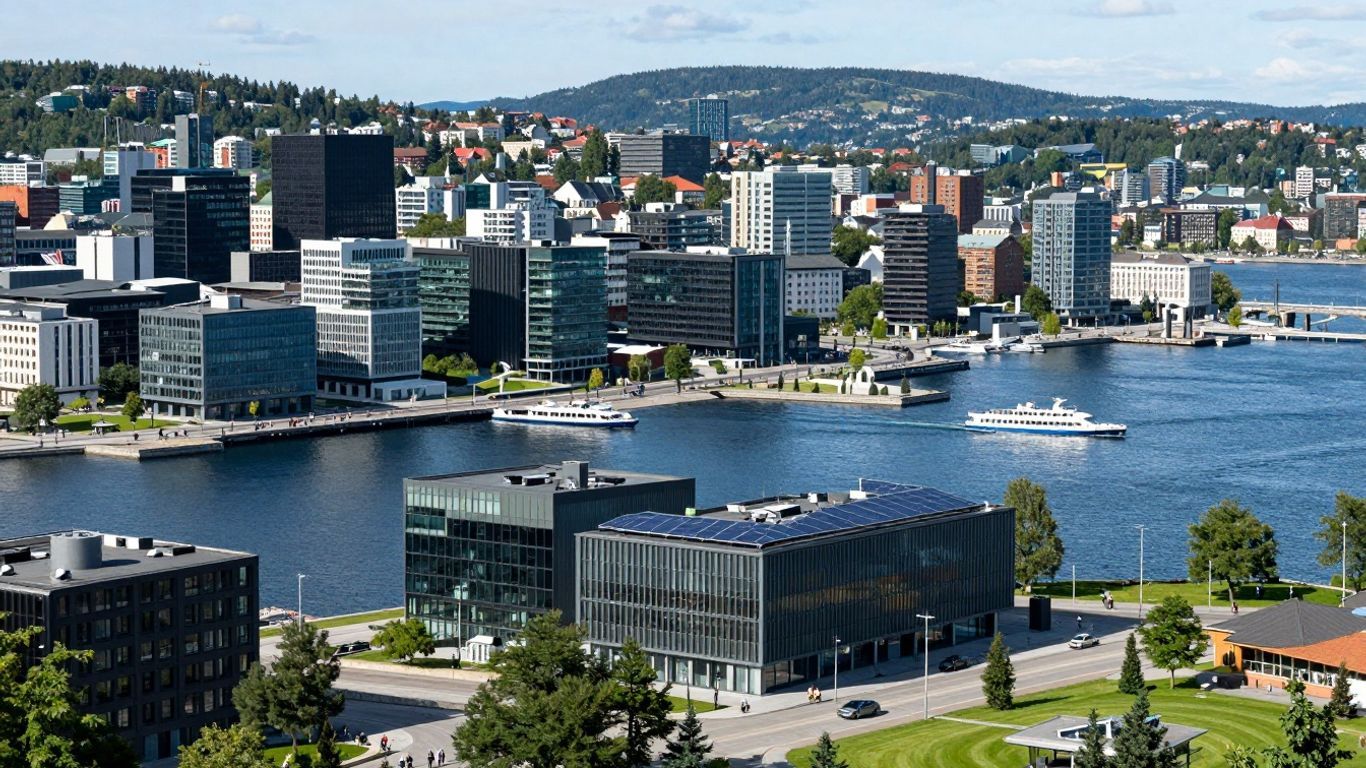
Oslo, Norway's distinguished capital, consistently achieves high rankings in global smart city evaluations, and for truly compelling reasons. It is fundamentally an urban center that places a profound emphasis on enhancing the lives of its residents, expertly balancing technological innovation with an unwavering commitment to sustainability and an exceptionally high quality of life. The city has managed to achieve remarkable growth and foster innovation without succumbing to the common large-city afflictions, such as debilitating traffic congestion and pervasive pollution—a truly commendable feat.
One of Oslo's most significant accomplishments lies in its seamless integration of technology into daily life, in ways that feel both organic and genuinely beneficial. Consider, for example, its public transport system—it is remarkably efficient and superbly interconnected, rendering car-free movement throughout the city effortlessly convenient. The municipality also champions extensive green initiatives, concentrating significant efforts on drastically reducing carbon emissions and vigorously promoting renewable energy sources. How does this commitment translate into practical benefits? Cleaner air and a more pleasant urban environment, to name just two.
Here are some distinct areas where Oslo truly excels:
- Sustainable Urban Development: Oslo harbors ambitious objectives for diminishing its environmental footprint, striving for carbon neutrality and concurrently expanding green spaces within its urban fabric.
- Efficient Public Services: Ranging from transportation networks to waste management, the city employs smart solutions to ensure services operate smoothly and efficiently for its citizenry.
- Citizen-Centric Approach: While technology remains crucial, Oslo consistently prioritizes how innovations genuinely benefit its residents, thereby ensuring that smart solutions tangibly improve daily life.
Oslo's sustained success unequivocally demonstrates that being a smart city transcends merely possessing the latest gadgets; it is fundamentally about employing technology with thoughtful intent to forge a livable, sustainable, and thriving environment for all.
The city's strategic framework frequently involves robust public-private partnerships, effectively bringing together diverse groups to devise innovative solutions for complex urban challenges. This deep-seated collaborative spirit is instrumental in propelling progress and guarantees that nascent ideas are both practical and profoundly beneficial to the community.
4. Geneva
Geneva, a city frequently associated with international diplomacy and intricate finance, also commands a formidable position among the world's most intelligent urban centers. It consistently ranks high, often alongside esteemed peers like Zurich and Oslo, in comprehensive global smart city assessments. This remarkable success, crucially, isn't solely attributable to the adoption of novel technologies; rather, it stems from how Geneva ingeniously employs innovation to uphold an exceptional quality of life while expertly managing its ongoing growth.
One of Geneva's undeniable core strengths resides in its exemplary capacity to meticulously balance vigorous economic activity with vital environmental considerations and, most importantly, the holistic well-being of its residents. In stark contrast to some sprawling metropolises that grapple with persistent congestion and widespread pollution, Geneva derives a distinct advantage from its more manageable geographical scale. This characteristic, in turn, permits the considerably more effective and streamlined implementation of smart urban solutions.
Here's a closer examination of some pivotal areas where Geneva truly shines:
- Sustainable Urban Planning: The city is deeply engaged in actively integrating expansive green spaces and vigorously promoting a diverse array of sustainable transportation alternatives. This comprehensive strategy includes expanding its already efficient public transit networks and robustly encouraging cycling as a primary mode of transport.
- Efficient Public Services: Geneva focuses intently on ensuring that essential services—such as waste management and critical utilities—operate with seamless fluidity through the astute application of smart technologies. This often entails sophisticated data analysis to precisely optimize resource utilization.
- Economic Resilience: The city's profound specialization in high-value economic sectors, prominently including finance and precision manufacturing, significantly underpins its robust economic stability, rendering it markedly less susceptible to wider global economic fluctuations.
Geneva's nuanced approach vividly underscores that the essence of a smart city isn't merely found in the newest technological novelties. Instead, it revolves around the thoughtful, integrated application of technology to foster a well-balanced lifestyle, robust economic health, and steadfast environmental responsibility. The consistent focus remains on practical enhancements that directly and tangibly benefit the individuals who live and work within its vibrant confines.
While specific technological deployments might not invariably capture global headlines, Geneva's consistent, high-level performance in smart city rankings unequivocally points to a meticulously well-rounded and effective strategy. The city compellingly demonstrates that a deliberate emphasis on livability and sustainability, bolstered by astute governance, can indeed culminate in profound urban success.
5. Copenhagen
Copenhagen, the vibrant capital of Denmark, consistently garners high accolades in international smart city assessments, and for truly compelling reasons. It is, without a doubt, a city that genuinely practices what it preaches when it comes to seamlessly integrating advanced technology with an exceptional quality of life and an unwavering, deep-seated commitment to sustainability. The city is particularly lauded for its remarkably impressive recycling rates and its profound focus on public safety, effectively establishing itself as a leading benchmark for exemplary urban living.
Copenhagen's smart city initiatives are not merely about deploying the very latest gadgets; rather, they prioritize practical, impactful solutions that directly benefit both its residents and the broader environment. One of the most immediately striking aspects is the city's profound dedication to cycling. With an extensive network of meticulously maintained bike lanes and world-class infrastructure, Copenhagen makes it effortless and exceptionally safe for people to opt for two wheels over four, which, in turn, dramatically reduces traffic congestion and significantly lowers air pollution. This robust emphasis on active transportation forms a fundamental pillar of its forward-thinking urban planning.
Beyond its iconic cycling culture, the city stands as a vanguard in green energy adoption and sustainable building practices. Numerous contemporary developments consciously incorporate advanced energy-saving technologies, and Copenhagen itself has set ambitious goals to achieve carbon neutrality in the near future. This forward-thinking methodology extends robustly to waste management, where innovative and efficient recycling programs are accorded paramount priority.
Here are some pivotal domains where Copenhagen truly excels:
- Sustainable Transportation: Features an extensive cycling infrastructure alongside vigorous promotion of public transit options.
- Green Energy: Demonstrates high rates of adoption for renewable energy sources and boasts numerous energy-efficient buildings.
- Waste Management: Implements advanced recycling programs coupled with innovative waste-to-energy initiatives.
- Public Safety: Benefits from strong community policing efforts and intelligent surveillance systems that collectively contribute to a remarkably secure urban environment.
Copenhagen powerfully illustrates that a truly smart city is one that places its people and the planet at the absolute forefront, utilizing technology as a potent enabler to achieve these overarching objectives rather than pursuing innovation as an end in itself. The city's holistic approach stands as a compelling testament to how thoughtful, integrated urban planning can effectively forge a more livable and sustainable future for all its inhabitants.
This unwavering dedication to fostering a superior urban environment is precisely why Copenhagen is so frequently cited as an exemplary model for other cities aspiring to refine their own smart city strategies. It’s a dynamic place where groundbreaking innovation seamlessly merges with the routines of everyday life, collectively crafting a metropolis that is both genuinely livable and impressively forward-looking. For more detailed insights into its unique strategic position as a gateway to Scandinavia, you can explore the Copenhagen, Denmark's capital page.
6. Dubai
Dubai has truly undergone an astonishing metamorphosis, evolving from its modest beginnings into a formidable global player. And while it undeniably boasts an abundance of towering architectural marvels, the city's strategic vision extends far beyond mere vertical growth. There's a profound, deliberate focus on harnessing technology to genuinely improve the quality of life for everyone who resides there. Indeed, Dubai's ambitious objective is nothing less than to become the "happiest city on Earth," and technology is unequivocally a cornerstone of this grand design.
Dubai is making significant advancements in several critical domains:
- AI-powered services: Envision intelligent traffic lights that autonomously adjust to real-time conditions, or accelerated pathways for accessing essential healthcare. The city is adeptly employing artificial intelligence to streamline and enhance the rhythms of daily life.
- Renewable energy: Emblematic initiatives, such as the expansive Mohammed bin Rashid Al Maktoum Solar Park, underscore a deep-seated commitment to embracing cleaner and more sustainable energy sources.
- Smart infrastructure: New developments are meticulously engineered for efficiency right from their inception, and the city is actively developing sophisticated smart grids to optimize power management.
It's genuinely fascinating to observe how Dubai is meticulously striving to blend cutting-edge technological solutions with the ambition of cultivating an urban environment that is, fundamentally, a more pleasant place to live. They are not simply pursuing fleeting trends; rather, they are endeavoring to construct a city that is simultaneously groundbreaking in its innovation and profoundly livable for its diverse populace. This purposeful focus has been instrumental in its ascent as a noteworthy smart city, earning recognition even for its exceptional healthcare services and abundant green spaces.
Dubai's pragmatic approach centers on utilizing technology as an empowering instrument to significantly enhance the quality of life for both its citizens and its numerous visitors. It represents a well-conceived strategy that judiciously balances ambitious developmental goals with practical, tangible improvements.
This unwavering dedication to innovation and resident well-being is a major factor in Dubai's esteemed position as a leader in the global smart city movement. This forward-thinking drive is visibly manifest in its modern infrastructure and its pioneering urban planning philosophies.
7. Abu Dhabi
Abu Dhabi is undeniably making some very significant strides toward becoming a leading smart city, and it’s genuinely captivating to witness how adeptly they're merging advanced technology with a steadfast focus on enhancing quality of life and promoting sustainability. This isn't just about deploying the latest gadgets for their own sake; it’s about strategically utilizing intelligent solutions to transform the city into an even better place for every individual who resides there.
One of the primary hallmarks for which Abu Dhabi is recognized is its profound commitment to expansive green spaces and comprehensive healthcare services. The city has garnered notable accolades in these specific areas, which vividly illustrates a genuine, concerted effort to harmonize rapid urban development with the holistic well-being of its residents and the preservation of the natural environment. This deliberate emphasis on livability and health constitutes a fundamental, indeed pivotal, component of their overarching smart city strategy.
Here are some distinct domains where Abu Dhabi is channeling its smart city endeavors:
- Sustainable Infrastructure: Developing buildings and complex systems that are intrinsically energy-efficient and ecologically responsible.
- Advanced Healthcare: Harnessing technology to significantly improve access to and the quality of healthcare services for all its residents.
- Smart Transportation: Implementing innovative solutions designed to render urban transit both simpler and more efficient.
- Digital Services: Continuously expanding online government services and ensuring broad public access to vital information.
Abu Dhabi is diligently working to forge a deeply connected and intellectually sophisticated urban environment that unequivocally prioritizes the health and enduring happiness of its citizens, all while steadfastly looking towards a sustainable and prosperous future. It is a profoundly thoughtful approach that transcends mere technology for technology's sake, focusing instead on tangible human benefits.
The city is also keenly exploring methods to seamlessly integrate nascent technologies into its existing urban framework—a process that can, admittedly, be a nuanced balancing act. Nevertheless, the ultimate goal remains crystal clear: to construct a city that is not only strikingly modern and remarkably efficient but also an exceptional place in which to live, work, and nurture a family.
8. Canberra
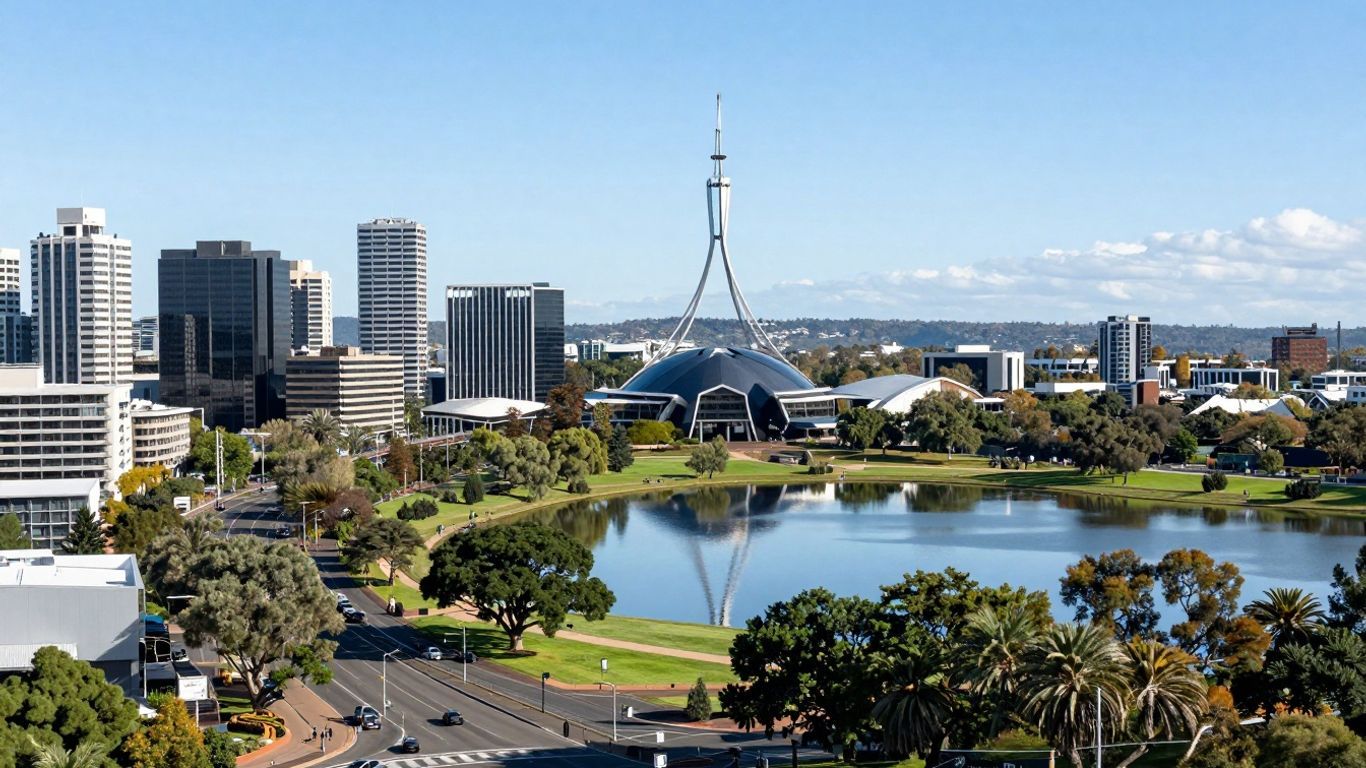
Canberra, Australia's capital, often tends to operate somewhat below the radar when compared to its larger, more bustling metropolitan counterparts. Yet, it is steadily, albeit quietly, carving out a significant reputation for itself within the smart city discourse. While it might not consistently top global rankings purely for its technological output, Canberra is widely acknowledged for something incredibly vital: its pristine air quality. This unwavering commitment to environmental health forms a crucial aspect of what truly renders a city livable, and it's a strategically intelligent move that delivers tangible benefits to everyone who resides there. Could other cities learn from this seemingly simpler, yet profound, focus?
What genuinely distinguishes Canberra is its meticulous, deliberate planning and its profound commitment to preserving and enhancing green spaces. As a purpose-built capital, it inherently possesses the distinct advantage of having been conceived and designed with a robust, long-term vision. This foresight facilitates a superior integration of sustainable practices and essential infrastructure right from the foundational stages of its development.
Here's a closer look at some of the key areas where Canberra truly excels:
- Exceptional Air Quality: Consistently achieves high rankings for its clean air, a direct and measurable outcome of its extensive parklands and a comparatively lower population density.
- Green Infrastructure: Demonstrates significant, sustained investment in parks, vital nature reserves, and intelligent, sustainable urban design principles.
- Planned Development: Employs a structured and methodical approach to urban growth that consciously prioritizes both livability and critical environmental considerations.
- Focus on Governance: As the seat of national government, Canberra inherently benefits from a robust administrative framework that is exceptionally well-positioned to implement and effectively manage smart city initiatives.
The true measure of a smart city's success isn't solely determined by the deployment of the latest gadgets or the fastest internet speeds. It is, fundamentally, about creating an environment where people can genuinely thrive—and that critically includes having access to clean air and the rejuvenating presence of nature. Canberra's steadfast commitment to these fundamental elements represents a truly intelligent strategy for ensuring long-term well-being.
While other global cities may be racing ahead with AI-driven traffic management systems or hyper-connected public transport networks, Canberra's unique 'smartness' resides deeply in its foundational commitment to fostering a healthy environment. This approach serves as an important, timely reminder that technology should always serve human well-being, and sometimes, the most profoundly intelligent innovations are precisely those that meticulously protect the natural world that surrounds us.
9. London
London, a truly sprawling metropolis, is actively striving to optimize urban living for its vast population by ingeniously leveraging data and sophisticated smart technology. It’s important to understand that this isn’t merely about adopting the newest gadgets; rather, it’s about implementing practical, impactful improvements that residents can genuinely perceive and experience in their daily lives.
One of London’s most significant initiatives involves making an extensive amount of city data openly accessible to everyone through the London Datastore. This represents a rather monumental undertaking, as it empowers developers, researchers, and even engaged citizens to conceive and develop novel ideas and tools. Just imagine the possibilities—having readily available information concerning transport, air quality, or even the precise locations of public services can genuinely spark some incredibly creative solutions. It’s all fundamentally about fostering transparency and actively encouraging public involvement in the ongoing endeavor to make the city even smarter.
Beyond its ambitious open data initiatives, London is also intently focusing on building smart infrastructure. For instance, you might observe innovative elements such as streetlights that dynamically adjust their brightness based on pedestrian presence, thereby conserving energy. Furthermore, the city is deploying advanced sensors to more closely monitor air quality—a substantial and understandable concern for numerous urban areas globally. These are not merely futuristic concepts; they are tangible solutions actively being implemented to incrementally enhance daily life and promote a healthier environment.
London’s progressive approach also deeply incorporates citizen engagement. The authorities are keen for residents to have a meaningful voice in how the city continues to evolve. By providing broad access to crucial data and actively fostering widespread participation, the overarching goal is to construct solutions that genuinely resonate with and meet the diverse needs of the community. It’s an eloquent way of asserting that technology should, first and foremost, serve the people, and certainly not the other way around.
The city is diligently working towards digital resilience and sustainable growth, viewing technology as an indispensable tool to substantially improve residents' lives and to effectively tackle complex urban challenges.
Here are some pivotal areas London is concentrating its efforts on:
- Open Data Initiatives: Systematically providing free and accessible city data to vigorously encourage widespread innovation.
- Smart Infrastructure Deployment: Implementing cutting-edge technologies like adaptive street lighting and advanced air quality monitoring systems.
- Citizen Engagement Programs: Actively involving residents in the critical development process of the smart city.
- Digital Resilience: Constructing robust systems designed to withstand potential disruptions and ensure the continuous, uninterrupted provision of essential services.
London’s unwavering commitment to these outlined areas clearly indicates a determined trajectory towards becoming a more efficient, livable, and responsive urban environment for all. It is, undeniably, a complex city, and the diligent work currently underway serves as an excellent paradigm of how extensive metropolises can effectively adapt and significantly improve through the strategic application of smart strategies. You can find more comprehensive information on urban development and various smart city initiatives on pages such as Edinburgh's tech hub.
While London consistently remains a top-tier contender, it is noteworthy that public safety has been identified as an area requiring further improvement in recent analytical reports. This particular insight underscores the inherent, ongoing nature of smart city development—it is, by its very essence, a continuous process demanding constant adaptation and meticulous refinement.
10. Barcelona
Barcelona is truly setting an example for how an urban center can brilliantly harness technology to meaningfully enhance everyday life—and not merely for the sake of possessing impressive gadgets. The city's focus is firmly on practical solutions that genuinely help people navigate their surroundings, conserve energy, and generally make the city operate with greater fluidity. It’s an undeniably intelligent and human-centric approach.
One of the most remarkable things they’re doing involves leveraging data to gain profound insights into urban dynamics. Consider, for example, traffic lights that dynamically adjust based on real-time traffic volumes, or streetlights that intelligently dim when there’s no activity nearby. These may not be colossal, flashy projects, but collectively, they contribute significantly to a more efficient and responsive urban environment. Furthermore, the city has developed user-friendly apps that guide drivers to available parking spots—which, let’s be honest, can be an absolute lifesaver in a bustling city like Barcelona.
Here’s an overview of some of their key smart initiatives:
- Smart Lighting: Utilizes lights that adapt to activity levels, leading to substantial energy conservation.
- Smart Parking: Features intuitive apps that efficiently guide drivers to vacant parking spaces.
- Data-Driven Planning: Employs city-wide data to inform and enhance decision-making concerning resources and public services.
- Superblocks: Implements a visionary redesign of urban areas to prioritize pedestrians and cyclists, thereby cultivating more livable and community-focused neighborhoods.
Barcelona's profound commitment to sustainability forms a crucial, indeed foundational, element of its smart city identity. They are not simply implementing technology for technology's sake; rather, they are meticulously considering how these transformative changes will impact both the environment and the lives of their residents over the long term. It's about meticulously crafting a city that is not only highly efficient but also an exceptionally pleasant place to inhabit.
The city is diligently working to seamlessly integrate technology in ways that significantly improve the quality of life for its residents, all while maintaining a keen awareness of its environmental footprint. This thoughtful and deliberate application of innovation is precisely what distinguishes Barcelona as a prominent and noteworthy player in the global smart city landscape.
The Road Ahead for Smart Cities
So, having journeyed through some truly remarkable cities, we've gained insight into urban centers that are genuinely pushing the boundaries of what modern city living can truly embody. It’s abundantly clear that technology plays an immense, transformative role, yet it’s far more than merely possessing the latest gadgets. These leading municipalities are astutely deploying smart tools to make daily life smoother, significantly greener, and demonstrably safer for everyone. Whether the focus is on alleviating traffic congestion, enhancing waste management practices, or ensuring equitable access to vital services, the overarching objective consistently remains the same: to profoundly improve circumstances for the people who call these places home. As an increasing number of cities embrace and adapt these pioneering ideas, we can confidently anticipate the emergence of even more innovative solutions, meticulously shaping our urban environments to be more livable and sustainable for generations to come. Indeed, it's an incredibly exciting era to observe how these dynamic urban centers continue to evolve and, in doing so, indelibly shape our collective future.
Frequently Asked Questions
What exactly is a smart city?
A smart city can be understood as an urban environment that strategically employs advanced technologies, such as specialized computer programs and integrated sensors, to elevate the quality of life for its residents. This approach helps in managing various aspects like traffic flow, energy consumption, and waste disposal with greater efficiency, ultimately making the city operate more smoothly and in an environmentally conscious manner.
Why are smart cities so important today?
Smart cities hold significant importance because they empower us to effectively address pressing global challenges, including escalating traffic congestion, pervasive pollution, and the responsible utilization of finite resources. Their fundamental aim is to foster cities that are not only more appealing and healthier but also more sustainable places for everyone to live, both in the present and for future generations.
Which cities are considered the smartest in 2025?
Based on comprehensive recent studies and analyses, the leading smart cities anticipated for 2025 include notable urban centers such as Singapore, Zurich, Oslo, Geneva, and Copenhagen. These cities are widely recognized for their judicious and impactful application of technology to measurably enhance the well-being and daily lives of their citizens.
How do smart cities help the environment?
Smart cities contribute significantly to environmental preservation by utilizing technology to achieve energy savings, substantially reduce emissions from transportation and buildings, and implement superior waste management practices. This holistic approach translates into lower resource consumption and a diminished ecological footprint, thereby actively safeguarding our planet's natural environment.
What kind of technology do smart cities use?
These innovative urban centers deploy a diverse array of technologies. This typically includes the Internet of Things (IoT), which facilitates the seamless connection of various devices; artificial intelligence (AI) for intelligent decision-making processes; and sophisticated sensors designed to collect crucial urban data. Additionally, they often leverage advanced communication infrastructures, such as 5G networks, to ensure robust connectivity.
Does being a 'smart city' mean it's all about technology?
Absolutely not! While technology indeed forms a substantial component, the primary objective of a smart city is unequivocally centered on enhancing human well-being. It is fundamentally about employing technology as a powerful, enabling tool to improve critical aspects like safety, convenience, and the overall quality of life for every individual within the city.


