
business resources
Eyes in the Sky: Scaling Event Security with Mobile Tech
15 May 2026

Large gatherings create unique safety challenges that traditional fixed security systems struggle to manage. When thousands of people move through temporary venues or open city streets, static cameras often leave blind spots.
Modern event organizers now rely on mobile technology to bridge these gaps and provide real-time oversight. Using portable hardware and cloud-based software, teams can maintain a high level of safety without permanent infrastructure.
The Rise Of Rapid Deployment Security Units
Traditional security setups take days or weeks to install and test. Mobile units change this timeline by arriving on-site ready to function within minutes. These trailers often come equipped with mast-mounted cameras that reach high above the crowd.
They provide a literal eye in the sky for ground crews who might be blinded by the sheer volume of attendees.
Having a mobile base means the security perimeter can expand or contract based on the actual flow of the event. Security directors appreciate how these units can be relocated overnight if the main area of activity shifts.
Modern Security Applications
Managing a large festival requires a multi-layered approach to keep everyone safe. Integrating various tools for event security including outdoor surveillance, involves more than just placing cameras on poles. It requires a central hub where data from every mobile unit is analyzed and shared with responders.
The flexibility of mobile surveillance allows it to cover remote parking lots and entrance gates with ease. These areas often lack the power lines or internet cables needed for standard equipment.
By using self-contained power sources like solar panels and batteries, these systems operate independently. This independence guarantees that the most vulnerable parts of a venue remain under constant watch.
Centralized monitoring helps teams react quickly when suspicious activity is detected anywhere on the grounds. Mobile systems can be repositioned as crowd patterns shift throughout the event.
High-definition cameras and real-time alerts improve visibility for both security staff and emergency responders.
Remote access allows coordinators to monitor multiple areas from a single command center. Together, these technologies create a more adaptable and reliable security strategy for large public gatherings.
Leveraging Artificial Intelligence For Faster Response
Human monitors can only track a limited number of screens before fatigue sets in. AI software now acts as a digital partner by scanning thousands of video frames for specific triggers.
Recent research indicates that two out of three organizations now use AI and automation in their security environments to cut down on response costs.
Software can detect if a crowd is becoming too dense in a specific zone. It can identify abandoned objects or unauthorized vehicles entering a restricted space. When the system finds a match, it sends an alert directly to the mobile device of the nearest guard.
Advancements In Drone Integration For Crowd Control
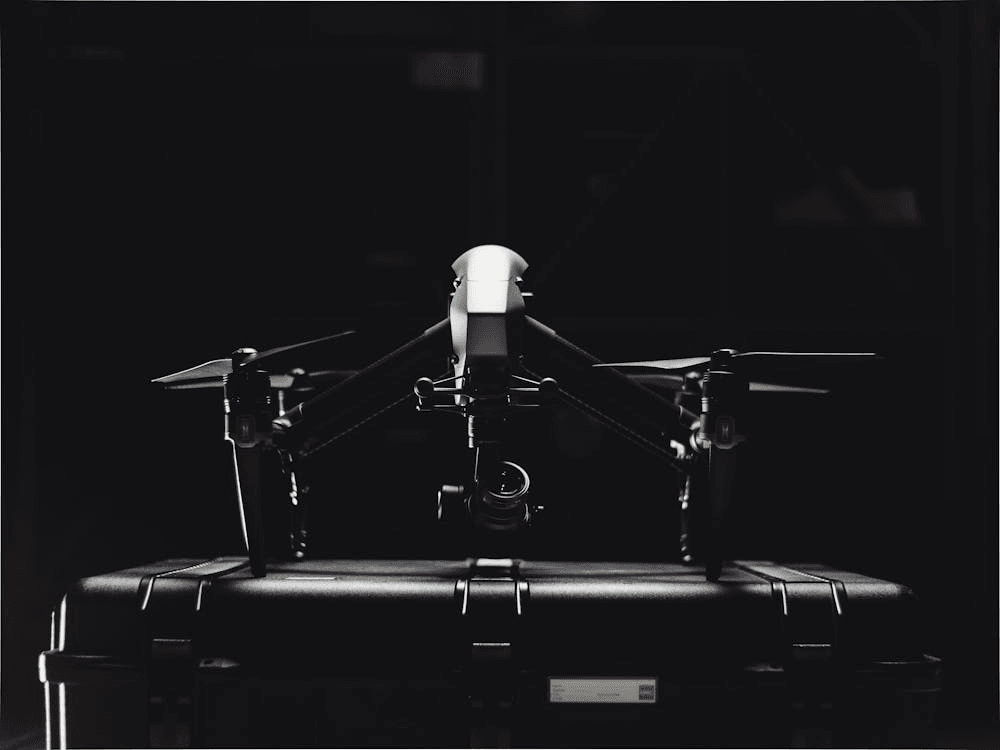
Drones have become a standard part of the modern security toolkit for large-scale operations. They offer a perspective that even high-mast trailers cannot reach by hovering directly over moving groups.
A prototype for a search system recently demonstrated how drones can generate and update situational awareness across a wide range of scenarios.
Pilots can fly these units into tight spaces or over rough terrain to check on perimeter fences. The live feed from a drone can be shared with local police and fire services instantly.
Drones serve as a visible deterrent to keep people from trying to sneak into an event without a ticket. Modern drone systems can assist with tracking crowd movement patterns in real time. This information helps security teams respond faster to congestion or potential safety risks.
Thermal imaging features allow operators to monitor low-visibility areas during nighttime events. Many organizations now integrate drone feeds directly into centralized command centers for better coordination.
Ensuring Public Safety Through Coordinated Efforts
Success in event security depends on how well different teams talk to each other. Mobile command centers serve as the brains of the operation by housing dispatchers and tech experts in one spot.
These vehicles are primarily used by federal, state, and local police and fire services to meet public safety mandates.
Inside these units, officials can monitor every camera and drone feed simultaneously. They use these insights to direct staff to where they are needed most. If a medical emergency happens, the command center can clear a path for an ambulance.
Flexible Hardware For Changing Weather Conditions
Events happen in every climate, from blistering heat to torrential rain. Security gear must be tough enough to handle these elements without failing.
Market trends show that weather-resistant, battery-powered wireless cameras now make up over 60% of shipments since they offer so much flexibility.
- Wireless cameras use encrypted signals to prevent hackers from viewing the live feed.
- Solar-powered units reduce the trip hazards caused by running long cables across walkways.
- High-definition sensors allow for clear facial recognition even in low-light evening settings.
- Ruggedized casings protect delicate internal electronics from dust and moisture.
This durability means the security plan does not fall apart due to the weather turning sour. Units can stay active for the duration of a multi-day festival regardless of the environment. Organizers can rest easy knowing their investment will keep working until the last guest leaves.
Smart City Integration And Public Trust
Mobile security is becoming a part of the broader smart city movement. Some regions are leading the way by using AI for public event security and predicting natural disasters through advanced detection systems.
- Digital signage can be updated via the security network to redirect crowds during a surge.
- Thermal imaging cameras help find missing persons in dark or crowded environments.
- License plate readers at entrances guarantee that only registered vendors enter the site.
- Two-way audio on camera poles allows guards to give instructions to the public remotely.
When people see that an event is well-guarded, they feel more comfortable and enjoy themselves more.
The goal is to provide a safe atmosphere that feels professional rather than intrusive. Balancing high-tech oversight with a welcoming environment is the mark of a well-run event.
Scaling security for a major event is no longer about adding more bodies to the gate. It is about using the right mobile tools to see more and react faster.
As technology continues to improve, these portable systems will become even smaller and more powerful. They provide a scalable solution that fits any budget or venue size.


