
resources
Factors to Consider When Selecting Siding for Your Home
28 Nov 2025

Choosing new siding for your home involves more than matching colors and materials. The right siding affects durability, insulation, maintenance needs, and the overall look of your property. A thoughtful selection supports long-term performance, stronger protection, and a polished exterior that complements your home’s style. Homeowners benefit from understanding how specific features influence both appearance and function. Each material offers its own strengths, so the best choice depends on climate, lifestyle, and long-term goals for property upkeep.
Understanding Durability and Long-Term Performance
Durability matters when selecting siding because exterior surfaces face constant exposure to sunlight, changing temperatures, and moisture. Strong siding lasts longer and requires less frequent care. Materials such as fiber cement, wood, vinyl, brick, and metal each respond differently to these elements, so homeowners must consider how each option handles weather patterns in their region.
Wood delivers a timeless look that adds warmth and character. It requires consistent sealing and painting to remain strong. Vinyl offers affordability and comes in a wide range of colors, yet it may warp under strong heat. Metal provides strong resistance and suits modern design preferences. Fiber cement siding appeals to homeowners who want strength, stability, and long-term curb appeal. It manages harsh weather and moisture far better than wood. Homeowners who start researching siding choices often ask what is Hardie board to understand why this option stands out for durability and design flexibility. This sparks interest in its performance since it supports a cleaner exterior look and reduced maintenance needs.
A strong siding selection prevents structural damage. Secure materials block moisture infiltration, discourage pests, and regulate interior temperatures more efficiently. When siding performs as intended, your home stays protected throughout the year.
Evaluating Maintenance Needs Before Choosing a Material
Maintenance influences the lifetime cost of your siding. Some materials require simple cleaning, while others demand regular repairs or refinishing. Wood needs the most attention because it must stay sealed and protected from moisture. Homeowners who enjoy hands-on home care may appreciate its classic look despite the increased work. Vinyl needs periodic washing to remove dirt and dust. It requires little extra attention unless sections crack under impact.
Fiber cement siding withstands harsh conditions and requires minimal care beyond occasional cleaning. Metal siding performs well with very little maintenance and suits homeowners wanting long-term ease.
Understanding your commitment to upkeep supports smarter decisions. You may prefer a low-maintenance material if you travel often or manage a busy schedule. You may enjoy the character of wood if you feel comfortable maintaining it. Your siding choice affects your daily routines more than you might expect.
Cleaning methods vary depending on texture, finish, and color depth. Smooth surfaces typically collect less debris and need less frequent attention. Dark colors show dirt faster, while lighter shades hide imperfections more effectively. A clear understanding of maintenance requirements ensures your exterior remains attractive without overwhelming your schedule.
Matching Your Home’s Architectural Style
Choosing siding that fits your home’s architectural design enhances curb appeal. Each material communicates a specific aesthetic. Wood suits craftsman-style homes, cottages, and rustic properties. Vinyl adapts well to contemporary and traditional homes because it comes in many colors and textures. Fiber cement provides a wide range of profiles that match modern, classic, or coastal designs. Metal suits industrial or minimalist styles.
Color selection also plays an important role in how the property looks from the street. Soft neutrals create calm, balanced exteriors, while bold dark shades bring dramatic visual appeal. Your home’s surroundings influence color selection too. Homes near wooded areas often look better with natural tones, while coastal or open-lot homes may benefit from brighter or cleaner colors.
Trim accents further shape the final appearance. Coordinated trim highlights architectural features such as windows, rooflines, and entryways. Well-chosen combinations produce a cohesive look that enhances property value and creates a memorable first impression.
Landscape elements may shift how colors appear, so homeowners benefit from testing samples outdoors under various lighting conditions. Natural light changes throughout the day, making certain shades brighter or more muted. Observing these shifts prevents disappointment once the siding installation begins.
Assessing Energy Efficiency and Insulation Value
Siding contributes to your home’s energy performance. Materials that offer strong insulation and weather resistance help maintain indoor comfort. Insulated siding panels reduce heat transfer and improve efficiency during hot and cold seasons. This reduces strain on heating and cooling systems, which supports long-term cost savings.
Vinyl siding with insulation backing helps regulate temperatures. Fiber cement supports energy efficiency when installed with proper underlayment. Metal siding performs well when paired with high-grade insulation layers. Wood naturally regulates temperatures, though proper sealing remains important.
Airflow management plays a crucial role. Secure siding installation prevents gaps and helps block drafts. This improves interior air quality and reduces humidity fluctuations. When siding works with your home’s insulation and structural layers, the entire system performs better.
Homeowners often pair siding upgrades with new windows or improved weather-stripping. These combined improvements create a more efficient overall structure. Siding plays a central role in this process because it forms the first protective layer surrounding your home.
Considering Cost and Long-Term Value
Budget guides most siding decisions. Material costs vary widely, and installation complexity influences the overall investment. While vinyl remains one of the most affordable choices, fiber cement and metal often cost more because of their longevity and strength. Wood falls in the middle depending on type and finish.
Short-term savings do not always reflect long-term value. Affordable materials may require more repairs or earlier replacement, while premium materials last longer and retain a cleaner appearance. Homeowners benefit from evaluating lifetime cost rather than focusing solely on upfront expenses.
Installation quality affects performance as much as the siding material itself. Proper installation prevents warping, gaps, moisture infiltration, and structural damage. Experienced installers help ensure stronger protection and better visual results.
Exterior upgrades influence property value. Buyers appreciate low-maintenance materials, strong weather resistance, and attractive finishes. Well-installed siding contributes significantly to curb appeal and supports better resale outcomes.
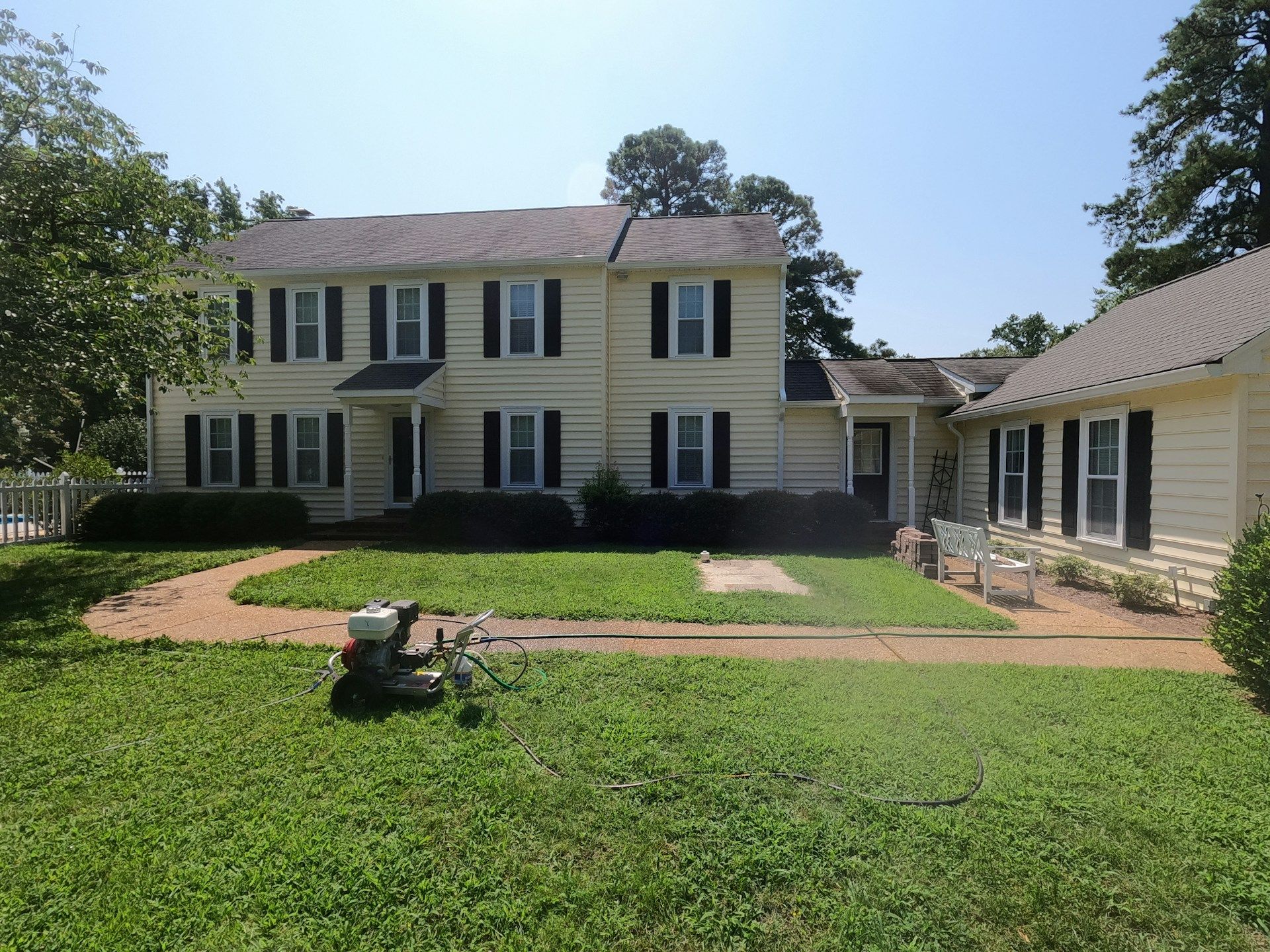
Selecting the right siding involves reviewing durability, maintenance, architecture, energy efficiency, cost, and climate considerations. Each factor shapes how your home performs and how it looks in the long run. Strong siding protects your structure, improves comfort, and boosts property value. When homeowners understand how each material functions, they make informed decisions that support both practicality and visual appeal. A thoughtful siding choice transforms your home’s exterior and provides confidence that your investment will remain strong for years.


