
smart city
Famous Landmarks: Icons of Cityscapes Around the World

Discover some of the most famous landmarks that have been defining cities worldwide, doors into these cities’ rich history, culture, and unique stories.
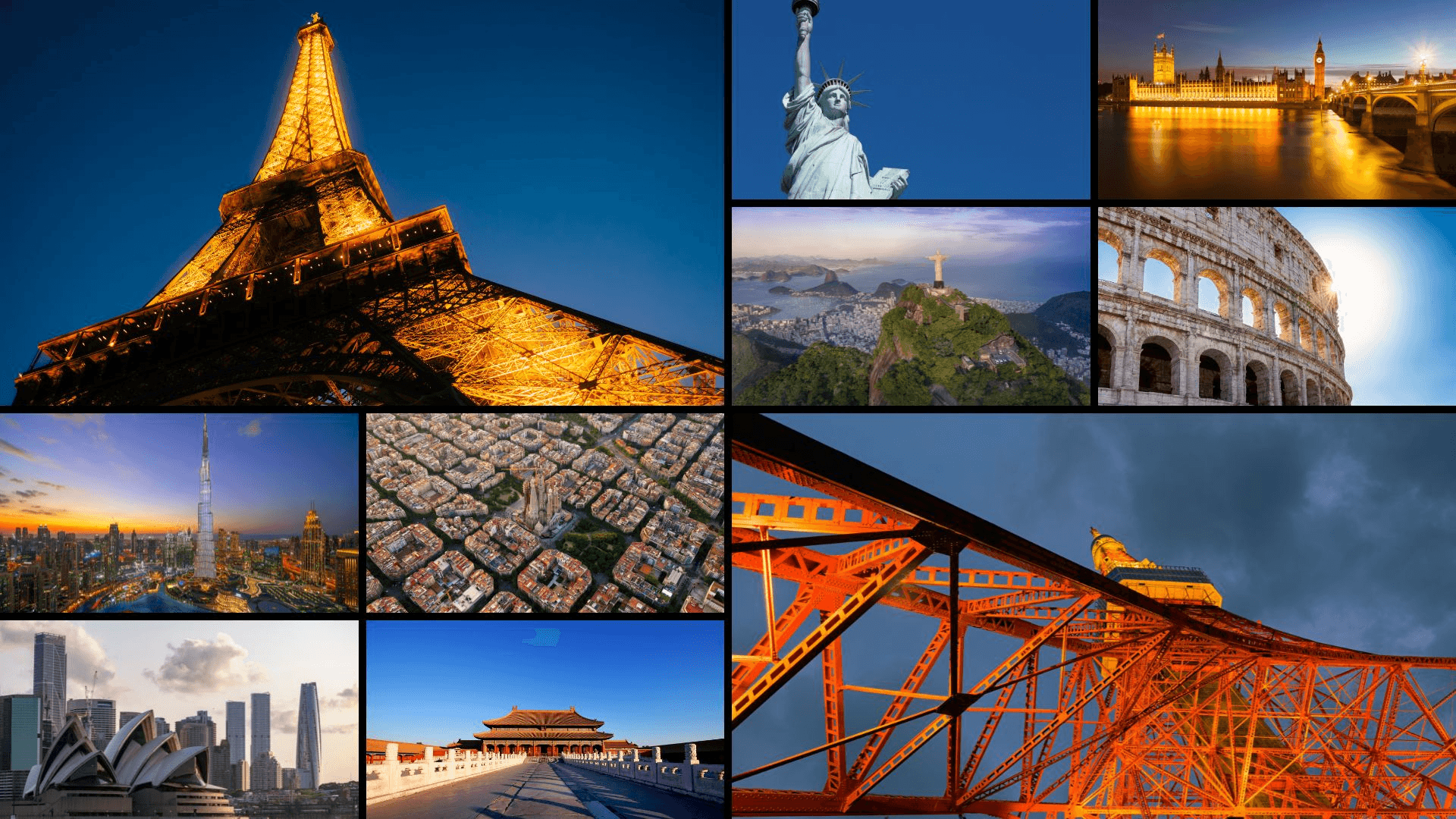
Around the world, cities are often known for their monuments. These famous landmarks often tell the stories of these cities’ history, identity and above all, its people. Therefore these urban icons are not just architectural marvels; they are also symbols of history, culture, and civic pride. Here’s a closer look at some of the world’s cities’ most famous landmarks, their significance, and the unique experiences they are waiting to offer you.
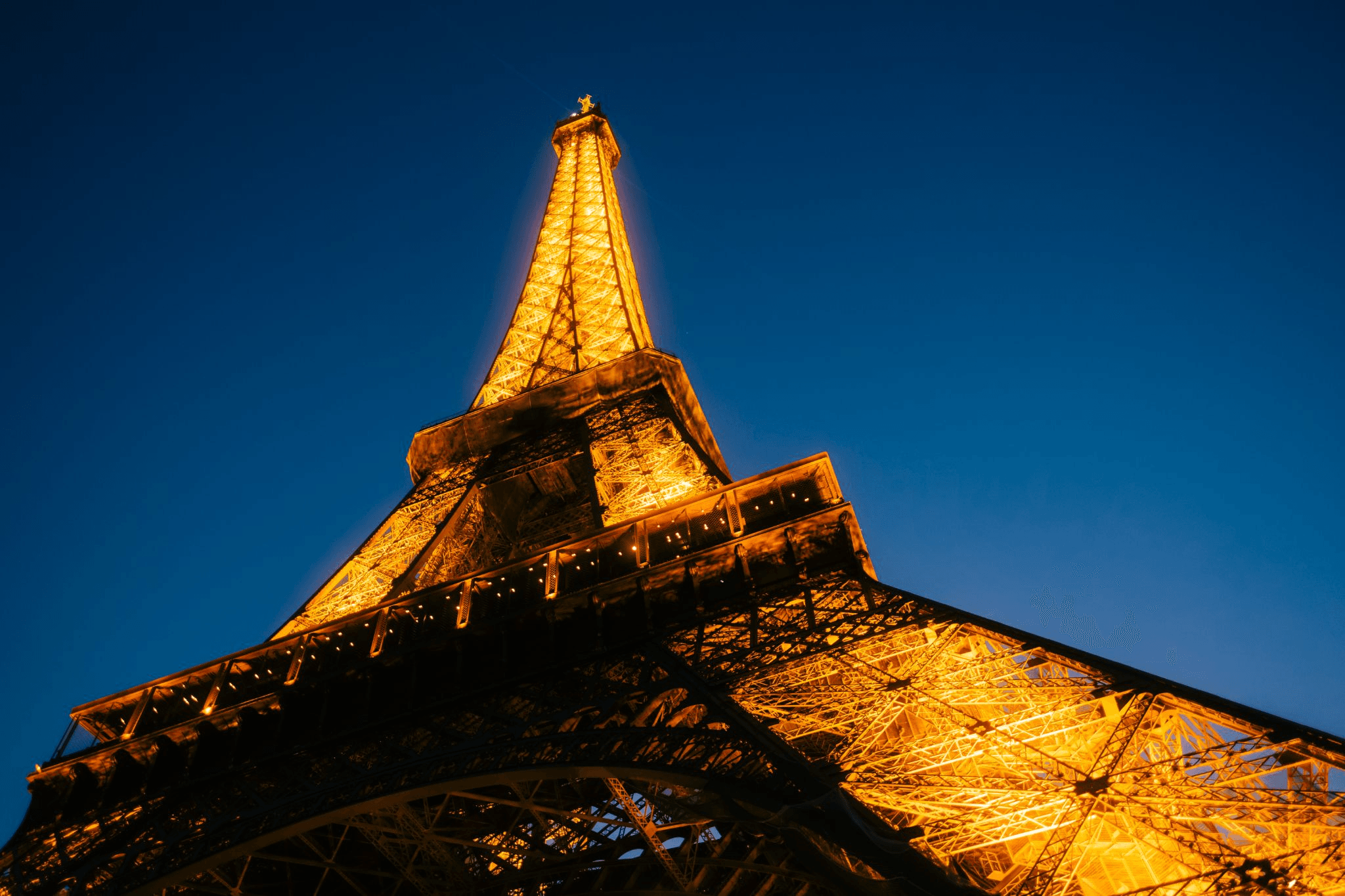
1. Eiffel Tower (Paris, France)
The Iron Lady of Paris
The Eiffel Tower is perhaps one of the world’s most famous landmarks, completed in 1889 for the World’s Fair,it was designed by Gustave Eiffel and initially met with mixed reactions from Parisians. Today, it is undoubtedly the undisputed symbol of Paris and one of the most visited monuments in the world, located in the most visited country on the planet, France hosted over 100 million tourists in 2024 thanks to the Olympic Games! Standing at 330 meters tall, the tower’s iron lattice structure was a revolutionary feat of engineering and remains a masterpiece of industrial design.
Why It Matters
- Cultural Icon: The Eiffel Tower is synonymous with romance, innovation, and the spirit of Paris. It has inspired artists, writers, and dreamers for over a century.
- Visitor Experience: Nearly 7 million people visit annually, enjoying panoramic views from its three observation decks. The tower’s nightly light show, which sparkles for five minutes every hour after sunset, is a must-see.
- Urban Integration: Located on the Champ de Mars, the tower is central to Parisian life, serving as a backdrop for festivals, concerts, and national celebrations.
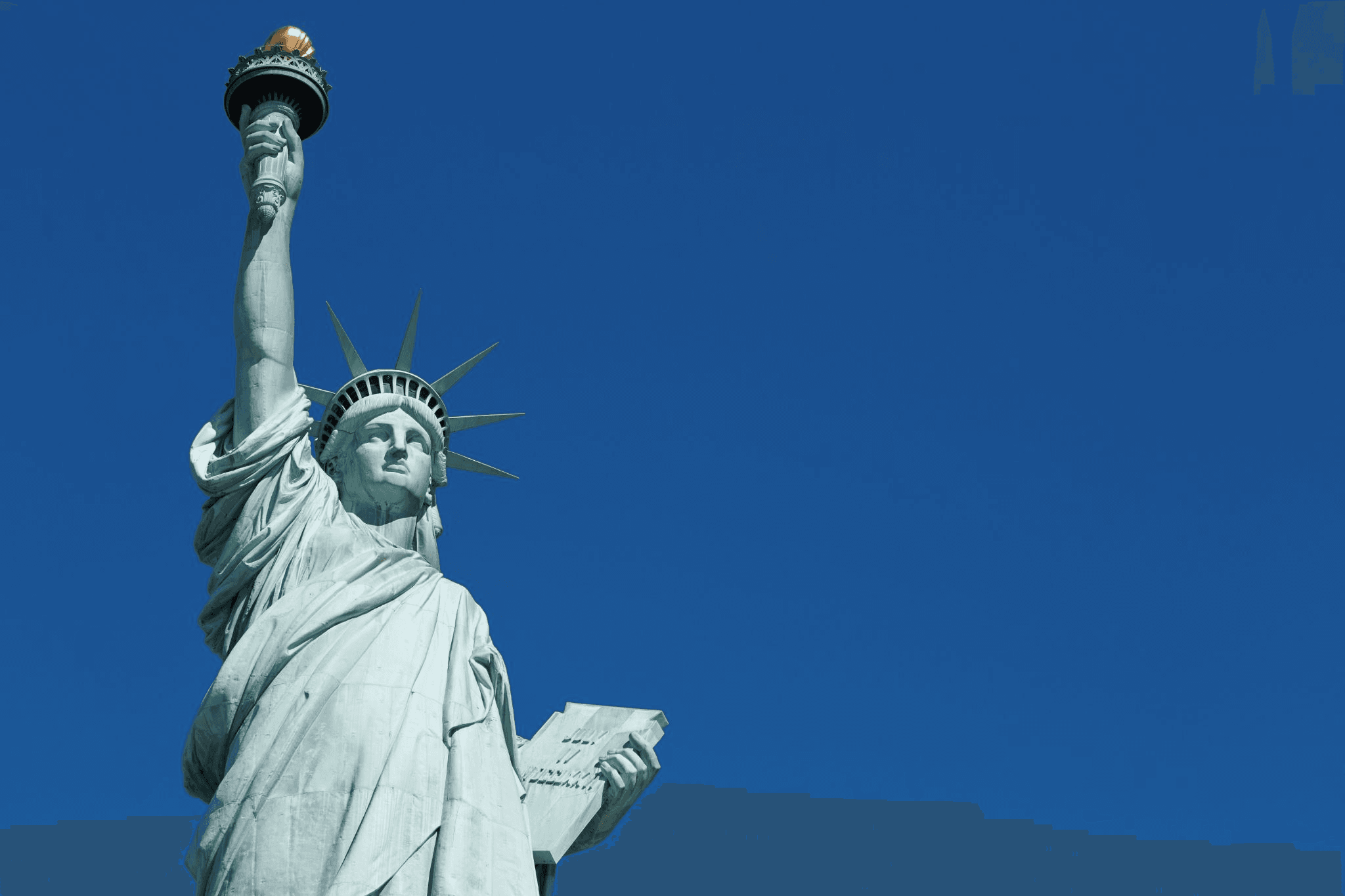
2. Statue of Liberty (New York City, USA)
A Beacon of Freedom
Gifted by France to the United States in 1886, the Statue of Liberty stands on Liberty Island in New York Harbor. Designed by Frédéric Auguste Bartholdi, the statue was a symbol of friendship between the two nations and a welcoming beacon for millions of immigrants arriving in America.
Why It Matters
- Symbol of Democracy: The statue’s torch and tablet (inscribed with the date of the American Declaration of Independence) represent enlightenment and the rule of law.
- Visitor Experience: Visitors can explore the statue’s pedestal and museum, which detail its history and construction. Climbing to the crown offers stunning views of New York City and the harbor.
- Urban Context: The statue is part of the Statue of Liberty National Monument, which includes Ellis Island, where millions of immigrants were processed. It remains a powerful symbol of hope and opportunity.
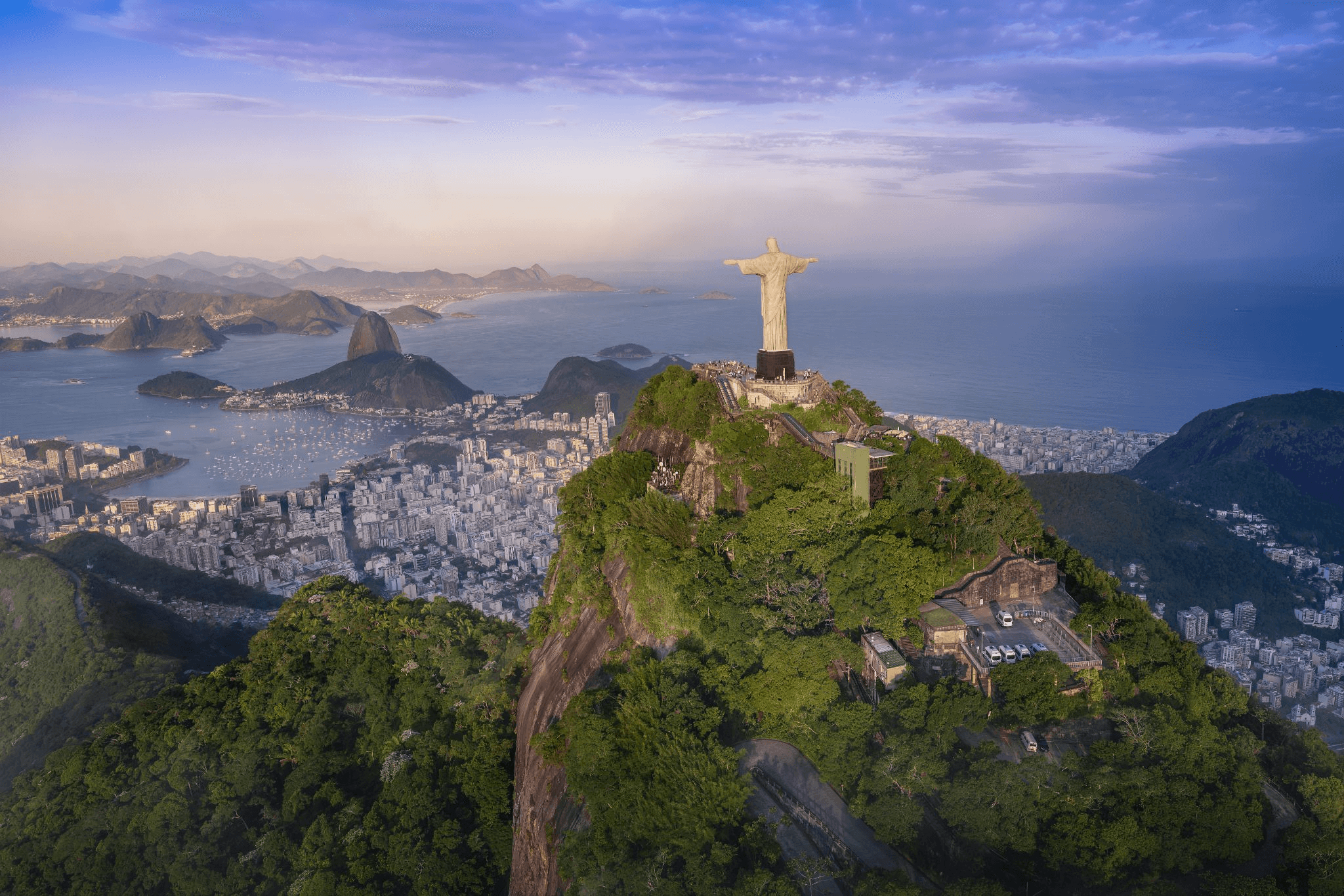
3. Christ the Redeemer (Rio de Janeiro, Brazil)
Watching Over Rio
Perched atop Corcovado Mountain, Christ the Redeemer is an Art Deco statue of Jesus Christ, completed in 1931. Standing 30 meters tall (excluding its pedestal), it overlooks Rio de Janeiro, offering breathtaking views of the city, Sugarloaf Mountain, and the Atlantic Ocean.
Why It Matters
- Religious and Cultural Symbol: The statue is a symbol of Brazilian Christianity and a testament to the city’s vibrant cultural identity.
- Visitor Experience: Accessible by train or van, the site attracts over 2 million visitors annually. The statue is especially stunning at sunrise or sunset, when the light bathes the city in golden hues.
- Urban Integration: Christ the Redeemer is a focal point of Rio’s skyline and a source of local pride, often featured in festivals and events.
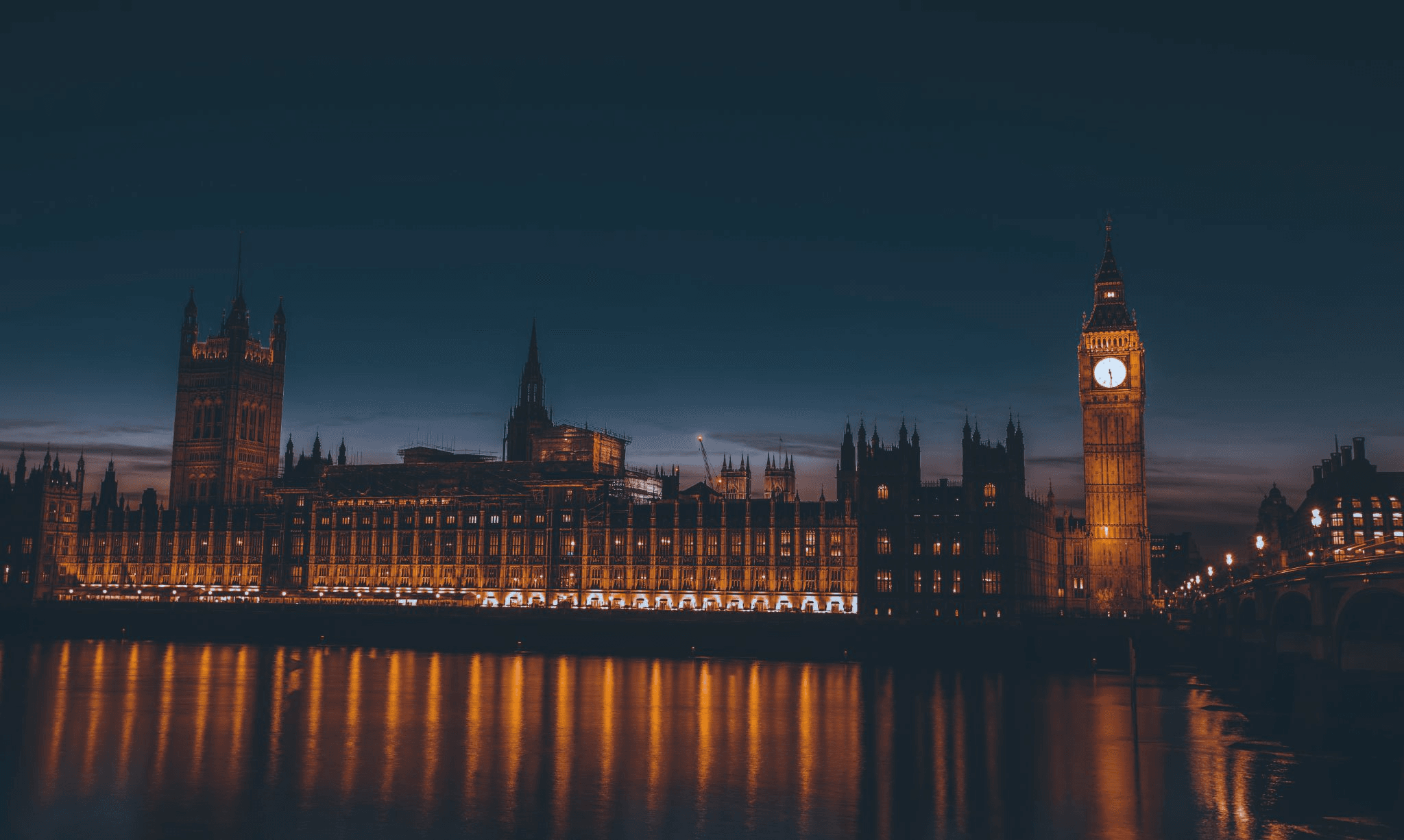
4. Big Ben and the Houses of Parliament (London, UK)
London’s Timekeeper
Big Ben, the nickname for the Great Bell of the clock at the north end of the Palace of Westminster, is one of London’s most recognizable landmarks. The clock tower, officially named the Elizabeth Tower, was completed in 1859 and stands at the eastern end of the Houses of Parliament.
Why It Matters
- Architectural Grandeur: The tower’s Gothic Revival architecture and four-faced clock are iconic symbols of London and the UK.
- Visitor Experience: While the tower’s interior is open to UK residents by arrangement, its exterior is a must-see for tourists. The chimes of Big Ben are broadcast live by the BBC and mark major national events.
- Urban Context: Located along the River Thames, the tower is a central feature of London’s political and historical landscape, often used as a backdrop for protests, celebrations, and royal events.
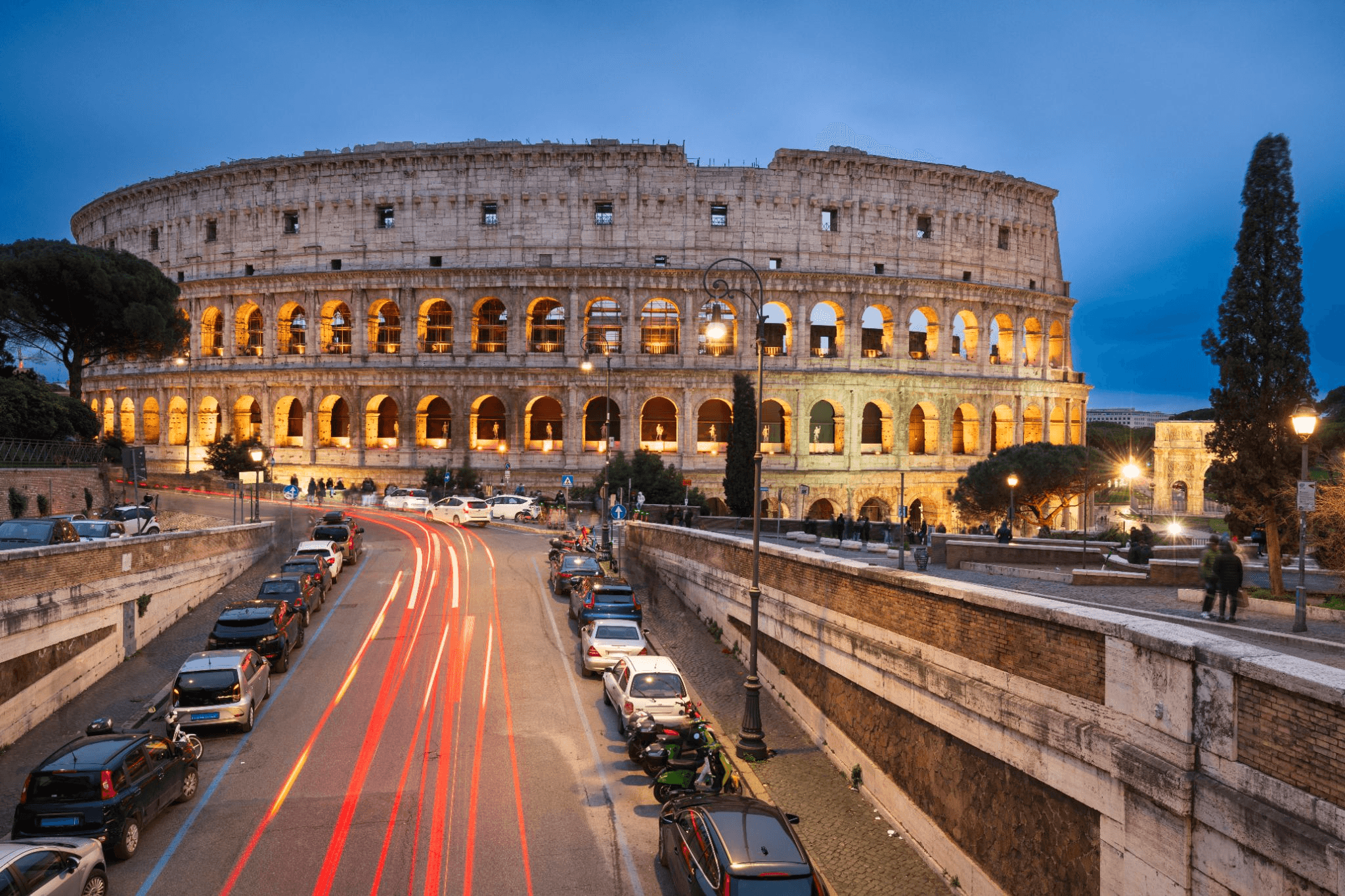
5. The Colosseum (Rome, Italy)
The Eternal City’s Arena
The Colosseum, completed in 80 AD under Emperor Titus, is the largest amphitheater ever built. It could hold up to 80,000 spectators and was used for gladiatorial contests, public spectacles, and dramas based on classical mythology.
Why It Matters
- Historical Significance: The Colosseum is a powerful reminder of the Roman Empire’s grandeur and engineering prowess. It is a UNESCO World Heritage Site and one of the New Seven Wonders of the World.
- Visitor Experience: Tourists can explore the arena floor, underground tunnels, and upper tiers, gaining insight into the lives of gladiators and ancient Romans.
- Urban Integration: Located in the heart of Rome, the Colosseum is surrounded by other ancient landmarks, including the Roman Forum and Palatine Hill, making it a cornerstone of the city’s historical district.
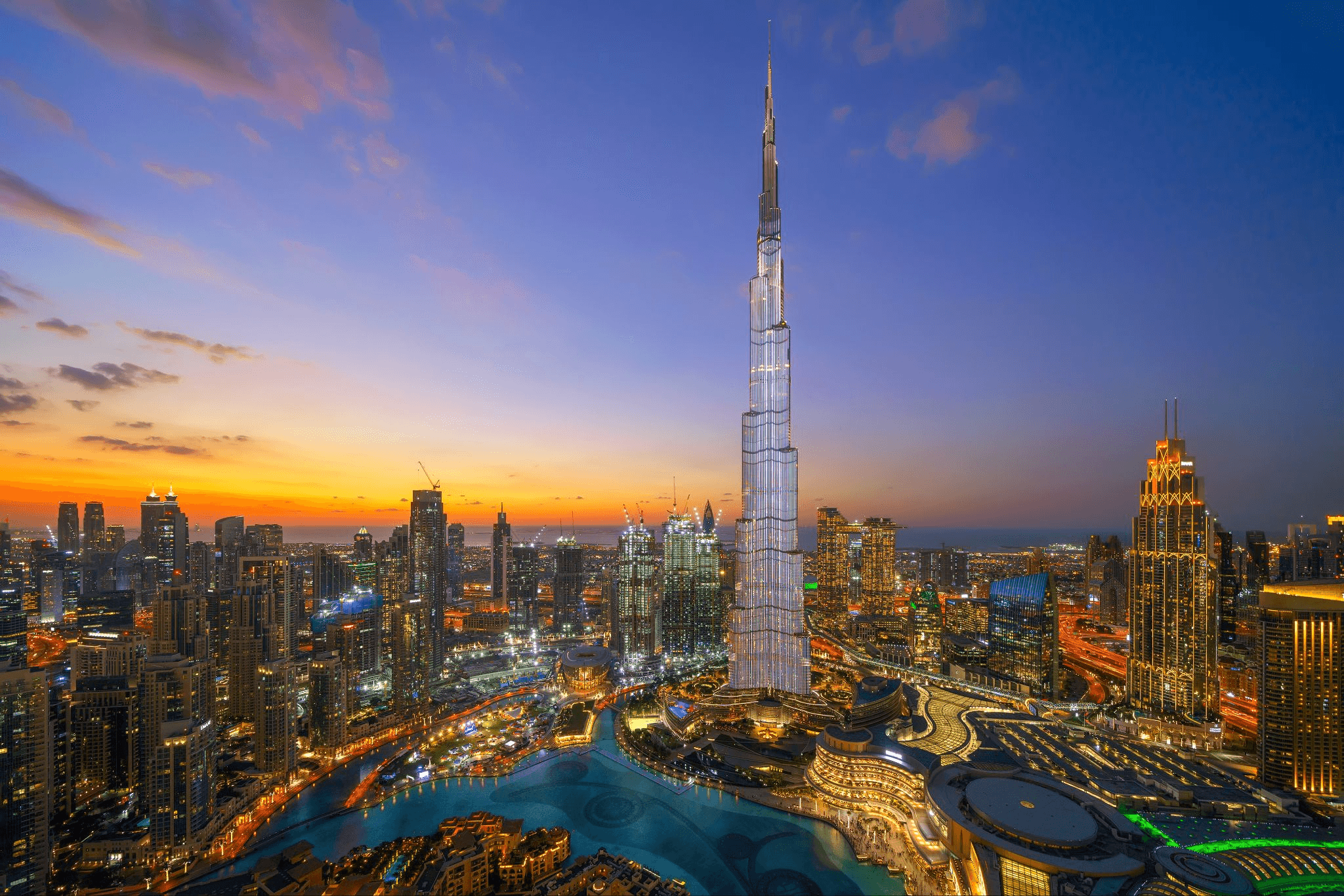
6. Burj Khalifa (Dubai, UAE)
Touching the Sky
The Burj Khalifa, completed in 2010, is the tallest building in the world, standing at 828 meters. Designed by Adrian Smith, the skyscraper is a marvel of modern engineering and a symbol of Dubai’s rapid transformation.
Why It Matters
- Architectural Innovation: The building’s sleek, tapering design was inspired by Islamic architecture and the geometry of desert flowers.
- Visitor Experience: The observation decks on the 124th, 125th, and 148th floors offer unparalleled views of Dubai’s skyline and the Arabian Desert. The building also houses luxury residences, offices, and the Armani Hotel.
- Urban Context: The Burj Khalifa anchors Downtown Dubai, a vibrant district that includes the Dubai Mall, the world’s largest shopping center, and the Dubai Fountain, a choreographed water show.
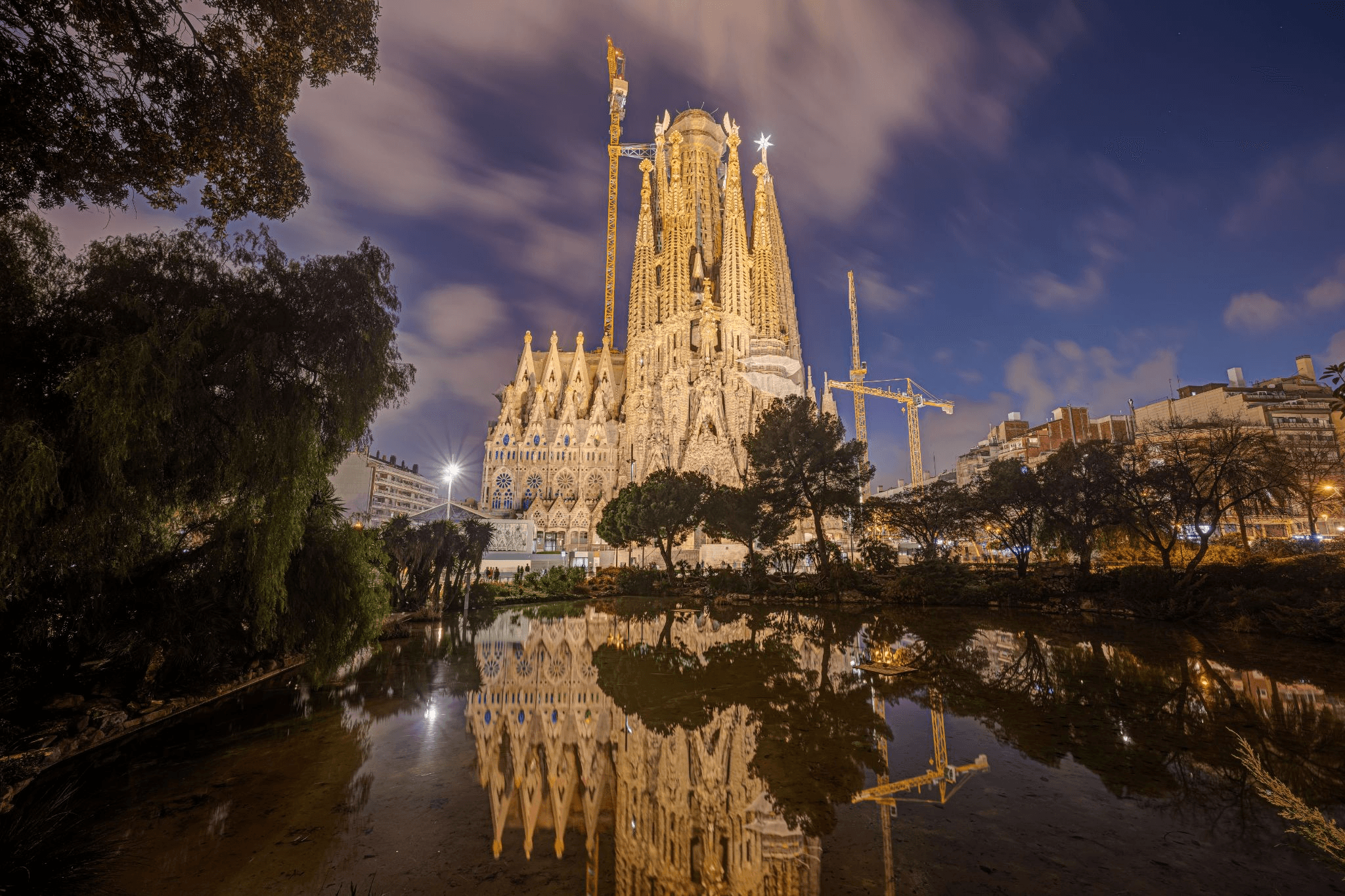
7. Sagrada Família (Barcelona, Spain)
Gaudi’s Unfinished Masterpiece
Antoni Gaudí’s Sagrada Família is a basilica under construction since 1882. Known for its intricate facades and towering spires, the basilica is a UNESCO World Heritage Site and a symbol of Barcelona’s artistic and architectural heritage.
Why It Matters
- Artistic Vision: Gaudí’s design blends Gothic and Art Nouveau styles, creating a structure that is both spiritual and organic. The basilica’s interior is a forest of tree-like columns and stained glass that bathes the space in colorful light.
- Visitor Experience: Over 4.5 million people visit annually, making it one of Spain’s most popular tourist attractions. The ongoing construction, funded by visitor tickets, is expected to be completed by 2026.
- Urban Integration: Located in the Eixample district, the Sagrada Família is a focal point of Barcelona’s cultural life and a testament to the city’s commitment to art and innovation.
8. Sydney Opera House (Sydney, Australia)
A Modern Marvel
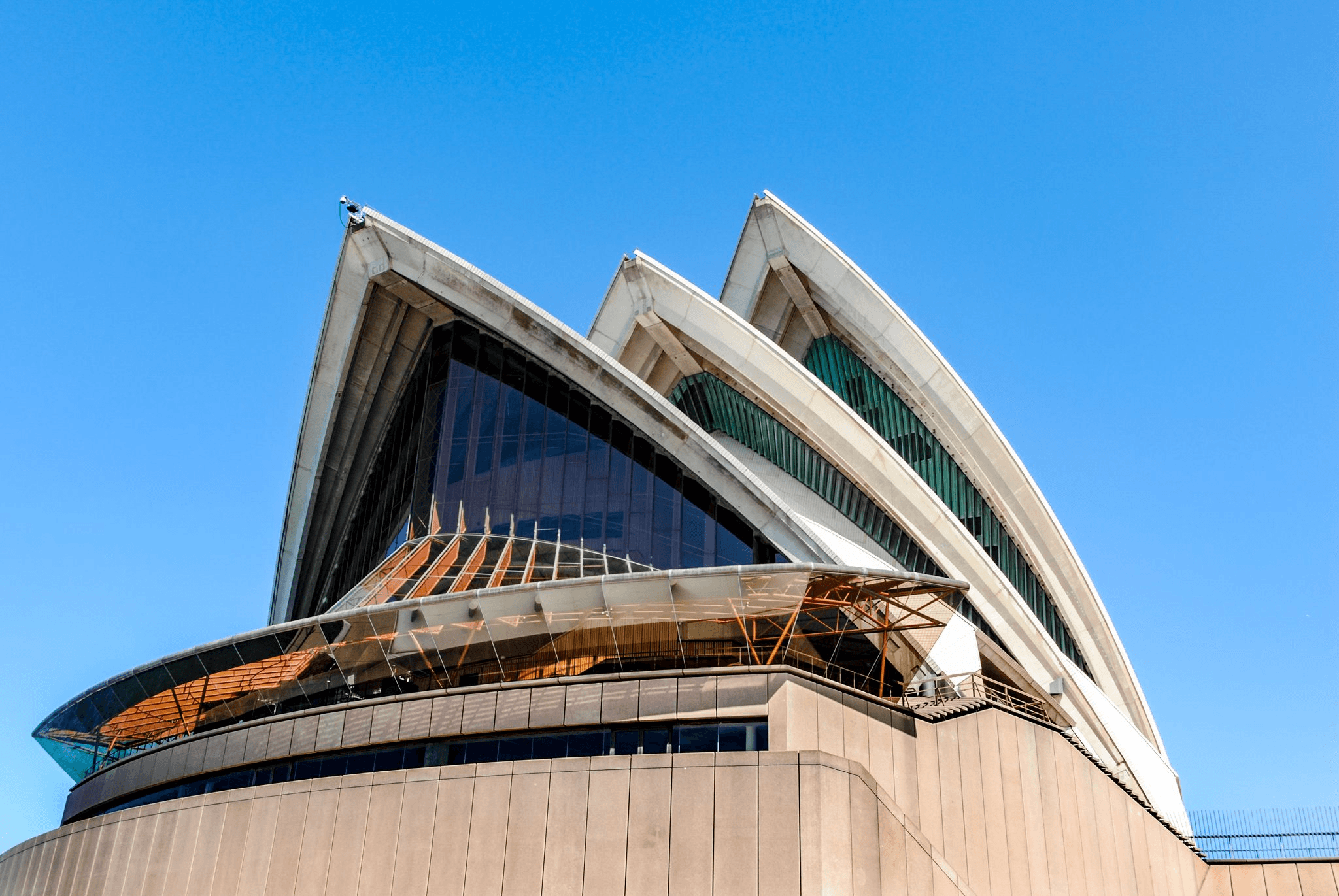
Designed by Jørn Utzon and completed in 1973, the Sydney Opera House is a UNESCO World Heritage Site and one of the most recognizable buildings of the 20th century. Its distinctive sail-like design makes it a symbol of Australia’s creative spirit.
Why It Matters
- Architectural Icon: The Opera House’s design was inspired by the segments of an orange and is covered in over 1 million Swedish-made tiles.
- Visitor Experience: The complex hosts over 1,500 performances annually, including opera, theater, and concerts. Guided tours offer a behind-the-scenes look at its history and design.
- Urban Context: Situated on Bennelong Point in Sydney Harbour, the Opera House is a central feature of the city’s cultural life and a gathering place for locals and tourists alike.
9. The Forbidden City (Beijing, China)
China’s Imperial Heart
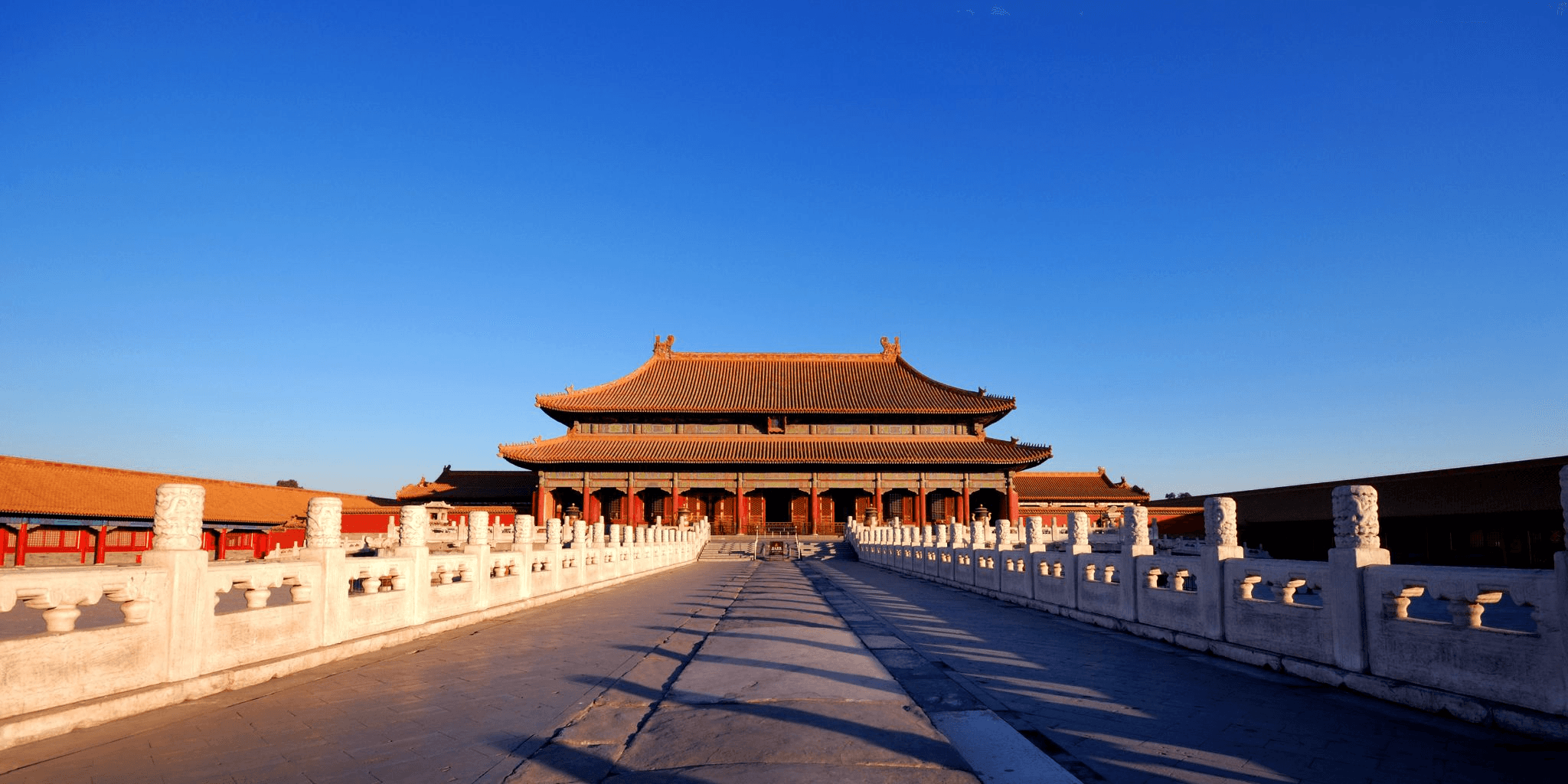
The Forbidden City, located in the center of Beijing, was the Chinese imperial palace from the Ming Dynasty to the end of the Qing Dynasty (1420 to 1912). It served as the home of 24 emperors and their households, as well as the ceremonial and political center of Chinese government for nearly 500 years.
Why It Matters
- Historical Significance: The Forbidden City is the largest and most complete ancient wooden structure complex in the world, covering 720,000 square meters. It is a UNESCO World Heritage Site and a symbol of China’s imperial past.
- Visitor Experience: The palace complex includes 980 surviving buildings with 8,704 rooms, surrounded by a 10-meter-high wall and a 52-meter-wide moat. Visitors can explore the Hall of Supreme Harmony, the Palace of Heavenly Purity, and the Imperial Garden, among other landmarks.
- Urban Integration: Situated at the northern end of Tiananmen Square, the Forbidden City is a central feature of Beijing’s cultural and historical identity. It is surrounded by modern infrastructure but retains its ancient grandeur, making it a must-visit for anyone exploring China’s capital.
10. Tokyo Tower (Tokyo, Japan)
Tokyo’s Iconic Landmark
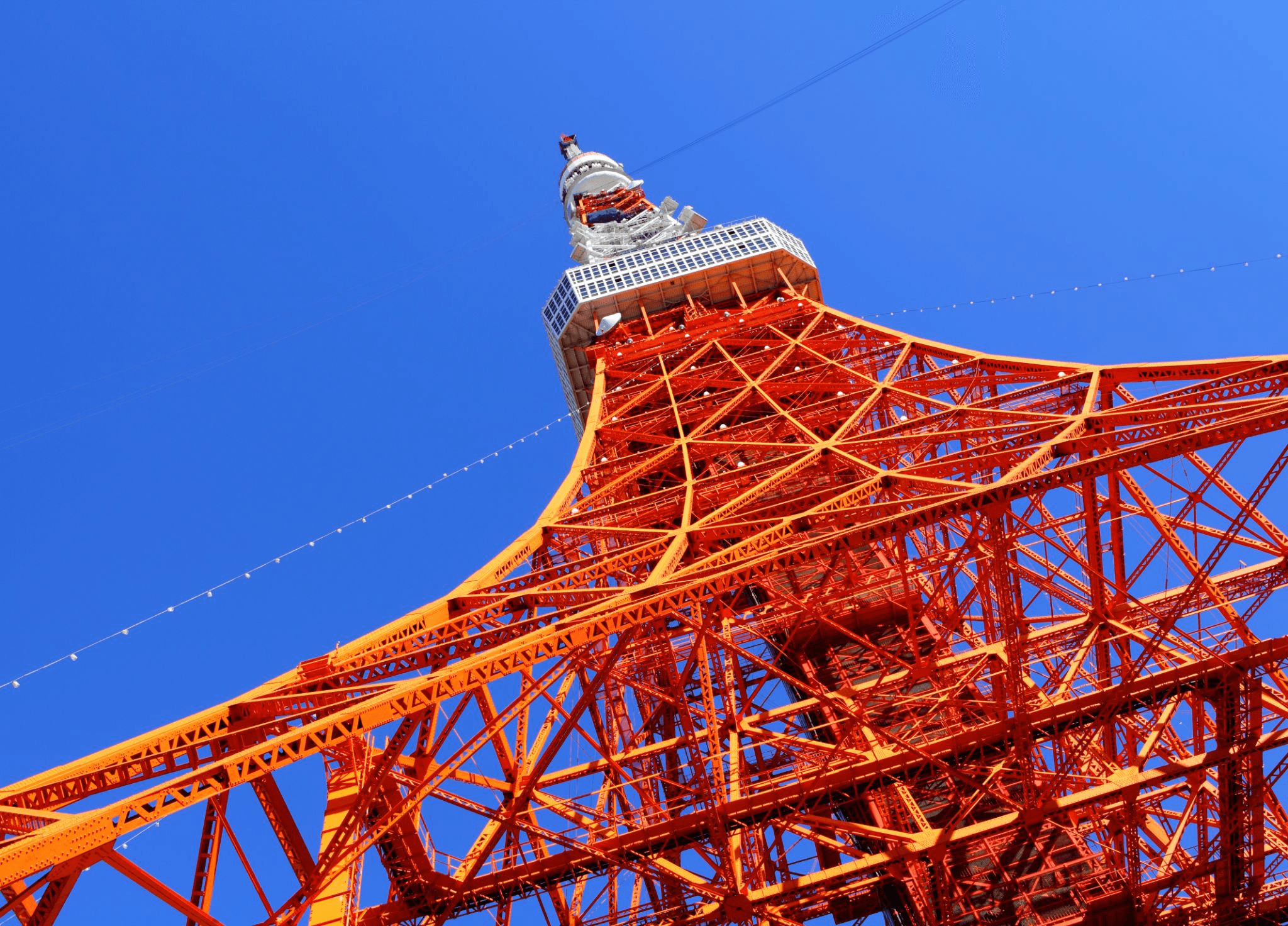
Inspired by the Eiffel Tower, Tokyo Tower was completed in 1958 and stands at 332.9 meters tall. It was the tallest self-supporting steel tower in the world until 2010 and remains a beloved symbol of Tokyo’s post-war rebirth and modernization.
Why It Matters
- Engineering and Design: Tokyo Tower’s lattice structure is painted in international orange and white, making it a striking feature of Tokyo’s skyline. It was designed to withstand earthquakes and typhoons, showcasing Japan’s engineering prowess.
- Visitor Experience: The tower features two observation decks, FootTown (a four-story building at its base with shops and museums), and seasonal illuminations that attract millions of visitors each year.
- Urban Integration: Located in the Minato ward, Tokyo Tower is a central landmark and a popular spot for both tourists and locals. It is surrounded by parks, shopping districts, and cultural attractions, making it a vibrant part of Tokyo’s urban fabric.
Final Thoughts
Urban monuments are more than just famous landmarks; they are the soul of a city. They reflect its history, values, and aspirations, serving as gathering places for celebration, reflection, and community. Whether ancient or modern, these monuments shape the identity of their cities and leave a lasting impression on all who visit.


