


business resources
Fast Solutions When Cars Cause City Travel Delays
21 Mar 2026

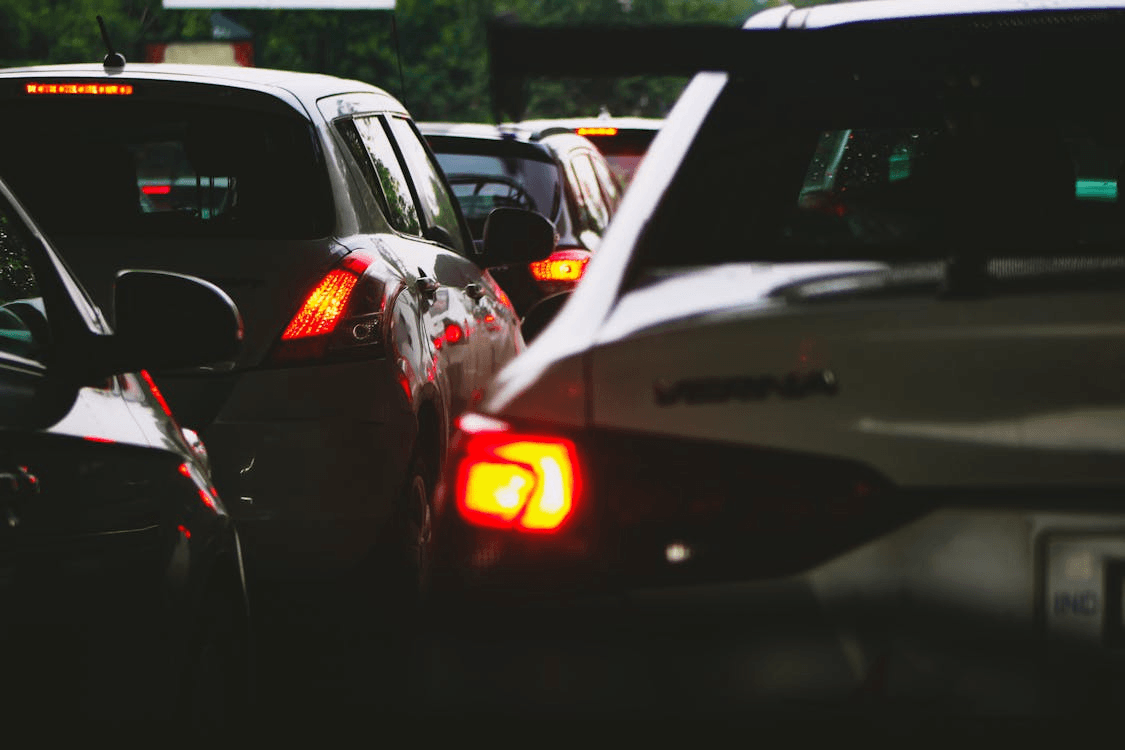
Traffic jams are a common part of living in a big city. We often find ourselves stuck behind a long line of cars without knowing the cause. This waiting adds stress to our mornings and makes us late for work or appointments.
These delays happen for many reasons, such as accidents or stalled vehicles on the road. Finding fast solutions is the only way to keep our streets clear and our schedules on track.
Immediate Steps For Roadside Issues
Quickly moving a disabled vehicle is a top priority for every commuter. When a car stops in a travel lane, it creates a ripple effect that slows down everyone for miles.
This problem grows fast if the car stays in place for a long time. Many drivers find themselves speaking to a towing company after an unexpected breakdown in the middle of a busy lane. This simple choice helps restore the flow of traffic before things get worse. It is the fastest way to clear a path for other people on the road.
Staying safe during a wait for help is just as meaningful as clearing the path. Drivers should stay with their vehicles and use hazard lights to warn others of the blockage.
The Economic Impact Of Delays
Traffic is more than just a minor annoyance for people on their way to work. It has a massive effect on the national economy every single year. We lose money and time every minute we sit still on the highway.
Fuel costs and lost productivity add up quickly when thousands of cars are idling. These costs impact businesses and families in every neighborhood. The waste of resources is a major concern for city leaders in every state.
A news report shared that Americans lost 63 hours to traffic in 2024, which cost the nation $269 billion. These numbers show why finding fast solutions is so critical for our future.
Improving Clearance Times
Government agencies are working hard to manage road incidents more effectively. They use cameras and sensors to find problems the moment they happen on the freeway. This technology allows teams to react before a small crash turns into a major delay.
Fast response teams can reach a crash site in just a few minutes. This speed helps prevent secondary accidents from happening in the backup behind the first wreck. Keeping the scene organized is a key part of their daily work.
One government report found that even with an 8.3% increase in road incidents, clearance times actually improved by 8.4%. This progress helps keep city travel moving even on the busiest days of the week.
New Strategies For Busy Areas
Cities are looking at creative ways to manage the number of cars on the road. Some locations are testing technology to better control the flow of vehicles through intersections. These ideas aim to make the most of the space we already have.
There are several methods currently being explored to help reduce the daily crawl:
- Implementing fees for driving in the busiest parts of town.
- Improving the reliability of bus and train schedules.
- Using smart traffic lights that change based on real-time data.
A recent economic survey suggested that congestion pricing in dense business districts could help cut emissions and improve travel. These changes might feel big, but they offer a path to faster commutes in the future.
Managing city travel is a team effort between drivers and city planners. By using smart tools and acting fast during breakdowns, we can all get home much sooner. We can make our streets better by paying attention and making good choices.
Small changes in how we respond to road issues make a big difference for everyone. Keeping the lanes moving helps everyone enjoy a smoother and safer journey every day.


