
About UsMembershipMarketplaceResourcesGlobal Business Atlas
Top AI CompaniesTop Blockchain Influencers & AuthorsTop Global Digital AgenciesBusinessabc Country IndexesTop Accelerators and Chambers of CommerceTop Public Companies by MarketcapBusinessabc Education IndexesTop Malaysian Companies
DirectoryCompaniesLeadersInvestorsUniversitiesOrganisations
Loading article…
Logo

Businessabc provides digital business directory, digital blockchain AI certification, resources, and marketplace for businesses, organisations, and professionals.

Contacts

Email
Contact

Follow Us

Created Produced

Partner logo
Partner logo

Tech AI Media Platforms

Partner logo
Partner logo
Partner logo
Partner logo
Partner logo
Partner logo
Partner logo
Partner logo
Partner logo
Partner logo
Partner logo
Partner logo

Copyright 2026 © Businessabc powered by

Powered by ztudium group

DisclaimerPrivacy PolicyTerms of Service

Trader Education

Forex Trading Fundamental Analysis Masterclass – Part 7

Peyman Khosravani

03 Jun 2016

Forex Trading Fundamental Analysis Masterclass – Part 7

Types of Monetary Policy

Earlier in this series, we mentioned the fact that governments and central banks set policies in an effort to encourage certain economic conditions, such as stimulating growth or keeping inflation under control.

Although there tends to be a lot of similarities in terms of the overall goals of various central banks, the specific goals of central banks can change in accordance with the particular economic conditions faced by the countries in question. At the end of the day, monetary policy is all about creating the conditions for growth, while keeping prices relatively stable. In order to achieve these aims, central banks their tools to control things such as:

  • Interest rates
  • Inflation,
  • The supply of money
  • Reserve requirements over banks
  • Discount window lending to commercial banks

There are three main types of monetary policy: expansionary; restrictive/contractionary; and neutral.

Expansionary Policy

An expansionary monetary policy is one where the central bank either decreases the interest rate or expands/increases the money supply. The end result of both these actions is to reduce the cost of borrowing, with the aim of encouraging spending and investment. When this policy is based purely around lowering interest rates, it is known as an accommodative policy.
forex monetary policy
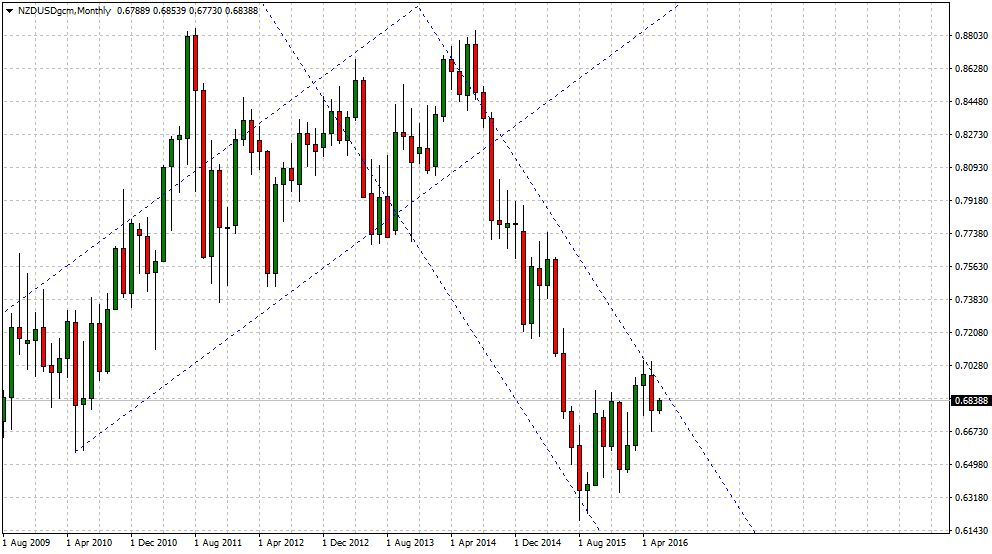
The Reserve Bank of New Zealand (RBNZ) lived through an expansionary monetary policy moving rates from 2.50 to 3.50 between 2009 and 2014.

Restrictive/Contractionary Policy

A contractionary or restrictive monetary policy is one where the supply of money is reduced, and this can often be accompanied by raising interest rates. A policy of purely raising the interest rates is known as a ‘tight’ monetary policy.
monetary policy
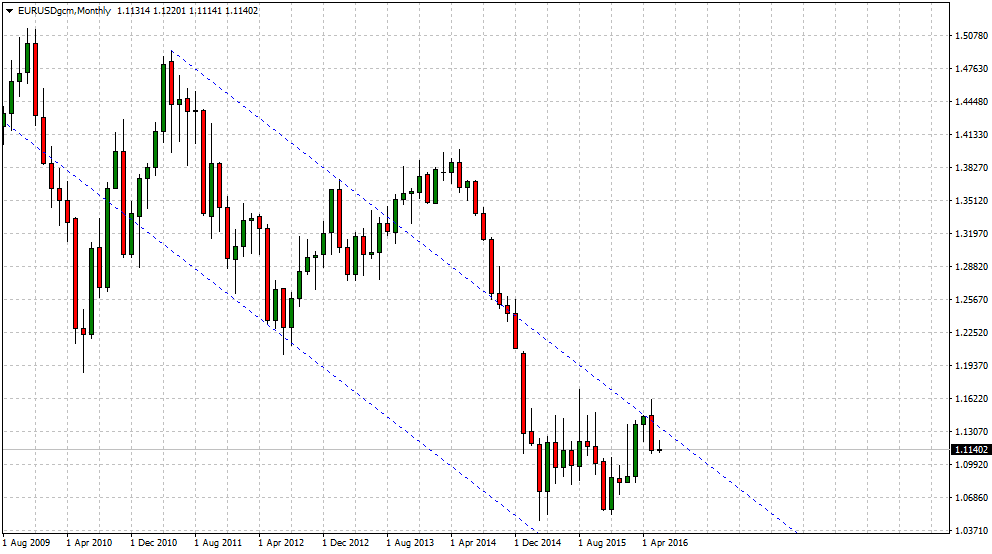
The European Central Bank (ECB) enjoyed the euro victory, however, it trades today at 1.1135 due monetary policy changes.

The aim of this is to slow down the rate of economic growth by making borrowing money more expensive and difficult, which will reduce spending and investment by consumers and businesses.

Neutral Policy

A neutral monetary policy is intended neither to fight inflation or create growth and would be implemented when the economy is in good shape and does not require central bank intervention in order to keep it that way.
monetary policy
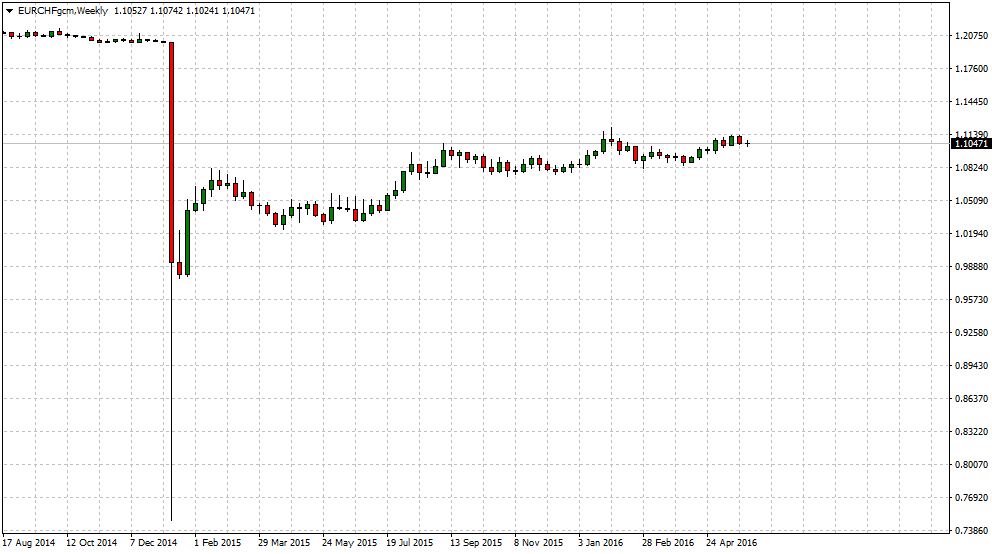
The Swiss National Bank (SNB) has a limited change in its monetary policy. The exception; EURCHF exchange rate crash back in 2015.

Other articles in this series:

Forex Trading Fundamental Analysis Masterclass Part 1
Forex Trading Fundamental Analysis Masterclass Part 2
Forex Trading Fundamental Analysis Masterclass Part 3
Forex Trading Fundamental Analysis Masterclass Part 4
Forex Trading Fundamental Analysis Masterclass Part 5
Forex Trading Fundamental Analysis Masterclass Part 6
Forex Trading Fundamental Analysis Masterclass Part 7
Forex Trading Fundamental Analysis Masterclass Part 8
Forex Trading Fundamental Analysis Masterclass Part 9
Forex Trading Fundamental Analysis Masterclass Part 10
Forex Trading Fundamental Analysis Masterclass Part 11
Forex Trading Fundamental Analysis Masterclass Part 12
Forex Trading Fundamental Analysis Masterclass Part 13
Forex Trading Fundamental Analysis Masterclass Part 14
Forex Trading Fundamental Analysis Masterclass Part 15

Previous

Forex Trading Fundamental Analysis Masterclass – Part 6

Next

Forex Trading Fundamental Analysis Masterclass – Part 8

Share

Peyman Khosravani

Peyman Khosravani

Industry Expert & Contributor

Peyman Khosravani is a global blockchain and digital transformation expert with a passion for marketing, futuristic ideas, analytics insights, startup businesses, and effective communications. He has extensive experience in blockchain and DeFi projects and is committed to using technology to bring justice and fairness to society and promote freedom. Peyman has worked with international organisations to improve digital transformation strategies and data-gathering strategies that help identify customer touchpoints and sources of data that tell the story of what is happening. With his expertise in blockchain, digital transformation, marketing, analytics insights, startup businesses, and effective communications, Peyman is dedicated to helping businesses succeed in the digital age. He believes that technology can be used as a tool for positive change in the world.

Read more

More Articles

article cover

$1.1 Billion In Crypto Stolen Since 1.1.18

article cover

1.9 Million UK Buildings Require Urgent Energy Efficiency Overhaul

article cover

#1 Cosmetic Dentist in New York City – Dr. Pia Lieb from Cosmetic Dentistry Center NYC (2026)

article cover

1 in 3 Big Business Audits Fail to Meet UK Standards - FRC Reveals as KPMG is Fined £13 Million

article cover

10,000 Garments Later: How The Massing Group Answered the Palisades and Altadena Fires

article cover

10 Benefits of Using Church Accounting Software