
resources
From Start to Finish: The Role of Freight Forwarding in Shipping Logistics
10 Sept 2025

The movement of goods across borders is vital for businesses of all sizes. From small e-commerce retailers to multinational corporations, companies rely on efficient logistics to ensure products reach their destinations on time and in good condition. At the heart of this process lies freight forwarding, a service that manages the complex steps involved in shipping goods domestically and internationally.
Freight forwarders act as intermediaries, connecting shippers with carriers, and navigating regulations, documentation, and logistical challenges. By handling these responsibilities, they allow businesses to focus on operations while ensuring their products move seamlessly through global supply chains.

Understanding the Basics of Freight Forwarding
Freight forwarding is a specialized service designed to coordinate the transportation of goods across various modes, including air, sea, rail, and road. Freight forwarders don’t usually own the vessels, planes, or trucks that carry the goods; instead, they leverage partnerships and expertise to manage logistics efficiently. For businesses that deal with international freight forwarding, this role is particularly critical. Moving goods across borders involves complex documentation, customs clearance, and compliance with trade regulations. A forwarder’s expertise reduces the risk of delays, fines, or lost cargo. They negotiate with carriers to secure favorable rates and routes, balancing cost, time, and reliability. Freight forwarding simplifies what would otherwise be an overwhelming process for many companies.
Managing Documentation and Compliance
One of the most time-consuming aspects of shipping logistics is managing the paperwork. Bills of lading, commercial invoices, packing lists, certificates of origin, and customs declarations are just a few of the documents required to move goods legally. Errors or omissions in these documents can result in costly delays, penalties, or even the seizure of goods.
Freight forwarders ensure that all necessary documentation is prepared accurately and submitted on time. They stay updated on international trade laws and regulations, which vary from country to country and are often subject to change. For companies unfamiliar with these complexities, relying on a forwarder reduces risk and provides peace of mind. By ensuring compliance, freight forwarders protect shipments and safeguard a business’s reputation and customer relationships.
Coordinating Transportation Modes
Another key responsibility of freight forwarders is coordinating different transportation modes to create efficient shipping solutions. A shipment may start by truck, transfer to a cargo ship, continue by rail, and finally complete its journey by air. Each transfer introduces potential risks and delays if not carefully managed.
Freight forwarders specialize in multimodal transport, ensuring goods are transferred smoothly between carriers and modes. They select the most cost-effective and timely routes, balancing factors like distance, cargo type, and urgency. This coordination is valuable for industries with strict delivery deadlines, such as retail, pharmaceuticals, or manufacturing. By streamlining transportation, forwarders maximize efficiency and reduce costs.
Risk Management and Cargo Insurance
Shipping goods across long distances carries inherent risks. Weather disruptions, accidents, theft, and mishandling can all affect the condition of cargo. Freight forwarders help businesses manage these risks by offering cargo insurance options tailored to the value and nature of the goods being shipped.
Forwarders proactively monitor shipments, track progress, and anticipate potential disruptions. If an issue arises, such as a port strike or a delay in customs, they step in to find solutions, rerouting shipments if necessary. This proactive approach minimizes financial losses and ensures that businesses can maintain reliable supply chains even under challenging circumstances.
Leveraging Technology for Visibility
Technology has transformed freight forwarding, turning what was once a largely paper-based and opaque process into one characterized by transparency, speed, and control. In the past, businesses often had limited visibility into their shipments once they left the warehouse, relying on periodic updates or manual communication with carriers. Digital tools have revolutionized this dynamic, providing companies with real-time access to shipping data and enabling proactive management of their supply chains.
Many forwarders now offer robust digital platforms or customer portals where businesses can track shipments as they move across different modes of transport. These platforms provide real-time status updates, GPS-enabled tracking, and instant access to critical documentation such as bills of lading, customs forms, and invoices.
Instead of chasing updates via phone or email, shippers can log into a single dashboard and see exactly where their goods are, how long they will take to arrive, and whether any issues require attention. This level of transparency builds confidence and allows businesses to plan more effectively around delivery timelines, inventory management, and customer commitments.
Supporting Small and Large Businesses Alike
Freight forwarding isn’t just a service reserved for multinational corporations, it plays an important role for businesses of every size. From local start-ups looking to expand internationally to global enterprises managing complex supply chains, forwarders provide expertise and resources that make cross-border shipping more accessible, reliable, and cost-effective.
For small and medium-sized businesses, freight forwarding can be a game-changer. Many of these companies lack the dedicated logistics teams or infrastructure to handle international shipping on their own. Without this expertise, navigating customs regulations, documentation requirements, or carrier negotiations can quickly become overwhelming and costly.
Freight forwarders level the playing field by granting smaller companies access to extensive carrier networks, competitive shipping rates, and compliance guidance that would otherwise be out of reach. This support allows smaller firms to enter new markets with confidence, positioning them to compete alongside much larger rivals.
The Future of Freight Forwarding
As global trade continues to evolve, freight forwarding will remain a cornerstone of shipping logistics, adapting to new demands and challenges that shape international commerce. The industry is no longer defined solely by moving goods from one point to another; it is becoming a strategic partner in helping businesses achieve efficiency, sustainability, and resilience in increasingly complex markets.
One of the most prominent trends shaping the future of freight forwarding is the growing emphasis on sustainability. Businesses and consumers alike are calling for greener logistics solutions, and freight forwarders are responding by adopting eco-friendly practices. Optimizing shipping routes to reduce fuel consumption, consolidating cargo to minimize waste, and partnering with carriers that use low-emission vehicles or vessels are becoming standard practices.
Forwarders are even exploring carbon offset programs and renewable energy initiatives to further reduce environmental impact. These changes benefit the planet and strengthen supply chains by aligning with stricter international regulations and corporate sustainability goals.
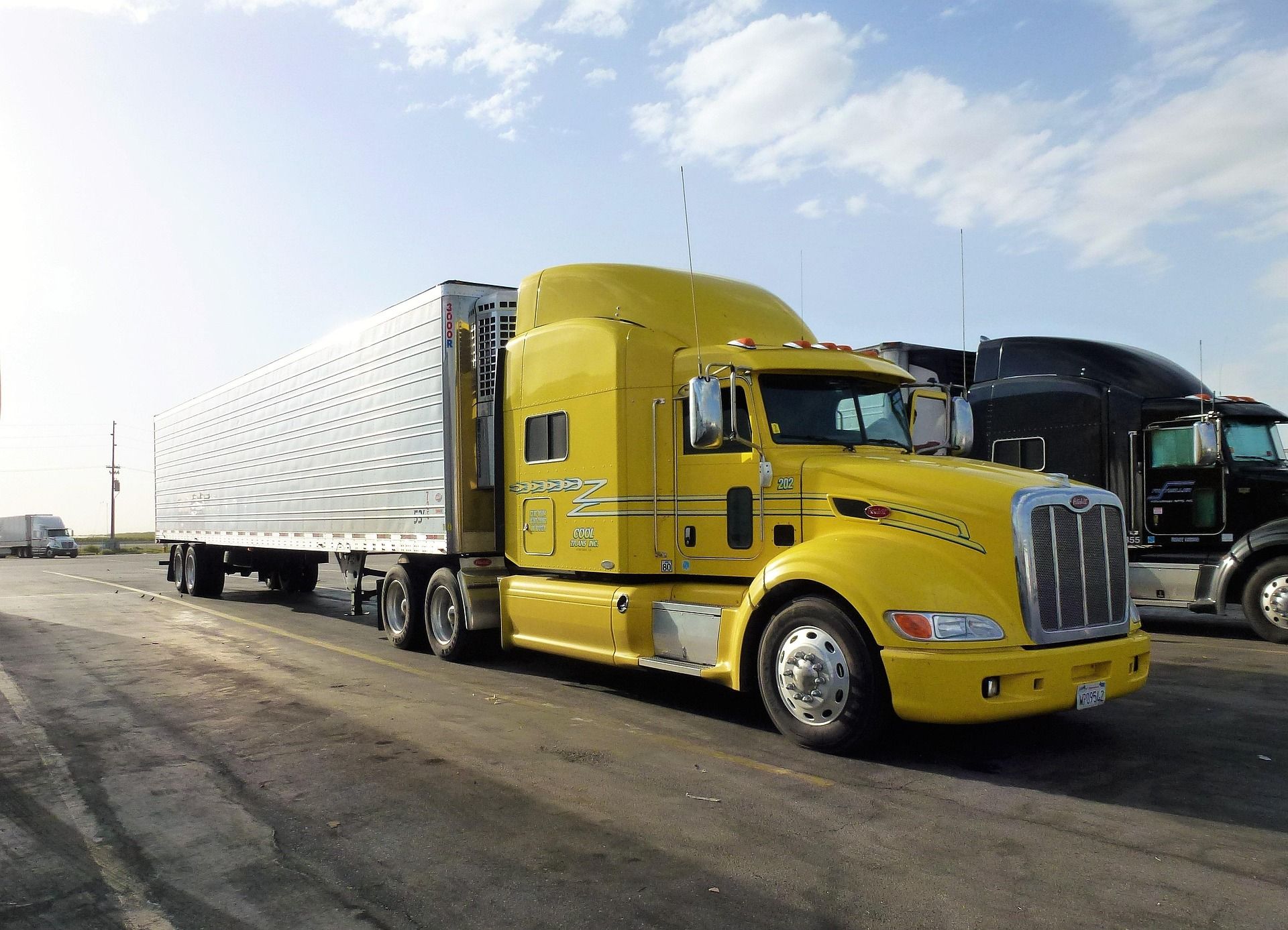
Freight forwarding serves as the backbone of modern shipping logistics, managing everything from documentation and compliance to multimodal transportation and risk management. By offering expertise, technology, and a global network of partnerships, freight forwarders simplify the complexities of moving goods across borders.
From small companies entering global markets to established corporations managing vast supply chains, forwarders provide the tools and expertise needed to thrive. As global trade continues to grow and evolve, the role of freight forwarding will only become more important in connecting businesses and customers worldwide.


