
business resources
Why Function-First Furniture is the Key to Modern Interior Design
12 May 2026

How Functional Furniture Is Changing the Way Modern Homes Are Designed
Modern homes are no longer designed only around appearance. They are designed around how people actually live.
A living room is no longer just a formal seating area. It may also be a media room, play area, work-from-home overflow space, guest lounge, and family gathering spot. A bedroom may need to hold clothing, charge devices, create calm, and still feel visually clean. An entryway may have to manage shoes, bags, keys, jackets, and deliveries without the benefit of a full mudroom.
As homes are asked to do more, furniture is changing with them. The most useful pieces today are not simply decorative. They solve problems: clutter, cables, limited square footage, storage gaps, and rooms that need to function in more than one way.
This is why functional furniture is becoming one of the clearest shifts in modern home design.
The Rise of Function-First Furniture
For years, furniture buying was often driven by style first. A sofa looked beautiful. A cabinet matched the wall color. A TV stand fit the general aesthetic. Function mattered, but it was not always the starting point.
That has changed.
Today’s buyers still care about how a piece looks, but they increasingly ask more practical questions before they buy:
- Will this hide clutter?
- Will it fit my space?
- Does it work with my daily routine?
- Can it support my devices?
- Is it easy to compare online?
- Can I add matching pieces later?
- Is it worth the price?
This shift is especially visible in homes with smaller footprints. Apartments, condos, townhomes, rental spaces, and open-plan houses all require furniture that works harder. A piece that only looks good is no longer enough. It also needs to store, organize, adapt, or simplify the room.
Function-first furniture does not mean style is no longer important. It means style and usefulness now have to work together.
Storage Is Becoming a Design Feature
Storage used to be treated as something hidden in closets, garages, or built-ins. Now, storage is part of the furniture itself.
Modern buyers want furniture that keeps rooms clean without making the home feel cold or overly utilitarian. Closed cabinets, drawers, modular shelving, adjustable compartments, and cable cutouts are no longer minor details. They are decision-making features.
The mindset has shifted:
| Old Furniture Mindset | New Functional Furniture Mindset |
| Looks good in the room | Helps the room function better |
| Decoration first | Storage and use-case first |
| One fixed purpose | Multi-use and adaptable |
| Hidden specifications | Clear dimensions and features |
| Showroom styling | Real-home practicality |
A storage piece now has to do more than hold things. It has to help the room feel calmer. That is why closed storage is so valuable. It gives everyday items a place to go while keeping visual clutter out of sight.
In a well-designed modern home, storage is not an afterthought. It is part of the design language.
The Living Room Shows the Shift Most Clearly
The living room may be the best example of this change.
For many households, the TV wall has become the center of daily life. It holds the television, routers, streaming devices, gaming consoles, speakers, charging cords, remotes, books, toys, and sometimes even extra blankets or board games.
Without the right furniture, the living room can quickly turn into a tech zone.
This is why the TV stand has become more important. It is no longer just a low table under a screen. It is the visual and functional anchor of the living room.
A well-chosen TV stand can:
- Ground the media wall
- Support the right screen size
- Hide cables and devices
- Store remotes and accessories
- Keep the room visually calm
- Balance electronics with warmer materials
- Make the living room feel more intentional
The best TV stands are not just designed to support a television. They are designed to support the way people actually use the room.
Cable Management Is No Longer Optional
One of the biggest reasons living rooms look messy is not furniture. It is cables.
Power cords, HDMI cables, speaker wires, game console cords, routers, streaming boxes, and charging cables can make even a carefully styled room feel unfinished. In open-plan spaces, this becomes even more obvious because the media wall is visible from multiple angles.
Cable management has become a design feature.
A functional TV stand should include or support:
- Back-panel cable openings
- Closed compartments for electronics
- Proper ventilation for devices
- Shelves for consoles and routers
- Drawers or doors for accessories
- Enough width for the screen size
- Space to organize remotes, chargers, and manuals
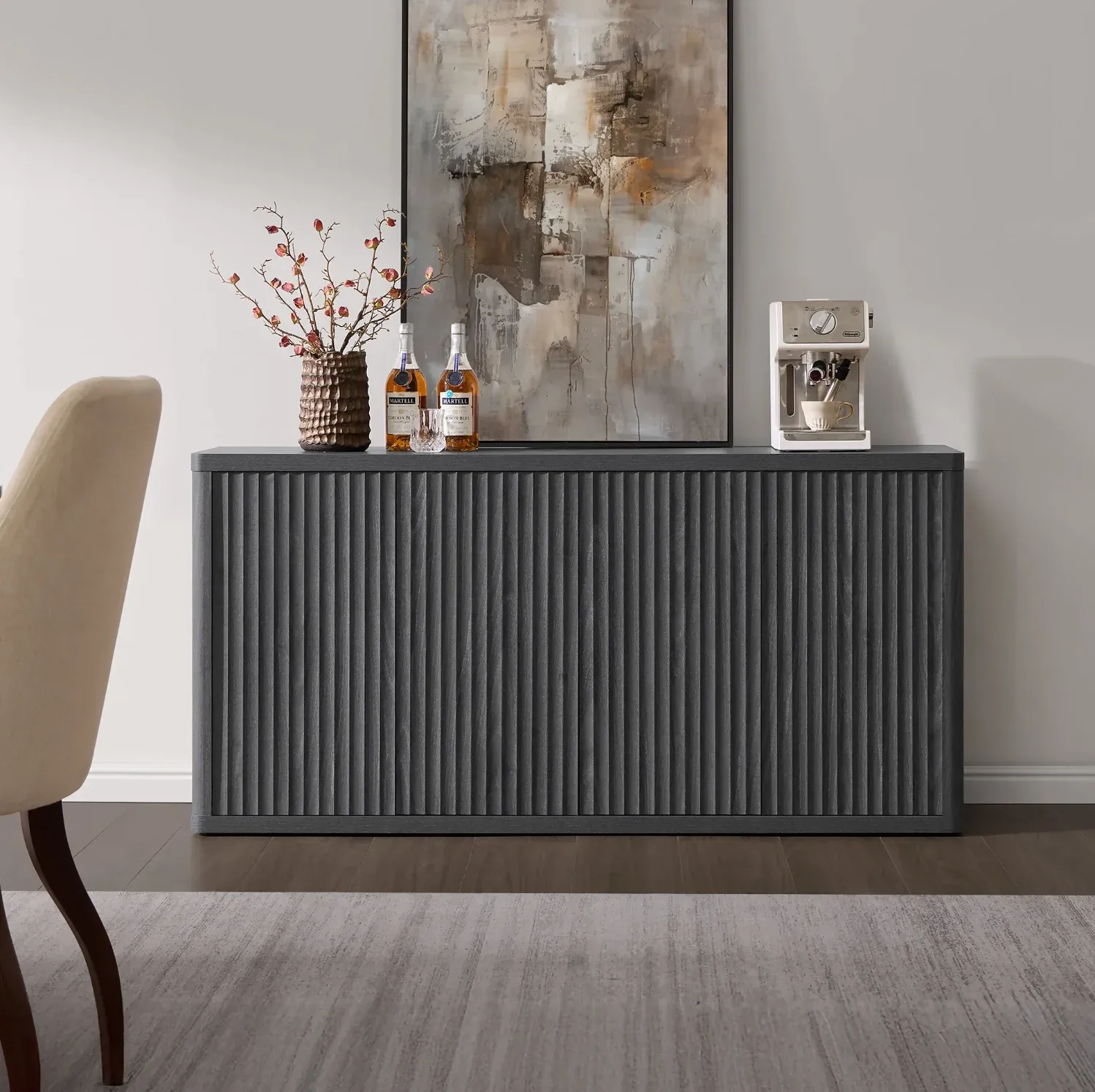
For modern media setups, a piece such as the Cas 65-Inch TV Stand with Cable Management shows how functional furniture can combine a cleaner visual profile with the practical needs of routers, consoles, cords, and everyday living room storage.
That kind of design solves two problems at once. It helps the room look better, and it makes the media setup easier to use.
Functional Furniture Responds to Smaller Living Spaces
The rise of functional furniture is also connected to the way people live now.
Many homes have less dedicated storage than before. Apartments may not have large closets. Condos may lack mudrooms. Open-plan living rooms may need to serve several purposes at once. Rental homes often need freestanding furniture instead of built-ins.
In these spaces, furniture has to be flexible.
A TV stand may need to store media equipment and living room clutter. A dresser may need to work as both clothing storage and a bedroom anchor. A nightstand may need drawers, charging access, and enough surface space for a lamp and phone. A shoe cabinet may need to hide daily footwear while keeping a narrow entryway clear.
Functional furniture is not only a design trend. It is a response to real space limitations.
Small homes do not necessarily need smaller furniture. They need smarter furniture.
DTC Furniture Brands Are Changing What Buyers Expect
Direct-to-consumer furniture brands have helped accelerate this shift because they changed the buying process.
Instead of relying only on showrooms, DTC brands have to help customers make decisions online. That means clearer product information, stronger photography, better dimensions, more detailed use cases, and more transparent shipping and return information.
Modern online furniture buyers expect to see:
- Exact dimensions
- Drawer counts
- Door and shelf layouts
- Material and finish descriptions
- Room photos
- Reviews
- Shipping details
- Return policies
- Assembly expectations
- Matching or related pieces
This information matters because furniture is a considered purchase. A buyer needs to know whether a piece will fit, whether it will solve the problem, and whether it will look right with the rest of the home.
DTC brands that answer these questions clearly reduce buying friction.
They are not just selling furniture online. They are helping people make decisions without a showroom.
Why “Affordable Elevated Design” Is Resonating
Many shoppers today want their homes to feel more considered, but they are also realistic about budget. They may admire premium furniture brands, but they do not necessarily want to pay high-end prices for every room.
This is where value-led design has gained momentum.
Buyers are looking for furniture that:
- Looks more refined than basic options
- Solves everyday storage problems
- Works in real room sizes
- Coordinates with other pieces
- Ships directly
- Feels worth the price
- Does not require a full redesign
This is not the same as simply wanting cheap furniture. The modern buyer often cares about appearance, but they also want practical details. They want something that looks good in photos, works in daily life, and still makes sense financially.
Functional furniture fits this mindset because it offers more than decoration. It gives buyers a reason to feel confident about the purchase.
Coordinated Collections Support the Way People Actually Furnish Homes
Most people do not furnish an entire home in one day.
They buy gradually. A TV stand this month. A bookcase later. A dresser after moving. A shoe cabinet when the entryway becomes unmanageable. A second nightstand after realizing the first one works well.
This is why coordinated furniture collections matter.
When pieces share finishes, design lines, and proportions, shoppers can build a room over time without starting over. A TV stand can relate to a bookcase. A dresser can pair with nightstands. An entryway cabinet can feel connected to nearby living room storage.
For shoppers looking to organize the media wall without making the room feel bulky, comparing TV stands with storage can help identify the right balance of scale, storage, and style.
Collection-based design makes functional furniture even more useful. It gives buyers flexibility while still helping the home feel intentional.
What Modern Furniture Buyers Care About Before They Click “Buy”
Furniture buyers today are informed and cautious. They do not want to guess.
Before buying, they want answers to practical questions:
| Buyer Question | Why It Matters |
| Will it fit my room? | Reduces size anxiety |
| Does it hide clutter? | Solves daily visual mess |
| Does it support my devices? | Important for TV stands and media furniture |
| Can I assemble it? | Reduces purchase hesitation |
| Does it match my current furniture? | Supports style confidence |
| Can I add matching pieces later? | Encourages long-term buying |
| Is the return policy clear? | Reduces online purchase risk |
| Is the price justified by function? | Confirms value |
This is where functional furniture has an advantage. It gives buyers concrete reasons to say yes.
A beautiful piece may attract attention. A useful piece closes the decision.
Where Sicotas Fits Into the Functional Furniture Shift
The growth of functional furniture favors brands that understand how people actually live. Homes need storage, flexibility, warmth, and coordination. Buyers want style, but they also want furniture that earns its space.
Brands such as Sicotas furniture reflect this broader movement toward storage-first, design-aware furniture that supports real homes, real routines, and realistic budgets.
This kind of approach matters because modern shoppers are not always looking for a full design overhaul. Often, they are trying to solve one problem: a messy media wall, a cluttered bedroom, a crowded entryway, or a room that does not feel finished.
Functional furniture gives them a practical starting point.
What the Future of Furniture Design Looks Like
The future of furniture design will likely be shaped by the same pressures shaping modern homes: smaller spaces, more devices, hybrid routines, online shopping, and a desire for homes that feel both useful and personal.
Expect more furniture built around:
- Hidden storage
- Modular layouts
- Integrated charging
- Cable management
- Small-space proportions
- Easy online comparison
- Coordinated collections
- Flexible room use
- Practical but warm materials
The brands that succeed will not simply create furniture that photographs well. They will create furniture that solves daily problems beautifully.
That is the real shift.
Functional Furniture Is Redefining Modern Home Design
Functional furniture is changing modern home design because people are asking more from the same rooms.
They want living rooms that hide media clutter, bedrooms that stay organized, entryways that feel calmer, and furniture that looks considered without exceeding realistic budgets.
The TV stand is one of the clearest examples of this change. It is no longer just something to put under a screen. It is storage, cable control, visual balance, and living room organization in one piece.
The same logic applies across the home. Furniture is becoming less about filling space and more about improving how the space works.
The brands that understand this shift are not simply selling products. They are helping people make better design decisions for real life.


