
resources
The Future of Urban City: Inside the AI Digital Twin Revolution

What if a city could predict floods, prevent traffic chaos, simulate new metro lines, or redesign entire districts, all before construction begins? AI-powered urban twins are making this a reality. These digital replicas are quietly steering the future of the world’s fastest-growing urban centres.
Across the globe, cities are expanding faster than ever.
Growing populations, densifying infrastructure, and rising environmental pressure demand smarter ways to plan, manage and adapt. A quiet revolution is underway, driven by a convergence of data, sensors, and artificial intelligence.
This change lies in what the industry calls urban digital twins: dynamic, living virtual replicas of real‑world cities. These tools are rapidly changing the way cities design, govern and evolve, often without public fanfare.
For all the talk of smart cities and the rise of new technology, few people realise just how central AI-driven urban twins are in reshaping urban landscapes. These digital models, built on real-time data, simulations, and artificial intelligence, are transforming cities from static spaces to dynamic, adaptive ecosystems.
What does this mean for the future of urban development? For the billions of people living in rapidly growing cities, it could be nothing short of transformative.
The rise of urban twins
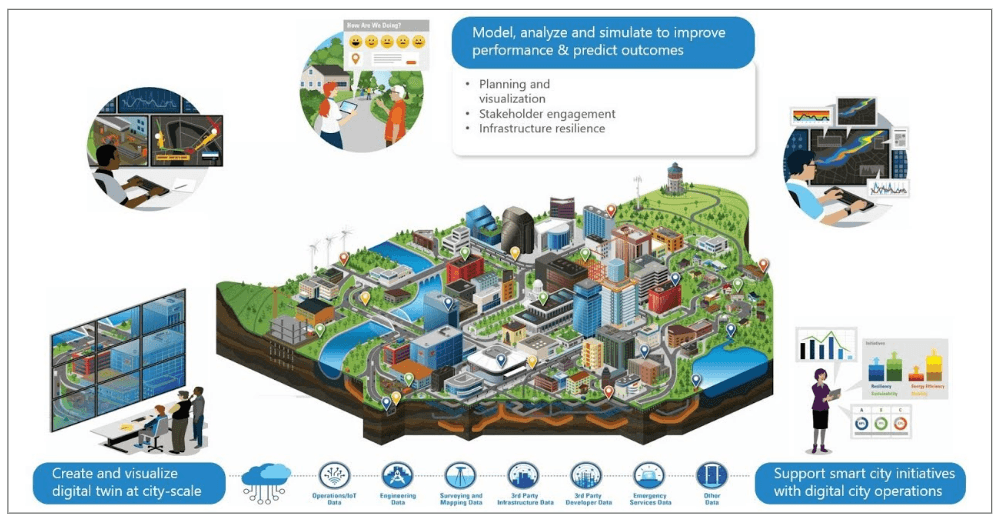
Urban digital twins are 3D virtual replicas of a city. But they’re far from simple, static models. These digital twins are alive with real-time data: traffic flows, energy consumption, air quality, waste management, weather patterns, population movements, and even social behaviour.
Connected via a web of sensors, IoT devices, and satellite imagery, urban twins are capable of simulating, predicting, and optimising the way a city operates.
The concept of digital twins has been around for a while, but only in the last few years have they gained traction in urban planning. What sets them apart is their ability to continuously update based on incoming data, providing an accurate snapshot of a city’s real-time performance.
This isn’t just a “virtual city” for urban planners to admire; it’s an active, evolving system that helps cities make informed decisions, plan for the future, and mitigate risks before they even arise.
Cities across the world are already realising the potential of urban twins. From Singapore’s Virtual Singapore to the European Union’s Smart Cities Initiative, the race to develop and deploy AI-driven urban twins is gaining momentum.
In countries with rapidly urbanising populations, such as India, China, and many parts of Africa, these tools are especially significant. They promise a way for cities to handle urban growth without losing control.
How AI enhances urban twins
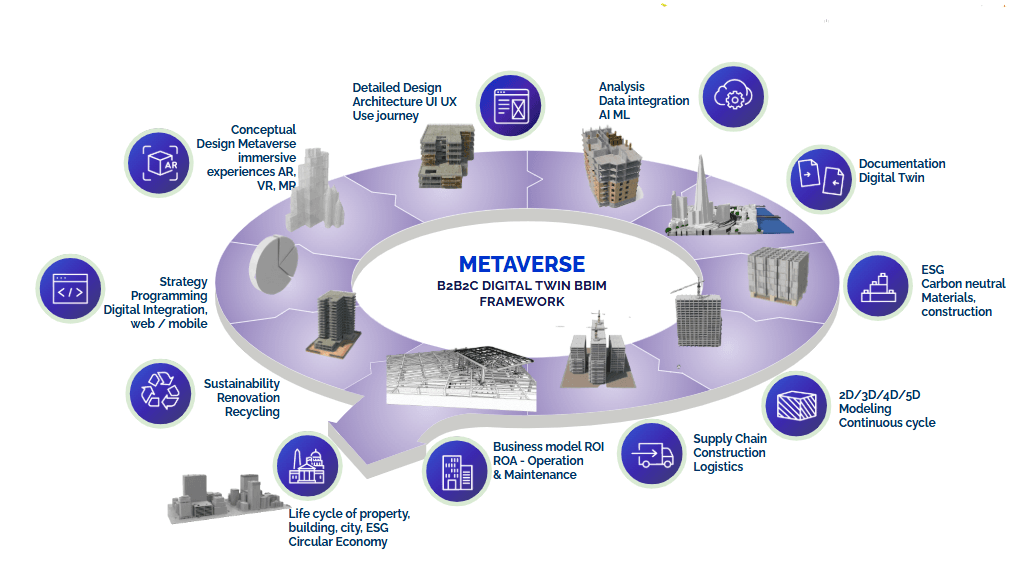
It’s not just about replicating a city digitally. The real power of urban twins comes from the integration of AI, which transforms them from passive models into active, predictive tools. AI enables urban twins to not just reflect what’s happening in a city but also predict what could happen in the future.
Consider this: an AI-powered urban twin can monitor traffic patterns in real time, detect congestion before it becomes problematic, and then suggest real-time interventions to alleviate bottlenecks.
It can analyse energy consumption across an entire city and predict how different weather events might impact energy demand. It can even help predict the potential effects of new infrastructure or urban development, saving cities from costly mistakes before they happen.
AI turns urban twins into something much more dynamic. With the help of machine learning, the data collected from urban systems doesn’t just sit idle; it’s constantly analysed and used to inform smarter, more informed decision-making. Urban planners, policymakers, and even businesses can leverage these insights to shape more sustainable, resilient, and efficient cities.
Related Contents: smart city project 2030 agenda
Real‑world adoption
One of the earliest and most often cited urban twin initiatives is Virtual Singapore, a 3D digital replica of the city‑state built through high‑resolution spatial mapping and real‑time data feeds.
This initiative allows urban planners to conduct simulations of wind flows, solar potential, flood risks, and energy demand before making real-world decisions. It helps optimise space usage and design, ensuring that new developments are both efficient and sustainable.
Virtual Singapore’s impact is far-reaching. Planners use the model to predict how new infrastructure projects will affect the city’s environment, infrastructure, and energy use.
By simulating flood management, for example, the city can assess its vulnerability to rising water levels and develop better systems for mitigating future disasters. Additionally, the model evaluates solar energy potential across rooftops, ensuring the city’s energy plans align with its sustainability goals.
Beyond Singapore, the trend of deploying urban twins is growing globally. More than 500 urban digital twins are expected by 2025, with cities like Barcelona, Dubai, and London already implementing similar technologies.
For instance, London’s digital twin connects real-time data from transportation, energy grids, and weather stations, helping planners make data-driven decisions about mobility and infrastructure development.
One of the most promising developments is the rise of hazard-responsive digital twins. These systems combine IoT data, climate hazard modelling, and machine learning to provide real-time risk analytics, particularly for extreme weather events.
Cities like Los Angeles use this technology to predict wildfires, while Bangkok and Mumbai utilise digital twins for flood management. These systems allow cities to prepare for disasters by pinpointing areas at risk and planning interventions in advance.
Perhaps most significantly, hazard-responsive twins help cities take equity-aware actions by identifying vulnerable populations, ensuring that the most at-risk communities receive the protection and resources they need during extreme events.
The promise of fast-growing cities
Fast-growing cities, particularly those in developing economies, face enormous challenges. They must grapple with the increasing demand for housing, infrastructure, and services, while also contending with the pressures of climate change, resource scarcity, and socio-economic inequality.
Urban twins powered by AI hold immense potential to address these challenges by helping cities plan for growth more efficiently and sustainably.
For instance, AI-driven urban twins can optimise land use, ensuring that space is used effectively while avoiding the pitfalls of sprawling, inefficient development. Cities can use these tools to simulate different zoning configurations, assess their impact on the environment, and make decisions based on real-time data rather than guesswork.
Additionally, AI-driven twins can be used to design climate-resilient cities. By simulating different climate scenarios, cities can prepare for extreme weather events, such as floods or heatwaves, and make informed decisions about infrastructure development to mitigate these risks.
From flood management systems to energy-efficient buildings, AI can help cities become more resilient to climate change, a pressing concern for many of the world’s fastest-growing urban areas.
A tool for more democratic urban planning
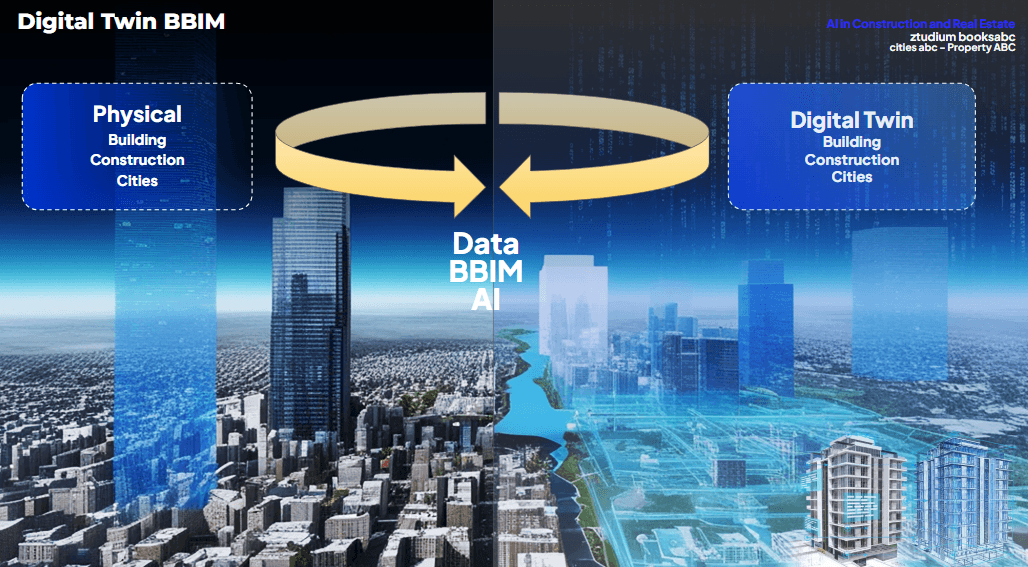
One of the most compelling aspects of AI-driven urban twins is their ability to support more democratic, participatory urban planning. Historically, urban development has often been an elite process, with decisions made by a select group of city planners, politicians, and developers.
But digital twins, particularly when integrated with AI, can offer citizens a more active role in shaping their cities.
Some urban twin initiatives are already experimenting with platforms that allow residents to interact with digital models of their city. They can provide feedback, suggest changes, or even propose new infrastructure projects.
This participatory approach helps ensure that the needs of diverse communities are considered, rather than just the interests of developers or government officials.
Urban twins also offer a valuable opportunity to track the social impact of urban planning decisions. By collecting data on how different communities use space, access services, and interact with their environments, cities can gain a better understanding of social inequalities and work to address them.
This is especially important in cities where informal settlements, social exclusion, and economic disparity are prevalent.
The challenges ahead
Despite the tremendous potential, AI-driven urban twins are not without their challenges. Data privacy and security are significant concerns. As these systems collect vast amounts of data on residents and urban systems, the risk of misuse or breaches grows.
Cities must ensure that they have strong governance frameworks in place to protect citizens’ privacy while still making full use of the data.
Another challenge lies in the high cost of implementation. Building a digital twin of an entire city requires significant investment in technology infrastructure, data collection systems, and AI capabilities.
For many cities in the Global South, this is a major barrier to adoption. However, as the technology matures and becomes more affordable, it’s likely that we’ll see an increasing number of cities adopting AI-driven urban twins.
Finally, there is the risk of over-reliance on technology. While urban twins are powerful tools, they are only as good as the data they receive.
There is a danger that cities might place too much trust in digital models and neglect the human, social, and cultural aspects of urban development. Urban planning must remain a holistic process, blending technology with community input, historical context, and environmental considerations.
What’s next for urban twins?
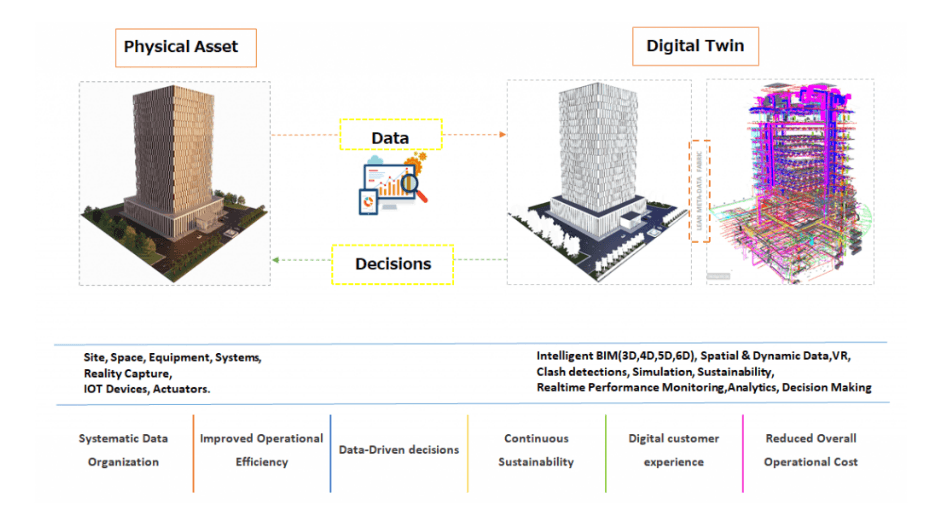
As cities continue to grow and evolve, AI-driven urban twins will play an increasingly important role in shaping the future of urban life. Over the next decade, we can expect to see more cities embrace this technology, using it to plan smarter, more sustainable, and more resilient urban environments.
We are entering an era where cities are no longer static, passive entities. They are living, breathing ecosystems that can be monitored, adapted, and optimised in real time.
The challenge now is to ensure that the benefits of urban twins are shared equitably, that citizens remain at the centre of planning processes, and that these technologies are used to enhance, not replace, human agency in shaping the cities of tomorrow.
AI-driven urban twins are not the future, they are the present, quietly transforming the world’s fastest-growing cities. For cities facing rapid urbanisation and escalating challenges, this is not just a technological shift; it is a paradigm change that promises to define the next chapter in urban planning. And while it may not always grab the headlines, the impact of this quiet revolution will resonate for decades to come.
What it means for developing‑economy cities
For cities in countries such as India, the implications are particularly relevant. Rapid urbanisation, resource constraints, infrastructure backlog, and climate vulnerability, all make traditional planning harder. AI‑driven urban twins could help such cities leapfrog to more responsive, data‑driven planning and management.
But success will depend on political will, institutional capacity, funding, data governance frameworks, and inclusive planning processes.
Cities must approach digital‑twin adoption with realism: treat models as tools, not as replacements for local knowledge, community engagement, or flexible policy frameworks.


