


resources
Unpacking the Future: A Deep Dive into the Gandhinagar Smart City Project
12 Jun 2025

Gandhinagar is doing some really cool stuff with its smart city project. It’s not just about building new things; it’s about making the city work better for everyone, using new ideas and technology. This whole project is a big deal for India, showing how cities can grow in a smart and eco-friendly way. The gandhinagar smart city project is setting a good example for urban development.
Key Takeaways
- GIFT City is a big part of the gandhinagar smart city project, bringing together finance, smart tech, and green ideas.
- Gandhinagar is using some neat building tricks, like special cooling systems and hidden utility lines, to make things run smoothly.
- The Smart Cities Mission helps guide Gandhinagar’s plans, pushing for new ways to build and manage the city.
- Gandhinagar is a leader in India’s urban growth, using technology to solve city problems and focusing on what citizens need.
- The gandhinagar smart city project is expected to bring in a lot of money and create many jobs, helping the area’s economy.
GIFT City: A Cornerstone of the Gandhinagar Smart City Project
GIFT City is a big deal for the Gandhinagar Smart City project. It’s not just another development; it’s designed to be a major financial hub and a symbol of India’s growing technological prowess. I think it’s pretty cool how they’re trying to build a city from scratch with all the latest tech and green initiatives. It’s like something out of a sci-fi movie, but it’s actually happening here.
Financial Hub and Global Connectivity
GIFT City aims to be a major financial hub, attracting businesses and investments from all over the world. It’s designed to offer a competitive environment for financial services, with streamlined regulations and state-of-the-art infrastructure. The idea is to make it easier for companies to do business here, which in turn will create jobs and boost the economy. It’s also supposed to have great connectivity, making it easy to reach other major cities and financial centers around the globe.
Smart Infrastructure and Digital Integration
One of the coolest things about GIFT City is its focus on smart infrastructure. They’re using technology to make the city more efficient and sustainable. Here are some examples:
- High-speed internet access throughout the city
- Smart grids for managing energy distribution
- Automated waste management systems
The goal is to create a city where everything is connected and data-driven, making life easier for residents and businesses. It’s all about using technology to solve urban challenges and improve the quality of life.
Sustainable Design and Green Initiatives
GIFT City is also committed to environmental sustainability. They’re incorporating green building standards, using energy-efficient designs, and implementing rainwater harvesting systems. They’re also creating green spaces throughout the city to improve air quality and provide recreational areas for residents. It’s great to see them prioritizing sustainability from the start, rather than trying to retrofit it later. They are really promoting eco-friendly urban solutions.
Architectural Innovations Driving Gandhinagar’s Urban Landscape
Gandhinagar is not just about technology; it’s also about innovative design. The city incorporates several architectural solutions aimed at improving efficiency and sustainability. Let’s take a look at some of the key features.
Energy-Efficient Cooling Systems
Traditional air conditioning systems consume a lot of power. Gandhinagar addresses this with a district cooling system. This centralized approach reduces energy consumption by up to 30% compared to conventional methods. Instead of individual AC units, a central plant provides chilled water to multiple buildings. This system is more efficient and reduces the overall environmental impact. It’s a smart way to keep the city cool while minimizing energy waste.
Streamlined Underground Utilities
One of the most striking features of Gandhinagar is the absence of overhead wires and cluttered streets. All utilities, including power cables, water pipes, and communication lines, are housed in underground tunnels. This approach offers several advantages:
- Improved aesthetics: A clutter-free skyline enhances the city’s visual appeal.
- Reduced maintenance: Underground utilities are less susceptible to damage from weather and other external factors.
- Enhanced safety: Eliminating overhead wires reduces the risk of accidents.
By placing utilities underground, Gandhinagar creates a safer, more attractive, and more efficient urban environment. This forward-thinking approach sets a new standard for urban planning in India.
Advanced Waste Management Solutions
Effective waste management is crucial for any smart city. Gandhinagar employs an automated waste collection system. This system uses a vacuum-based disposal system to transport waste from collection points to a central processing facility. This method offers several benefits:
- Reduced odor and pests: The enclosed system minimizes the risk of unpleasant smells and pest infestations.
- Improved hygiene: Automated collection reduces human contact with waste, improving overall hygiene.
- Increased efficiency: The system is more efficient than traditional waste collection methods, reducing labor costs and smart transit time.
Here’s a simple comparison of traditional vs. automated waste collection:
| Feature | Traditional Waste Collection | Automated Waste Collection |
|---|---|---|
| Odor | High | Low |
| Pest Infestation | High | Low |
| Hygiene | Low | High |
| Efficiency | Low | High |
| Labor Costs | High | Low |
This system helps Gandhinagar maintain clean streets and promotes a healthier environment. It’s a key component of the city’s commitment to sustainability and green building standards.
The Smart Cities Mission and Gandhinagar’s Vision
The Smart Cities Mission is a big deal for India. It’s pushing cities to become more modern, sustainable, and connected. Gandhinagar is right in the middle of this, using the mission as a guide to make the city better for everyone. It’s not just about fancy buildings; it’s about making life easier and more enjoyable for the people who live there. The Smart Cities Mission has provided a crucial framework for this transformation.
Framework for Urban Transformation
The Smart Cities Mission gives cities a structure to follow. It’s like a roadmap that helps them figure out what to do and how to do it. Gandhinagar is using this framework to make big changes, like improving roads, water systems, and public transportation. It’s all about making the city work better for its residents. Here are some key areas of focus:
- Infrastructure upgrades
- Improved public services
- Enhanced digital connectivity
Fostering Innovation in City Planning
Gandhinagar is trying new things and coming up with creative solutions. This includes using technology to solve problems and making the city more efficient. For example, they’re using smart streetlights that adjust based on the time of day and traffic. They’re also working on ways to manage waste better and reduce pollution. Innovation is key to making Gandhinagar a truly smart city.
Adopting Best Practices for Development
Gandhinagar is looking at what other successful cities are doing and learning from them. This means taking ideas that work well and adapting them to fit the city’s needs. It’s about finding the best ways to build a sustainable and livable city. GIFT City, Gandhinagar is India’s First Operational Greenfield Smart City.
By adopting best practices, Gandhinagar aims to create a model for other cities in India to follow. This includes focusing on citizen engagement, environmental sustainability, and economic growth.
Gandhinagar’s Role in India’s Futuristic Urban Development
Gandhinagar is really stepping up as a key player in how India’s cities will look and function in the future. It’s not just about adding some fancy tech; it’s about creating a whole new kind of urban environment that’s sustainable, efficient, and focused on the people who live there. It’s pretty cool to see how they’re approaching it.
Pioneering Greenfield Smart City Projects
Gandhinagar, particularly with GIFT City, is showing everyone what a greenfield smart city can actually be. Instead of trying to fix existing problems in older cities, they started from scratch, which let them build in smart tech and sustainable practices from the very beginning. This approach is becoming a model for other new urban developments across the country. It’s like they’re saying, "Here’s how you do it right from the start."
Leveraging Technology for Urban Challenges
Gandhinagar is using tech to tackle everyday city problems. Think about traffic management, waste disposal, and energy use. They’re using data and smart systems to make things run smoother and more efficiently. It’s not just about having the latest gadgets; it’s about using technology to make life better for residents. For example, smart grids help manage electricity distribution, reducing waste and ensuring a reliable power supply. This approach is a game-changer for urban living.
Citizen-Centric Governance and Sustainability
What’s really interesting is how Gandhinagar is putting people first. They’re focusing on making the city livable and sustainable for everyone. This means things like green spaces, clean air, and efficient public services. It’s not just about fancy buildings and cool tech; it’s about creating a community where people want to live and work. The emphasis on citizen engagement and feedback is also a big part of this, ensuring that the city’s development aligns with the needs and desires of its residents.
Gandhinagar’s approach to urban development is a shift towards creating cities that are not only technologically advanced but also environmentally responsible and socially inclusive. This holistic vision sets a new standard for urban planning in India, emphasizing the importance of balancing economic growth with the well-being of its citizens and the preservation of the environment.
Key Features of the Gandhinagar Smart City Project
Gandhinagar’s transformation into a smart city is driven by several key features, each designed to improve the quality of life for its residents and boost economic growth. It’s not just about adding technology; it’s about creating a sustainable and efficient urban environment. Let’s take a look at what makes this project stand out.
World-Class Infrastructure Development
Gandhinagar is seeing massive upgrades to its infrastructure. This includes everything from better roads and public transportation to reliable utilities and advanced communication networks. The goal is to create a city that can support a growing population and a thriving economy. Think about it: smooth traffic flow, uninterrupted power supply, and high-speed internet are all essential for a modern city.
Integration of Smart Technology
Smart technology is at the heart of the Gandhinagar project. This means using data and connectivity to improve city services and make life easier for residents. For example, smart streetlights can adjust their brightness based on traffic and weather conditions, saving energy and improving safety. GIFT City Gandhinagar is a prime example of this, with its 24/7 utility monitoring and automated systems.
Here are some examples of smart tech being implemented:
- Smart traffic management systems to reduce congestion.
- Real-time monitoring of water and energy usage.
- Digital platforms for citizen engagement and feedback.
Emphasis on Sustainable Techniques
Sustainability is a major focus of the Gandhinagar Smart City project. This means using eco-friendly materials, reducing waste, and promoting renewable energy. The city is designed to minimize its environmental impact and create a healthier place to live. It’s about building a city that can thrive for generations to come.
Gandhinagar is committed to becoming a model for sustainable urban development. This includes promoting green building practices, investing in renewable energy sources, and implementing efficient waste management systems. The goal is to create a city that is both environmentally responsible and economically prosperous.
Economic Impact of the Gandhinagar Smart City Project
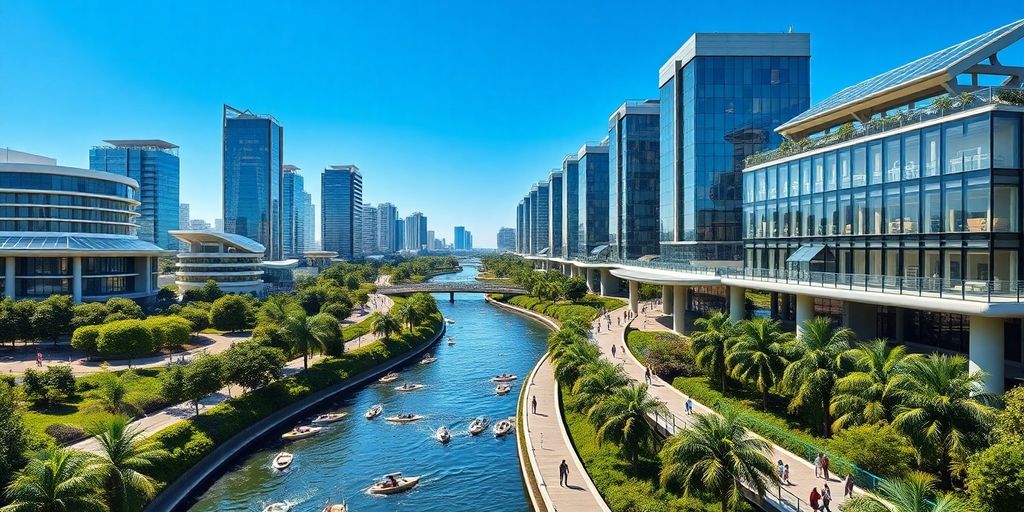
The Gandhinagar Smart City project, with GIFT City at its core, is designed to be more than just a modern urban space; it’s envisioned as a major economic engine for the region and the nation. The project aims to attract significant investment, generate employment, and contribute to overall economic growth. Let’s take a look at how it’s doing that.
Attracting Domestic and International Investments
One of the primary goals of the Gandhinagar Smart City project is to draw in both domestic and international investments. GIFT City, in particular, is designed to be a global financial hub, offering a competitive environment for businesses and investors. The presence of India’s first International Financial Services Centre IFSC is a big draw, hosting numerous public sector banks and fintech companies. This concentration of financial activity is expected to spur further investment in the region. The city’s infrastructure, coupled with favorable policies, makes it an attractive destination for companies looking to expand or establish operations in India. The hope is that this will lead to a significant increase in foreign direct investment and boost the local economy.
Generating Significant Employment Opportunities
The Gandhinagar Smart City project is also expected to create a large number of employment opportunities. The development and operation of GIFT City, along with other smart city initiatives, require a skilled workforce across various sectors. These include:
- Construction and infrastructure development
- Information technology and telecommunications
- Financial services and banking
- Hospitality and tourism
The project is not just about building a city; it’s about building a future for the people who will live and work there. By creating jobs and opportunities, the Gandhinagar Smart City project aims to improve the quality of life for residents and contribute to the overall prosperity of the region.
Contributing to Regional Economic Development
Beyond attracting investment and creating jobs, the Gandhinagar Smart City project is expected to have a broader impact on regional economic development. The project is designed to stimulate growth in surrounding areas by improving infrastructure, attracting businesses, and increasing tourism. The presence of a world-class smart city can enhance the overall attractiveness of the region, making it a more desirable place to live, work, and invest. This, in turn, can lead to increased economic activity and improved living standards for residents throughout the region. The project’s focus on sustainability and innovation can also help to create new industries and opportunities, further contributing to regional economic development.
Gandhinagar’s Commitment to Environmental Sustainability
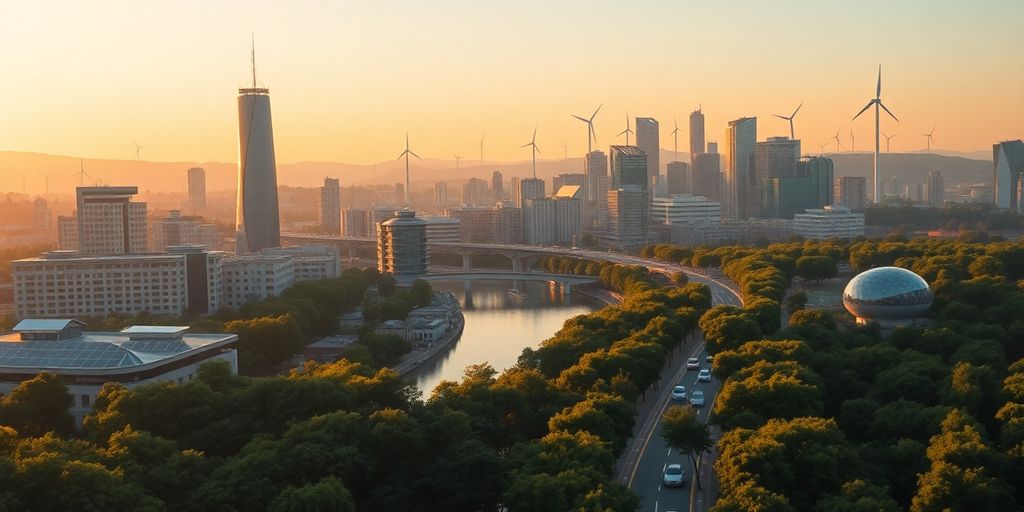
Gandhinagar is really trying to be a leader when it comes to green urban development. It’s not just about building fancy buildings; it’s about making sure the city is livable and sustainable for future generations. They’re looking at all sorts of ways to reduce their environmental impact, from using renewable energy to managing waste more effectively. It’s a big task, but they seem pretty serious about it.
Promoting Eco-Friendly Urban Solutions
Gandhinagar is actively seeking out and implementing eco-friendly solutions across the board. This includes things like promoting green building practices, encouraging the use of public transportation, and creating more green spaces throughout the city. The goal is to create a healthier and more sustainable environment for everyone who lives and works there. They’re also looking at innovative ways to reduce pollution and conserve resources. For example, the urban development projects are incorporating green spaces.
- Implementing green building standards for new construction.
- Expanding the network of public transportation options.
- Creating more parks and green spaces throughout the city.
Gandhinagar is exploring ways to integrate nature into the urban environment. This includes things like green roofs, vertical gardens, and tree-lined streets. The idea is to create a more livable and sustainable city that is also more beautiful and enjoyable to be in.
Focus on Renewable Energy Projects
One of the key ways Gandhinagar is working to reduce its environmental impact is by investing in renewable energy projects. This includes things like solar power, wind energy, and biomass. The city is aiming to generate a significant portion of its electricity from renewable sources, which will help to reduce its reliance on fossil fuels and lower its carbon footprint. Palava City, for example, utilizes natural cooling techniques, reducing the reliance on air conditioning and minimizing energy consumption.
Implementing Waste-to-Energy Initiatives
Dealing with waste is a big challenge for any city, and Gandhinagar is no exception. That’s why they’re exploring waste-to-energy initiatives as a way to turn trash into a valuable resource. These initiatives involve using technologies to convert waste into electricity or other forms of energy. This not only reduces the amount of waste that goes to landfills but also helps to generate clean energy. Surat is also advancing towards eco-friendly urban solutions, with a particular focus on improving flood management capabilities and promoting sustainable urban growth through renewable energy projects and waste-to-energy initiatives.
Conclusion
The Gandhinagar Smart City Project, especially GIFT City, shows what’s possible when you mix new ideas with careful planning. It’s not just about buildings; it’s about making places that work better for people and the environment. This project, along with others across India, is helping to change how we think about cities. They are becoming places where technology helps daily life, and where being green is a big deal. It’s a good example of how cities can grow in a smart way, setting a standard for others to follow.
Frequently Asked Questions
What is GIFT City?
GIFT City is a special area in Gandhinagar, India, built to be a global financial center. It has really good buildings, uses smart technology, and is designed to be kind to the environment.
Why is GIFT City important?
It’s important because it helps India connect with the rest of the world for money matters. It also shows how new cities can be built using smart ideas and green methods.
What are some cool things about GIFT City’s buildings?
It has cool features like a central cooling system that saves energy, all its pipes and wires are hidden underground, and it has a special system to collect trash automatically.
What is the Smart Cities Mission?
It’s a big plan by the Indian government to make cities better by using technology, building things that last, and making sure people have a good quality of life.
How is Gandhinagar a leader in smart city building?
Gandhinagar is a leader because it’s one of the first cities built from scratch to be smart. It uses new ideas to solve city problems and focuses on making life better for its people.
How will the Gandhinagar Smart City Project help the economy?
The project is expected to bring in a lot of money from businesses, create many jobs for people, and help the whole area grow economically.


