
resources, healthcare sustainability
Get Your Vision Back: 7 Medical Paths to Explore
23 Sept 2025

Vision allows us to engage with the world around us and carry out daily tasks. Aging, genetics, and environmental influences can all impair vision, potentially leading to significant challenges in daily activities. If you find yourself struggling with your eyesight, numerous medical procedures could help restore or improve your vision.
Exploring these options can empower you with the knowledge to make informed choices about your eye health. Whether you’re interested in surgical solutions or non-invasive treatments, understanding each possibility is a necessary part of your journey toward better vision.

LASIK Eye Surgery
Eye surgery has revolutionized the way we approach vision correction. Those in the area may want to look into LASIK eye surgery in Singapore that offers better effectiveness and quicker recovery times. The procedure focuses on reshaping the cornea to improve how light is focused on the retina, correcting nearsightedness, farsightedness, and astigmatism. Patients may experience minimal discomfort and can return to normal activities within a day or two.
Recent advancements in technology have improved the precision and safety of LASIK, making it accessible to a broader range of candidates. Don’t forget to consult with a qualified ophthalmologist who can assess your eligibility based on your eye health and prescription stability. If you are looking for efficient alternatives to glasses or contacts, LASIK might be the answer to regain your vision’s clarity and quality.
PRK as an Alternative to LASIK
Photorefractive keratectomy (PRK) offers another surgical option for vision correction, similar to LASIK but with distinct procedural differences. In PRK, the top layer of the cornea is gently removed, allowing a laser to reshape the underlying tissue. This method requires a longer healing period compared to LASIK, but it can be an excellent choice for individuals with thin corneas or those who participate in contact sports.
The most notable advantage of PRK is that it leaves less risk for complications related to corneal flaps, which can occur during LASIK. PRK is effective for various refractive errors, giving it broad appeal in the eye care community. Patients might take a week or more to achieve optimal vision post-surgery, but many report satisfaction once healed. If LASIK isn’t suitable for your condition, discussing PRK with your eye care professional can illuminate another viable route for restoring sight.
The Role of Orthokeratology
Known as Ortho-K, orthokeratology presents a non-surgical approach to vision correction by utilizing specially designed contact lenses. These lenses are worn overnight to gently reshape the cornea so that individuals can enjoy clear vision during the day without needing glasses or standard contact lenses. It primarily targets myopia and is popular among children and teenagers, as it may slow the progression of myopia.
An added benefit is the temporary nature of the results, which is an attractive choice for those uncertain about irreversible surgical options. Know that ongoing care and monitoring are necessary to secure optimal lens fit and address any potential complications. For those seeking a reversible option, the commitment to wearing lenses at night might just be a favorable trade-off for clearer vision.
Cataract Surgery
Cataracts can cloud your vision and are most commonly associated with aging. They can even develop due to certain medications or diseases. Cataract surgery is the most successful medical procedure available, with high rates of success and patient satisfaction. The process involves removing the cloudy lens and replacing it with an artificial intraocular lens (IOL). Many types of IOLs are available, catering to various vision needs, such as multifocal options for patients wanting to reduce dependence on glasses.
Following surgery, most patients experience a quick restoration of vision within days. With experienced ophthalmologists by your side, the procedure will be performed with precision and minimal risk. If clouded vision hampers your daily life, exploring options for cataract surgery could be the key to reclaiming your visual clarity.
Injections and Medications for Eye Health
For those dealing with diabetic retinopathy or age-related macular degeneration (AMD), medications and injections may offer a vital lifeline. These treatments involve anti-VEGF (vascular endothelial growth factor) injectables that help manage or slow down disease progression. Regular monitoring and quick interventions can preserve vision in patients facing these conditions.
These injections are administered in a doctor’s office and can be a valuable option for those who may not be candidates for surgery. Work closely with your healthcare team to tailor a treatment plan that meets your specific needs. Early detection and a proactive approach to managing these conditions can heavily impact long-term outcomes and quality of life. When confronting progressive eye diseases, administering medications may very well be a strategic move to safeguard your vision.
The Benefits of Vision Therapy
Vision therapy is a highly personalized treatment plan designed to improve visual skills and eye coordination. This option focuses on exercises that strengthen the visual system and improve the brain's ability to process visual information. Therapists use various activities, including eye movement training, perceptual activities, and sometimes even computer-based exercises. It is not limited to refractive issues alone: vision therapy can address strabismus (crossed eyes) or amblyopia (lazy eye).
Patients undergoing vision therapy report improvements in their visual comfort and efficiency, which positively affects their daily activities. Those with specific visual challenges may find therapy a worthwhile investment. Customized eye care approaches like vision therapy can bring about significant improvements for those needing additional support in their visual journey.
Low Vision Aids and Support
For individuals whose vision cannot be restored through surgery or medical interventions, low vision aids and support services offer valuable resources. Various tools are available to help improve remaining vision, including magnifiers, specialized glasses, and other assistive technologies. Electronic devices with voice recognition or large text displays can make daily tasks more manageable for those with severe vision impairment. Connect with support groups that offer valuable experiences, emotional support, and strategies for coping.
Rehabilitation professionals provide tailored training to maximize independence and improve quality of life. Finding the right combination of aids and support can create a substantial difference in day-to-day activities for those living with low vision. Individuals can gain confidence as they adapt to changes in their visual capability.
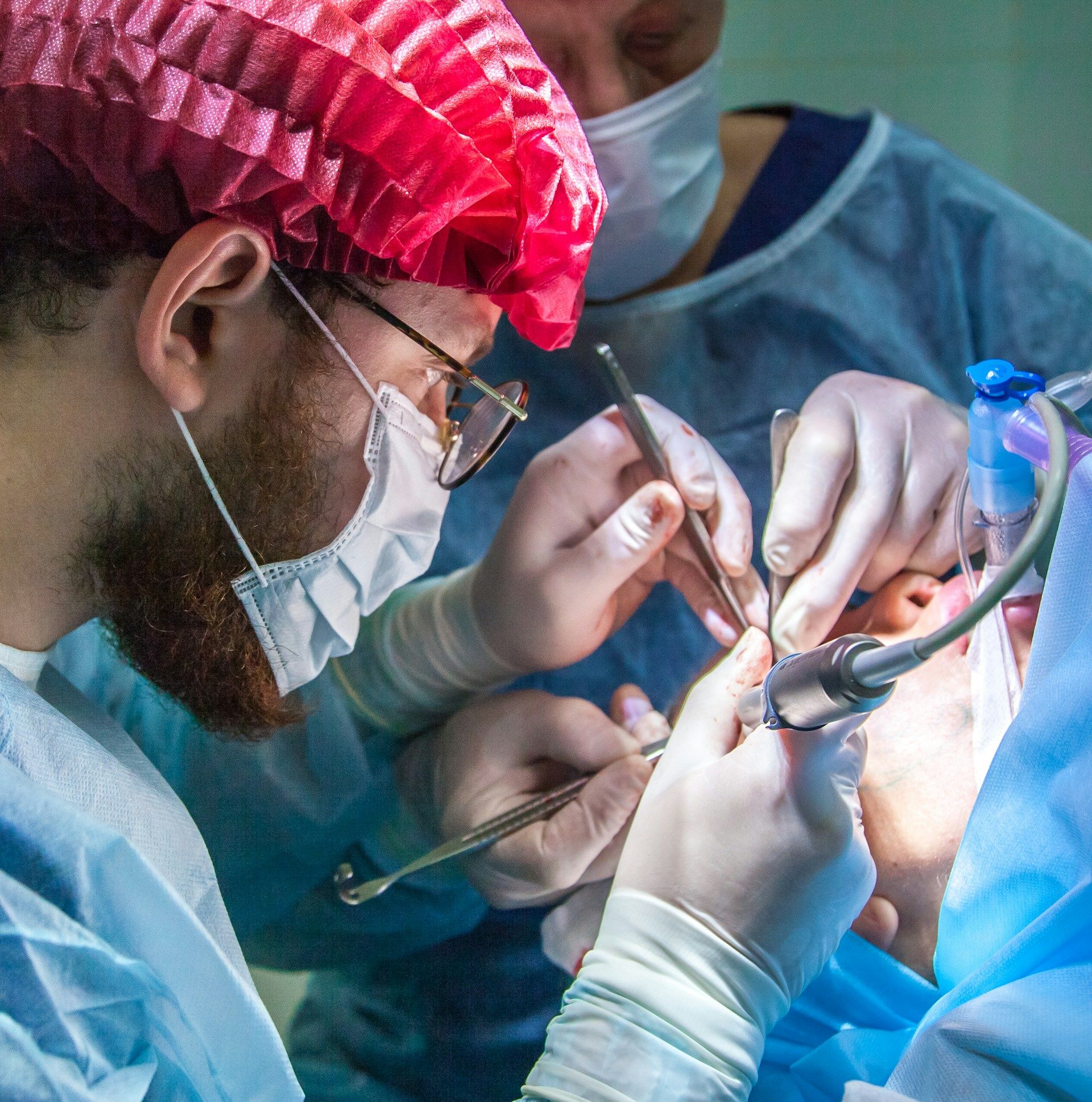
When exploring medical paths to restore or improve vision, consult with qualified healthcare professionals who can guide you through the best options tailored to your needs. Whether considering surgical options like LASIK or non-invasive pathways such as orthokeratology and vision therapy, each route provides unique advantages. Prioritizing your eye health and being proactive can impact your quality of life and open up new possibilities for clearer, more enjoyable visual experiences.


